How to Heal a Dog Wound Fast at Home Without Making It Worse
Quick Answer: Gently rinse the wound with clean water or sterile saline, remove visible debris, apply a veterinarian-approved antiseptic if recommended, and prevent your dog from licking or scratching the area. Clean wounds typically heal much faster than wounds that remain contaminated.
Your dog comes running back from the yard with a cut on their leg. Maybe they scraped themselves on a fence, got scratched during play, or developed a small skin wound that suddenly caught your attention. Your first instinct is probably to help it heal as quickly as possible.
The good news? Many minor dog wounds can be safely treated at home with proper cleaning and care. The bad news? Using the wrong products or delaying treatment for a serious injury can make the wound worse and increase the risk of infection.
This guide covers everything dog owners actually need to know: how to heal a dog wound fast at home, which home remedies are safe, what to avoid, signs of infection, and when a wound requires immediate veterinary attention.
How to Heal a Dog Wound Fast at Home: The Short Answer
The fastest way to heal a minor dog wound at home is to clean it thoroughly, keep it free from bacteria, prevent licking, and monitor it closely for signs of infection.
The most important thing to understand is this: proper wound cleaning is far more important than any home remedy. Most complications occur because bacteria enter the wound and multiply before healing can begin.
Can Dog Wounds Heal on Their Own?
1. Minor Wounds Often Heal Naturally
Dogs have a remarkable ability to heal small cuts, scrapes, and abrasions.
Minor wounds may heal without complications when:
- The wound is shallow
- Bleeding stops quickly
- No infection develops
- The wound stays clean
- The dog leaves it alone
Many small injuries begin improving within a few days with proper care.
2. Not All Wounds Are Safe to Treat at Home
Some injuries require veterinary treatment regardless of their size.
Examples include:
- Deep puncture wounds
- Animal bites
- Large cuts
- Wounds exposing fat, muscle, or bone
- Heavily contaminated injuries
- Wounds near the eyes
These injuries carry a much higher risk of infection and complications.
3. Infection Slows Healing
Even a small wound can become serious if bacteria invade the tissue.
Common causes include:
- Dirt
- Grass
- Mud
- Saliva contamination
- Excessive licking
- Poor wound hygiene
Keeping the wound clean is the single most effective way to promote faster healing.
How to Heal a Dog Wound Fast at Home
Step 1: Stay Calm and Examine the Injury
Before doing anything else, assess the wound carefully.
Look for:
- Depth
- Location
- Active bleeding
- Swelling
- Foreign objects
- Signs of severe injury
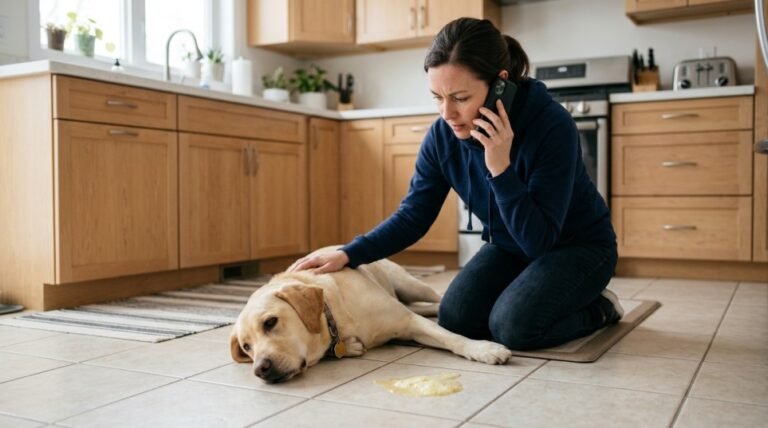
If the wound appears deep or continues bleeding heavily after several minutes of pressure, contact your veterinarian immediately.
Step 2: Stop Any Active Bleeding
For minor bleeding:
- Use clean gauze or a clean cloth
- Apply gentle, steady pressure
- Hold pressure for several minutes
- Avoid repeatedly lifting the cloth
Most minor wounds stop bleeding fairly quickly.
Persistent bleeding requires professional attention.
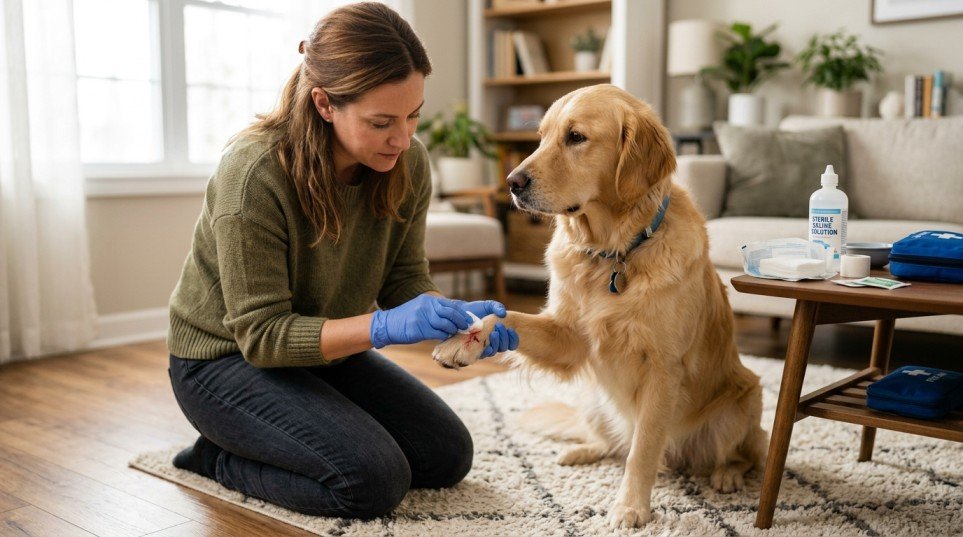
Step 3: Clean the Wound Thoroughly
This is the most important step.
Flush the wound using:
- Sterile saline solution
- Clean lukewarm water
The goal is to remove:
- Dirt
- Debris
- Hair
- Bacteria
Gentle flushing often works better than aggressive scrubbing, which can damage healthy tissue.
Step 4: Trim Hair Around the Area
If fur surrounds the wound, carefully trim it away.
Benefits include:
- Better visibility
- Improved airflow
- Easier cleaning
- Reduced contamination
Take care not to nick the skin while trimming.
Step 5: Apply a Dog-Safe Antiseptic
After cleaning, your veterinarian may recommend an appropriate antiseptic solution.
Commonly used veterinary wound cleansers help reduce bacterial growth while supporting healthy tissue.
Avoid applying random household products that may irritate the wound.
Step 6: Prevent Licking
One of the biggest obstacles to healing is licking.
Dogs instinctively lick wounds, but excessive licking can:
- Introduce bacteria
- Reopen healing tissue
- Cause inflammation
- Delay recovery
An Elizabethan collar (cone) or protective covering may be necessary.
Step 7: Monitor Daily
Check the wound every day.
Healthy healing typically includes:
- Reduced redness
- Less swelling
- Gradual closure
- Formation of healthy tissue
Any worsening symptoms should be taken seriously.
Home Remedies That May Support Healing
These remedies may help support normal healing when used appropriately alongside proper wound cleaning.
1. Saline Solution
Saline is one of the safest options for wound cleansing.
Benefits include:
- Gentle on tissues
- Helps remove debris
- Reduces contamination
- Supports healthy healing
Many veterinarians recommend saline for routine wound cleaning.
2. Clean Water Irrigation
When saline isn’t available, clean water can help flush contaminants from minor wounds.
The goal is dilution and removal of bacteria rather than sterilization.
3. Proper Rest
Healing requires energy.
Reducing activity helps prevent:
- Reopening wounds
- Additional trauma
- Excessive inflammation
Dogs often heal faster when strenuous activity is temporarily limited.
4. Good Nutrition
Nutrition plays a major role in wound repair.
Healthy diets provide:
- Protein
- Vitamins
- Minerals
- Essential fatty acids
Dogs recovering from injuries often benefit from high-quality nutrition.
5. Adequate Hydration
Water supports:
- Blood circulation
- Tissue repair
- Nutrient delivery
- Waste removal
Hydrated dogs generally recover more efficiently.
Home Remedies to Avoid
Many internet remedies can actually slow healing or damage tissue.
Avoid Hydrogen Peroxide
Hydrogen peroxide has long been used for wounds, but it can damage healthy healing cells.
Repeated use may delay recovery.
Avoid Rubbing Alcohol
Alcohol causes significant tissue irritation and discomfort.
It may also slow the healing process.
Avoid Essential Oils
Many essential oils are toxic to dogs or irritating to damaged skin.
Even small amounts can create problems.
Avoid Human Antibiotic Products Without Guidance
Some products contain ingredients that may not be appropriate if licked or ingested.
Always follow veterinary recommendations.
Avoid Homemade Pastes and Kitchen Remedies
Popular internet suggestions often lack scientific support and may introduce contamination.
Clean wound care remains the safest approach.
Signs a Dog Wound Is Healing Properly
Healthy wounds typically show gradual improvement.
Positive signs include:
- Reduced swelling
- Less redness
- Minimal discharge
- Healthy pink tissue
- Formation of a protective scab
- Smaller wound size over time
Improvement is usually noticeable within several days.
Signs of Infection
Infection is the most common reason wounds fail to heal properly.
Watch for:
- Increasing redness
- Swelling
- Pus or discharge
- Bad odor
- Warm skin
- Pain
- Fever
- Lethargy
- Loss of appetite
These signs warrant veterinary evaluation.
When to Call a Vet Immediately
Seek professional care if:
- The wound is deep
- Bleeding will not stop
- Muscle or bone is visible
- The wound resulted from an animal bite
- There is significant swelling
- Infection is suspected
- Your dog appears ill
- The wound is near the eye
- Foreign material remains embedded
Prompt treatment often prevents serious complications.
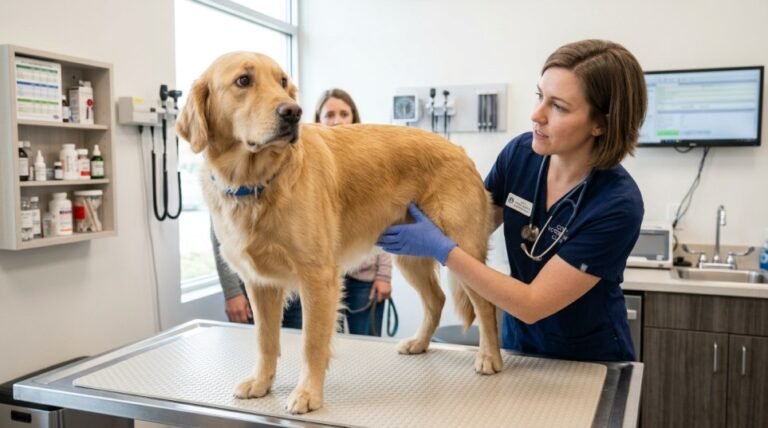
What a Vet Will Do for a Dog Wound
Understanding treatment helps owners make informed decisions.
Veterinary wound care may include:
Professional Cleaning
Thorough flushing removes contaminants that may not be visible.
Debridement
Dead tissue may be removed to encourage healthy healing.
Antibiotics
Some wounds require prescription antibiotics to control infection.
Pain Management
Pain relief improves comfort and supports recovery.
Sutures
Larger wounds may need stitches to close properly.
Bandaging
Protective dressings may help prevent contamination and trauma.
With proper treatment, most uncomplicated wounds heal successfully.
How Long Does It Take for a Dog Wound to Heal?
Healing time depends on:
- Wound size
- Depth
- Location
- Infection status
- Overall health
General timelines:
| Wound Type | Typical Healing Time |
|---|---|
| Minor scrape | 3–7 days |
| Small cut | 7–14 days |
| Moderate wound | 2–4 weeks |
| Deep wound | Several weeks or longer |
Every dog heals differently.
Frequently Asked Questions About Dog Wounds
Can I treat my dog’s wound at home?
Minor cuts and scrapes can often be treated at home with proper cleaning and monitoring. Deep or infected wounds require veterinary care.
Should I let my dog lick a wound?
No. Excessive licking introduces bacteria and often delays healing.
Can I put Neosporin on my dog’s wound?
Some veterinarians may allow certain topical products, but dogs frequently lick them off. Consult your veterinarian before applying medications.
Is a scab a good sign?
In many cases, yes. Scabs help protect healing tissue. However, excessively thick or infected scabs should be evaluated.
How do I know if a wound is infected?
Pus, odor, swelling, increasing redness, pain, or worsening appearance are common signs of infection.
Should I bandage my dog’s wound?
Some wounds benefit from bandaging, while others heal better when exposed to air. The best choice depends on the wound’s location and severity.
Can wounds heal without stitches?
Many small wounds heal naturally. Larger wounds may require sutures for optimal healing and reduced scarring.
How to Prevent Future Wounds
- Inspect your yard for hazards.
- Repair broken fencing.
- Remove sharp objects.
- Supervise rough play.
- Keep nails trimmed.
- Use a leash in unfamiliar areas.
- Address skin conditions promptly.
Prevention is always easier than treatment.
Final Word: Clean Wounds Heal Faster
When it comes to healing a dog wound fast at home, proper cleaning and infection prevention matter far more than miracle remedies. Most minor wounds heal well when they are kept clean, protected, and free from excessive licking.
However, owners should never underestimate the risk of infection. A small wound can become a serious problem if bacteria gain access to deeper tissues.
If the injury is deep, continues bleeding, develops signs of infection, or simply doesn’t seem to be improving, contact your veterinarian. Fast action and proper wound care give your dog the best chance for a smooth and speedy recovery.
Sources and References
- Merck Veterinary Manual: Wound Management in Dogs
- American Veterinary Medical Association (AVMA)
- VCA Animal Hospitals: Caring for Dog Wounds
- American Animal Hospital Association (AAHA)
- PetMD: Dog Wound Care Guide
- Veterinary Partner: First Aid for Dog Injuries
- World Small Animal Veterinary Association (WSAVA) Wound Care Recommendations
Discover More:-
- Air Dried Dog Food: A Complete Vet-Approved Guide 2026
- Dog Car Seat Covers: The Complete Guide to Protecting Your Car and Your Pet

Dr. Ubaid Ur Rehman, DVM is a qualified veterinarian with expertise in pet health, nutrition, and preventive care. He is passionate about helping pet owners make informed decisions through accurate, research-based, and practical advice. As a veterinary professional, he reviews and contributes content to ensure reliable information for dog and pet owners.