Home Remedies for Stinky Dog Breath: Easy Natural Fixes for Fresh Breath 2026
Quick Answer: If your dog’s breath suddenly smells foul, fishy, rotten, or unusually strong, the problem is often plaque and tartar buildup. Home remedies can help mild cases, but they cannot reverse advanced dental disease.
Your dog comes over for a cuddle, opens their mouth, and suddenly you’re hit with a smell that could clear a room. While occasional bad breath happens, persistent stinky dog breath is often your dog’s way of telling you that something isn’t right.
The good news? Many cases of mild dog breath can improve with simple at-home care. The bad news? Some causes of bad breath have nothing to do with what your dog ate and may signal dental disease, infection, or an underlying health problem.
This guide covers everything dog owners actually want to know: the best home remedies for stinky dog breath, common causes, foods that help, warning signs to watch for, and when it’s time to call your veterinarian.
Home Remedies for Stinky Dog Breath: The Short Answer
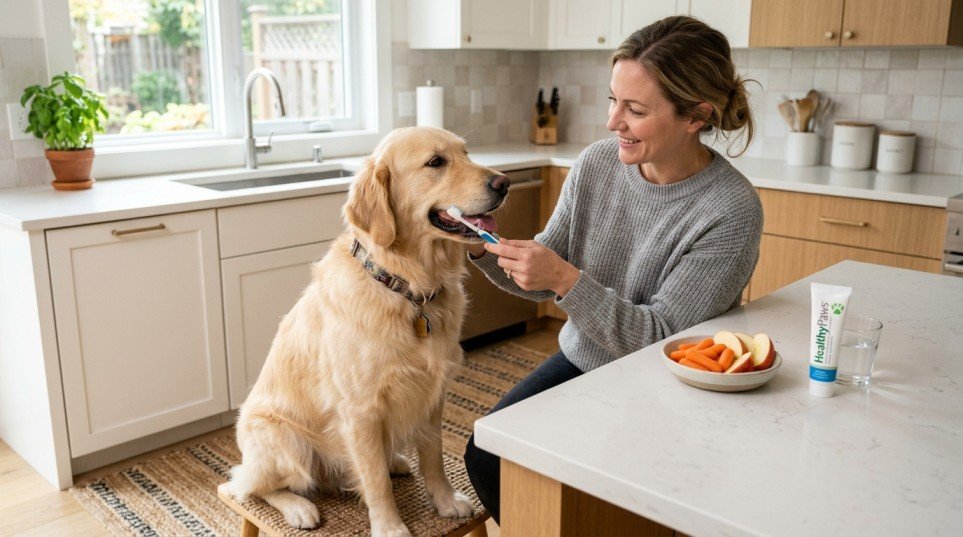
The most effective home remedies for stinky dog breath are regular tooth brushing, dental chews, fresh water, dog-safe fruits and vegetables, and improved oral hygiene habits.
The most important thing to understand is this: bad breath is usually a symptom, not the actual problem. Treating the underlying cause is what improves your dog’s breath long-term.
Why Does My Dog’s Breath Smell So Bad?
1. Dental Disease: The Most Common Cause
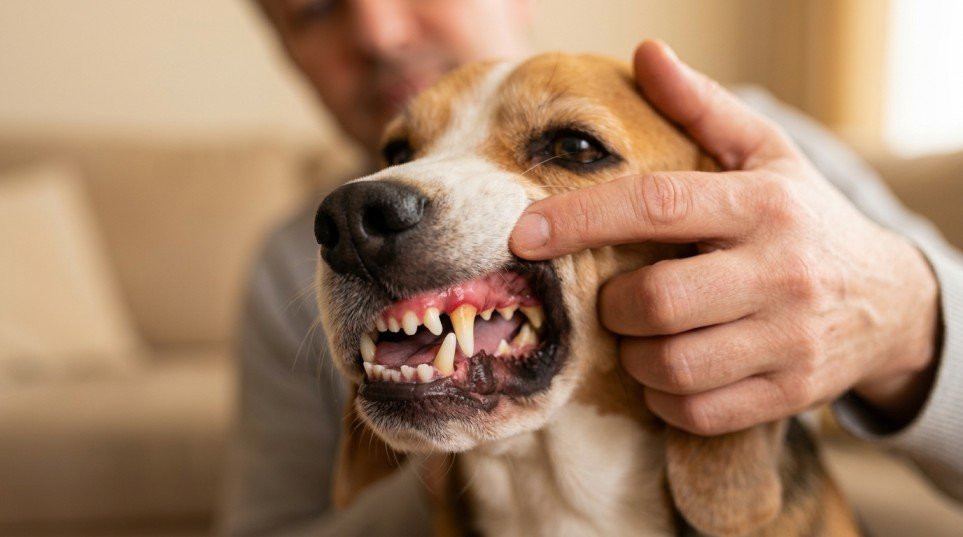
By age three, most dogs show some signs of dental disease. Food particles, bacteria, and saliva combine to form plaque on the teeth.
If plaque isn’t removed, it hardens into tartar. Bacteria then multiply around the gums, producing the unpleasant odor many owners notice.
Common signs include:
- Yellow or brown tartar buildup
- Red or swollen gums
- Bleeding gums
- Difficulty chewing
- Persistent bad breath
Dental disease is responsible for the majority of chronic bad breath cases in dogs.
2. Food Particles and Oral Bacteria
Dogs explore the world with their mouths. They eat things humans never would, including garbage, dead animals, spoiled food, and sometimes even feces.
When food debris remains trapped between teeth, bacteria begin breaking it down and producing foul-smelling sulfur compounds.
This creates the classic “dog breath” smell many owners notice.
3. Digestive Issues
Sometimes the smell isn’t coming from the mouth itself.
Digestive problems such as stomach upset, acid reflux, or gastrointestinal disorders can contribute to unpleasant breath odors.
Dogs experiencing digestive issues may also show:
- Vomiting
- Diarrhea
- Reduced appetite
- Excessive licking
- Gurgling stomach noises
4. Medical Conditions
Certain diseases can cause distinctive breath odors:
| Breath Smell | Possible Cause |
|---|---|
| Sweet or fruity | Diabetes |
| Ammonia or urine-like | Kidney disease |
| Rotten or infected smell | Dental infection |
| Metallic smell | Oral bleeding |
| Sour smell | Digestive problems |
If breath changes suddenly or becomes extremely strong, veterinary evaluation is recommended.
Best Home Remedies for Stinky Dog Breath
These remedies focus on improving oral hygiene and reducing odor-causing bacteria.
1. Brush Your Dog’s Teeth Regularly
This is the most effective home remedy available.
Daily brushing removes plaque before it turns into tartar and helps prevent bacterial growth.
Tips:
- Use dog-specific toothpaste
- Never use human toothpaste
- Start slowly with short sessions
- Reward your dog afterward
Even brushing three to four times per week can make a noticeable difference.
2. Offer Fresh Water Throughout the Day
Hydration helps wash away food particles and bacteria.
Dogs with dry mouths often develop stronger-smelling breath because bacteria thrive when saliva production is reduced.
Make sure:
- Water bowls are cleaned daily
- Fresh water is always available
- Multiple bowls are available in larger homes
A surprisingly large number of mild breath issues improve simply by improving hydration.
3. Give Dog-Safe Carrots
Raw carrots act like natural toothbrushes.
As dogs chew, the crunchy texture helps scrape away some plaque while stimulating saliva production.
Benefits include:
- Low calories
- High fiber
- Supports dental health
- Safe for most dogs
Serve in appropriately sized pieces to avoid choking.
4. Try Apple Slices
Apples contain water and fiber that can help freshen the mouth.
Remove:
- Seeds
- Core
- Stem
Only offer plain apple slices in moderation.
The natural crunch can help reduce food residue on teeth.
5. Use Dental Chews
Quality dental chews can help reduce plaque accumulation.
When dogs chew, the abrasive action helps clean tooth surfaces and massage gums.
Look for products specifically designed for dental health rather than ordinary treats.
Dental chews work best when combined with brushing, not as a replacement for it.
6. Add Parsley to Meals
Parsley is commonly used as a natural breath freshener.
Some dog owners find that small amounts mixed into food help reduce mild odor.
Benefits may include:
- Natural deodorizing properties
- Vitamins and antioxidants
- Easy addition to meals
Use only small amounts and avoid excessive supplementation.
7. Provide Dental Toys
Dental toys encourage chewing and help mechanically remove plaque.
Good options include:
- Rubber dental toys
- Textured chew toys
- Veterinary-approved dental products
Regular chewing increases saliva flow, which naturally helps control oral bacteria.
Home Remedies That Don’t Work
Many internet recommendations sound helpful but lack evidence or may even be unsafe.
Avoid Giving Human Mouthwash
Human mouthwash contains ingredients that may be harmful to dogs.
Never attempt to rinse your dog’s mouth with products designed for people.
Don’t Use Toothpaste for Humans
Human toothpaste often contains:
- Xylitol
- Fluoride
- Foaming agents
These ingredients can be dangerous for dogs.
Always use toothpaste specifically formulated for canine use.
Avoid Essential Oils
Some essential oils can be toxic to dogs.
Even products marketed as “natural” may cause irritation or poisoning if used incorrectly.
Don’t Ignore Severe Odors
No home remedy can fix:
- Advanced periodontal disease
- Tooth abscesses
- Oral tumors
- Serious infections
Strong, persistent odors require veterinary attention.
When Home Remedies May Be Enough
Home care may be appropriate if:
- Bad breath is mild
- Your dog is eating normally
- No gum bleeding is present
- No loose teeth are visible
- Energy levels remain normal
- Symptoms are recent and minor
Consistent oral hygiene often improves mild cases within a few weeks.
When to Call a Vet
Schedule a veterinary visit if your dog has:
- Extremely foul breath
- Bleeding gums
- Loose teeth
- Facial swelling
- Difficulty eating
- Excessive drooling
- Weight loss
- Mouth pain
- Sudden changes in breath odor
These signs may indicate dental disease or another medical condition requiring treatment.
Signs Your Dog May Need a Professional Dental Cleaning
Professional cleanings are often necessary when tartar has already formed.
Common indicators include:
- Thick brown tartar deposits
- Gum recession
- Chronic bad breath
- Tooth discoloration
- Inflamed gums
- Pain when chewing
Once tartar hardens, brushing alone cannot remove it.
Professional dental cleaning may be the only effective solution.
Foods That May Help Freshen Dog Breath
Certain dog-safe foods may support oral health:
Carrots
Crunchy texture helps reduce plaque buildup.
Apples
Provide moisture and fiber.
Celery
May help scrape away food debris.
Cucumber
Contains high water content and mild freshening properties.
Dental Diets
Some specially formulated diets are designed to reduce plaque accumulation.
Remember that no food replaces proper dental care.
Frequently Asked Questions About Stinky Dog Breath
Why does my dog’s breath smell like fish?
Fishy-smelling breath is often associated with dental disease, oral infection, or occasionally anal gland issues if the dog has recently groomed itself.
Can coconut oil help dog breath?
Some owners use small amounts of coconut oil during brushing. While it may temporarily freshen the mouth, it does not remove tartar or treat dental disease.
How often should I brush my dog’s teeth?
Daily brushing is ideal. Even three to four times weekly can significantly improve oral health.
Is bad breath normal in dogs?
Mild dog breath is common. Extremely foul, rotten, fishy, or unusually strong breath is not normal and should be investigated.
Can puppies get bad breath?
Yes. Teething puppies sometimes develop temporary bad breath. Persistent odor should still be evaluated if other symptoms are present.
What is the fastest way to improve dog breath?
Regular brushing, dental chews, hydration, and professional dental care when needed are the fastest and most effective solutions.
Can bad breath be a sign of disease?
Yes. Kidney disease, diabetes, oral infections, digestive disorders, and dental disease can all affect breath odor.
How to Prevent Stinky Dog Breath in the Future
- Brush teeth regularly.
- Schedule routine veterinary dental exams.
- Use dental chews approved for oral health.
- Provide fresh water daily.
- Feed a balanced diet.
- Avoid table scraps that stick to teeth.
- Inspect your dog’s mouth weekly.
- Address dental problems early.
Preventive care is far easier and less expensive than treating advanced dental disease.
Final Word: Fresh Breath Starts With Better Oral Health
The best home remedies for stinky dog breath focus on preventing plaque, reducing bacteria, and supporting overall oral health. Brushing, dental chews, fresh water, and dog-safe crunchy foods can make a noticeable difference in mild cases.
However, persistent bad breath should never be dismissed as “just dog breath.” In many dogs, it is one of the earliest signs of dental disease or another health problem.
If your dog’s breath suddenly becomes extremely foul, if you notice bleeding gums, or if bad breath continues despite home care, schedule a veterinary examination. Catching dental problems early can protect not only your dog’s teeth but their overall health as well.
Sources and References
- American Veterinary Medical Association (AVMA): Canine Dental Care
- American Animal Hospital Association (AAHA): Dental Care Guidelines for Dogs
- Merck Veterinary Manual: Periodontal Disease in Dogs
- VCA Animal Hospitals: Bad Breath in Dogs
- PetMD: Causes of Bad Breath in Dogs
- American Kennel Club (AKC): Dog Dental Health Guide
- World Small Animal Veterinary Association (WSAVA): Dental Care Recommendations
Discover More:-
- Air Dried Dog Food: A Complete Vet-Approved Guide 2026
- Dog Car Seat Covers: The Complete Guide to Protecting Your Car and Your Pet

Dr. Ubaid Ur Rehman, DVM is a qualified veterinarian with expertise in pet health, nutrition, and preventive care. He is passionate about helping pet owners make informed decisions through accurate, research-based, and practical advice. As a veterinary professional, he reviews and contributes content to ensure reliable information for dog and pet owners.