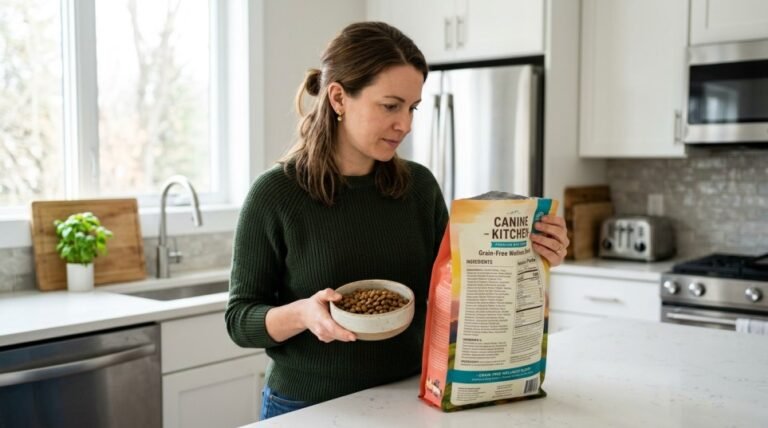
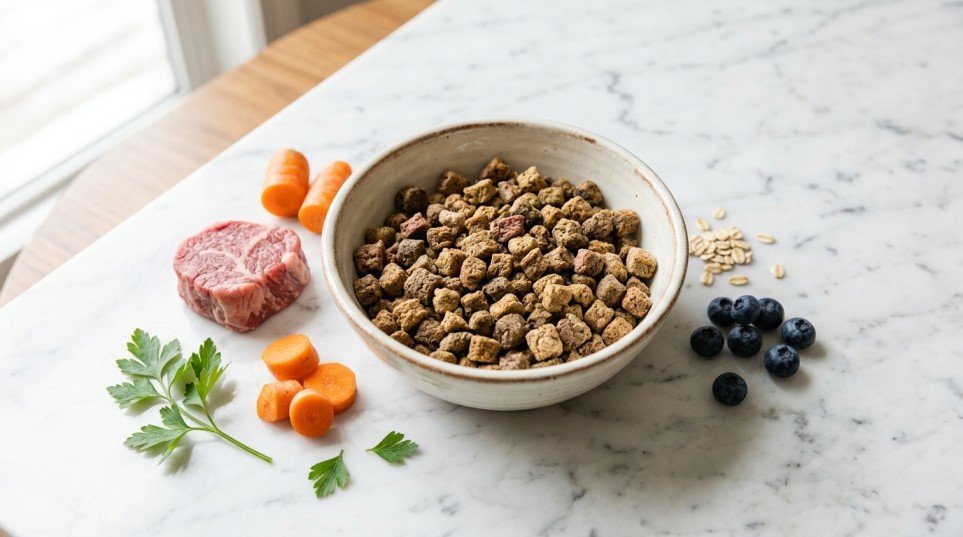
Is Air Dried Dog Food Worth It? Pros, Cons & Expert Advice 2026
Quick Answer: Air dried dog food sits between raw and kibble on the processing spectrum. It is more processed than raw food but significantly less processed than traditional kibble. Most of the enzymes, vitamins, and proteins are preserved because no high heat is used. It is a legitimate feeding option for many dogs, though it comes with a higher price tag and a few important considerations.
You have probably seen air dried dog food showing up everywhere lately. Raw-food advocates love it. Vets are cautiously warming up to it. And pet food brands are launching new lines every few months. But is it actually better for your dog, or is it expensive marketing dressed up in clean-label packaging?
This guide gives you the full picture: what air drying actually does to food, how it compares to kibble, raw, and freeze dried options, what the real nutritional benefits are, and which dogs it is actually a good fit for. No hype. No guesswork.
What Is Air Dried Dog Food? The Short Answer
Air dried dog food is made by slowly removing moisture from raw ingredients at low temperatures, typically between 35 and 70 degrees Celsius, over an extended period. The result is a shelf-stable product that retains most of the nutritional integrity of raw ingredients without requiring refrigeration.
Unlike kibble, which uses high-heat extrusion that can degrade heat-sensitive nutrients, air drying preserves the original nutritional profile of the ingredients far more effectively. Unlike raw feeding, it eliminates most of the bacterial risks associated with handling raw meat.
How Is Air Dried Dog Food Made?
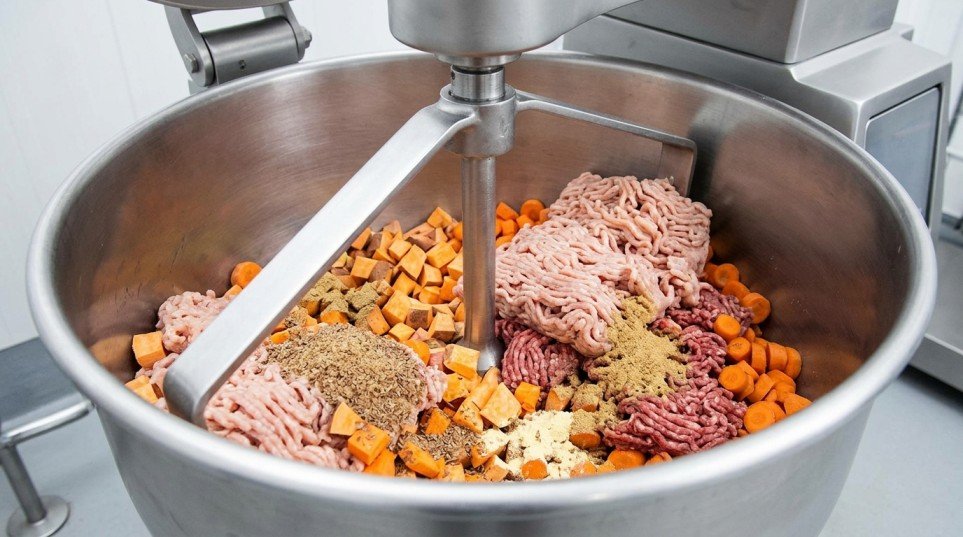
Understanding the production process helps you evaluate whether the marketing claims match reality. Here is what actually happens during air drying:
1. Ingredient Selection and Preparation
Raw meats, organs, fruits, vegetables, and supplements are sourced and prepared. Quality brands typically use human-grade or feed-grade ingredients. The proportions are formulated to meet AAFCO nutritional adequacy standards before processing begins.
2. Low-Temperature Drying
The blended ingredients are spread and passed through a drying chamber where temperature-controlled air circulates continuously. The process runs for anywhere from 12 to 24 hours depending on the batch size and moisture target. The goal is to reduce moisture content to around 14 percent or lower, which is the threshold for shelf stability.
3. No High-Heat Treatment
This is the key distinction from kibble. Extruded kibble reaches internal temperatures of 120 to 160 degrees Celsius. Air drying stays well below 70 degrees Celsius throughout. This lower temperature threshold preserves heat-sensitive vitamins, amino acids, and naturally occurring enzymes that would otherwise be destroyed.
4. Quality Testing and Packaging
Reputable brands test finished product for bacterial contamination, moisture levels, and nutritional content before packaging in airtight, moisture-resistant bags. AAFCO feeding trials or nutritional analysis must be completed for the product to make complete-and-balanced claims.
What Are the Real Nutritional Benefits of Air Dried Dog Food?
Here is where air dried food has a legitimate case to make, backed by what we know about heat and nutrient preservation:
Better Protein Quality
High-heat extrusion denatures proteins and reduces the bioavailability of certain amino acids. Air drying preserves protein structure more effectively. For dogs that need high protein bioavailability, such as working dogs, senior dogs with muscle maintenance needs, or dogs recovering from illness, this matters.
Vitamin Retention
Heat-sensitive vitamins including vitamin C, certain B vitamins, and vitamin E are substantially degraded during kibble production. Kibble manufacturers compensate by adding synthetic vitamin premixes after extrusion. Air dried food retains more of these vitamins in their natural form, which some veterinary nutritionists believe is absorbed and used more effectively by the body.
Natural Enzymes Preserved
Raw ingredients contain naturally occurring digestive enzymes that help break down food. High-heat processing destroys these enzymes entirely. Air drying preserves a significant portion of them. Whether this translates to meaningful digestive benefit in healthy dogs is still debated, but for dogs with chronic digestive issues it may make a real difference.
Lower Glycemic Load
Most kibble formulas contain 30 to 60 percent carbohydrates because starch is required for the extrusion process to hold the kibble shape. Air dried formulas typically contain far fewer carbohydrates, making them a lower-glycemic option. This is particularly relevant for dogs with diabetes, obesity, or insulin sensitivity issues.
Air Dried vs Kibble vs Raw vs Freeze Dried: Quick Reference Table
| Feature | Air Dried | Kibble | Freeze Dried |
| Processing Temp | Low (35-70 C) | Very High (120-160 C) | Extremely Low (-40 C) |
| Nutrient Retention | High | Moderate | Very High |
| Shelf Stable | Yes | Yes | Yes |
| Bacteria Risk | Very Low | Very Low | Low |
| Carbohydrate Content | Low | High (30-60%) | Low to Moderate |
| Cost Per Day | High | Low | Very High |
| Convenience | High | Very High | Moderate |
| Palatability | Very High | Moderate to High | Very High |
Is Air Dried Dog Food Safe?
For most healthy adult dogs, yes. Air dried dog food from reputable, AAFCO-compliant brands is considered safe for daily feeding. However, there are specific safety considerations worth knowing:
Bacterial Contamination Risk
This is lower than raw feeding but not zero. The low-temperature drying process reduces bacterial load significantly but does not achieve the same kill rate as high-heat processing. Dogs with compromised immune systems, puppies, senior dogs, and households with immunocompromised humans should consult a vet before feeding air dried food exclusively.
Nutritional Completeness
Not all air dried dog foods are nutritionally complete. Some are sold as toppers or supplements rather than complete meals. Always check the AAFCO nutritional adequacy statement on the label. It should read formulated to meet the nutritional levels established by the AAFCO Dog Food Nutrient Profiles or confirm that feeding trials have been conducted.
Transition Sensitivity
Switching to air dried food too quickly can cause digestive upset. Dogs accustomed to kibble have gut microbiomes adapted to that diet. A gradual transition over 7 to 14 days, mixing increasing amounts of air dried food with decreasing amounts of the old diet, significantly reduces the risk of vomiting and diarrhea.
Choking Risk in Small Dogs
Some air dried foods come in dense, hard nuggets or patties. For very small dogs or dogs that eat too fast, these can present a choking hazard. Break them into smaller pieces or rehydrate with warm water before serving.
Which Dogs Benefit Most From Air Dried Dog Food?
Air dried food is not the right choice for every dog. Here is an honest breakdown of who tends to benefit most:
- Picky eaters: Air dried food is intensely palatable due to the concentration of natural flavors during the drying process. Dogs that refuse kibble often eat air dried food readily.
- Dogs with skin or coat issues: The higher levels of natural omega fatty acids and preserved vitamins can support skin and coat health, though this should not replace a veterinary diagnosis.
- Dogs with digestive issues: Lower carbohydrate content and preserved digestive enzymes may benefit dogs with chronic loose stools, IBS-like symptoms, or food sensitivities.
- Dogs needing a raw-adjacent diet: Owners who want the benefits of raw feeding without the handling risks or freezer requirements often find air dried food a practical middle ground.
- Working or high-performance dogs: High protein bioavailability and dense caloric content support energy needs and muscle recovery.
Dogs Who May Not Be Good Candidates
- Dogs with kidney disease: High protein air dried foods may not be appropriate. A prescription diet under veterinary supervision is typically needed.
- Dogs with pancreatitis: Some air dried formulas are high in fat. Check the fat percentage carefully and consult your vet before feeding.
- Immunocompromised dogs: The residual bacterial risk, though low, warrants caution. Discuss with your vet before switching.
- Budget-constrained households: Air dried dog food costs significantly more per day than kibble. A 60 lb dog can cost 4 to 8 dollars per day to feed on air dried food versus 1 to 2 dollars on mid-range kibble.
How to Feed Air Dried Dog Food
There are three main approaches to feeding air dried food, and the right one depends on your budget, your dog’s needs, and your feeding goals:
Complete Meal Replacement
Replace your dog’s entire diet with a nutritionally complete air dried formula. Follow the feeding guidelines on the packaging based on your dog’s weight and activity level. Rehydrating with warm water is optional but improves palatability and adds moisture, which is beneficial for dogs that do not drink enough water.
Mixed Feeding or Topping
Use air dried food as a topper over kibble. This is the most cost-effective approach. A tablespoon or two of crumbled air dried food over regular kibble adds palatability, natural enzymes, and concentrated nutrients without the full cost of a complete switch. This works well for picky dogs or as a way to boost an existing diet.
Rotational Feeding
Alternate between air dried food and another food type, such as kibble or wet food, on a daily or weekly rotation. This approach diversifies the nutrient profile and gut microbiome exposure. It requires a gradual initial transition period but many dogs do very well on rotation long term.
What to Look for When Buying Air Dried Dog Food
The air dried category has exploded in the last few years, which means quality varies significantly. Here is what to evaluate before buying:
- AAFCO statement: Non-negotiable. Look for language confirming the product is complete and balanced for your dog’s life stage.
- Named protein sources: The first few ingredients should be named meats, such as chicken, beef, or lamb, not generic meat meal or animal by-products.
- Moisture content: Should be at or below 14 percent for shelf stability. Some premium products list this on the packaging.
- Transparent sourcing: Better brands disclose where their meat is sourced. Human-grade sourcing is the gold standard.
- No artificial preservatives: Air drying is the preservation method. Synthetic preservatives like BHA, BHT, or ethoxyquin should not be needed in a properly formulated product.
- Feeding trial vs. formulation: Products backed by AAFCO feeding trials provide stronger evidence of nutritional adequacy than those relying only on formulation analysis.
Frequently Asked Questions: Air Dried Dog Food
Is air dried dog food better than kibble?
It depends on your priorities and your dog’s specific needs. Air dried food preserves nutrients more effectively, contains fewer carbohydrates, and is typically more palatable. Kibble is more affordable, widely available, and has decades of safety data behind it. For most healthy dogs, a high-quality kibble is adequate. For dogs with specific health needs or digestive sensitivities, air dried food may offer meaningful advantages.
Can puppies eat air dried dog food?
Yes, but only if the product is specifically formulated for puppies or labeled as suitable for all life stages. Puppies have different calcium, phosphorus, and caloric needs than adult dogs. Never feed a product labeled for adult maintenance only to a growing puppy. Also consult your vet regarding the residual bacterial risk for puppies, whose immune systems are still developing.
How do I transition my dog to air dried food?
Transition gradually over 7 to 14 days. Start by mixing 25 percent air dried food with 75 percent current food. Increase the air dried proportion every 2 to 3 days while reducing the old food. A slow transition allows the gut microbiome to adjust and significantly reduces the risk of vomiting or diarrhea.
Does air dried dog food need to be refrigerated?
No. Air dried dog food is shelf stable and does not require refrigeration before opening. After opening, store in a cool, dry place with the bag tightly sealed or transfer to an airtight container. Use within 4 to 6 weeks of opening for optimal freshness. Some owners refrigerate after opening, which is fine but not necessary.
Is air dried dog food the same as freeze dried?
No, the two processes are different. Freeze drying uses extremely low temperatures and a vacuum to remove moisture, preserving nutrients at an even higher level than air drying. Air drying uses low heat and airflow. Both are superior to kibble for nutrient retention, but freeze dried products typically cost more and may require rehydration before feeding. Air dried food tends to have a denser texture and can often be fed directly without rehydration.
How much air dried dog food should I feed per day?
Follow the feeding guidelines on the specific product you purchase, as densities and caloric values vary significantly between brands. As a general reference, air dried food is calorie-dense, so dogs typically eat a smaller volume than kibble. Overfeeding is a common mistake made by owners accustomed to larger kibble portions. Use a kitchen scale for accuracy rather than volume-based cups.
Is air dried dog food raw?
It is raw-adjacent, not technically raw. The low-temperature drying process does alter the food compared to its fully raw state, though the changes are far less significant than those caused by high-heat extrusion. Raw food advocates consider it a processed food, while kibble advocates consider it closer to raw. Practically speaking, it sits between raw and kibble on the processing spectrum.
Why is air dried dog food so expensive?
The slower, gentler production process requires more time, more energy, and typically higher-quality ingredients compared to kibble production. Most air dried brands also source premium meats and avoid fillers like corn, wheat, and soy, which are inexpensive but nutritionally questionable ingredients that inflate kibble volume cheaply. You are essentially paying for better ingredients and a gentler process.
High-Quality Alternatives to Full Air Dried Feeding
If air dried food fits your goals but not your budget, these approaches give you similar benefits at a lower cost:
- Air dried as a topper: Sprinkle a small amount of crumbled air dried food over high-quality kibble. You get the palatability boost and concentrated nutrients without the full cost.
- High-quality wet food rotation: Premium wet foods often use lower processing temperatures than kibble and have higher moisture content, supporting hydration.
- Whole food additions: Adding small amounts of plain cooked meat, eggs, or dog-safe vegetables to kibble is a low-cost way to boost nutrient density.
- Prescription diets where needed: For dogs with diagnosed conditions, a veterinary prescription diet will always outperform any general commercial option regardless of processing method.
Pros of Air Dried Dog Food
Air-dried dog food offers several advantages for pet owners looking for a nutritious alternative to traditional kibble. Since it is gently dried at low temperatures, it retains more natural nutrients than heavily processed foods. It is also rich in protein, highly palatable, and often made with premium-quality ingredients. Additionally, its lightweight, shelf-stable nature makes it convenient for storage and travel.
Cons of Air Dried Dog Food
Despite its benefits, air-dried dog food has a few drawbacks. It is generally more expensive than regular kibble because of its high-quality ingredients and specialized production process. Some formulas are calorie-dense, so overfeeding can lead to weight gain if portions are not measured carefully. Furthermore, not every brand offers the same level of ingredient quality, making it important to compare labels and choose a reputable manufacturer.
Final Word: Is Air Dried Dog Food Worth It?
Air dried dog food delivers on most of its nutritional promises. The lower processing temperatures genuinely preserve more vitamins, proteins, and natural enzymes than kibble production allows. The lower carbohydrate content is a meaningful benefit for dogs with metabolic or digestive sensitivities. The palatability is consistently high.
What it is not is a miracle food or a necessary upgrade for every dog. A healthy adult dog on a high-quality, AAFCO-compliant kibble is doing fine. The dogs most likely to benefit from making the switch are those with chronic digestive issues, skin and coat problems, insulin sensitivity, or a history of refusing kibble.
If you are considering air dried food, start with it as a topper before committing to a full switch. Watch your dog’s digestion, coat quality, and energy levels over 4 to 6 weeks. That will give you better information than any marketing claim on a bag.
And if your dog has any diagnosed health condition, always run the diet change by your vet before making the switch. What works brilliantly for one dog may be the wrong choice for another.
Sources and References
- AAFCO Dog Food Nutrient Profiles and Feeding Trial Protocols. aafco.org
- Merck Veterinary Manual: Nutritional Requirements and Related Diseases of Small Animals. merckvetmanual.com
- National Research Council: Nutrient Requirements of Dogs and Cats (2006). nap.edu
- American College of Veterinary Nutrition: Position on Raw Diets and Minimally Processed Foods. acvn.org
- PetMD: Air Dried Dog Food Guide (Updated Jan. 2025). petmd.com
- Whole Dog Journal: Evaluating Minimally Processed Dog Foods. whole-dog-journal.com
- Journal of Animal Science: Effects of Processing on Amino Acid Bioavailability in Commercial Dog Foods. academic.oup.com
Discover More:-
- Pure Balance Dog Food Review 2026: Ingredients, Pros, Cons and Honest Verdict
- Dr Marty Dog Food Review: Is It Worth the Price? 2026

Dr. Ubaid Ur Rehman, DVM is a qualified veterinarian with expertise in pet health, nutrition, and preventive care. He is passionate about helping pet owners make informed decisions through accurate, research-based, and practical advice. As a veterinary professional, he reviews and contributes content to ensure reliable information for dog and pet owners.