Best Dog Car Seat Covers for Every Vehicle in 2026
Quick Answer: A good dog car seat cover protects your upholstery, keeps your dog from sliding around, and is easy to clean after every trip. The best option depends on your dog’s size, your car type, and whether your dog rides in the back seat or cargo area.
Your dog loves car rides. Your car seats do not love your dog. If you have ever arrived at a destination covered in fur, muddy paw prints, or the aftermath of a carsick puppy, you already know why dog car seat covers exist. But with hundreds of options online and very little honest guidance, choosing the right one is harder than it should be.
This guide covers everything dog owners actually search for: what dog car seat covers are, which type suits your car and your dog, how to tell a quality cover from a cheap one, and what to look for based on your specific situation. No fluff, no affiliate rankings dressed up as reviews.
What Are Dog Car Seat Covers? The Short Answer
Dog car seat covers are protective liners placed over your vehicle’s seats to shield the upholstery from pet hair, dirt, scratches, moisture, and odor. They come in several formats depending on whether you need to cover the back seat, the cargo area, the front seat, or the entire interior.
Dog car seat covers are not one-size-fits-all products. A hammock style cover works differently from a bench cover, and a cargo liner works differently from a door panel protector. Understanding the difference before you buy saves you money and frustration.
Why Dog Owners Need Car Seat Covers
1. Pet Hair Is Nearly Impossible to Remove Without One
Dog hair embeds itself deep into fabric upholstery and is notoriously resistant to vacuuming alone. Certain breeds, including German Shepherds, Huskies, and Golden Retrievers, shed enough in a single car ride to visibly coat an entire back seat. A seat cover gives you one washable surface to deal with instead of a permanently compromised interior.
2. Moisture and Odor Damage Upholstery Over Time
Wet dogs, muddy paws, drool, and the occasional accident create moisture buildup in car upholstery that leads to mildew and persistent odor. A waterproof dog car seat cover creates a barrier that prevents moisture from reaching the seat foam and fabric beneath.
3. Scratches and Claw Marks Are Irreversible
Dogs shift, dig, and brace themselves during rides. On leather or leatherette seats, repeated claw contact causes visible scratches that depreciate resale value. Fabric seats develop pulls and snags. A durable seat cover absorbs that contact instead of your upholstery.
4. Dog Safety in the Car
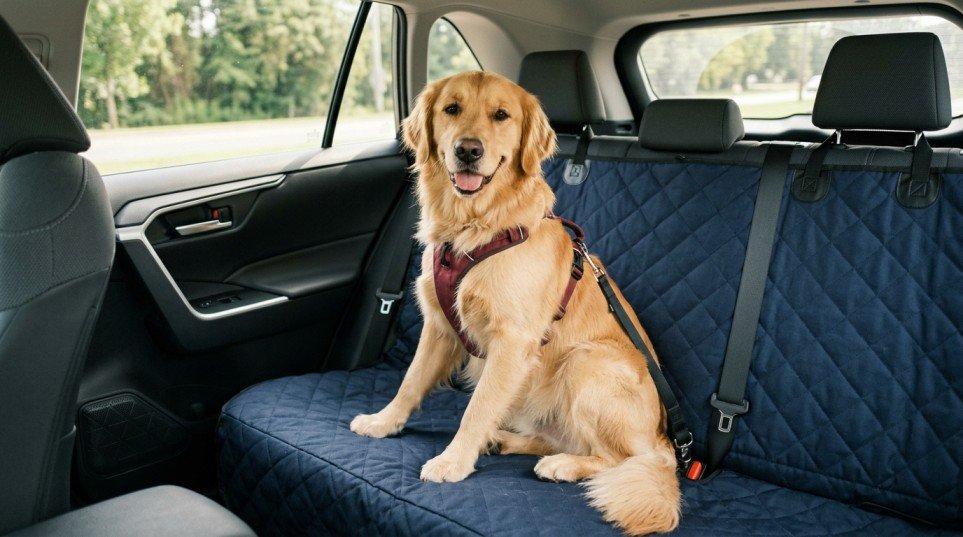
An unrestrained dog in a moving vehicle is a safety risk for both the dog and the driver. Many dog car seat covers include built-in harness attachment points, seat belt slots, or compatibility with dog safety harnesses, giving your dog a stable, restrained position during travel.
Types of Dog Car Seat Covers: Which One Do You Need?
There are five main types of dog car seat covers. The right choice depends on your dog’s size, your vehicle’s layout, and how your dog typically travels.
1. Hammock Style Dog Car Seat Cover
A hammock cover attaches to both the front headrests and the back headrests, creating a suspended platform across the back seat. It prevents the dog from falling into the footwells and creates an enclosed, semi-stable riding surface.
Best for: Medium and large dogs who ride in the back seat, dogs prone to falling off seats, owners who want to keep the footwells clean as well.
Limitation: Dogs cannot easily see out the window, and some dogs dislike the enclosed feel.
2. Bench Style Dog Car Seat Cover
A bench cover lays flat across the back seat without the hammock attachment, covering the seat surface and sometimes the back of the front seats. It is the most common and most versatile type.
Best for: Dogs of any size, owners who want seat belt compatibility, situations where the dog needs access to windows.
Limitation: Does not protect the footwells.
3. Bucket Seat Cover for Dogs
Bucket seat covers are designed for individual seats, typically the front passenger seat. They are smaller, shaped to fit contoured seats, and usually include a tether to keep the dog from jumping between the front and back.
Best for: Small dogs that prefer riding upfront, single-dog households where the dog always takes the passenger seat.
Limitation: Not suitable for large dogs or multiple dogs.
4. Cargo Liner for Dogs (SUVs and Wagons)
A cargo liner covers the rear cargo area of an SUV, station wagon, or hatchback. It typically includes raised edges to contain mess and sometimes extends up the rear door panel to protect against scratches when loading and unloading.
Best for: Large dogs, multiple dogs, or working dogs that ride in the cargo area.
Limitation: Provides no protection for the back seat.
5. Full Interior Dog Car Cover
A full interior cover combines back seat protection, door panel protection, and sometimes front seat coverage into a single system. These are more expensive but provide comprehensive protection for owners with heavily shedding or very active dogs.
Best for: Heavy shedders, dogs who like to stand up and lean against doors, owners detailing or reselling a vehicle.
Limitation: More expensive, more complex to install and remove.
Dog Car Seat Cover Types: Quick Reference Table
| Cover Type | Best For | Protects Footwells | Best Dog Size |
| Hammock | Back seat riders, small falls | Yes | Medium to Large |
| Bench / Flat | All-purpose back seat use | No | All Sizes |
| Bucket Seat | Front seat riders | Partial | Small Only |
| Cargo Liner | SUVs and hatchbacks | Cargo area only | Large or Multiple |
| Full Interior | Heavy shedders, resale prep | Yes (with add-ons) | All Sizes |
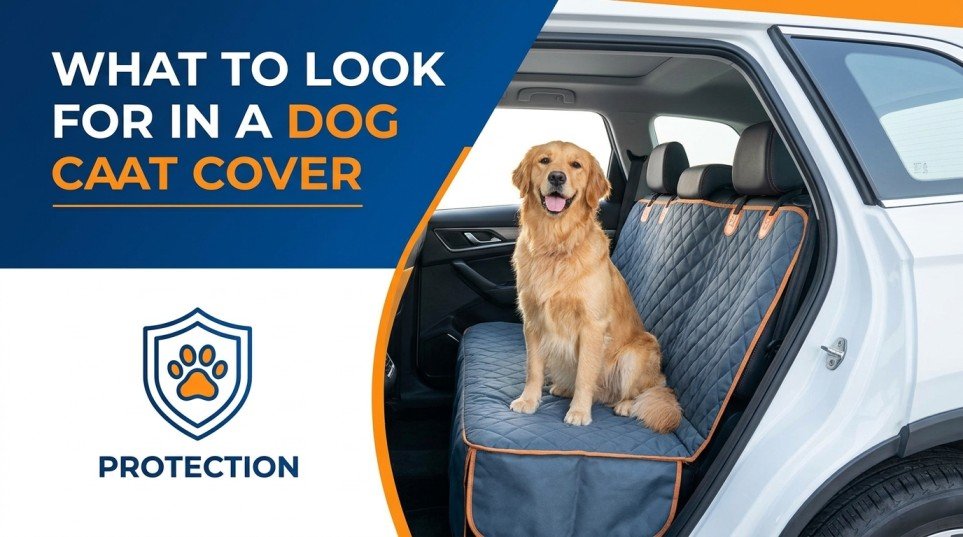
What to Look For in a Dog Car Seat Cover
Waterproofing
Not all covers marketed as waterproof are created equal. Look for covers with a TPU (thermoplastic polyurethane) inner lining rather than just water-resistant surface coating. TPU linings prevent moisture from seeping through the fabric even under sustained contact, which matters when a wet dog sits on the cover for an extended drive.
Avoid covers described only as water-resistant without a specified inner lining. These repel light splashes but do not prevent moisture from soaking through during a full journey.
Material Durability
The outer fabric of a dog car seat cover should be able to withstand repeated claw contact without pilling, tearing, or deforming. Look for these materials in descending order of durability:
- 600D Oxford polyester: Heavy-duty, abrasion-resistant, used in premium covers.
- Oxford polyester (300D or lower): More affordable, acceptable for light use or small dogs.
- Quilted polyester: Comfortable and soft but less resistant to claws and heavy use.
- Neoprene: Excellent waterproofing and durability but heavier and harder to wash.
Non-Slip Backing
A seat cover that shifts and bunches during a drive is both useless for protection and a hazard. Look for covers with a silicone dot or mesh non-slip backing that grips the seat surface. Test this by checking whether the product listing specifies a non-slip or anti-slip underside, not just straps.
Installation and Fit
Poor fit means gaps where your dog’s paws and fur find their way to the actual upholstery. Good dog car seat covers use multiple attachment points including headrest straps, seat belt buckle openings, and sometimes side door panel clips.
Check that the cover you are considering is compatible with your vehicle’s headrest style. Some vehicles have short, close-set headrests that do not accommodate standard hammock straps. If you drive a truck or a vehicle with bucket rear seats, verify fit specifically.
Washability
A dog car seat cover that is difficult to wash will not stay clean for long. Look for:
- Machine washable on cold cycle
- Able to tumble dry on low
- Does not require special detergent or air-dry only
- Does not retain odor after washing
Avoid covers with excessive padding or thick batting, which retain moisture and take too long to dry between washes.
Side Flap Coverage
Standard bench and hammock covers often leave the sides of the back seat exposed, allowing dogs to push fur and dirt into the gap between the seat and the door. Covers with side flaps or door panel protectors prevent this and are worth the small premium if your dog is active during rides.
Choosing the Right Size Dog Car Seat Cover
Most back seat covers are designed for standard car back seats, but fit varies significantly. Before buying, measure your back seat width and compare it against the product dimensions. A cover that is too narrow will not protect the gaps at the sides; a cover that is too wide will bunch and fold.
Standard back seat cover widths run from 54 to 58 inches for most sedans. SUVs and trucks typically require wider coverage. Always check the listed dimensions against your vehicle, not just the described compatibility.
For cargo liners, measure your cargo area length and width with the rear seats in their normal position and in the folded position if you use both configurations.
Dog Car Seat Covers and Pet Safety
A seat cover alone does not make your dog safe in the car. An unrestrained dog in a vehicle becomes a projectile during sudden stops. The National Highway Traffic Safety Administration does not currently mandate pet restraints in the US, but veterinary and safety organizations consistently recommend using them.
When choosing a seat cover, look for these safety-relevant features:
- Seat belt opening or slot: Allows you to thread a seat belt through the cover and use it with a dog harness or safety clip.
- Harness attachment loop: Some premium covers include a built-in tether loop that connects to a crash-tested dog harness.
- Hammock design: Reduces the risk of a dog falling forward into the footwells during hard braking.
Important: Seat covers are not crash-tested safety devices. Use a seat cover alongside a properly fitted, crash-tested dog harness for genuine protection. Do not rely on the cover itself to restrain your dog.
How to Install a Dog Car Seat Cover Correctly
Step 1: Clear the Seat and Adjust Headrests
Remove any items from the back seat and pull the headrests to their highest position before installing the cover. This makes threading the straps easier and ensures a snug fit.
Step 2: Lay the Cover Flat and Align It
Unfold the cover and lay it flat across the back seat with the non-slip backing facing down. Center it from door to door before attaching any straps.
Step 3: Attach the Headrest Straps
Loop the rear headrest straps over or around the back headrests and tighten. For hammock covers, also attach the front headrest straps before pulling the hammock taut. Do not overtighten straps on adjustable headrests, as this can affect headrest function.
Step 4: Thread the Seat Belt Slot
Most covers include a slot or cutout for the seat belt. Feed the seat belt buckle through the opening now, before your dog enters the vehicle, so it is accessible during your journey.
Step 5: Secure Side Flaps If Present
If the cover includes side flaps, tuck them into the door gap or clip them to the door panel before closing the door. This prevents the edges from riding up during the journey.
How to Clean a Dog Car Seat Cover
Regular cleaning extends the life of your seat cover and keeps your car from developing that dog smell that becomes permanent if left untreated.
After Every Trip
- Use a silicone lint roller or rubber glove to remove loose hair before it sets.
- Shake the cover out away from the car if your dog tracks in dirt or debris.
Weekly or As Needed
- Remove the cover and machine wash on cold cycle with regular detergent.
- Tumble dry on low or hang to air dry.
- Wipe down the car seat underneath with a damp microfiber cloth before reinstalling.
For Stubborn Odors
- Sprinkle baking soda on the cover and leave it for 20 to 30 minutes before washing.
- Avoid fabric softener, which can degrade waterproof coatings over time.
- For neoprene covers, hand wash or use a gentle cycle to preserve the material.
Frequently Asked Questions: Dog Car Seat Covers
Do dog car seat covers really work?
Yes, when chosen correctly. A well-fitted, waterproof cover with non-slip backing and proper attachment points will effectively protect your upholstery from pet hair, moisture, scratches, and odor. The key word is well-fitted. A cheap cover that shifts during the ride does not protect the seat and becomes a hazard.
What is the best material for a dog car seat cover?
For most owners, 600D Oxford polyester with a TPU waterproof inner lining provides the best combination of durability, waterproofing, and washability. Neoprene offers superior waterproofing but is heavier and harder to clean. Quilted covers are comfortable but less durable under active dogs with sharp claws.
Can I use a dog car seat cover with a seat belt?
Yes, and you should. Look for covers that include a seat belt slot or seat belt buckle opening so you can thread the belt through and use it alongside a dog safety harness. This lets you restrain your dog properly without removing the cover.
Are dog car seat covers safe for dogs?
A seat cover itself is safe. However, it does not restrain your dog during a collision or sudden stop. Always pair a seat cover with a crash-tested dog harness for real safety. The cover keeps your car clean; the harness keeps your dog safe.
How often should I wash a dog car seat cover?
Wash your cover every one to two weeks for dogs who ride frequently, or immediately after any trip involving mud, wet fur, or an accident. Regular washing prevents odor from becoming permanent and maintains the effectiveness of the waterproof lining.
Can a dog car seat cover be used in an SUV?
Yes, but verify the fit. Most standard covers are sized for sedan back seats. For SUVs, look for covers explicitly listed as compatible with SUVs or trucks. Cargo liners are the better option for dogs riding in the rear cargo area of an SUV.
What is the difference between a hammock and a bench seat cover?
A hammock cover attaches to both front and rear headrests, creating a suspended platform that covers the footwells as well as the seat. A bench cover lays flat across the back seat only. Hammocks offer more comprehensive coverage but feel more enclosed. Bench covers are more versatile and allow dogs to look out the window more easily.
Do dog car seat covers damage leather seats?
A quality dog car seat cover actually protects leather seats rather than damaging them. The risk is from cheap covers with rough or hard backing materials that scratch leather as they shift during the journey. Look for covers with soft non-slip backing and multiple secure attachment points to prevent movement.
Final Word: Is a Dog Car Seat Cover Worth It?
Yes, without qualification. If your dog rides in your car more than occasionally, a seat cover pays for itself in preserved upholstery value alone. The difference between a clean, odor-free car interior and one that has absorbed months of dog hair, mud, and moisture is not subtle.
The right cover for you depends on your dog’s size, your vehicle type, and how often you travel together. For most owners, a hammock or bench style waterproof cover in 600D Oxford polyester with a non-slip backing and seat belt slot will cover every situation. For SUV owners with large or multiple dogs, a cargo liner is the more practical investment.
Choose based on fit, material, and washability rather than price alone. A ten-dollar cover that shifts under your dog on the first trip is not a bargain.
Sources and References
- American Kennel Club: Keeping Your Dog Safe in the Car. akc.org
- PetMD: How to Keep Your Dog Safe During Car Rides. petmd.com
- Consumer Reports: Pet Product Reviews and Buying Guides. consumerreports.org
- National Highway Traffic Safety Administration: Pet Travel Safety. nhtsa.gov
- Chewy: Best Dog Car Seat Covers Guide (2025). chewy.com
- The Spruce Pets: Dog Car Safety Tips and Product Guides. thesprucepets.com

Dr. Ubaid Ur Rehman, DVM is a qualified veterinarian with expertise in pet health, nutrition, and preventive care. He is passionate about helping pet owners make informed decisions through accurate, research-based, and practical advice. As a veterinary professional, he reviews and contributes content to ensure reliable information for dog and pet owners.