Poisonous Foods for Dogs: What Every Pet Owner Should Avoid 2026
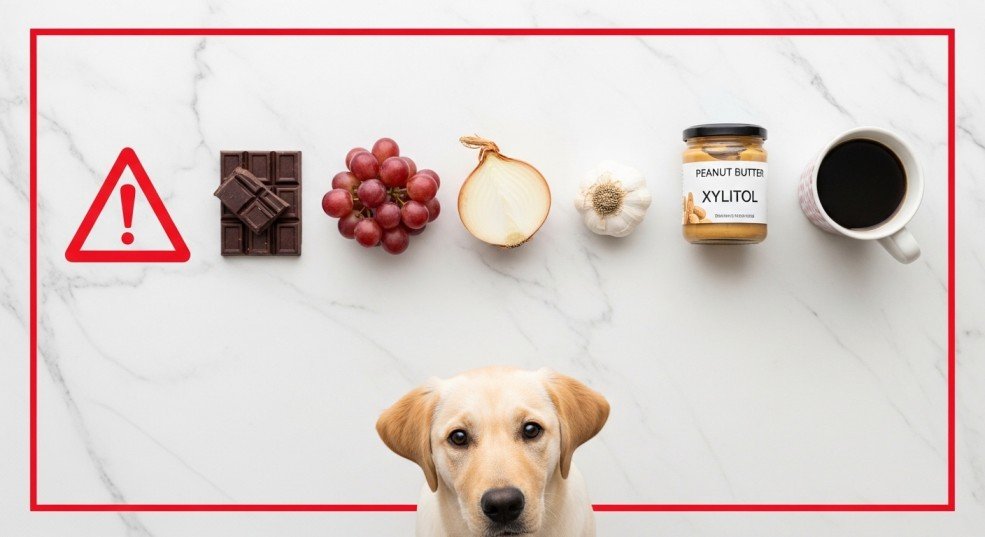
Quick Answer: The foods most likely to seriously harm or kill a dog are xylitol, grapes/raisins, onions, garlic, chocolate, macadamia nuts, alcohol, and raw yeast dough. Several others like avocado, caffeine, and certain fruit seeds fall into a high-caution category. A dog’s size, age, and existing health conditions significantly affect how dangerous any toxic food is.
You set your plate down for a second and your dog is already sniffing around it. It happens to every dog owner and most of the time, nothing serious comes of it. But some everyday foods that humans eat without a second thought can be genuinely life-threatening to dogs. This guide gives you the full, vet-backed picture of which foods are truly poisonous for dogs, why they are dangerous, and exactly what to do if your dog has already eaten something they should not have.
We cover every angle dog owners actually search for: which common kitchen foods are toxic to dogs, how much is too much, which symptoms to watch for, and when to call your vet versus when to monitor at home.
Poisonous Foods for Dogs: The Short Answer
The most dangerous foods for dogs include chocolate, xylitol (an artificial sweetener), grapes and raisins, onions and garlic, macadamia nuts, and alcohol. These are not just “bad for dogs” they can cause kidney failure, seizures, liver damage, or death even in small quantities.
Why Are Some Foods Poisonous to Dogs But Safe for Humans?
Dogs metabolize food differently than humans. Their livers lack certain enzymes needed to break down specific compounds safely. Substances that humans process without difficulty can accumulate to toxic levels in a dog’s system, or trigger chemical reactions that damage organs. The size difference also matters enormously: a grape that causes no harm to a human child can send a small dog into acute kidney failure.
The Most Poisonous Foods for Dogs: Full Breakdown
1. Xylitol The Silent Killer in Your Kitchen
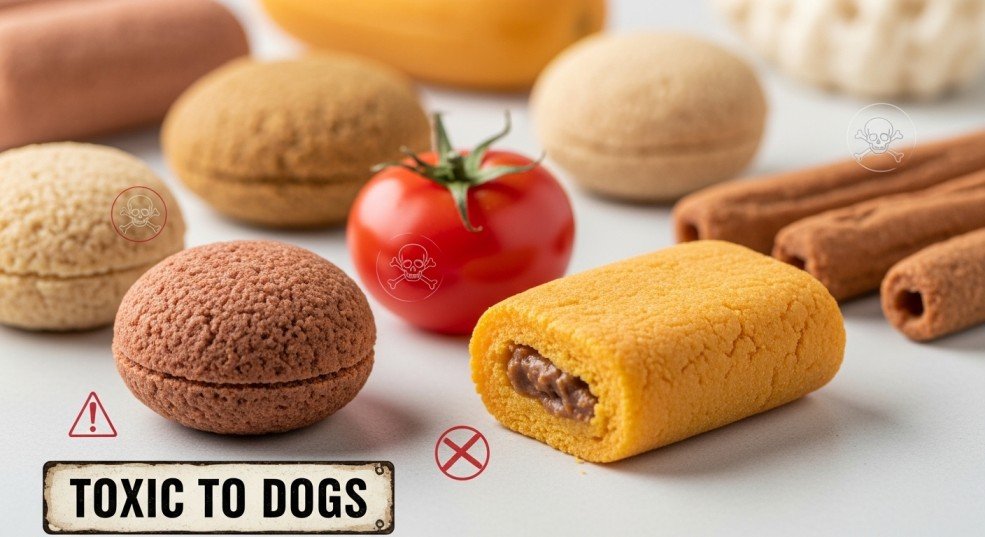
Xylitol is an artificial sweetener found in sugar-free gum, candy, some peanut butters, baked goods, toothpaste, and even certain vitamins. It is one of the most acutely toxic substances a dog can ingest.
Why it’s deadly: In dogs, xylitol triggers a massive release of insulin from the pancreas, causing a rapid and severe drop in blood sugar (hypoglycemia). It can also cause acute liver failure, even at doses that cause no hypoglycemia.
How much is dangerous: As little as 0.1 grams per kilogram of body weight can cause hypoglycemia. Liver failure has been reported at doses of 0.5 g/kg. A single piece of xylitol-sweetened gum can contain 0.3–0.4 grams of xylitol enough to be dangerous for a small dog.
Symptoms: Vomiting, weakness, loss of coordination, collapse, seizures, yellowing of the skin or eyes (jaundice, indicating liver failure).
Action: This is a veterinary emergency. If you suspect your dog ate anything containing xylitol, go to an emergency vet immediately. Do not wait for symptoms.
2. Grapes and Raisins Kidney Failure Risk
Grapes and raisins are among the most unpredictably dangerous foods for dogs. Some dogs eat a single grape and develop acute kidney failure. Others eat a handful and show no symptoms. Toxicologists have not yet identified the exact compound responsible, which makes grapes especially alarming.
Why it’s dangerous: Grapes and raisins can cause acute kidney injury in dogs. The mechanism is not fully understood, but the kidney damage can be irreversible and fatal.
How much is dangerous: There is no established safe amount. Individual sensitivity varies dramatically. Because there is no known threshold, even a single grape must be treated with caution.
Symptoms: Vomiting, diarrhea, lethargy, loss of appetite, abdominal pain, decreased urination, and kidney failure symptoms within 24–72 hours.
Action: Call your vet or ASPCA Poison Control immediately, even if your dog only ate one grape. Do not wait for symptoms to appear.
3. Onions and Garlic Slow Poisoning That Builds Up
Onions and garlic are toxic to dogs in all forms: raw, cooked, powdered, and dehydrated. Garlic is approximately five times more potent than onion by weight. Many dog owners are unaware that seasoned meats, baby food containing onion powder, and restaurant scraps can contain dangerous amounts.
Why it’s dangerous: Onions and garlic contain thiosulfate compounds that dogs cannot metabolize. These compounds damage red blood cells, causing hemolytic anemia a breakdown of the cells that carry oxygen through the body.
How much is dangerous: Toxicity occurs at approximately 0.5% of a dog’s body weight in onion. For a 20-pound dog, that is roughly 1.5 ounces of onion. Repeated small exposures such as seasoned food given daily are cumulative and can cause poisoning over time.
Symptoms: Symptoms may be delayed by several days. Watch for pale or yellowish gums, weakness, lethargy, reduced appetite, vomiting, diarrhea, and labored breathing.
Action: If your dog has eaten onion or garlic in any significant quantity, contact your vet. Because symptoms are delayed, do not assume safety based on how your dog looks right now.
4. Chocolate Well-Known but Still Frequently Responsible for Emergencies
Chocolate remains one of the most common causes of dog poisoning calls to veterinary poison control lines, despite widespread awareness. The reason it keeps happening: dogs find chocolate irresistible and owners underestimate how much they ate.
Why it’s dangerous: Chocolate contains theobromine and caffeine, both of which dogs metabolize far more slowly than humans. Theobromine affects the heart, kidneys, and central nervous system.
How much is dangerous: Dark chocolate and baking chocolate are far more dangerous than milk chocolate. As little as 1 ounce of dark chocolate per pound of body weight can be lethal. White chocolate contains very little theobromine and poses minimal toxicity risk, though the fat content is still problematic.
Symptoms: Vomiting, diarrhea, restlessness, excessive urination, muscle tremors, seizures, elevated heart rate, and in severe cases, cardiac arrhythmia.
Action: If your dog ate dark chocolate, baker’s chocolate, or a large quantity of milk chocolate, call your vet. Use a chocolate toxicity calculator to assess risk based on the type and amount consumed.
5. Macadamia Nuts Neurological Symptoms
Macadamia nuts cause a specific and distressing set of neurological symptoms in dogs. The toxin responsible has not been identified, but the effects are well-documented.
Why it’s dangerous: Even small amounts of macadamia nuts can cause weakness, hyperthermia (elevated body temperature), vomiting, tremors, and an inability to walk, particularly affecting the hind legs.
How much is dangerous: As few as 2.4 grams of macadamia nuts per kilogram of body weight can cause clinical signs. A small dog can be affected by just a few nuts.
Symptoms: Weakness (especially in the hind legs), vomiting, trembling, fever, and lethargy. Symptoms typically appear within 12 hours of ingestion.
Action: Call your vet. Macadamia nut toxicity is rarely fatal in otherwise healthy dogs but causes significant distress and requires veterinary management.
6. Alcohol Far More Dangerous Than You Think
Dogs are significantly more sensitive to alcohol than humans. Even small amounts of beer, wine, spirits, or fermented foods can cause serious toxicity.
Why it’s dangerous: Ethanol is absorbed rapidly into a dog’s bloodstream and affects the central nervous system. Because dogs are smaller and their livers process ethanol much less efficiently than a human liver does, even tiny amounts cause pronounced effects.
How much is dangerous: There is no safe amount. Even a tablespoon of spirits can cause intoxication in a small dog. Alcohol poisoning can cause low blood sugar, breathing difficulties, coma, and death.
Symptoms: Disorientation, vomiting, weakness, low body temperature, slow or labored breathing, loss of coordination, and in severe cases, coma.
Action: Veterinary emergency. If your dog ingested alcohol, seek care immediately.
7. Caffeine Coffee, Tea, Energy Drinks, and More
Caffeine affects dogs similarly to theobromine in chocolate dogs metabolize it slowly and their cardiovascular and nervous systems are highly sensitive to it.
Sources: Coffee, coffee grounds, tea, energy drinks, soda, caffeine tablets, some diet pills, and certain medications.
Symptoms: Restlessness, elevated heart rate, high blood pressure, vomiting, tremors, and in severe cases, seizures and cardiac arrhythmia.
Action: Contact your vet or poison control. Coffee grounds and caffeine tablets are particularly high-risk due to concentrated caffeine content.
8. Raw Yeast Dough An Underappreciated Danger
Raw bread dough containing yeast is dangerous for two separate reasons that make it uniquely hazardous.
Why it’s dangerous: First, the yeast continues to ferment inside the warm, moist environment of the dog’s stomach, producing ethanol (alcohol) causing alcohol poisoning from the inside. Second, the expanding dough can cause painful and potentially fatal bloat (gastric dilatation-volvulus, or GDV).
Action: Veterinary emergency. If your dog ate raw dough, do not wait for symptoms.
9. Fruit Seeds and Pits Hidden Cyanide
Apple seeds, cherry pits, peach pits, plum pits, and apricot kernels all contain amygdalin, a compound that converts to hydrogen cyanide when metabolized. While the flesh of these fruits is generally safe (or at least low-risk), the pits and seeds are not.
Symptoms of cyanide toxicity: Bright red gums, difficulty breathing, panting, shock, and collapse.
Action: If your dog chewed or crushed a fruit pit, contact your vet. A few apple seeds swallowed whole are unlikely to release enough cyanide to cause harm the risk is significantly higher if seeds are chewed.
10. Nutmeg The Spice Rack Danger
Nutmeg contains a compound called myristicin, which is toxic to dogs. While a tiny amount in a baked good is unlikely to cause serious harm, larger quantities are dangerous.
Symptoms: Disorientation, hallucinations (dogs may appear confused or agitated), elevated heart rate, high blood pressure, and seizures in severe cases.
Action: Contact your vet if your dog ate anything with significant nutmeg content.
Poisonous Foods for Dogs: Quick Reference Table
| Food | Toxic Compound | Danger Level | Action Required |
| Xylitol (sweetener) | Xylitol | CRITICAL | Emergency vet immediately |
| Grapes / Raisins | Unknown | CRITICAL | Call vet immediately |
| Onion / Garlic | Thiosulfate | HIGH | Call vet delayed symptoms |
| Dark Chocolate | Theobromine | HIGH | Call vet; use toxicity calculator |
| Macadamia Nuts | Unknown | MODERATE–HIGH | Call vet |
| Alcohol | Ethanol | HIGH | Emergency vet immediately |
| Caffeine | Caffeine | MODERATE–HIGH | Call vet or poison control |
| Raw Yeast Dough | Ethanol + bloat | HIGH | Emergency vet immediately |
| Fruit pits/seeds | Amygdalin (cyanide) | MODERATE | Call vet if chewed |
| Nutmeg | Myristicin | MODERATE | Call vet if significant amount |
| Avocado (skin/pit) | Persin | MODERATE | Monitor; vet if large amount |
| Milk Chocolate | Theobromine (low) | LOW–MODERATE | Monitor; call vet for large amounts |
Symptoms of Food Poisoning in Dogs: What to Watch For
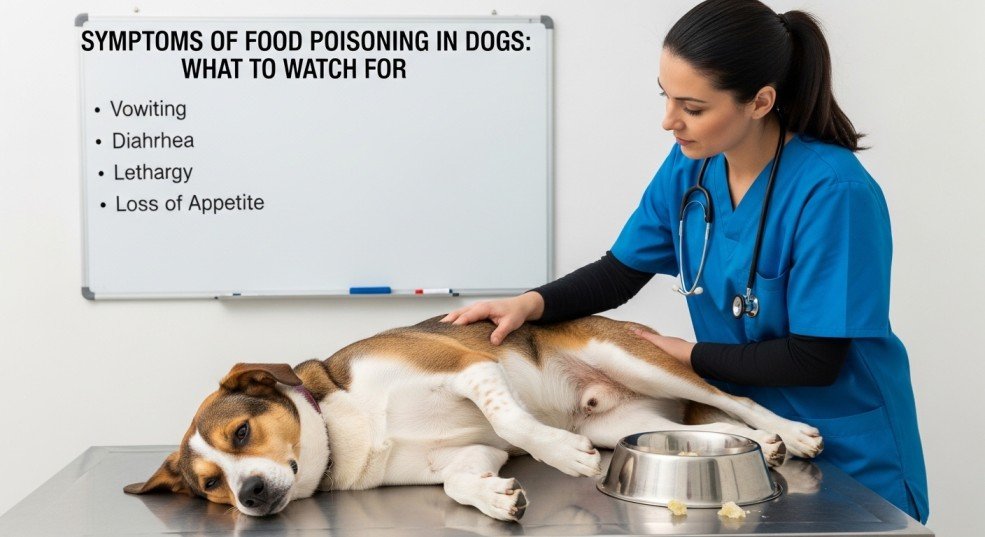
The symptoms of food toxicity in dogs depend on what was eaten, how much, and the dog’s size and health. However, the following symptoms are common warning signs that something is seriously wrong:
- Gastrointestinal signs: Vomiting, diarrhea, drooling, loss of appetite, abdominal pain or bloating.
- Neurological signs: Tremors, seizures, disorientation, loss of coordination, sudden weakness (especially in the hind legs with macadamia nuts).
- Cardiovascular signs: Rapid or irregular heartbeat, labored breathing, pale or bluish gums.
- Blood and organ signs: Pale, yellow, or white gums (anemia or liver failure), reduced or absent urination (kidney failure), jaundice.
- Behavioural signs: Sudden lethargy, confusion, unresponsiveness, collapse.
Important: Some toxic foods particularly onion, garlic, and grapes cause delayed symptoms that may not appear for 24 to 72 hours. A dog that appears fine right after eating a toxic food may still be in danger. When in doubt, call your vet.
What to Do If Your Dog Ate Something Poisonous
Step 1: Stay Calm and Identify What Was Eaten
Before you call your vet, gather this information:
- What food was eaten (exact name, brand if relevant)
- How much was eaten (estimate in grams, teaspoons, or pieces)
- When it was eaten (how many minutes or hours ago)
- Your dog’s approximate weight
- Any symptoms already present
Step 2: Do Not Induce Vomiting Unless Directed
A common mistake is to induce vomiting at home without veterinary guidance. For some toxins, vomiting is helpful. For others (such as caustic substances, or if your dog is already showing neurological symptoms), inducing vomiting can make things worse. Always call your vet or poison control before attempting to induce vomiting.
Step 3: Contact the Right Resource
Your vet: First point of contact for any suspected poisoning.
ASPCA Animal Poison Control: (888) 426-4435 available 24/7 (consultation fee may apply).
Pet Poison Helpline: (855) 764-7661 24/7 toxicology support.
If you are told to go to an emergency vet, bring the packaging of whatever your dog ate, or take a photo of it. This helps the vet identify exact ingredients quickly.
Foods Often Thought Dangerous But Not Always
Not every food that gets labeled “toxic to dogs” online is truly dangerous. Here is a quick breakdown of commonly misrepresented foods:
- Avocado flesh: Low-level persin in the flesh is unlikely to cause serious harm in small amounts for healthy adult dogs. The real dangers are the pit (obstruction) and the leaves (high persin). See our complete guide to dogs and avocado.
- Tomatoes: Ripe tomato flesh is low-risk. The green parts of the tomato plant (stems and leaves) contain solanine, which is toxic. Avoid feeding unripe tomatoes or any green parts.
- Mushrooms: Store-bought mushrooms are generally safe. Wild mushrooms are a different story many are highly toxic. If your dog eats wild mushrooms, treat it as an emergency.
- Cinnamon: Not toxic in small amounts, but large quantities of cinnamon powder can cause mouth and digestive irritation. Cinnamon essential oil is significantly more concentrated and dangerous.
- Coconut: Small amounts of fresh coconut flesh are generally safe. Coconut oil is high in fat and should be given only in small amounts. Coconut water contains high levels of potassium and should be avoided.
Safe Alternatives: What Can Dogs Eat?
If you want to share snacks with your dog, these options are generally safe and nutritious:
- Blueberries: Rich in antioxidants and vitamin C, low in fat.
- Sliced apple (no seeds or core): Good source of fibre and vitamins A and C.
- Banana: High in potassium; give in moderation due to sugar content.
- Cooked plain chicken or turkey: Excellent lean protein source. Avoid seasonings and bones.
- Cooked sweet potato: High in beta-carotene and fibre.
- Plain pumpkin (not pie filling): Supports digestion.
- Carrots: Low calorie, good for teeth, high in beta-carotene.
- Plain cooked eggs: Good protein source. Avoid raw eggs regularly due to biotin interference.
Frequently Asked Questions: Poisonous Foods for Dogs
What is the most poisonous food for dogs?
Xylitol is widely considered the most acutely toxic food substance for dogs, capable of causing fatal liver failure and hypoglycemia at very small doses. Grapes and raisins are similarly dangerous due to unpredictable individual sensitivity and the risk of acute kidney failure.
Can a small amount of toxic food kill a dog?
Yes, for certain substances. A single piece of xylitol-sweetened gum can be enough to cause dangerous hypoglycemia in a small dog. Even one grape can trigger kidney failure in susceptible individuals. Size matters significantly amounts that pose low risk for a large dog can be lethal for a small one.
How quickly do symptoms of food poisoning appear in dogs?
It depends on the substance. Xylitol causes symptoms within 30 minutes to an hour. Chocolate symptoms typically appear within 6 to 12 hours. Onion and garlic toxicity symptoms may not appear for 24 to 72 hours. Grape and raisin kidney failure can take up to 72 hours to manifest. This delay is why “my dog seems fine” is not a reliable indicator of safety.
Should I make my dog vomit if they ate something toxic?
Only if directed by a vet or poison control professional. Inducing vomiting is helpful for some toxins if done within 1 to 2 hours of ingestion, but it is dangerous in other situations such as when the dog has already shown neurological symptoms, or if the substance was a caustic material. Always call before acting.
What foods are toxic to dogs but not cats?
Dogs and cats share many food sensitivities, but there are differences. Onion and garlic are toxic to both. Dogs tend to be more sensitive to xylitol than cats. Cats have additional sensitivities to certain essential oils and plant compounds. If you have a multi-pet household, consult your vet for species-specific guidance.
Is chocolate always toxic to dogs?
The level of danger depends on the type and amount. Dark chocolate and baker’s chocolate are far more dangerous than milk chocolate, which in turn is more dangerous than white chocolate. A small dog eating a large quantity of dark chocolate is a veterinary emergency. A large dog eating a small piece of milk chocolate may only experience digestive upset. Use a vet-approved chocolate toxicity calculator to assess the specific risk.
Final Word: Prevention Is the Best Treatment
The most effective way to protect your dog from food toxicity is prevention: know which foods are dangerous, keep them secured and out of reach, and make sure everyone in your household is aware including children, guests, and anyone who gives your dog scraps.
If something does go wrong, the single most important thing you can do is act quickly. Call your vet or an animal poison control line before symptoms develop. Many toxic exposures are treatable if caught early and become life-threatening if left too long.
When in doubt, do not feed it to your dog. The range of safe, nutritious treats available is wide enough that there is no need to take chances with foods in the high-risk category.
Sources & References
American Kennel Club: Dangerous Foods for Dogs. akc.org
Pet Poison Helpline: Top 10 Pet Toxins. petpoisonhelpline.com
VCA Hospitals: Food Toxicosis in Dogs. vcahospitals.com
Veterinary Partner: Xylitol Toxicosis. veterinarypartner.vin.com
Discover More:-
- Can Dogs Eat Shrimp? Benefits, Side Effects & Feeding Tips 2026
- Can Dogs Eat Apples? Vet-Backed Guide to Safe Serving (2026)

Dr. Ubaid Ur Rehman, DVM is a qualified veterinarian with expertise in pet health, nutrition, and preventive care. He is passionate about helping pet owners make informed decisions through accurate, research-based, and practical advice. As a veterinary professional, he reviews and contributes content to ensure reliable information for dog and pet owners.