Can Dogs Eat Mushrooms? Safe, Toxic Types & Vet-Approved Guide
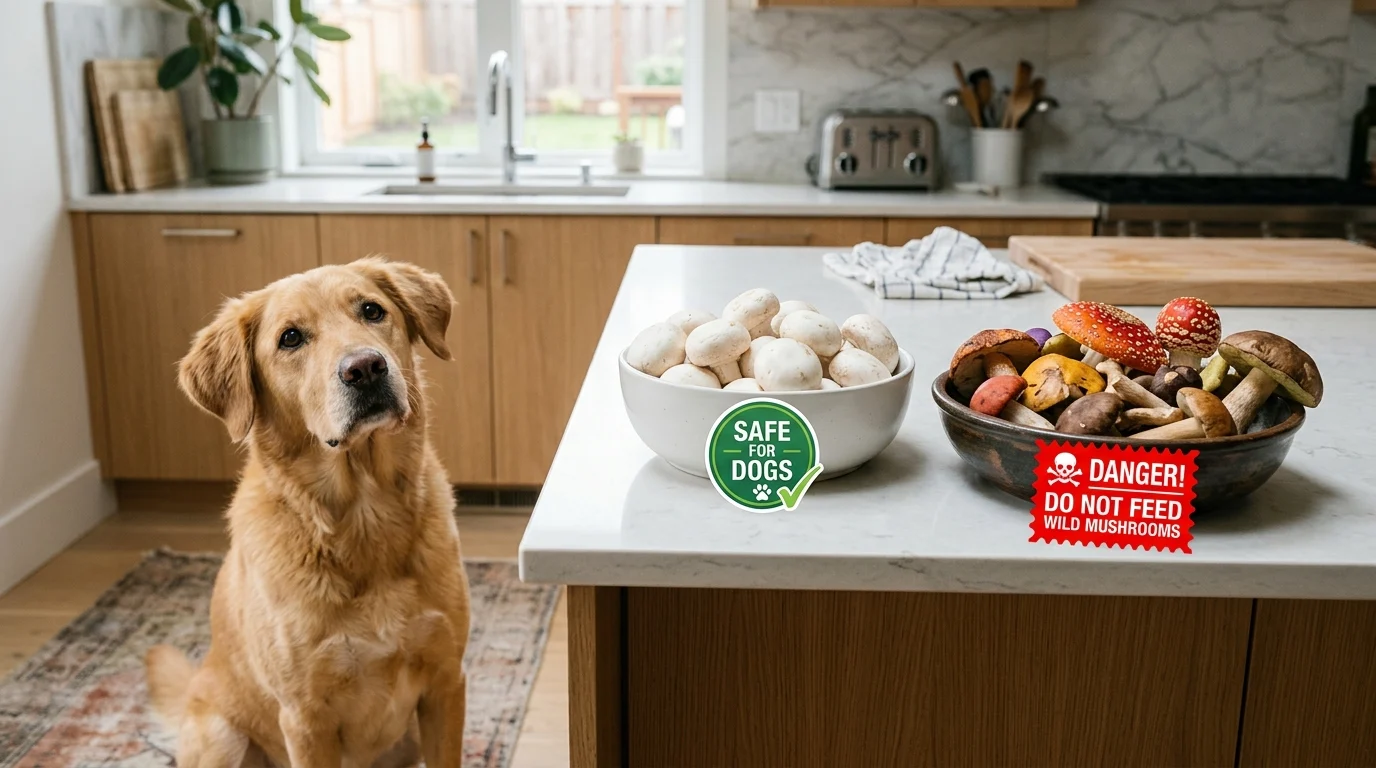
Quick Ans: Yes and no. Plain, store-bought mushrooms like white button or portobello are safe for dogs in small amounts when served raw or cooked without seasonings. However, wild mushrooms are extremely dangerous and can cause severe illness or death. Never let your dog eat mushrooms found outdoors unless you are 100% certain of the species.
Key Takeaways
- Store-bought is safe – Common grocery mushrooms (white button, cremini, portobello, shiitake) are fine plain and unseasoned.
- Wild mushrooms are deadly – Toxic species like death caps contain amatoxins that cause liver failure. Just two mushrooms can kill an adult dog.
- Call your vet immediately – If your dog eats a wild mushroom, don’t wait for symptoms. Contact your vet or ASPCA Poison Control at (888) 426-4435.
Mushrooms are everywhere during warm, wet weather, and your dog’s nose will find them before you do. Some mushrooms are perfectly safe to share, while others rank among the most deadly toxins your dog can encounter. The problem is that even experts struggle to tell them apart. Here’s exactly how to keep your dog safe.
Are Mushrooms Good for Dogs?
Store-bought mushrooms like white button, cremini, portobello, shiitake, and maitake offer some nutritional benefits. They are low in fat, contain no cholesterol, and provide small amounts of B vitamins, vitamin D, minerals, and antioxidants. Some compounds in mushrooms, including beta-glucan, may support gut health and immune function.
However, your dog already gets all essential nutrients from a high-quality commercial diet. Mushrooms should be considered an occasional treat, not a nutritional supplement. They add crunch and variety without meaningful health benefits that your dog doesn’t already receive from regular food.
What Makes Mushrooms Risky for Dogs?
1. Wild Mushrooms – The Deadly Unknown
The most serious risk comes from wild mushrooms. The ASPCA Animal Poison Control Center receives thousands of mushroom-related calls each year, with over 4,500 involving dogs. While only about 3% of all mushroom species are poisonous, identifying which ones are safe requires expert knowledge. The death cap mushroom (Amanita phalloides) is particularly dangerous, containing amatoxins that cause severe liver necrosis. Ingestion of just two death cap mushrooms can be lethal to an adult dog.
2. Toxic Mushroom Categories and Symptoms
Different poisonous mushrooms produce different toxins and clinical signs:
- Hepatotoxic mushrooms (death caps, death angels, Galerina) – Contain amatoxins that cause liver failure. Signs appear 6 to 24 hours after ingestion and include vomiting, bloody diarrhea, and abdominal pain. A false recovery period of 12 to 24 hours follows, then rapid liver failure sets in. Prognosis is poor once organ damage develops.
- Neurotoxic mushrooms – Include psilocybin (“magic”) mushrooms, isoxazoles (fly agaric), and hydrazines (false morels). Signs appear within 30 minutes to 6 hours and include ataxia, disorientation, tremors, seizures, hallucinations, vocalization, and alternating lethargy with agitation.
- Muscarinic mushrooms (Inocybe and Clitocybe species) – Cause SLUDGE signs: salivation, lacrimation, urination, defecation, gastrointestinal upset, and emesis. Symptoms appear within 2 hours and may include bradycardia and bronchial secretions.
- Gastrointestinal irritant mushrooms – A large group that causes vomiting and diarrhea, typically self-limiting and not life-threatening.
3. Seasonings and Toxic Additives
Mushrooms prepared for human meals often contain garlic, onions, butter, salt, or rich sauces. Garlic and onion are toxic to dogs and can damage red blood cells. Butter and oils add unnecessary fat that can trigger pancreatitis. Even safe mushrooms become dangerous when cooked with these ingredients.
4. Store-Bought Mushrooms Are Safe, But Watch Preparation
While grocery mushrooms are safe, they must be served plain. Canned or dried mushrooms can contain high levels of salt and preservatives that are harmful to dogs. Cooked mushrooms in stir-fries or soups often include seasonings that make them unsafe.
Mushroom Safety Comparison Table
How Much Mushrooms Can Dogs Eat?
Store-bought mushrooms should follow the 10% treat rule – all treats combined should not exceed 10% of your dog’s daily calories.
Portion guidelines for plain, raw or cooked store-bought mushrooms:
Start with a tiny piece to check for digestive tolerance. Even safe mushrooms can cause stomach upset if fed in large amounts.
What to Do If My Dog Ate a Wild Mushroom
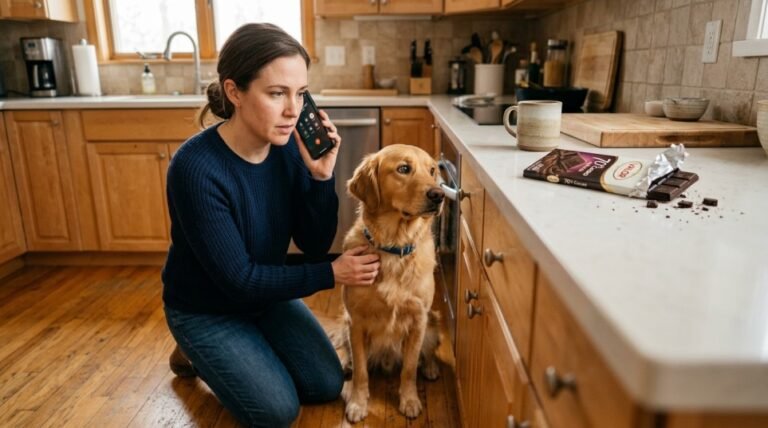
If your dog eats a wild mushroom, act immediately. Waiting for symptoms can be dangerous because some toxins cause irreversible organ damage before signs appear.
Step 1: Identify the mushroom if possible
- Take a photo of the mushroom in its natural habitat.
- If you have the mushroom, wrap it in a paper towel and place it in a paper bag (not plastic).
- Contact a mycologist through the North American Mycological Association for identification help.
Watch for emergency symptoms
- Vomiting, diarrhea, or drooling
- Abdominal pain, weakness, lethargy
- Staggering gait, disorientation, seizures
- Yellowing of skin or eyes
Call for help immediately
- Your veterinarian – for personalized advice.
- ASPCA Animal Poison Control: (888) 426-4435 (fee may apply)
- Pet Poison Helpline: (855) 764-7661 (fee may apply)
Do not induce vomiting unless directed by a professional. Many poisonous mushrooms can cause severe damage if brought back up. Seek veterinary care without delay.
A Norwegian study of 421 mushroom ingestions found a 98.6% survival rate when treatment was prompt and mushrooms were identified quickly. However, fatalities occurred from Amanita muscaria, Amanita virosa, and Cortinarius rubellus ingestions.
Can Puppies Eat Mushrooms?
Avoid feeding mushrooms to puppies. Their digestive systems are still developing, and unfamiliar foods can easily cause vomiting or diarrhea. The Norwegian study found that 72.4% of mushroom ingestions involved juvenile dogs, indicating that younger dogs are more curious and at higher risk. Wait until your dog is fully grown before offering store-bought mushrooms, and always start with the smallest possible portion.
Safe Alternatives to Mushrooms
If you want to offer your dog a healthy, low-risk snack, these options are excellent choices:
- Carrot sticks – Low-calorie, crunchy, and good for dental health.
- Green beans – High in fiber and low in calories.
- Apple slices (no seeds) – Sweet and satisfying.
- Plain cooked pumpkin – Excellent for digestion.
- Frozen peas – A cool, easy-to-digest treat.
Frequently Asked Questions
Can dogs eat store-bought mushrooms?
Yes, plain store-bought mushrooms like white button, cremini, portobello, and shiitake are safe when served raw or cooked without seasonings, butter, or oil.
Can dogs eat wild mushrooms?
No. Wild mushrooms should be avoided entirely. Many toxic species look similar to safe ones, and even experts struggle to identify them correctly. Some wild mushrooms can be deadly.
Are mushrooms toxic to dogs?
Some are, some aren’t. Store-bought mushrooms for human consumption are safe. However, many wild species contain toxins that cause liver failure, seizures, or death.
Can dogs eat cooked mushrooms?
Yes, as long as they are cooked plain without garlic, onions, salt, butter, or sauces. Cooking does not make poisonous mushrooms safe.
Can dogs eat raw mushrooms?
Yes, raw store-bought mushrooms are safe in moderation. Raw mushrooms are often better than cooked ones that may have seasonings or butter.
What happens if a dog eats a toxic mushroom?
Symptoms vary by mushroom type but can include vomiting, diarrhea, weakness, staggering, seizures, jaundice, liver failure, and death. If your dog eats a wild mushroom, call your vet or poison control immediately.
Can dogs eat mushrooms with garlic or onions?
No. Garlic and onions are toxic to dogs and can cause anemia. Even small amounts of seasoning can be harmful.
Can dogs eat dried mushrooms?
It’s not recommended. Dried mushrooms often contain preservatives and additives that can cause allergic reactions or stomach upset.
Final Word
Can dogs eat mushrooms? The answer depends entirely on the source. Store-bought mushrooms are safe when served plain and in small portions. Wild mushrooms are a serious danger and should never be offered to your dog. The risk of poisoning is simply too great – some species cause irreversible liver failure within hours. If your dog eats any wild mushroom, call your vet or the ASPCA Animal Poison Control Center immediately. Don’t wait for symptoms. When it comes to mushrooms, it’s always better to be safe than sorry.
Reviewed & Recommended by Dr. Ubaidur Rahman, DVM
Veterinary Review: Dr. Ubaidur Rahman, DVM, reviewed this guide for veterinary accuracy, mushroom safety, and the potential risks of feeding mushrooms to dogs.
Dr. Ubaidur Rahman’s Recommendation: Store-bought mushrooms such as plain white or cremini mushrooms are generally safe for dogs when cooked and served in small amounts without butter, garlic, onions, or heavy seasoning. However, dogs should never be allowed to eat wild mushrooms, because some species can be highly poisonous and difficult to identify safely.
Sources & References
- YuMOVE. “Can Dogs Eat Mushrooms? Benefits & Advice.”
- Clinician’s Brief. “Mushroom Toxicosis in Dogs.” (Dr. Justine A. Lee, DACVECC, DABT)
- ASPCA. “The Fungus Among Us: Mushroom Toxicosis.”
- VEG ER for Pets. “Can Dogs Eat Mushrooms?” (Dr. Shalsee Vigeant)
- Dogster. “Can Dogs Eat Mushrooms? Vet-Reviewed Safety & Health Facts.” (Dr. Chyrle Bonk, DVM)
- ScienceDirect. “Amanita phalloides (Death Cap Mushroom) Toxicity.”
- ASPCApro. “Mushroom Poisoning in Dogs.”
- Purina UK. “Can Dogs Eat Mushrooms?”
- ManyPets. “Can dogs or cats eat mushrooms?”
- Seljetun, K.O. & Kragstad, H.R. “A retrospective evaluation of mushroom ingestions in 421 dogs in Norway (2011–2022).” BVA Journals.
- ASPCA. “ASPCA Sees Increase in Calls Related to Hallucinogenic Mushroom Consumption.” (2025)
- Taste of the Wild. “Can Dogs Eat Mushrooms?”

Dr. Ubaid Ur Rehman, DVM is a qualified veterinarian with expertise in pet health, nutrition, and preventive care. He is passionate about helping pet owners make informed decisions through accurate, research-based, and practical advice. As a veterinary professional, he reviews and contributes content to ensure reliable information for dog and pet owners.