Dog Bloated Stomach Home Remedy: 9 Safe Ways to Help Fast
Quick Answer: Mild gas-related bloating in dogs can sometimes be managed at home with walking, gentle massage, dietary adjustments, and over-the-counter simethicone. However, a condition called Gastric Dilatation-Volvulus (GDV) is a life-threatening emergency that looks similar but requires immediate surgical intervention. If your dog’s abdomen is hard and distended, they are retching without vomiting, drooling excessively, or collapsing, go to an emergency vet right now. Do not attempt home remedies.
Your dog’s stomach looks puffy, they seem uncomfortable, and they keep pacing or trying to vomit without success. Before you reach for a home remedy, you need to know one critical fact: not all dog bloat is the same, and the wrong response could cost your dog their life.
This guide covers every angle dog owners actually search for: what causes a bloated stomach in dogs, which home remedies genuinely help for mild cases, what signs tell you it is a veterinary emergency, and exactly what to do depending on what you are seeing right now.
What Is a Bloated Stomach in Dogs?
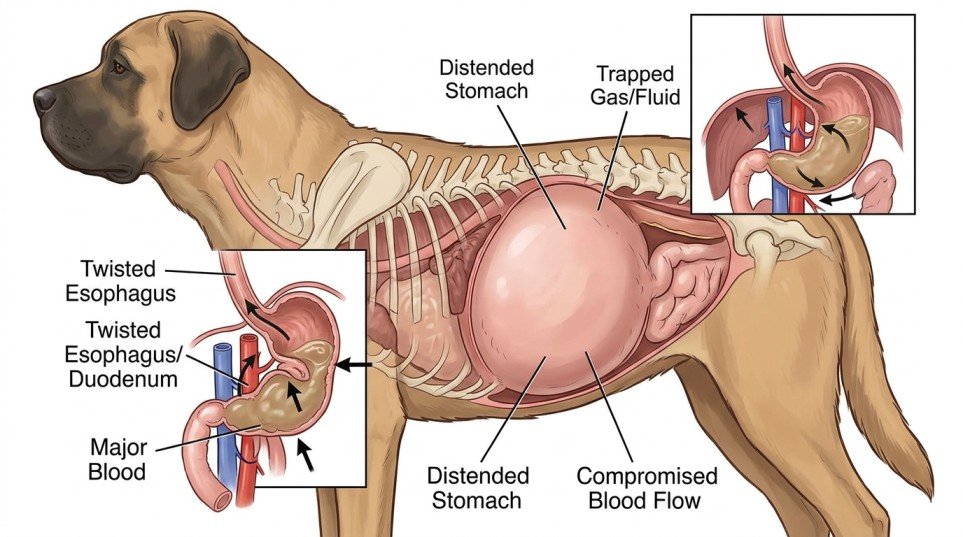
Bloating in dogs refers to any abnormal accumulation of gas, fluid, or food in the stomach that causes it to expand. There are two very different types, and the distinction matters enormously.
1. Simple Gastric Dilatation (Gas Bloat)
This is the less dangerous form. The stomach fills with gas and expands, causing discomfort. In many cases, the dog can pass the gas naturally or with minor assistance. This is the type where home remedies may play a role.
2. Gastric Dilatation-Volvulus (GDV)
This is the life-threatening form. The stomach fills with gas AND rotates on its axis, trapping the gas inside and cutting off blood supply to the stomach wall and spleen. GDV can kill a dog within hours. It is a surgical emergency and home remedies are completely inappropriate as a response.
Important: The Merck Veterinary Manual classifies GDV as one of the most serious emergencies in small animal medicine. Mortality rates even with prompt treatment range from 15 to 33 percent. Without treatment, survival is unlikely.
What Causes a Bloated Stomach in Dogs?
Understanding the cause helps you choose the right response. Common causes of stomach bloating in dogs include:
- Eating too fast: Gulping food swallows large amounts of air into the stomach.
- Eating one large meal per day: Large single meals increase stomach distension and GDV risk.
- Exercise immediately after eating: Physical activity shortly after meals significantly increases GDV risk in large and deep-chested breeds.
- Gas-producing foods: Beans, peas, dairy, soy, and cruciferous vegetables can cause excess gas buildup.
- Low-quality diet: Diets high in fermentable carbohydrates contribute to gas production.
- Stress and anxiety: Nervous dogs may swallow air, especially around feeding time.
- Intestinal parasites: Worms and other parasites can cause gas and abdominal distension, especially in puppies.
- Underlying health conditions: Inflammatory bowel disease, food intolerances, and organ problems can all cause recurring bloat.
How to Tell the Difference Between Emergency Bloat and Gas Bloat
This is the most important section of this guide. Read it carefully before attempting any home remedy.
| Sign or Symptom | Gas Bloat (May Be Manageable at Home) | GDV (Go to Emergency Vet NOW) |
| Abdomen appearance | Slightly puffy, soft to touch | Hard, drum-like, visibly distended |
| Retching or vomiting | May vomit and feel relief | Retching repeatedly with nothing coming up |
| Drooling | Normal or slightly increased | Excessive, uncontrolled drooling |
| Behavior | Restless, slightly uncomfortable | Pacing, unable to settle, panicked |
| Response to passing gas | Bloating reduces after passing gas | No relief after passing gas or burping |
| Gum color | Normal pink | Pale, white, or blue-tinged gums |
| Collapse or weakness | Absent | May collapse or show weakness in hindquarters |
| Time of onset | Gradual over a few hours | Rapid onset, worsens within 30 to 60 minutes |
If you are unsure which type your dog is experiencing, treat it as a GDV emergency. A vet visit for gas bloat is far less costly than a fatal delay in GDV treatment.
Dog Bloated Stomach Home Remedies (For Mild Gas Bloat Only)
The following approaches are appropriate ONLY for mild, gas-type bloating where your dog is alert, comfortable, and not showing any of the GDV warning signs listed above. If your dog’s condition worsens at any point, stop home treatment and go to the vet.
1. Take Your Dog for a Walk
Gentle movement is one of the most effective ways to help a dog pass trapped gas. A calm 15 to 20 minute walk at a relaxed pace encourages intestinal motility and helps the digestive system move gas along naturally. Avoid vigorous activity, running, or play, which can increase abdominal pressure.
2. Gentle Abdominal Massage
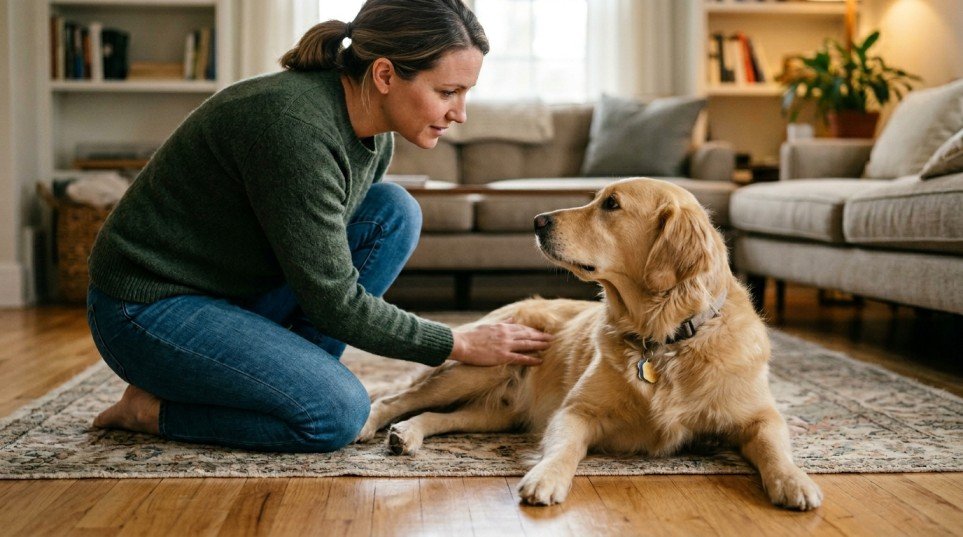
With your dog standing or lying on their side, use the flat of your hand to apply light, circular pressure to the abdomen. Move in the direction of digestion, from right to left across the belly. This can help stimulate the movement of gas through the intestines. Stop immediately if your dog shows any sign of pain or distress.
3. Simethicone
Simethicone is the active ingredient in human gas relief products such as Gas-X. It works by breaking up gas bubbles in the stomach, making them easier to pass. It is considered safe for dogs in appropriate doses.
Dosing guideline (consult your vet before use):
- Small dogs under 20 lbs: 20 mg
- Medium dogs 20 to 50 lbs: 40 mg
- Large dogs over 50 lbs: 80 mg
Note: Simethicone addresses gas discomfort but does nothing for GDV. If symptoms do not improve within 30 minutes of giving simethicone, seek veterinary care.
4. Withhold Food Temporarily
If your dog has just eaten and appears gassy and uncomfortable, withhold their next meal for 6 to 8 hours to give the digestive system time to settle. Make sure fresh water remains available. Do not withhold water, and do not fast your dog for longer than 12 hours without veterinary guidance.
5. Offer Small Amounts of Water
Dehydration can slow digestion and worsen gas buildup. If your dog is alert and not vomiting, offering small, frequent sips of water can help support normal digestive function. Avoid letting your dog drink large amounts all at once, which can worsen stomach distension.
6. Plain Canned Pumpkin (Not Pie Filling)
Plain pumpkin puree, not the spiced pie filling variety, contains soluble fiber that supports healthy digestion and can help regulate gut motility. A small amount added to your dog’s next meal after the bloating resolves can help restore digestive balance.
- Small dogs: 1 teaspoon
- Medium dogs: 1 to 2 teaspoons
- Large dogs: 1 tablespoon
7. Plain Low-Fat Yogurt or Probiotic Supplement
If your dog tolerates dairy, a small amount of plain, unsweetened yogurt with live active cultures can help rebalance gut bacteria after a bout of gas. Alternatively, a veterinary probiotic supplement designed for dogs may help reduce recurring gas and bloating over time.
8. Activated Charcoal (With Vet Guidance Only)
Activated charcoal can absorb intestinal gas in some cases, but it should only be given under veterinary guidance. Incorrect use can cause dangerous electrolyte imbalances or interfere with medications. Do not administer this without speaking to your vet first.
What NOT to Do When Your Dog Has a Bloated Stomach
These are common mistakes that can make the situation worse or mask emergency symptoms:
- Do not give antacids containing calcium carbonate such as Tums or Rolaids. These can temporarily relieve discomfort but mask worsening GDV symptoms.
- Do not give any NSAID pain relievers such as ibuprofen or aspirin. These are toxic to dogs and can cause gastrointestinal bleeding.
- Do not force your dog to lie down or stay still if they want to move. Natural movement can help gas pass.
- Do not delay the vet visit if symptoms are worsening, especially retching without vomiting, gum color changes, or collapse.
- Do not feed your dog a full meal until the bloating has fully resolved.
Breeds Most at Risk for Bloat and GDV
While any dog can develop a bloated stomach, certain breeds are significantly more predisposed to GDV due to their deep, narrow chest conformation. Owners of these breeds should be especially vigilant.
| Breed | Risk Level | Notes |
| Great Dane | Very High | Highest documented GDV incidence of any breed |
| German Shepherd | High | Deep chest, anxious temperament increases risk |
| Standard Poodle | High | Deep-chested, often food-motivated and fast eaters |
| Weimaraner | High | Deep chest, known GDV predisposition |
| Irish Setter | High | Long torso and deep chest increase susceptibility |
| Doberman Pinscher | High | Deep chest, large meals increase risk |
| Rottweiler | Moderate-High | Large, deep-chested breed |
| Labrador Retriever | Moderate | Tendency to eat quickly increases gas swallowing |
| Basset Hound | Moderate | Low-slung body with relatively deep chest |
| Small breeds | Low | GDV rare but simple gas bloat can occur in any breed |
How to Prevent a Bloated Stomach in Dogs
Prevention is far more effective than treatment, particularly for breeds at high GDV risk. These evidence-based steps significantly reduce the likelihood of both gas bloat and GDV.
Feed Smaller, More Frequent Meals
Instead of one large meal daily, divide your dog’s total food intake into two or three smaller meals. This reduces the volume of food in the stomach at any one time, lowering the risk of dangerous distension.
Use a Slow Feeder Bowl
Dogs that eat too quickly swallow large amounts of air along with their food. Slow feeder bowls, puzzle feeders, or snuffle mats physically slow the eating pace and dramatically reduce the amount of air ingested during meals.
Wait After Meals Before Exercise
Allow at least one hour, ideally two hours, between meals and strenuous physical activity. For high-risk breeds, waiting two hours is strongly recommended by veterinary professionals.
Avoid Gas-Producing Foods
If your dog is prone to gas, limit or eliminate foods known to cause fermentation in the gut: beans, peas, soybeans, broccoli, cabbage, dairy products, and high-fermentable-fiber ingredients.
Consider a Prophylactic Gastropexy
For high-risk breeds, particularly Great Danes, German Shepherds, and Standard Poodles, many veterinarians recommend a prophylactic gastropexy. This is a surgical procedure that permanently attaches the stomach to the abdominal wall, preventing it from rotating. It does not prevent bloating but makes GDV effectively impossible. Many owners have this done during a spay or neuter procedure.
Reduce Stress Around Mealtimes
Anxious dogs that eat in stressful environments may swallow more air. Feed your dog in a calm, quiet space away from other pets if competition or anxiety is a factor.
What to Do If Your Dog Has a Bloated Stomach
Stay calm. What you do next depends entirely on what you are observing.
Step 1: Assess the Severity
- Mild, soft belly, dog passing gas, acting normally: Attempt home remedies listed above.
- Moderate, belly is firm, dog is uncomfortable but alert: Call your vet for guidance.
- Hard, drum-like belly, retching without vomiting, distress: Go to an emergency vet immediately. Do not wait.
- Collapse, pale gums, inability to stand: This is a critical emergency. Go to the nearest vet now.
Step 2: Watch for These Symptoms
If you are monitoring your dog at home for mild gas bloat, watch for these signs within two to four hours:
- Vomiting or successful passage of gas with relief
- Abdomen softening and returning to normal size
- Resumption of normal behavior and appetite
If instead you see the belly hardening, behavior worsening, drooling increasing, or any sign of distress escalating, go to the vet immediately.
Step 3: Who to Call
- Your vet: First point of contact for any bloating concern.
- ASPCA Animal Poison Control: (888) 426-4435, available 24/7, if you suspect your dog ate something that caused bloating.
- Pet Poison Helpline: (855) 764-7661, 24/7 toxicology support.
What If My Dog Gets a Bloated Stomach Frequently?
Recurring gas bloat is a sign that something in your dog’s diet or lifestyle needs to change. It can also indicate an underlying health issue. If your dog experiences bloating more than once or twice a month, schedule a veterinary appointment for a full workup. Your vet may recommend:
- Dietary change to a low-fermentable fiber, easily digestible formula
- Testing for food intolerances or allergies
- Checking for intestinal parasites
- Evaluation for inflammatory bowel disease or other gastrointestinal disorders
- Probiotic supplementation to support gut microbiome balance
- Prophylactic gastropexy for high-risk breeds
Safe Digestive Support Alternatives for Dogs
If you want to proactively support your dog’s digestive health and reduce the likelihood of gas and bloating, these options are vet-recommended:
- Plain canned pumpkin: High in soluble fiber, supports healthy gut motility.
- Veterinary probiotic supplements: Help maintain healthy gut bacteria and reduce gas-producing fermentation.
- Digestive enzyme supplements: Support the breakdown of food, particularly in dogs with sensitive stomachs.
- Bone broth (unsalted): Gentle on the digestive system and helps maintain hydration.
- Ginger (small amounts): Has mild anti-nausea and anti-gas properties. Consult your vet for appropriate dosing.
- Fennel (cooked, no seasoning): Traditionally used for gas relief. Safe in small amounts for most dogs.
Frequently Asked Questions: Dog Bloated Stomach Home Remedy
Can I give my dog Gas-X for bloating?
Yes, simethicone, the active ingredient in Gas-X, is generally considered safe for dogs in appropriate doses. It can help relieve mild gas-related discomfort. However, it will not help and may delay treatment if your dog has GDV. Always confirm dosing with your vet and monitor closely.
How long does dog bloat last?
Mild gas bloat in dogs typically resolves within a few hours once the gas passes, especially with walking or gentle massage. If bloating has not improved within two to four hours or is getting worse, seek veterinary care. GDV does not resolve on its own and worsens rapidly.
What home remedy can I give my dog for a bloated stomach?
For mild gas bloat, the most effective home approaches are a short gentle walk, light abdominal massage, a weight-appropriate dose of simethicone, temporarily withholding food, and offering small amounts of water. Plain canned pumpkin can help restore digestive balance afterward.
Can dogs die from a bloated stomach?
Yes. GDV, the severe form of dog bloat, is fatal if not treated with emergency surgery. Even with prompt treatment, mortality rates are 15 to 33 percent. Simple gas bloat is rarely fatal but can cause significant discomfort. Any hard, drum-like belly combined with retching and distress should be treated as a life-threatening emergency.
What Can I Give My Dog for a Gurgling Stomach?
If your dog’s stomach is gurgling, offer fresh water and a bland diet like boiled chicken and plain white rice if they’re otherwise acting normally. If the gurgling is severe, lasts more than 24 hours, or is accompanied by vomiting, diarrhea, or lethargy, contact your veterinarian promptly.
Is my dog’s bloated stomach an emergency?
It depends on the type. If your dog’s belly is hard and distended, they are retching without producing vomit, drooling excessively, pacing without being able to settle, or showing pale gums or weakness, yes, it is an emergency. Go to a vet immediately. If the belly is soft, your dog is passing gas, and they seem only mildly uncomfortable, a home approach may be appropriate with close monitoring.
What is the fastest way to relieve bloat in a dog?
For mild gas bloat, a brisk 15 to 20 minute walk is often the fastest way to help the body move gas naturally. Gentle belly massage combined with simethicone can also speed relief. For GDV, there is no fast home remedy. Emergency veterinary decompression and surgery are the only effective treatments.
Why does my dog’s stomach keep bloating?
Recurring bloating usually points to a dietary cause such as eating too fast, a gas-producing diet, or a food intolerance. It can also signal an underlying condition such as inflammatory bowel disease, intestinal parasites, or organ dysfunction. If your dog bloats frequently, see your vet for a full evaluation.
Final Word: Should You Treat Dog Bloat at Home?
For mild, gas-related bloating in an otherwise healthy dog, gentle home remedies such as walking, massage, and simethicone are reasonable first steps. But they come with one non-negotiable condition: you must be confident you are dealing with simple gas bloat and not GDV.
If your dog’s belly is hard, they are retching without vomiting, their gums are pale, or they cannot settle, do not spend time on home remedies. Every minute of delay with GDV reduces survival odds. Go to the nearest emergency veterinary clinic immediately.
Prevention remains the most powerful tool available to dog owners. Feeding smaller meals, slowing eating pace, avoiding exercise after meals, and discussing prophylactic gastropexy with your vet for high-risk breeds will do more for your dog’s long-term safety than any home remedy ever could.
Sources and References
- Merck Veterinary Manual: Gastric Dilatation-Volvulus in Small Animals. merckvetmanual.com
- ASPCA Animal Poison Control Center: Bloat in Dogs. aspca.org
- PetMD: Dog Bloat (GDV): Symptoms, Causes, and Treatment (Updated 2025). petmd.com
- American Kennel Club: Bloat in Dogs. akc.org
- VCA Hospitals: Bloat in Dogs. vcahospitals.com
- Cornell University College of Veterinary Medicine: Gastric Dilatation and Volvulus. vet.cornell.edu
- Tufts University Cummings Veterinary Medical Center: GDV Research. tuftsmedicalcenter.org
Discover More:-
- What to Do If Your Dog Eats Chocolate: Home Remedies, Vet Steps, and the Full SafetyGuide 2026
- How to Stop Dog from Licking Paws Home Remedy: complete Vet-Backed Guide 2026

Dr. Ubaid Ur Rehman, DVM is a qualified veterinarian with expertise in pet health, nutrition, and preventive care. He is passionate about helping pet owners make informed decisions through accurate, research-based, and practical advice. As a veterinary professional, he reviews and contributes content to ensure reliable information for dog and pet owners.