Worms in Dog Poop? Here’s What Every Dog Owner Should Do 2026
Quick Answer: Rice-like segments usually indicate tapeworms. Long spaghetti-like worms often suggest roundworms. Thin thread-like worms may be hookworms or whipworms. Home remedies are not considered reliable treatments for eliminating intestinal worms.
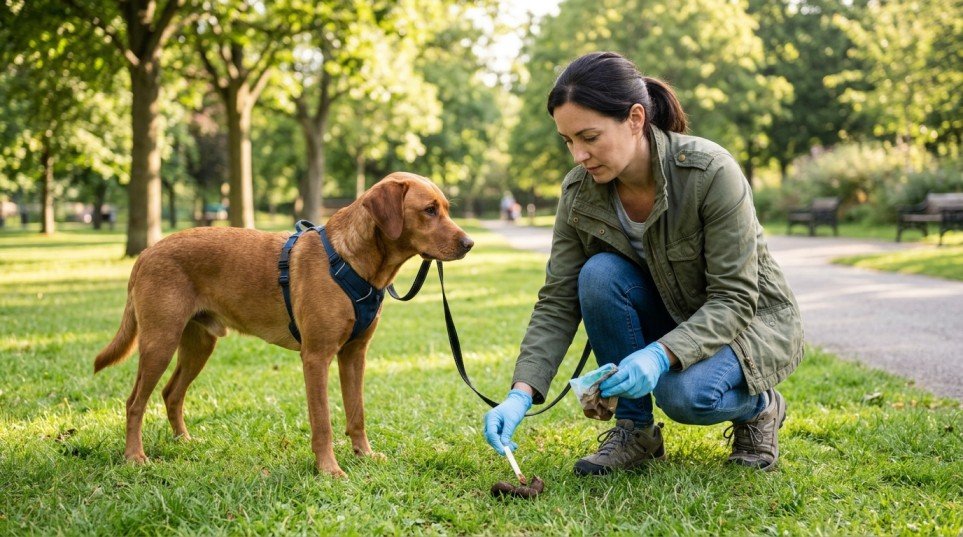
You pick up your dog’s poop during a walk and suddenly notice something unusual. Maybe it’s small white pieces that look like rice grains. Maybe it’s long, spaghetti-like worms moving in the stool. Either way, finding worms in your dog’s poop can be alarming.
Before you panic, here’s what you need to know: worms in dog poop are common, treatable, and usually manageable when addressed early. The key is identifying the type of worm, understanding how serious the infection is, and getting appropriate treatment as quickly as possible.
This guide covers everything dog owners actually search for: what worms in dog poop look like, common causes, whether home remedies work, when to call a vet, treatment options, prevention strategies, and warning signs you should never ignore.
Worms in Dog Poop: The Short Answer
If you see worms in your dog’s poop, contact your veterinarian and arrange a fecal examination. While some mild cases may not be immediately dangerous, visible worms almost always indicate an active intestinal parasite infection that requires treatment.
The most important first step is collecting a fresh stool sample and contacting your veterinarian for proper diagnosis.
Why Are There Worms in My Dog’s Poop?
1. Intestinal Parasite Infection
The most common reason worms appear in dog poop is an intestinal parasite infection.
These parasites live inside the digestive tract, feeding on nutrients and reproducing by laying eggs that pass through the stool.
Many infected dogs initially appear healthy despite carrying a significant parasite burden.
2. Exposure to Contaminated Environments
Dogs can pick up worms from:
- Contaminated soil
- Infected feces
- Standing water
- Dog parks
- Kennels
- Shared outdoor spaces
Parasite eggs can survive in the environment for weeks or even months under favorable conditions.
3. Flea Infestations
Fleas play a major role in tapeworm infections.
When dogs groom themselves and accidentally swallow infected fleas, they can develop tapeworm infestations.
This is why flea prevention is often part of worm prevention.
4. Hunting and Scavenging
Dogs that hunt rodents or eat dead animals face increased risk of parasite infections.
Potential sources include:
- Mice
- Rats
- Rabbits
- Birds
- Wildlife carcasses
Scavenging behavior significantly increases exposure to intestinal parasites.
What Do Worms in Dog Poop Look Like?
Identifying the appearance of worms can help determine what type of parasite may be present.
1. Tapeworms
Tapeworm segments often resemble:
- Rice grains
- Sesame seeds
- Small white pieces of pasta
They may move shortly after being passed and are commonly found around the anus or in fresh stool.
2. Roundworms
Roundworms typically appear:
- Long and spaghetti-like
- White or cream-colored
- Several inches long
Heavy infestations may result in visible adult worms in vomit or stool.
3. Hookworms
Hookworms are much harder to see with the naked eye.
They are:
- Thin
- Small
- Often microscopic
Diagnosis usually requires laboratory fecal testing.
4. Whipworms
Whipworms are rarely visible in stool.
They:
- Resemble tiny whips
- Live deep within the large intestine
- Usually require microscopic diagnosis
Visible worms are not always necessary for a dog to have a significant parasite infection.
Common Types of Worms Found in Dogs
| Worm Type | Appearance | Risk Level | Visible in Stool |
|---|---|---|---|
| Tapeworms | Rice-like segments | Moderate | Often |
| Roundworms | Spaghetti-like worms | High | Often |
| Hookworms | Small thin worms | High | Rarely |
| Whipworms | Whip-shaped worms | Moderate to High | Rarely |
| Heartworms | Live in heart/lungs | Very High | Never in stool |
The type of worm affects both symptoms and treatment recommendations.
Symptoms That Often Accompany Worms in Dog Poop
Many dogs show additional signs beyond visible worms.
Mild Symptoms
- Occasional diarrhea
- Mild weight loss
- Increased appetite
- Scooting
- Mild stomach upset
- Dull coat
Moderate Symptoms
- Frequent diarrhea
- Vomiting
- Noticeable weight loss
- Abdominal discomfort
- Excessive gas
- Low energy
Severe Symptoms
- Bloody diarrhea
- Severe dehydration
- Significant weight loss
- Pale gums
- Weakness
- Collapse
Young puppies are particularly vulnerable to severe complications from intestinal parasites.
Home Remedies for Worms in Dog Poop: What Actually Works and What Doesn’t
This is the question most dog owners search for, but it’s important to understand one critical fact first.
There is no scientifically proven home remedy that reliably eliminates intestinal worms in dogs.
Some natural approaches may support digestive health, but they should never replace proper veterinary treatment.
What You Can Do at Home
Collect a Fresh Stool Sample
This is one of the most helpful things you can do.
Bring a fresh sample to your veterinarian for testing.
Accurate identification leads to more effective treatment.
Keep Your Dog Hydrated
Dogs experiencing diarrhea may become dehydrated.
Provide:
- Fresh water
- Clean bowls
- Frequent access to drinking areas
Clean the Environment
Reduce reinfection risk by:
- Picking up feces immediately
- Cleaning bedding frequently
- Washing food bowls daily
- Sanitizing living areas
Follow Monthly Parasite Prevention
Many preventive medications help reduce future infections.
Speak with your veterinarian about appropriate options.
What NOT to Do at Home
Do Not Assume All Worms Are the Same
Different parasites require different medications.
Treating the wrong parasite can delay recovery.
Do Not Use Random Internet Remedies
Common suggestions include:
- Garlic
- Essential oils
- Bleach solutions
- Human dewormers
Some of these can be dangerous or toxic to dogs.
Do Not Delay Treatment
Worm infections rarely disappear on their own.
The longer parasites remain, the greater the risk of complications.
Do Not Ignore Puppies
Puppies can deteriorate much faster than adult dogs.
Even mild symptoms deserve prompt attention.
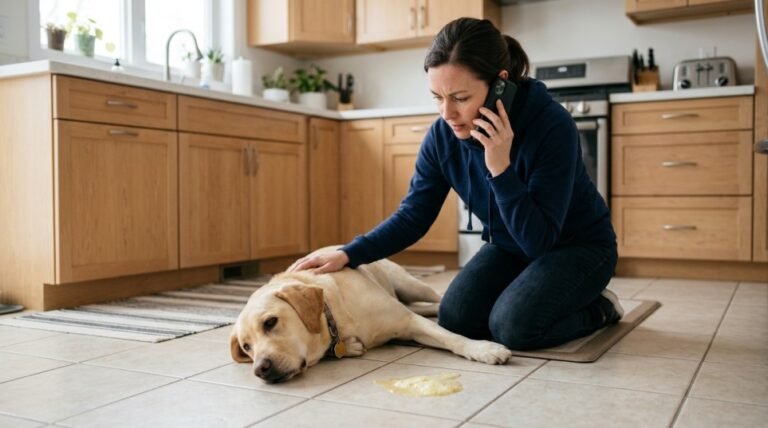
When to Call a Vet Immediately
Contact a veterinarian as soon as possible if:
- You see visible worms in stool
- Your dog is a puppy
- Bloody diarrhea develops
- Vomiting occurs repeatedly
- Weight loss is significant
- Your dog appears weak or lethargic
- Gums become pale
- Appetite disappears
Prompt treatment often prevents more serious complications.
When Monitoring at Home May Be Appropriate
While veterinary diagnosis is still recommended, temporary monitoring may be reasonable if:
- Your dog is acting normally
- Appetite remains strong
- Energy levels are normal
- Only a few tapeworm segments are observed
- A veterinary appointment is already scheduled
Even in these situations, stool testing remains important.
How Veterinarians Diagnose Worms in Dogs
Veterinarians typically use several methods.
Fecal Examination
The most common diagnostic tool.
A stool sample is examined under a microscope to identify parasite eggs.
Physical Examination
Your veterinarian may check for:
- Weight loss
- Abdominal discomfort
- Dehydration
- Anemia
Additional Testing
In some cases:
- Blood tests
- Repeat fecal exams
- Specialized parasite testing
may be recommended.
Accurate diagnosis ensures proper treatment.
What a Vet Will Actually Do for Worms in Dog Poop
Treatment depends on the parasite identified.
Common veterinary approaches include:
Deworming Medication
Prescription dewormers target specific parasites.
These medications are typically highly effective when used correctly.
Repeat Treatments
Some parasites require:
- Multiple doses
- Follow-up treatments
- Repeat fecal testing
This ensures all life stages are eliminated.
Hydration Support
Dogs with severe diarrhea may need:
- Fluid therapy
- Electrolyte support
- Nutritional management
Monitoring
Follow-up exams help confirm treatment success.
Most dogs recover completely with proper care.
Worm Risks by Age and Size
Parasites affect all dogs, but some groups face higher risks.
Puppies
Highest risk group.
Possible complications include:
- Poor growth
- Anemia
- Intestinal blockage
- Severe illness
Adult Dogs
Usually tolerate mild infections better but can still become seriously affected.
Senior Dogs
May experience more severe symptoms due to weaker immune function or underlying health conditions.
Frequently Asked Questions: Worms in Dog Poop
Can worms in dog poop infect humans?
Some intestinal parasites can potentially infect humans. Good hygiene and prompt treatment reduce the risk significantly.
Are worms in dog poop an emergency?
Not always, but visible worms indicate an active infection that should be evaluated promptly. Puppies and sick dogs require more urgent attention.
What do tapeworm segments look like?
They often resemble moving rice grains or sesame seeds in fresh stool.
Can dogs get worms even if they stay indoors?
Yes. Fleas, contaminated soil, infected prey, and other sources can introduce parasites even to mostly indoor dogs.
How long does it take to get rid of worms?
Many deworming medications begin working quickly, but complete elimination may require multiple treatments over several weeks.
Can I buy dewormer without seeing a vet?
Some products are available over the counter, but correct diagnosis is important because different parasites require different treatments.
Do worms cause diarrhea?
Yes. Many intestinal parasites can cause diarrhea, stomach upset, and digestive issues.
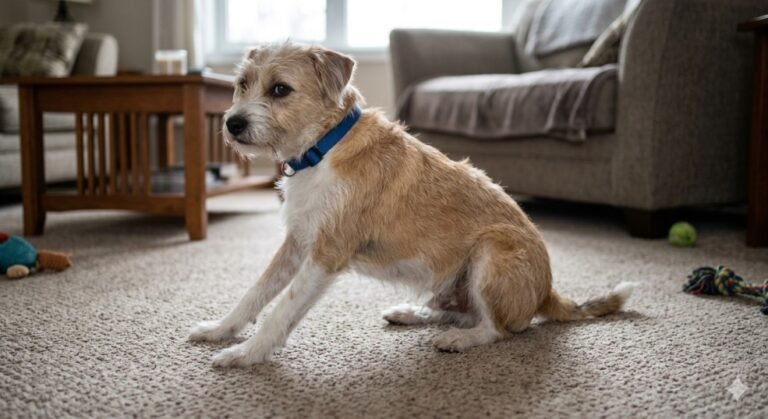
Why is my dog scooting across the floor?
Scooting can occur when tapeworm segments irritate the area around the anus, although anal gland problems can cause similar behavior.
How to Prevent Future Worm Infections
- Pick up dog feces immediately.
- Maintain year-round parasite prevention.
- Control fleas aggressively.
- Limit scavenging behavior.
- Prevent hunting of rodents and wildlife.
- Wash bedding regularly.
- Schedule routine fecal testing.
- Keep food and water bowls clean.
- Follow veterinary wellness visits.
Consistent prevention is easier and less expensive than treating repeated infections.
Final Word: Don’t Ignore Worms in Dog Poop
Finding worms in your dog’s poop is unpleasant, but it is also one of the clearest signs that something needs attention. The good news is that most intestinal parasite infections are highly treatable when identified early.
The most important thing to remember is that visible worms are only part of the story. Different parasites require different treatments, and guessing can lead to delayed recovery or ongoing infection.
If you notice worms, collect a fresh stool sample, contact your veterinarian, and follow their treatment recommendations. Fast action protects your dog’s health and helps prevent the spread of parasites to other pets and people.
Sources and References
- Companion Animal Parasite Council (CAPC): Intestinal Parasites in Dogs
- Merck Veterinary Manual: Gastrointestinal Parasites of Dogs
- American Veterinary Medical Association (AVMA): Parasite Prevention
- VCA Animal Hospitals: Worms in Dogs
- PetMD: Common Intestinal Worms in Dogs
- American Kennel Club (AKC): Dog Worms and Parasites Guide
- World Small Animal Veterinary Association (WSAVA): Parasite Control Recommendations
Discover More:-
- Home Remedies for Stinky Dog Breath: 7 Natural Ways That Actually Work 2026
- Can Dogs Eat Sweet Potatoes? Benefits, Risks & Safe Serving Guide 2026

Dr. Ubaid Ur Rehman, DVM is a qualified veterinarian with expertise in pet health, nutrition, and preventive care. He is passionate about helping pet owners make informed decisions through accurate, research-based, and practical advice. As a veterinary professional, he reviews and contributes content to ensure reliable information for dog and pet owners.