
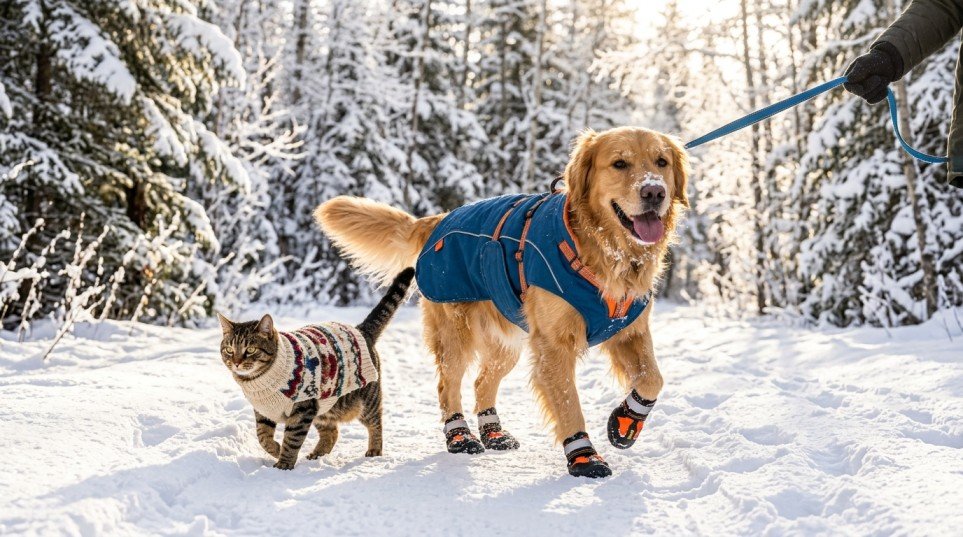
Winter Pet Clothes: Best Winter Clothing for Dogs & Cats 2026
Winter can be a beautiful season, but freezing temperatures, snow, wind, and icy sidewalks can make it challenging for pets to stay comfortable outdoors. While some breeds naturally tolerate cold weather, many dogs and cats benefit from wearing winter pet clothes that provide warmth, protection, and comfort.
Choosing the right winter clothing isn’t just about making your pet look adorable—it’s about helping them stay safe from cold-related health problems like hypothermia and frostbite. Small dogs, senior pets, puppies, kittens, short-haired breeds, and pets with certain medical conditions are especially vulnerable during the colder months.
In this guide, you’ll learn everything you need to know about winter pet clothes, including the different types available, how to choose the right fit, which pets need them most, safety tips, and how to keep your furry companion warm all season long.
Why Are Winter Pet Clothes Important?
Just like humans wear jackets and coats during winter, many pets also need extra protection when temperatures drop. Cold weather can affect your pet’s health, energy levels, and comfort, especially during walks or outdoor playtime.
Proper winter clothing helps:
- Keep body temperature stable
- Protect against snow, rain, and wind
- Reduce the risk of hypothermia
- Help prevent frostbite
- Keep senior pets with arthritis more comfortable
- Allow pets to enjoy outdoor exercise safely
Although thick-coated breeds like Huskies and Malamutes are naturally equipped for colder climates, many other pets rely on extra insulation to stay warm.
Which Pets Need Winter Clothes?
Not every pet needs a winter jacket, but many do.
Small Dog Breeds
Smaller dogs lose body heat faster because they have less body mass. Popular small breeds that often benefit from winter clothing include:
- Chihuahua
- Yorkshire Terrier
- Miniature Pinscher
- Toy Poodle
- Maltese
- Dachshund
Short-Haired Dogs
Dogs with thin coats have less natural insulation.
Examples include:
- Greyhound
- Boxer
- Doberman Pinscher
- Whippet
- Beagle
- Boston Terrier
Senior Pets
Older pets often struggle to regulate body temperature and may have arthritis that becomes worse in cold weather.
Warm clothing helps reduce stiffness and keeps joints more comfortable.
Puppies and Kittens
Young animals haven’t fully developed their ability to regulate body temperature, making them more susceptible to cold.
Pets Recovering From Surgery
Animals recovering from illness or surgery may require extra warmth while healing.
Types of Winter Pet Clothes
There are several types of winter clothing designed for different weather conditions.
Winter Jackets
A quality winter jacket is one of the most important pieces of cold-weather gear.
Features to look for include:
- Waterproof exterior
- Wind-resistant fabric
- Soft fleece lining
- Adjustable straps
- Reflective trim for visibility
Sweaters
Pet sweaters are ideal for cool days but may not provide enough protection during heavy snow or freezing temperatures.
They work best for:
- Indoor warmth
- Mild winter weather
- Short walks
Hoodies
Pet hoodies provide light warmth and are perfect for cool autumn evenings or mild winter climates.
Waterproof Raincoats
Winter often brings rain and wet snow.
A waterproof coat keeps your pet dry while helping retain body heat.
Thermal Vests
Thermal vests provide lightweight insulation without restricting movement, making them ideal for active dogs.
Full-Body Snowsuits
For extremely cold climates, full-body suits offer maximum protection against snow, wind, and ice.
Best Materials for Winter Pet Clothes
Choosing the right fabric makes a significant difference.
Fleece
Fleece is lightweight, breathable, and excellent at retaining heat.
Wool
Wool provides exceptional insulation but may irritate pets with sensitive skin if worn directly against the body.
Polyester
Polyester is durable, water-resistant, and commonly used in outdoor pet jackets.
Waterproof Nylon
Nylon shells help block wind and moisture while keeping insulation dry.
Cotton
Cotton is soft and comfortable indoors but absorbs moisture easily, making it less suitable for snowy weather.
How to Choose the Right Size
A well-fitting coat keeps your pet warm without restricting movement.
Measure:
- Neck circumference
- Chest girth
- Back length from neck to tail
A properly fitted jacket should allow your pet to:
- Walk comfortably
- Run freely
- Sit naturally
- Lie down without restriction
Avoid clothing that’s too tight or too loose.
Signs Your Pet Is Too Cold
Even with winter clothing, pets can become dangerously cold.
Watch for:
- Shivering
- Whining
- Reluctance to walk
- Lifting paws repeatedly
- Slow movement
- Curling into a ball
- Seeking warmth
- Pale ears or paws
If these signs appear, bring your pet indoors immediately.
Winter Accessories Every Pet Should Have
Winter clothing works even better when paired with the right accessories.
Boots
Boots protect paws from:
- Ice
- Salt
- Snow
- Frozen sidewalks
- Sharp ice
Scarves
A lightweight scarf can provide additional neck warmth for larger dogs.
Reflective Collars
Since winter days are shorter, reflective gear improves visibility during early morning or evening walks.
Heated Pet Beds
A warm sleeping area helps pets recover after spending time outdoors.
Safety Tips for Dressing Your Pet
Winter clothing should improve comfort—not create hazards.
Always:
Use up and down arrow keys to resize the meta box pane.
Use up and down arrow keys to resize the meta box pane.
- Introduce clothing gradually
- Check for proper fit
- Avoid loose straps
- Remove wet clothing promptly
- Wash clothing regularly
- Monitor your pet for overheating indoors
Never force clothing on a pet that shows signs of extreme stress or anxiety.
Common Mistakes Pet Owners Make
Many owners unintentionally choose clothing that doesn’t properly protect their pets.
Avoid these common mistakes:
- Buying clothes based only on appearance
- Choosing the wrong size
- Ignoring waterproof materials
- Leaving wet clothing on your pet
- Dressing thick-coated breeds unnecessarily indoors
- Forgetting paw protection during snowy walks
Caring for Winter Pet Clothes
Proper care helps winter clothing last for many seasons.
- Wash according to manufacturer instructions.
- Air dry whenever possible.
- Check seams and straps for damage.
- Replace clothing that no longer fits properly.
- Store in a dry place after winter.
Frequently Asked Questions
Do all dogs need winter clothes?
No. Thick-coated breeds like Huskies, Newfoundlands, and Alaskan Malamutes are naturally insulated, while small, short-haired, senior, and young dogs often benefit from extra warmth.
Can cats wear winter clothes?
Indoor cats usually don’t need winter clothing. Outdoor cats or hairless breeds like the Sphynx may benefit from lightweight sweaters in cold conditions.
How cold is too cold for dogs?
It depends on the breed, size, age, and health of the dog. Small and short-haired breeds can become uncomfortable when temperatures fall below 45°F (7°C), while freezing temperatures require extra caution for nearly all pets.
Should pets sleep in winter clothes?
Generally, no. If your home is adequately heated, pets should sleep without heavy clothing to prevent overheating. Instead, provide warm bedding and blankets.
Are boots necessary?
Boots are highly recommended if your pet walks on icy sidewalks, salted roads, or snow-covered surfaces, as they help protect paws from injury and irritation.
Final Thoughts
Choosing the right winter pet clothes is one of the simplest ways to keep your furry companion safe, warm, and comfortable during the colder months. Whether it’s a waterproof jacket for snowy walks, a cozy fleece sweater for chilly mornings, or protective boots for icy sidewalks, the right winter gear can make outdoor adventures safer and more enjoyable.
Remember that every pet is different. Consider your pet’s breed, age, coat type, health, and activity level when selecting winter clothing. Combine warm apparel with limited outdoor exposure during extreme weather, proper nutrition, dry bedding, and regular veterinary care to help your pet stay healthy all winter long.
Discover More:-
- Dogs Care Made Easy: Daily Tips for a Happy, Healthy Dog 2026
- Can Chickens Eat Dog Food? Is It Safe or Harmful? (Vet-Reviewed Guide) 2026

Michael Carter, DVM is a veterinarian and pet health writer with a strong interest in canine nutrition, preventive care, and animal wellness. He is dedicated to providing pet owners with accurate, evidence-based information that helps them make informed decisions about their dogs’ health. As an author and content reviewer, Michael combines veterinary knowledge with practical insights to ensure every article is trustworthy, informative, and easy to understand.