Guardsman Dog: Training Tips for a Loyal and Protective Companion 2026
Quick Answer: Breeds such as German Shepherds, Rottweilers, Doberman Pinschers, Belgian Malinois, Cane Corsos, and Giant Schnauzers are commonly considered among the most effective guardsman dogs due to their combination of intelligence, loyalty, and protective instincts.
A guardsman dog is more than just a large dog with an intimidating appearance. The best guardsman dogs combine loyalty, intelligence, confidence, and protective instincts with the ability to remain calm and trustworthy around their families. Whether you’re looking for a personal protection dog, a family guardian, or simply want to understand what makes a true guardsman dog, choosing the right breed and training approach is essential.
Many people assume that aggression makes a good guard dog. In reality, the opposite is often true. The most effective guardsman dogs are controlled, obedient, and capable of distinguishing between normal situations and genuine threats.
This guide covers everything prospective owners want to know: what a guardsman dog is, the best guardsman breeds, temperament traits, training requirements, family suitability, protection abilities, costs, and common questions.
Guardsman Dog: The Short Answer
A guardsman dog is a dog bred or trained to protect people, property, livestock, or territory while remaining loyal and manageable around its family. The best guardsman dogs are intelligent, confident, trainable, and naturally protective without being unnecessarily aggressive.
The most important factor is not the breed itself but proper training, socialization, and responsible ownership.
What Is a Guardsman Dog?
A guardsman dog is a dog that serves as a protector, deterrent, or guardian. These dogs may protect:
- Families
- Homes
- Businesses
- Farms
- Livestock
- Security personnel
Unlike ordinary companion dogs, guardsman dogs possess natural traits that make them more alert to potential threats.
These traits often include:
- Strong territorial awareness
- High intelligence
- Courage
- Confidence
- Loyalty
- Protective instincts
A true guardsman dog remains calm under pressure and reacts appropriately when necessary.
What Makes a Good Guardsman Dog?
1. Intelligence
Protection work requires decision-making.
A guardsman dog must be able to:
- Learn commands quickly
- Understand situations
- Respond appropriately
- Remain focused under stress
Highly intelligent breeds often excel in protection roles because they can distinguish between normal activity and genuine danger.
2. Confidence
Fearful dogs rarely make effective guards.
Confident dogs are:
- Calm around strangers
- Comfortable in new environments
- Less likely to react unpredictably
- Better able to assess situations
Confidence is one of the most important traits in professional protection dogs.
3. Loyalty
Strong bonds create reliable guardians.
Many guardsman dogs naturally form deep attachments with their families and become highly protective of household members.
This loyalty often makes them excellent companions in addition to protectors.
4. Trainability
Even the best natural instincts require training.
Trainable guardsman dogs:
- Follow commands consistently
- Accept correction
- Learn complex tasks
- Remain controllable
Without training, protective instincts can become problematic.
5. Physical Ability
Many guardsman breeds possess:
- Strength
- Speed
- Endurance
- Agility
Physical capability allows them to perform protection duties effectively when necessary.
Best Guardsman Dog Breeds
The following breeds are commonly recognized for their guarding abilities.
| Breed | Protection Ability | Family Friendly | Trainability |
|---|---|---|---|
| German Shepherd | Excellent | Excellent | Excellent |
| Rottweiler | Excellent | Very Good | Very Good |
| Doberman Pinscher | Excellent | Very Good | Excellent |
| Belgian Malinois | Elite | Good | Excellent |
| Cane Corso | Excellent | Good | Very Good |
| Giant Schnauzer | Very Good | Very Good | Very Good |
| Bullmastiff | Very Good | Excellent | Good |
| Akita | Very Good | Moderate | Moderate |
German Shepherd: The Classic Guardsman Dog
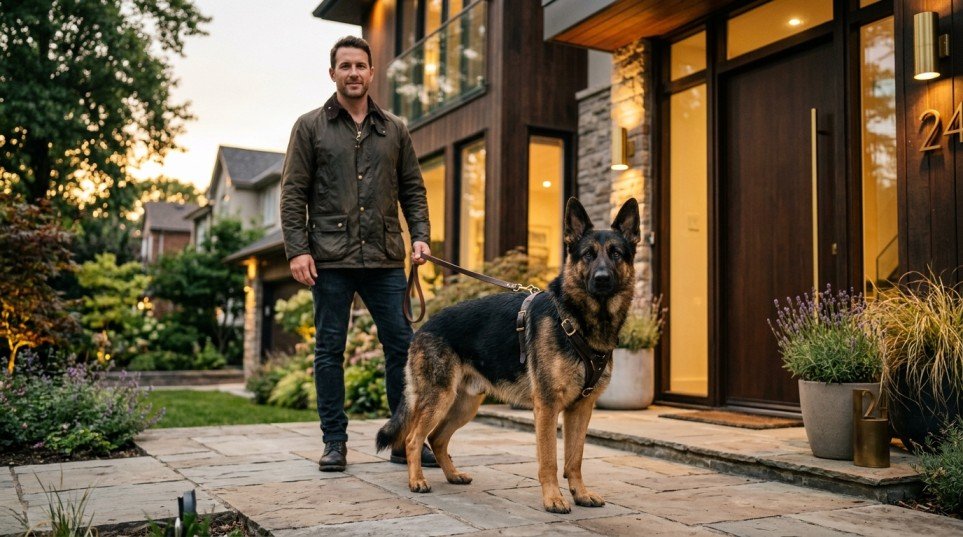
The German Shepherd remains one of the world’s most respected protection breeds.
Why owners choose them:
- Highly intelligent
- Easy to train
- Loyal
- Athletic
- Family-oriented
German Shepherds are widely used by military, police, and security organizations due to their versatility.
They excel as both family companions and working protection dogs.
Rottweiler: Powerful and Loyal
Rottweilers have guarded livestock and property for centuries.
Key strengths include:
- Natural protective instincts
- Strong physique
- High confidence
- Loyalty to family
Well-trained Rottweilers are often calm and affectionate with household members while remaining highly protective when necessary.
Doberman Pinscher: Fast and Fearless
Dobermans were originally developed specifically for protection work.
Advantages include:
- Exceptional speed
- Intelligence
- Alertness
- Strong obedience potential
Their sleek appearance and athletic ability make them one of the most effective personal protection breeds.
Belgian Malinois: Professional Protection Specialist
The Belgian Malinois has become a favorite among military and law enforcement units.
Reasons include:
- Elite work ethic
- Extreme trainability
- High drive
- Excellent athleticism
However, they are generally not recommended for inexperienced dog owners due to their demanding exercise and training requirements.
Cane Corso: Natural Guardian
The Cane Corso is an ancient Italian mastiff breed known for protection and property guarding.
Characteristics include:
- Powerful build
- Strong territorial instincts
- Deep loyalty
- Calm confidence
Proper socialization is essential to ensure balanced behavior.
Are Guardsman Dogs Good Family Dogs?
Many people worry that protection dogs are unsafe around children.
In reality, properly bred and trained guardsman dogs can make excellent family companions.
Suitable family guard dogs often display:
- Patience
- Affection
- Loyalty
- Stability
- Protective instincts
However, supervision should always be maintained around young children regardless of breed.
Training a Guardsman Dog
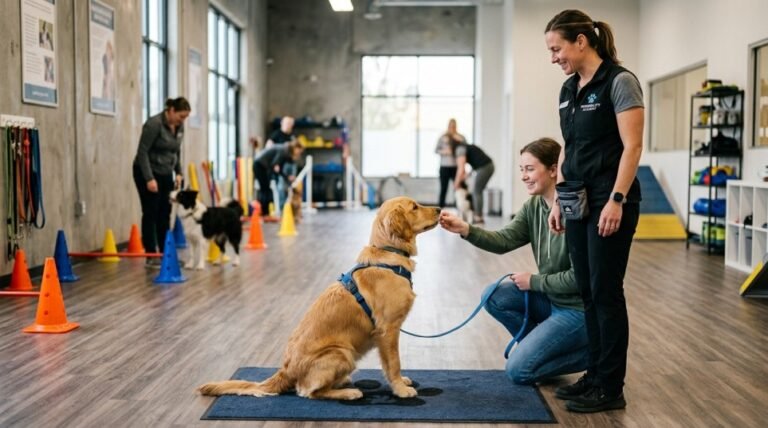
Early Socialization
Socialization should begin as early as possible.
Positive exposure to:
- People
- Children
- Other animals
- Vehicles
- Public environments
helps create a confident and stable adult dog.
Dogs lacking socialization may become fearful or reactive.
Obedience Training
Every guardsman dog should master:
- Sit
- Stay
- Come
- Heel
- Leave it
- Down
Reliable obedience forms the foundation of all protection work.
Advanced Protection Training
Professional protection training may include:
- Threat assessment
- Controlled guarding
- Property protection
- Personal protection exercises
This type of training should only be conducted by qualified professionals.
Common Mistakes New Owners Make
Encouraging Aggression
Aggression is not the same as protection.
Teaching a dog to become aggressive without control can create dangerous behavior.
The goal is confidence and obedience—not uncontrolled aggression.
Skipping Socialization
Poorly socialized dogs often struggle to distinguish between normal situations and genuine threats.
Socialization is one of the most important investments owners can make.
Inconsistent Rules
Guardsman dogs thrive on structure.
Clear expectations help create stable and reliable behavior.
Exercise Requirements
Most guardsman breeds require significant physical activity.
Typical needs include:
Low to Moderate Energy
- Bullmastiff
- Mastiff
30–60 minutes daily
Moderate to High Energy
- Rottweiler
- Cane Corso
- Giant Schnauzer
60–90 minutes daily
Very High Energy
- German Shepherd
- Belgian Malinois
- Doberman
90–120+ minutes daily
Insufficient exercise can contribute to behavioral problems.
Are Guardsman Dogs Dangerous?
Any dog has the potential to become dangerous if improperly trained or managed.
However, responsible ownership greatly reduces risk.
Well-bred and properly trained guardsman dogs are typically:
- Stable
- Predictable
- Obedient
- Confident
The greatest risk usually comes from poor breeding, lack of training, or neglect.
Cost of Owning a Guardsman Dog
Ownership costs vary significantly.
Potential expenses include:
| Expense | Estimated Range |
|---|---|
| Puppy Purchase | $500–$5,000+ |
| Professional Training | $1,000–$20,000+ |
| Food | $500–$2,000 yearly |
| Veterinary Care | $300–$2,000 yearly |
| Equipment | $100–$1,000 |
Fully trained executive protection dogs may cost tens of thousands of dollars.
Frequently Asked Questions About Guardsman Dogs
What is the best guardsman dog breed?
German Shepherds, Belgian Malinois, Rottweilers, Dobermans, and Cane Corsos are among the most respected guardsman breeds.
Are guardsman dogs naturally aggressive?
No. The best guardsman dogs are confident and controlled rather than aggressive.
Can a family dog also be a guardsman dog?
Yes. Many successful guardsman dogs serve as both family companions and protectors.
Which guardsman dog is easiest to train?
German Shepherds and Dobermans are often considered among the easiest protection breeds to train.
Are guardsman dogs good with children?
Many are excellent with children when properly socialized and supervised.
What is the strongest guard dog breed?
Strength varies by individual dog, but breeds such as Cane Corsos, Rottweilers, and Mastiffs are known for their power.
Do guardsman dogs require professional training?
Basic obedience can be taught by owners, but advanced protection training should generally be handled by professionals.
How to Choose the Right Guardsman Dog
Before selecting a breed, consider:
- Experience level
- Living space
- Exercise commitment
- Family situation
- Training budget
- Protection goals
The best guardsman dog is the one that matches your lifestyle and can receive proper training and care.
A highly driven working breed may not be ideal for every household, while a calmer guardian breed may better suit many families.
Final Word: A Great Guardsman Dog Is Built Through Training and Trust
The most effective guardsman dogs are not the most aggressive—they are the most reliable. Intelligence, confidence, loyalty, and obedience are what separate a true guardian from a dog that simply looks intimidating.
Whether you choose a German Shepherd, Rottweiler, Doberman, Belgian Malinois, Cane Corso, or another guardian breed, success depends on responsible ownership, proper socialization, and consistent training.
When those elements come together, a guardsman dog becomes more than a protector. It becomes a trusted companion capable of safeguarding both family and home while remaining a loyal member of the household.
Sources and References
- American Kennel Club (AKC): Working and Guard Dog Breeds
- United Schutzhund Clubs of America (USCA)
- American Working Dog Federation
- Fédération Cynologique Internationale (FCI)
- International Association of Canine Professionals (IACP)
- VCA Animal Hospitals: Dog Behavior and Training
- American Veterinary Medical Association (AVMA): Responsible Dog Ownership
Discover More:-
- Home Remedies for Stinky Dog Breath: 7 Natural Ways That Actually Work 2026
- Can Dogs Eat Sweet Potatoes? Benefits, Risks & Safe Serving Guide 2026

Dr. Ubaid Ur Rehman, DVM is a qualified veterinarian with expertise in pet health, nutrition, and preventive care. He is passionate about helping pet owners make informed decisions through accurate, research-based, and practical advice. As a veterinary professional, he reviews and contributes content to ensure reliable information for dog and pet owners.