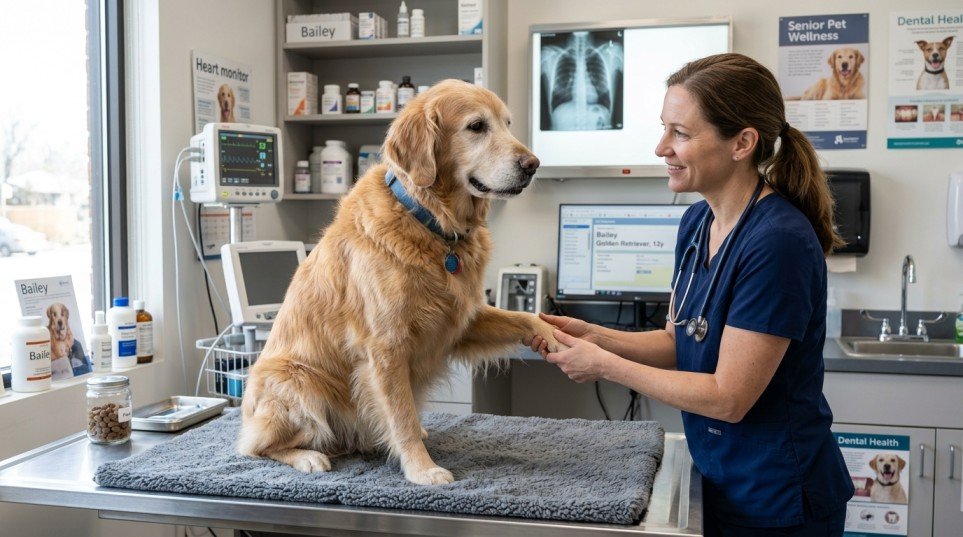
Early Cancer Signs in Golden Retrievers: Symptoms Every Owner Should Know 2026
Golden Retrievers are among the most loving, intelligent, and loyal dog breeds in the world. Unfortunately, they also have one of the highest cancer rates of any dog breed. Studies suggest that cancer is responsible for the death of more than half of Golden Retrievers, making early detection one of the most important responsibilities for every pet owner.
The challenge is that cancer often develops silently. Many dogs continue eating, playing, and acting normally until the disease has progressed. Knowing the early cancer signs in Golden Retrievers can help you seek veterinary care sooner, improving the chances of successful treatment and a better quality of life.
In this guide, you’ll learn the most common warning signs, the types of cancer that frequently affect Golden Retrievers, how cancer is diagnosed, available treatment options, and what you can do to reduce your dog’s risk.
Why Are Golden Retrievers More Prone to Cancer?
Golden Retrievers have a strong genetic predisposition to several types of cancer. While researchers continue studying the exact causes, genetics, age, environmental factors, and lifestyle all play important roles.
Older Golden Retrievers are at the highest risk, but cancer can also occur in younger dogs. Because many cancers develop gradually, routine veterinary checkups are essential for detecting problems before symptoms become severe.
Common Types of Cancer in Golden Retrievers
Several cancers occur more frequently in Golden Retrievers than in many other breeds.
Hemangiosarcoma
Hemangiosarcoma is an aggressive cancer that develops in blood vessel cells. It commonly affects the spleen, liver, and heart and often shows few symptoms until internal bleeding occurs.
Lymphoma
Lymphoma affects the lymph nodes and immune system. It is one of the most treatable canine cancers when diagnosed early.
Mast Cell Tumors
These tumors develop in the skin and can appear almost anywhere on the body. Some grow slowly, while others spread aggressively.
Osteosarcoma
Bone cancer most often affects the legs of large-breed dogs and causes pain, swelling, and lameness.
Soft Tissue Sarcoma
These tumors grow beneath the skin or within muscles and connective tissues. They usually appear as firm lumps that gradually increase in size.
Early Cancer Signs in Golden Retrievers
Recognizing subtle changes can make a significant difference in early diagnosis.
Unexplained Lumps or Bumps
One of the earliest warning signs is the appearance of a new lump beneath the skin.
Not every lump is cancerous, but any growth that:
- Continues growing
- Changes shape
- Feels firm
- Doesn’t disappear within a few weeks
should be examined by your veterinarian.
Sudden Weight Loss
If your Golden Retriever begins losing weight without changes in diet or exercise, it may indicate an underlying illness, including cancer.
Cancer often increases the body’s energy demands while reducing appetite.
Loss of Appetite
Dogs with developing cancer frequently become less interested in food.
Signs include:
- Leaving meals unfinished
- Refusing favorite treats
- Eating significantly less than usual
Persistent appetite changes always deserve veterinary attention.
Low Energy or Lethargy
Golden Retrievers are naturally active dogs.
If your normally energetic companion suddenly becomes tired, sleeps more than usual, or avoids walks, cancer may be one possible cause.
Persistent Limping
Bone cancer frequently causes:
- Limping
- Pain while walking
- Difficulty climbing stairs
- Reluctance to jump
Lameness lasting more than a few days should never be ignored.
Swollen Lymph Nodes
Large, painless swellings under the jaw, behind the knees, or near the shoulders may indicate lymphoma.
These enlarged lymph nodes are often one of the earliest signs owners notice.
Difficulty Breathing
Certain cancers affecting the lungs or chest can lead to:
- Rapid breathing
- Persistent coughing
- Exercise intolerance
- Labored breathing
Immediate veterinary evaluation is recommended if breathing changes occur.
Pale Gums
Pale or white gums may indicate internal bleeding caused by hemangiosarcoma.
This is considered a veterinary emergency, especially if accompanied by weakness or collapse.
Abdominal Swelling
A swollen abdomen may result from:
- Internal bleeding
- Enlarged organs
- Fluid accumulation
- Abdominal tumors
Never ignore sudden abdominal enlargement.
Vomiting or Diarrhea
Persistent digestive problems lasting several days may indicate gastrointestinal cancers or cancer affecting nearby organs.
Symptoms include:
- Chronic vomiting
- Blood in stool
- Black stool
- Frequent diarrhea
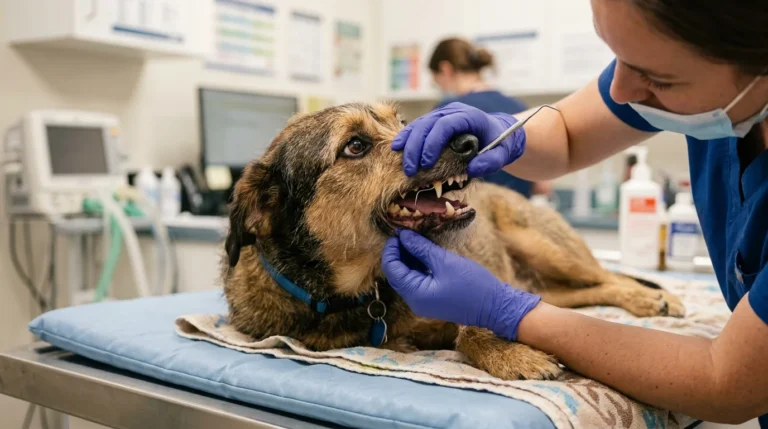
Bad Breath
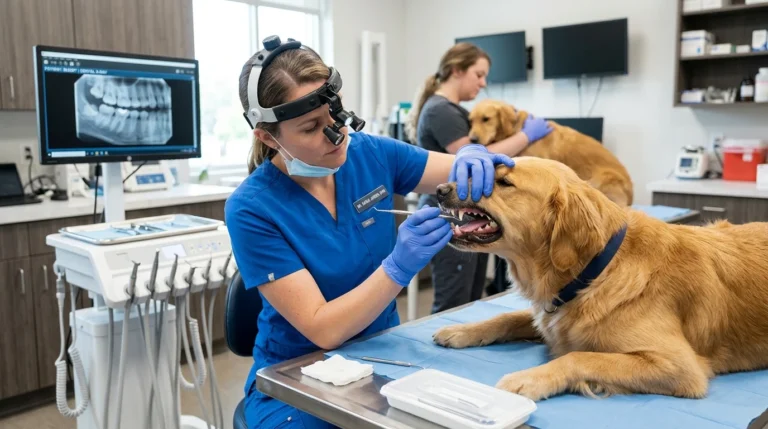
Cancer affecting the mouth or gums can produce unusually foul-smelling breath that doesn’t improve with dental care.
Other oral cancer symptoms include:
- Bleeding gums
- Loose teeth
- Drooling
- Difficulty chewing
Non-Healing Wounds
Skin sores that fail to heal after several weeks may indicate skin cancer or immune-related disorders.
Behavioral Changes
Dogs experiencing pain often show subtle personality changes.
You may notice:
- Irritability
- Hiding
- Less interaction
- Anxiety
- Increased sleeping
These changes are sometimes overlooked but may be important warning signs.
Symptoms That Require Immediate Veterinary Care
Seek emergency veterinary care if your Golden Retriever experiences:
- Collapse
- Difficulty breathing
- Severe weakness
- Pale gums
- Sudden abdominal swelling
- Heavy bleeding
- Seizures
- Inability to stand
These symptoms may indicate life-threatening complications.
How Veterinarians Diagnose Cancer
Your veterinarian may recommend several diagnostic tests depending on your dog’s symptoms.
These commonly include:
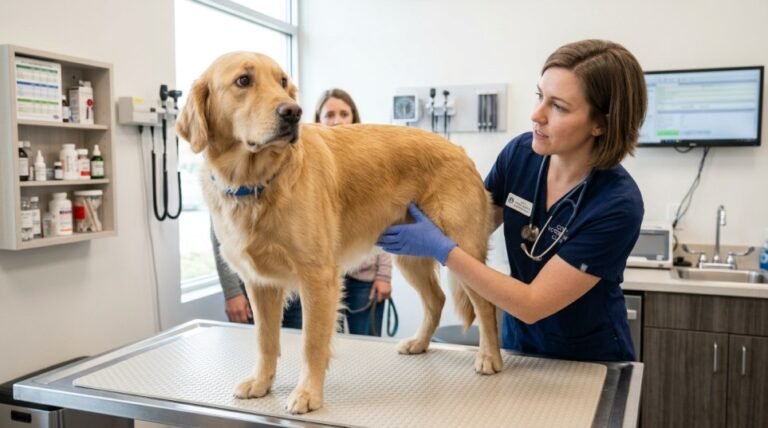
Physical Examination
A complete examination helps identify abnormal masses, enlarged lymph nodes, and other visible signs.
Blood Tests
Blood work evaluates:
- Organ function
- Red blood cells
- White blood cells
- Platelets
Although blood tests cannot diagnose every cancer, they provide valuable clues.
Ultrasound
Ultrasound allows veterinarians to examine:
- Liver
- Spleen
- Kidneys
- Bladder
- Abdomen
It is especially useful for detecting internal tumors.
X-Rays
Radiographs help detect:
- Lung tumors
- Bone cancer
- Enlarged organs
- Internal abnormalities
Fine Needle Aspiration
A small needle removes cells from a lump for microscopic evaluation.
This procedure is quick and often performed without anesthesia.
Biopsy
A biopsy provides the most accurate diagnosis by allowing a veterinary pathologist to examine tissue samples.
Treatment Options
Treatment depends on:
- Cancer type
- Stage
- Overall health
- Age
- Tumor location
Common treatments include:
Surgery
Many localized tumors can be removed completely.
Chemotherapy
Often recommended for lymphoma and cancers that have spread.
Dogs generally tolerate chemotherapy much better than humans.
Radiation Therapy
Used for tumors that cannot be completely removed surgically.
Immunotherapy
Newer treatments stimulate the immune system to attack cancer cells.
Palliative Care
When a cure isn’t possible, pain management and supportive care can greatly improve quality of life.
Can Cancer Be Prevented?
While cancer cannot always be prevented, certain habits may reduce your dog’s overall risk.
Maintain a Healthy Weight
Obesity increases inflammation and may contribute to several diseases.
Feed a Balanced Diet
Choose a high-quality diet recommended by your veterinarian.
Exercise Daily
Regular physical activity supports overall health and immune function.
Schedule Routine Veterinary Exams
Annual checkups—and twice-yearly exams for senior dogs—can detect health problems before symptoms become obvious.
Check for Lumps Monthly
Run your hands over your dog’s entire body once a month to identify new growths early.
Limit Exposure to Environmental Toxins
Avoid cigarette smoke, certain pesticides, toxic chemicals, and unnecessary exposure to harmful substances.
Frequently Asked Questions
At what age do Golden Retrievers usually develop cancer?
Most cancers occur after age 7, although younger dogs can also be affected.
What is the most common cancer in Golden Retrievers?
Hemangiosarcoma and lymphoma are among the most frequently diagnosed cancers in this breed.
Are all lumps cancerous?
No. Many lumps are benign fatty tumors or cysts. However, every new lump should be examined by a veterinarian.
Can cancer be cured?
Some cancers can be cured with surgery if detected early. Others can be managed successfully for months or even years with appropriate treatment.
How often should Golden Retrievers have cancer screenings?
Senior Golden Retrievers should receive comprehensive veterinary exams every six months. Your veterinarian may also recommend blood tests and imaging based on your dog’s age and risk factors.
Final Thoughts
Knowing the early cancer signs in Golden Retrievers can make a life-saving difference. Because this beloved breed has a higher-than-average risk of developing cancer, paying close attention to changes in appetite, weight, energy levels, breathing, mobility, and new lumps is essential.
While not every symptom means cancer, prompt veterinary evaluation greatly improves the chances of early diagnosis and successful treatment. Regular wellness exams, monthly at-home health checks, and maintaining a healthy lifestyle are some of the best ways to protect your Golden Retriever throughout every stage of life.
If you notice anything unusual, don’t wait for symptoms to worsen. Early action gives your dog the best opportunity for effective treatment, improved comfort, and a longer, healthier life.

Dr. Ubaid Ur Rehman, DVM is a qualified veterinarian with expertise in pet health, nutrition, and preventive care. He is passionate about helping pet owners make informed decisions through accurate, research-based, and practical advice. As a veterinary professional, he reviews and contributes content to ensure reliable information for dog and pet owners.