Dog Grinding Teeth: Causes, Risks & What to Do 2026
Quick Ans: Teeth grinding (bruxism) is a symptom, not a condition. It usually signals an underlying issue, most commonly oral pain, GI discomfort, stress, or jaw abnormalities. You should never ignore it. Schedule a vet visit promptly to identify the cause and prevent damage like enamel wear or tooth fractures.
Key Takeaways
- Oral pain is the most common cause – Dental disease, broken teeth, or abscesses often trigger grinding; a vet exam under anesthesia is usually needed .
- GI issues and nausea – Abdominal pain or acid reflux can cause grinding as a pain response .
- Anxiety and stress – Like humans, dogs may grind their teeth during stressful events or changes in routine .
You hear a strange crunching sound. You look over, and your dog is grinding their teeth together. It’s unsettling, and you’re right to be concerned. Tooth grinding, known medically as bruxism, isn’t normal for dogs. While it can be an occasional response to a stressful event, it’s almost always a sign that something is wrong. Here’s what you need to know about this behavior and what to do about it.
Is Teeth Grinding Dangerous for Dogs?
Yes, chronic teeth grinding can be dangerous. The repeated friction wears down tooth enamel, exposing the more sensitive dentin and pulp inside the tooth . This can lead to:
- Tooth fractures and chipping – Weakened teeth are prone to breaking.
- Pulp exposure and infection – Once the pulp is exposed, bacteria can enter, causing severe pain and abscesses .
- Gum disease – Grinding can traumatize gums and worsen periodontal issues.
- Jaw pain and muscle tension – The constant clenching and grinding can lead to temporomandibular joint (TMJ) discomfort and facial pain.
The grinding itself isn’t the primary illness it’s the symptom of another problem, and the longer it continues, the more dental damage accumulates.
What Causes Teeth Grinding in Dogs?
1. Dental and Oral Pain (Most Common)
This is the most frequent reason for bruxism in dogs. “Some veterinarians believe that the source of teeth chattering is usually dental or oral pain until proven otherwise” . Potential sources include:
- Periodontal disease – Inflamed, sore gums from tartar and infection .
- Fractured or broken teeth – A painful crack exposing the nerve.
- Tooth root abscess – A severe infection at the root of the tooth.
- Oral ulcers or growths – Painful lesions anywhere in the mouth can trigger grinding .
- Jaw pain or TMJ problems – Arthritis or previous jaw injuries can cause discomfort .
2. Gastrointestinal Pain and Nausea
Pain or discomfort in the digestive tract can also cause teeth grinding. If a dog is nauseous or has acid reflux, they may grind their teeth as a response to that distress . This can sometimes be accompanied by other signs like drooling, lip licking, vomiting, or the “praying position” (front legs down, bottom up).
3. Anxiety and Stress
Just like stressed humans who clench their jaws, dogs can grind their teeth in response to anxiety or stress . Triggers can include:
- Changes in routine or environment.
- Loud noises (like fireworks or thunderstorms).
- Separation anxiety.
- Fear of specific situations (like a vet visit) .
Stress-induced grinding often resolves when the stressor is removed .
4. Neurological Issues
Focal seizures can cause teeth chattering or “fly-biting” behavior (snapping at the air). During a focal seizure, a dog may not respond to you as they normally would and may seem to stare off into space . This is less common but requires veterinary investigation.
5. Jaw Abnormalities (Malocclusion)
Some breeds with misaligned jaws or teeth like Boxers with their undershot bite may be more prone to grinding because their teeth don’t meet correctly . However, even in these cases, grinding is often associated with discomfort from the misalignment .
6. Systemic Pain
While oral pain is the primary suspect, grinding can also be a non-specific response to pain elsewhere in the body, such as joint pain or muscle aches .
Dog Teeth Grinding Symptoms Comparison Table
| Symptom | Potential Cause | Action Needed |
|---|---|---|
| Grinding sound & bad breath | Dental disease, infection | Vet dental exam, likely cleaning/extractions |
| Grinding & drooling/vomiting | GI distress, nausea | Vet check for digestive issues |
| Grinding & spaced-out/unresponsive behavior | Focal seizure | Urgent veterinary neurological evaluation |
| Grinding during stressful event | Anxiety/stress | Remove trigger if possible; consider behaviorist |
| Grinding in a brachycephalic breed (e.g., Boxer) | Jaw abnormality | Vet dental exam for proper occlusion |
| Grinding only while sleeping | Pain, anxiety, or sleep bruxism | Vet exam to rule out physical causes |
How to Stop a Dog from Grinding Teeth
Treatment depends entirely on the underlying cause. A vet visit is the first and most critical step. Here’s what might happen next:
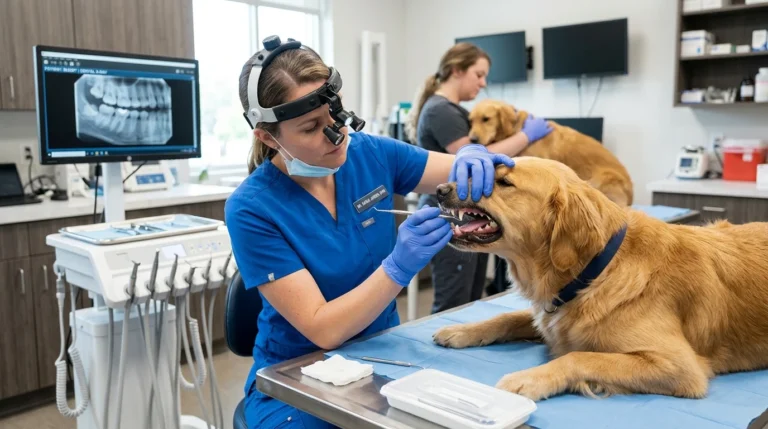
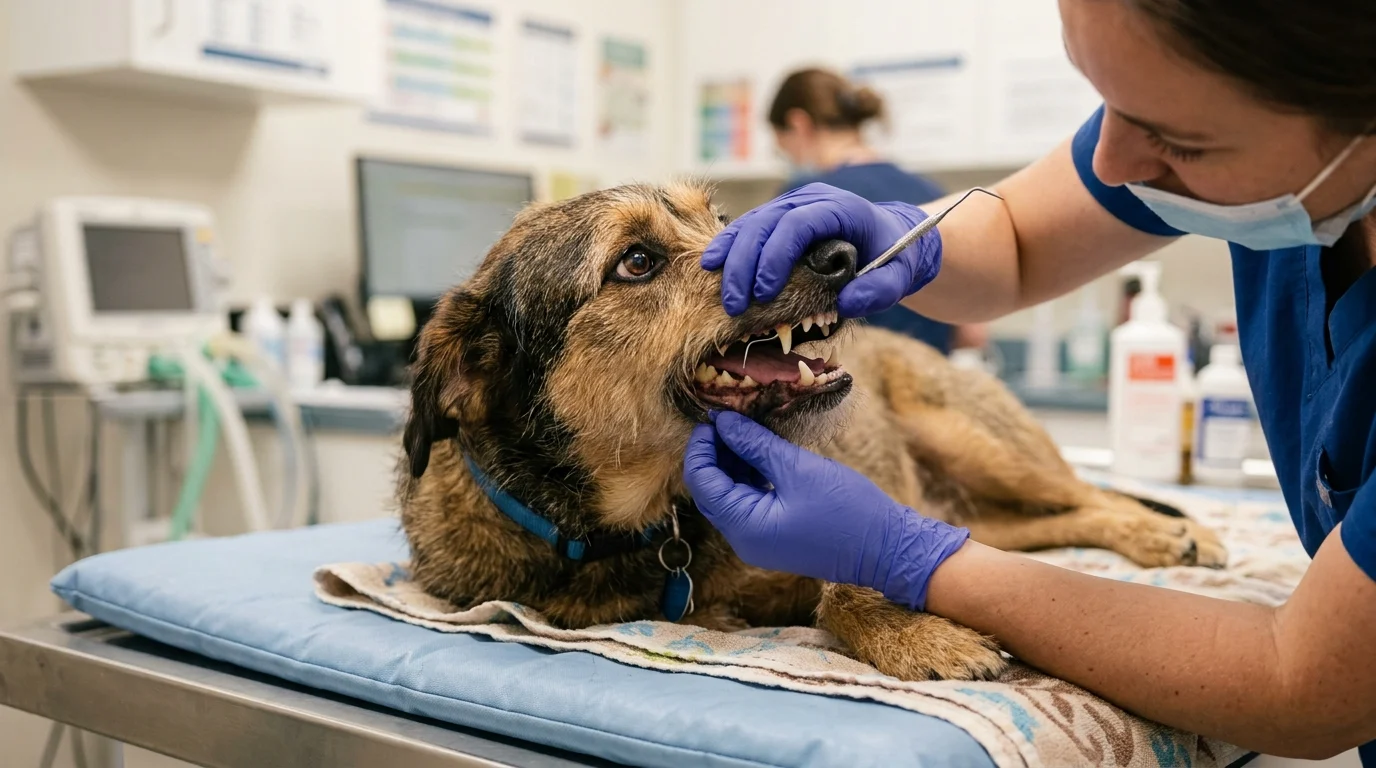
- Vet Exam (Likely Under Anesthesia): To properly diagnose dental issues, your vet will likely recommend a comprehensive oral exam and dental X-rays performed under anesthesia. “Generally, the first step in treatment is a tooth-by-tooth exam under anesthesia with dental imaging, either X-rays or a CT scan” .
- Dental Treatment: If dental disease is found, your dog will need a professional dental cleaning. Damaged or diseased teeth will be extracted to remove the source of pain .
- GI Management: If your vet suspects GI issues, they may recommend bloodwork, imaging, or prescribe medication for acid reflux or nausea .
- Anxiety Management: If stress is the culprit and medical causes have been ruled out, your vet may suggest calming supplements (like L-Theanine), pheromone diffusers, or even anti-anxiety medication. An accredited animal behaviorist can also help develop a behavior modification plan .
What to Do If Your Dog Is Grinding Their Teeth
Don’t wait to see if it stops on its own. Follow these steps:
Step 1: Make a Vet Appointment
Schedule a checkup as soon as possible. Be prepared to tell the vet:
- When you first noticed the grinding.
- How often it happens.
- Any other symptoms you’ve observed (drooling, bad breath, vomiting, behavior changes).
Step 2: Monitor and Document
Keep a log of when the grinding occurs. Does it happen during thunderstorms? After eating? While sleeping? This information can help your vet pinpoint the cause .
Step 3: Listen to Your Vet
Follow their recommendations for diagnostics and treatment. If your dog requires a dental procedure under anesthesia, know that this is the safest and most effective way to address significant oral pain and prevent further damage.
Can Puppies Grind Their Teeth?
Yes. For puppies, teeth grinding is often a normal part of the teething process. Young dogs lose their baby teeth and get their adult ones between 4 and 6 months of age. The discomfort and pressure from emerging teeth can cause them to grind . However, if the grinding continues well past the teething stage or is accompanied by other symptoms, it should be evaluated by a vet to rule out other causes.
Dog Oral Health Tips
Good dental hygiene can prevent many causes of teeth grinding.
- Brush daily – Use a dog-specific toothbrush and toothpaste. Aim for daily brushing to prevent plaque buildup .
- Use VOHC-approved products – Look for dental chews and diets with the Veterinary Oral Health Council seal .
- Avoid hard chews – Bones, antlers, and hard nylon chews can cause tooth fractures. Opt for softer dental chews .
- Regular vet checkups – Your vet will check your dog’s teeth during annual exams, but don’t hesitate to make an appointment if you notice any issues.
Frequently Asked Questions
Why is my dog grinding their teeth at night?
Sleep bruxism can be caused by underlying pain, anxiety, or discomfort. Some dogs may grind their teeth during sleep due to stress, while others may be reacting to dental or stomach pain. It’s important to have a vet examine your dog to determine the cause .
Can stress cause a dog to grind their teeth?
Yes, stress and anxiety are well-documented causes of teeth grinding in dogs. Just like in humans, dogs may clench and grind their jaws as a physical response to stress, fear, or excitement .
How do you treat dog teeth grinding?
The treatment depends on the underlying cause. If it’s dental pain, treatment might involve a dental cleaning or tooth extraction under anesthesia . If it’s anxiety, behavior modification or calming aids may be recommended . Always consult with your vet first.
Is teeth grinding a sign of pain in dogs?
Yes, often it is. Dental or oral pain is the most common cause of teeth grinding in dogs . It can also be a sign of gastrointestinal pain or other systemic discomfort .
Why does my dog grind his teeth when excited?
Excitement can cause a dog to chatter or grind their teeth. This is often a stress- or anxiety-related response to an overwhelming situation. In these cases, the grinding may be short-lived and resolve when the excitement passes .
Can misaligned teeth cause bruxism in dogs?
Yes. Malocclusion, or misaligned teeth, can cause teeth to rub together abnormally, leading to grinding. Certain breeds like Boxers are prone to jaw abnormalities that can contribute to this issue .
What should I do if my dog is grinding their teeth and vomiting?
This combination of symptoms suggests a gastrointestinal issue or severe pain. You should contact your vet immediately for guidance. The grinding may be a response to abdominal pain .
Can teeth grinding in dogs be a seizure?
In some cases, focal seizures can cause a dog to chatter their teeth or display “fly-biting” behavior. During a focal seizure, a dog may be unresponsive and stare off into space. If you suspect this, contact your vet urgently .
Final Word
If your dog is grinding their teeth, don’t dismiss it as a harmless quirk. It’s one of the few clear signals dogs can give us that something is wrong, and you need to act. The most likely culprit is dental pain, but it can also be a sign of stress, stomach issues, or neurological problems. The only safe approach is to schedule a veterinary examination. Early intervention can stop the grinding, relieve your dog’s discomfort, and prevent permanent damage to their teeth.
Sources & References
- Adopt a Pet. “Your Dog Is Grinding Their Teeth: What This Means and What to Do.” Dr. Gabrielle Fadl, DVM.
- Dogs Trust. “Why is your dog grinding their teeth?”
- VIN (Veterinary Information Network). “Teeth Chattering in Dogs.”
- PetsRadar. “Why is my dog grinding their teeth? Vet’s guide to causes and treatment.”
- PetMD. “Dog Teeth Chattering: Causes and What To Do.” Dr. Heidi Kos-Barber, DVM.
- PetLab Co. “Dog Grinding Teeth? This Is Why…”
- Wag! “Why is my dog grinding his teeth?”
Discover More:-

Michael Carter, DVM is a veterinarian and pet health writer with a strong interest in canine nutrition, preventive care, and animal wellness. He is dedicated to providing pet owners with accurate, evidence-based information that helps them make informed decisions about their dogs’ health. As an author and content reviewer, Michael combines veterinary knowledge with practical insights to ensure every article is trustworthy, informative, and easy to understand.