How to Stop Dog From Licking Paws Without Medication 2026
Quick Answer: If your dog is licking one paw obsessively, look for a wound, splinter, or foreign object first. If all four paws are involved, the cause is almost always systemic: allergies, yeast overgrowth, or anxiety. Home remedies work best for mild to moderate cases. Persistent, raw, or bleeding paws always require a vet visit.
Your dog will not stop licking their paws. It happens at night, after walks, after meals, seemingly out of nowhere. Before you reach for the cone of shame or book an emergency vet visit, take a breath. Paw licking is one of the most common complaints among dog owners, and in many cases, the root cause is manageable right at home. This guide gives you the full, vet-backed picture.
We cover every angle dog owners actually search for: why dogs lick their paws, which home remedies actually work, which ones to avoid, when licking is a sign of something serious, and exactly what to do right now depending on what you are seeing.
How to Stop a Dog from Licking Paws: The Short Answer
The most effective home remedies for paw licking depend on the underlying cause. Allergies, yeast infections, anxiety, and physical irritants each respond to different approaches. For most mild cases, a combination of a diluted apple cider vinegar soak, a paw balm barrier, and allergen management will provide significant relief within a few days.
The debate about home remedies exists because paw licking has multiple causes, and the wrong remedy can make things worse. Coconut oil is excellent for dry paws but may feed a yeast infection. Apple cider vinegar kills surface bacteria but can sting broken skin. Understanding what you are treating is the first step.
Why Do Dogs Lick Their Paws?
1. Allergies: The Most Common Cause
Environmental and food allergies are the leading cause of chronic paw licking in dogs. When allergens enter through the skin or are ingested, the immune system responds with inflammation. The paws, being in constant contact with grass, pollen, and flooring, are a primary site of that reaction.
Important: According to VCA Animal Hospitals, the most common environmental allergens affecting dog paws include grass pollen, mold spores, dust mites, and certain cleaning products used on floors. Food allergies, particularly to chicken, beef, dairy, and wheat, can also cause paw licking as a systemic skin response.
2. Yeast Infections: The Overlooked Culprit
A brownish-red or rusty discoloration between the toes, along with a corn chip or musty smell, is the classic sign of a yeast overgrowth. Yeast thrives in the warm, moist environment between dog toes. Dogs with allergies are especially prone to secondary yeast infections because the constant licking creates the perfect breeding ground.
3. Anxiety and Compulsive Behavior
Dogs lick as a self-soothing mechanism. Separation anxiety, boredom, stress from environmental changes, and compulsive disorders can all manifest as repetitive paw licking. This type of licking is usually rhythmic, happens at predictable times (when the owner leaves, at night), and tends to target one or two paws rather than all four.
4. Physical Irritants and Injuries
Cuts, thorns, cracked paw pads, insect stings, and chemical irritants from sidewalks or lawn treatments can all trigger licking. In these cases, the licking is typically sudden, focused on one paw, and the dog may also limp or hold the paw up.
Can Paw Licking Hurt Your Dog?
This question deserves a direct answer. Occasional paw licking is completely normal. Chronic, obsessive paw licking can cause real harm:
- Hot spots: Moist, inflamed patches that become infected and extremely painful.
- Secondary bacterial infection: Constant saliva exposure creates a perfect environment for bacteria to colonize broken skin.
- Interdigital cysts: Swollen, painful nodules between the toes caused by chronic inflammation and sometimes foreign body penetration.
- Thickened, darkened skin: Chronic licking causes skin to callus and hyperpigment, a condition called lichenification that is difficult to reverse.
The bottom line: mild paw licking treated promptly usually resolves without lasting damage. Left untreated for weeks or months, chronic licking creates a cycle of infection and inflammation that is much harder to break.
Home Remedies to Stop Dog from Licking Paws
1. Apple Cider Vinegar Soak
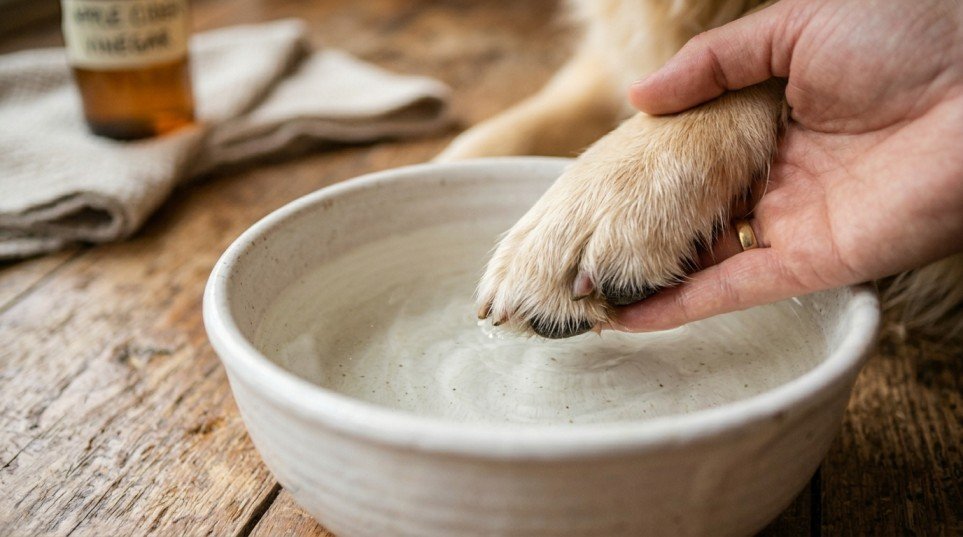
Apple cider vinegar (ACV) is one of the most commonly recommended home remedies for paw licking, and for good reason. Its acidity disrupts the environment that bacteria and yeast thrive in, making it effective for mild fungal and bacterial surface irritation.
How to use it: Mix one part raw, unfiltered apple cider vinegar with two parts warm water. Soak your dog’s paws for five to ten minutes, then pat dry completely. Do not rinse.
Critical warning: Never apply ACV to broken, raw, or bleeding skin. The acidity will cause intense stinging and can worsen tissue damage. If your dog’s paws are already raw from licking, skip this remedy until the skin has healed.
2. Baking Soda Paste
Baking soda neutralizes acidic irritants and provides temporary itch relief. It is one of the safest options for dogs with sensitive skin and works well as a quick-relief measure between baths.
How to use it: Mix one tablespoon of baking soda with enough water to form a paste. Apply to the affected area, leave for ten minutes, then rinse thoroughly and dry completely. Do not leave paste on the paws if your dog is likely to lick it off in large quantities.
3. Coconut Oil Application
Virgin coconut oil has natural antimicrobial properties from its lauric acid content. It also moisturizes dry, cracked paw pads and creates a mild barrier against surface irritants. It is safe if licked in small quantities.
How to use it: Warm a small amount of solid coconut oil between your fingers until it melts. Massage into the paw pads and between the toes. Apply before bedtime or before putting on dog boots to minimize immediate licking.
Important caution: Coconut oil feeds yeast. If your dog has a yeast infection (corn chip smell, rust-colored fur between toes), do not use coconut oil. It will worsen the infection significantly.
4. Chamomile Tea Soak
Chamomile has well-established anti-inflammatory and mild antiseptic properties. A chamomile soak is one of the gentlest home remedies available, making it ideal for dogs with very sensitive or already-irritated skin.
How to use it: Brew two to three chamomile tea bags in a quart of water. Allow the tea to cool completely to room temperature. Soak your dog’s paws for five to ten minutes, then pat dry. Repeat once or twice daily.
5. Epsom Salt Soak
Epsom salt (magnesium sulfate) draws out irritants, reduces swelling, and soothes inflamed tissue. It is particularly useful when paw licking is accompanied by visible swelling or puffiness between the toes.
How to use it: Dissolve one cup of Epsom salt in a gallon of warm water. Soak paws for five to ten minutes. Rinse thoroughly afterward and dry completely. Keep your dog from drinking the water, as magnesium sulfate acts as a laxative when ingested in larger amounts.
6. Aloe Vera (Pet-Safe Only)
Pure aloe vera gel provides cooling relief and reduces surface inflammation. However, not all aloe vera products are safe for dogs. Commercial aloe vera gels often contain additives like xylitol, lidocaine, or artificial colors that are toxic to dogs.
How to use it: Use only 100% pure aloe vera gel with no added ingredients, or use gel directly from an aloe plant. Apply a thin layer to irritated skin. Do not use on open wounds. Monitor to reduce licking of the applied area.
7. Paw Balm and Beeswax Barrier
Commercial paw balms made from beeswax, shea butter, and natural oils create a protective barrier between the paw and environmental allergens. This is especially valuable for dogs who react to grass, sidewalk salts, or seasonal pollens.
How to use it: Apply a pea-sized amount to each paw pad before outdoor walks. Look for products specifically formulated for dogs. Apply after walks as well to seal out any irritants that may have penetrated during the outing.
Home Remedy Quick Reference Table
| Remedy | How It Works | Best For | Verdict |
| Apple Cider Vinegar Soak | Antifungal, antibacterial pH shift | Mild yeast/bacterial irritation | Use diluted only |
| Baking Soda Paste | Soothes itch, neutralizes irritants | General itching, minor redness | Safe, short term |
| Coconut Oil Application | Antimicrobial, moisturizing | Dry, cracked paw pads | Safe, avoid if yeast |
| Chamomile Tea Soak | Anti-inflammatory, calming | Mild irritation, redness | Very safe, gentle |
| Epsom Salt Soak | Draws out irritants, reduces swelling | Swollen or inflamed paws | Safe, do not let drink |
| Aloe Vera (pet-safe only) | Cooling, anti-inflammatory | Surface skin irritation | Use 100% pure only |
| Paw Balm / Beeswax Barrier | Protects from allergens, moisture lock | Environmental triggers | Highly recommended |
What to Avoid: Home Remedies That Can Hurt Your Dog
Not every remedy you find online is safe. These commonly suggested solutions can cause real harm:
- Hydrogen peroxide: Damages healthy tissue and slows healing. Do not use on paws.
- Rubbing alcohol: Extremely painful on irritated skin and toxic if licked.
- Tea tree oil (undiluted): Highly toxic to dogs even in small quantities. Can cause neurological symptoms.
- Lemon juice or citrus solutions: The citric acid and essential oils are toxic to dogs and extremely irritating to broken skin.
- Human antihistamine creams or cortisone: Many contain inactive ingredients that are harmful to dogs. Use only veterinary-approved formulations.
Addressing the Root Cause: Why Remedies Alone Are Not Enough
Home remedies treat symptoms. Without addressing the underlying trigger, licking will return. Here is how to identify and manage the most common causes:
For Environmental Allergies
- Wipe your dog’s paws with a damp cloth after every outdoor walk to remove pollen, mold, and chemical residue.
- Change your dog’s sleeping area and bedding more frequently during high-pollen seasons.
- Consider an air purifier with a HEPA filter in the rooms where your dog spends the most time.
- Ask your vet about allergy testing if seasonal timing is consistent year after year.
For Food Allergies
- A strict elimination diet trial of eight to twelve weeks is the only reliable way to identify food triggers. This requires removing all current protein sources and feeding a single novel protein or hydrolyzed protein diet.
- Do not change treats, chews, or supplements during an elimination trial. Everything the dog eats must change.
For Anxiety and Boredom
- Increase physical exercise and mental enrichment. A tired dog is significantly less likely to engage in compulsive licking.
- Puzzle feeders, interactive toys, and training sessions all reduce anxiety-driven behaviors.
- For separation anxiety specifically, consider working with a certified applied animal behaviorist or a vet who can discuss medication options alongside behavioral modification.
For Physical Irritants
- Check your dog’s paws carefully after every walk for thorns, splinters, cracked pads, cuts, or insect stings.
- Use dog boots in winter to protect from road salts and de-icing chemicals, which are among the most common chemical irritants for paw pads.
- Avoid walking on freshly treated lawns or public areas where pesticide or herbicide use is not disclosed.
What to Do Right Now If Your Dog Is Licking Their Paws
Stay calm. What you do next depends entirely on what you are seeing and how long it has been going on.
Step 1: Examine the Paw
- One paw, sudden onset: Look carefully for a foreign object, cut, or insect sting. Part the fur between the toes and check the paw pad surface.
- All four paws, gradual onset: Allergies or yeast are the most likely causes. Begin with a gentle soak and allergen management.
- Rust or brown staining between the toes: Yeast overgrowth. Use the ACV soak (diluted) and avoid coconut oil.
- Raw, bleeding, or swollen skin: Do not apply any home remedy to broken skin. Gently clean with saline, then contact your vet.
Step 2: Watch for These Symptoms
If your dog is licking and you are monitoring at home, watch for these signs that indicate the situation is worsening:
- Bleeding or open sores on the paw
- Swelling that extends above the paw to the leg
- Limping or refusing to bear weight
- Discharge or strong odor from between the toes
- Hair loss around the paw
- Lethargy or loss of appetite accompanying the licking
Step 3: Who to Contact
- Your vet: First point of contact for any paw licking that has lasted more than a week, worsened despite home remedies, or is accompanied by the symptoms listed above.
- ASPCA Animal Poison Control: (888) 426-4435, available 24 hours a day, if you suspect your dog licked a toxic substance from their paws.
- Pet Poison Helpline: (855) 764-7661, 24-hour toxicology support for chemical exposure on paws.
When Home Remedies Are Not Enough: Signs You Need a Vet
Home remedies are appropriate for mild, early-stage paw licking. These situations require professional veterinary care:
- Licking has persisted for more than one to two weeks without improvement
- The skin between the toes is visibly raw, red, swollen, or oozing
- You can see a lump, cyst, or mass between the toes
- Your dog is limping or avoiding putting weight on the paw
- There is a foul odor from the paw that does not improve with cleaning
- Your dog is also scratching ears, rubbing their face, or showing other widespread allergy signs
- Previous home remedy attempts made things worse
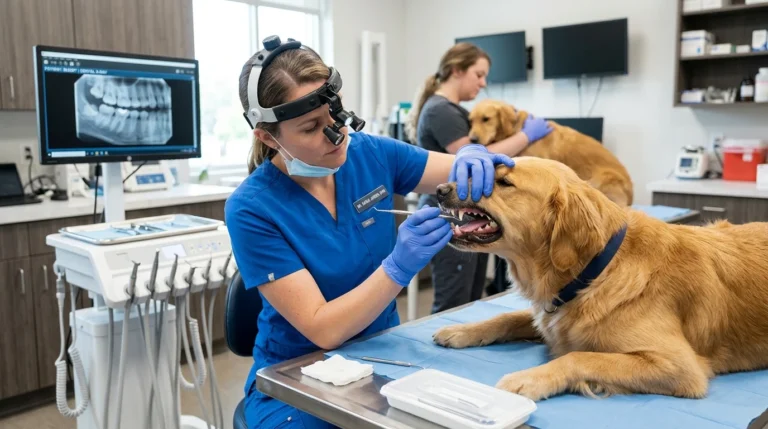
A vet visit for chronic paw licking typically involves a physical examination, skin cytology to identify bacteria or yeast, and potentially allergy testing or a diet trial recommendation. Prescription treatments such as antifungal medication, antibiotics, or veterinary antihistamines are far more effective than home remedies for established infections.
How to Prevent Paw Licking Before It Starts
These habits significantly reduce the likelihood of paw licking becoming a recurring problem:
- Wipe paws after every outdoor outing with a damp cloth or pet-safe wipe
- Keep the fur between the toes trimmed short to reduce moisture retention
- Check paw pads weekly for cracks, debris, or early signs of irritation
- Apply paw balm before walks during dry or cold weather to protect pad integrity
- Avoid known allergen hotspots during peak pollen season
- Feed a high-quality diet appropriate for your dog’s age, breed, and health status
- Maintain regular grooming and bathing with a gentle, oatmeal-based or hypoallergenic shampoo
Frequently Asked Questions: Dog Paw Licking
Why does my dog lick his paws at night?
Nighttime paw licking is often linked to anxiety or boredom, as the household quiets down and the dog has less stimulation to distract them. It can also reflect allergen accumulation from the day, particularly if the dog has been outdoors. A calming bedtime routine, a chamomile soak before bed, and increased daytime exercise can all help reduce nighttime licking.
Is apple cider vinegar safe to put on dog paws?
Diluted apple cider vinegar (one part ACV to two parts water) is safe on intact skin. It should never be applied to broken, cracked, or raw skin, as the acidity causes significant pain and can damage healing tissue. Always dry the paws completely after soaking, as leaving them damp can worsen yeast and bacterial issues.
Why does my dog lick their paws after going outside?
Post-walk paw licking is usually caused by contact allergens: grass pollen, mold, lawn chemicals, sidewalk salts, or general outdoor debris. Wiping paws immediately after outdoor time with a damp cloth removes the bulk of these irritants before they trigger a licking response. Paw balm applied before walks creates a barrier that reduces allergen penetration.
Can I use coconut oil to stop my dog from licking their paws?
Coconut oil is effective for dry, cracked paw pads and as a mild antimicrobial barrier. However, it should not be used if a yeast infection is present, as its fatty acid content feeds yeast and will worsen the infection. When in doubt about whether yeast is involved, check for a corn chip smell and rust-colored staining between the toes before applying.
How long does it take for home remedies to work?
For mild environmental irritation, consistent application of appropriate home remedies typically shows improvement within three to seven days. Yeast-related licking may take two to three weeks of consistent antifungal treatment to fully resolve. If there is no improvement after seven to ten days of home treatment, the underlying cause likely requires veterinary diagnosis and prescription treatment.
Should I stop my dog from licking their paws?
Yes, chronic licking should be interrupted even while you work on treating the root cause. Continued licking makes the skin raw, introduces bacteria from the mouth, and creates a self-perpetuating itch-lick cycle. A properly fitted recovery collar (cone), dog boots, or bitter-tasting paw sprays designed for dogs can all interrupt the licking pattern while treatment takes effect.
What is the brown stuff between my dog’s toes?
Brown or rust-colored staining between the toes is caused by porphyrins, a pigment present in dog saliva. Heavy porphyrin staining indicates chronic, significant licking in that area. The staining itself is not harmful, but it signals that licking has been extensive and ongoing. Underlying yeast infections also cause a brownish discoloration and a distinctive musty or corn chip odor.
When should I be worried about my dog licking their paws?
Worry is warranted when licking is constant rather than occasional, when the skin becomes visibly damaged, when there is swelling, odor, or discharge, or when home remedies have been tried consistently for more than a week without improvement. These signs indicate a level of infection or underlying condition that requires professional treatment rather than home management.
Final Word: Should You Rely on Home Remedies for Paw Licking?
Home remedies are a reasonable first response to mild, early-stage paw licking in otherwise healthy dogs. A diluted ACV soak, paw balm, allergen management, and paw wiping after walks will resolve many cases without a vet visit. The key is to identify the likely cause first, choose the remedy that matches it, and avoid the ones that can worsen the situation.
Paw licking that persists, worsens, or is accompanied by skin damage, odor, or swelling is beyond the scope of home treatment. A vet visit at that point is not optional. Established yeast infections and bacterial hot spots require prescription antifungals or antibiotics that simply cannot be substituted with pantry remedies.
When in doubt, wipe those paws after every walk, apply a protective balm, and book the appointment. Your dog will thank you.
Sources and References
Merck Veterinary Manual: Pruritus in Dogs and Cats. merckvetmanual.com
VCA Animal Hospitals: Itchy Dogs: Causes, Diagnosis, and Treatment. vcahospitals.com
PetMD: Why Is My Dog Licking Their Paws? (Updated Jan. 2025). petmd.com
American Kennel Club: Why Do Dogs Lick Their Paws? akc.org
ASPCA Animal Poison Control Center: aspca.org/pet-care/animal-poison-control
Pet Poison Helpline: Toxic Household Products for Pets. petpoisonhelpline.com
Tufts University Cummings School of Veterinary Medicine: Food Allergy vs. Environmental Allergy in Dogs. vet.tufts.edu
Discover More:-
- Dog Cage in Car: The Complete Safety Guide for Traveling with Your Dog 2026
- Dog Car Seat Covers: The Complete Guide to Protecting Your Car and Your Pet

Dr. Ubaid Ur Rehman, DVM is a qualified veterinarian with expertise in pet health, nutrition, and preventive care. He is passionate about helping pet owners make informed decisions through accurate, research-based, and practical advice. As a veterinary professional, he reviews and contributes content to ensure reliable information for dog and pet owners.