Home Remedies for Dog Scooting: 11 Safe Ways That Really Work 2026
Quick Answer: If your dog has been scooting for less than 48 hours and is otherwise acting normal, a few targeted home remedies are a reasonable first step. If scooting is severe, persistent, accompanied by scooting and licking, or if you can see visible discharge or swelling near the anus, contact your vet.
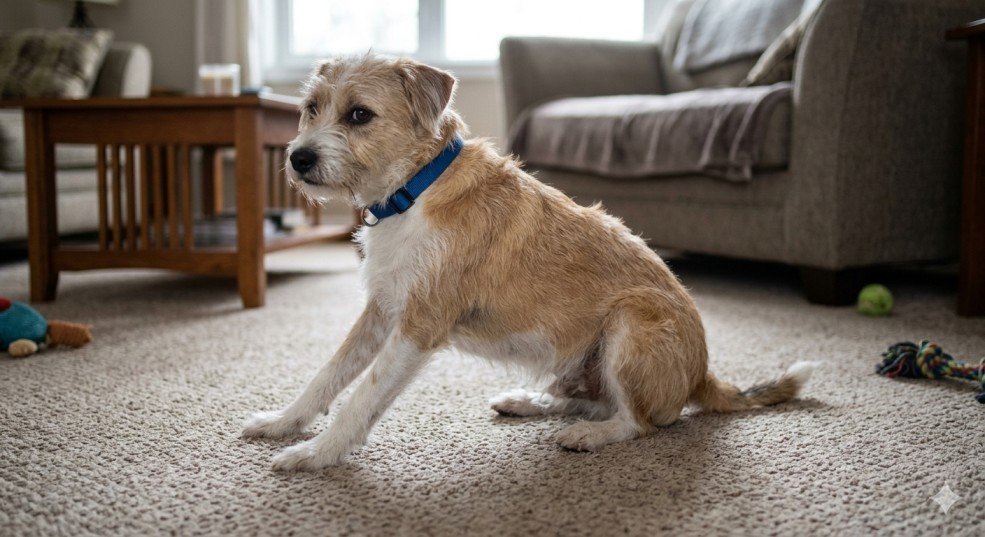
Your dog is dragging their bottom across the carpet again. It is embarrassing at dinner parties, frustrating to clean up, and frankly a little concerning. Before you panic or rush to the vet over something manageable at home, take a breath. Scooting is extremely common in dogs, and the cause is not always what owners assume.
This guide gives you the full, vet-backed picture: why dogs scoot, which home remedies actually work, which are a waste of time or risky, and exactly when scooting crosses the line from a minor annoyance into a veterinary emergency.
Home Remedies for Dog Scooting: The Short Answer
Dog scooting is most commonly caused by full or impacted anal glands, intestinal worms, food allergies, or simple skin irritation. Mild scooting from anal gland pressure or diet issues can often be managed at home with dietary fiber, omega-3 supplements, and a warm compress. Scooting caused by worms or infection always requires veterinary treatment.
The most important thing most competitor articles skip: scooting is a symptom, not a diagnosis. Treating the symptom without identifying the cause leads to recurring problems. This guide helps you figure out which cause is most likely before recommending any remedy.
Why Do Dogs Scoot? The Real Causes
Before throwing remedies at the problem, you need to know what is actually causing your dog to scoot. The most common causes, in order of frequency, are:
1. Full or Impacted Anal Glands
Anal glands (also called anal sacs) are two small scent glands located just inside the anus at the 4 and 8 o’clock positions. They normally express a small amount of fluid during bowel movements. When they do not empty properly, they become full, uncomfortable, or impacted.
This is the number one cause of scooting in dogs. Small breeds, heavy dogs, and dogs with consistently soft stools are at highest risk. Signs of full or impacted anal glands include scooting, licking or biting at the base of the tail, a fishy smell coming from the rear, and visible swelling near the anus.
2. Intestinal Worms
Tapeworms and pinworms can cause intense itching and irritation around the anus, prompting scooting. If you see small, white rice-like segments around your dog’s anus or in their stool, tapeworms are the likely culprit. This cause cannot be resolved with home remedies alone. Dewormers prescribed or recommended by your vet are required.
3. Food Allergies and Sensitivities
Food allergies frequently cause skin irritation, inflammation, and changes in stool consistency that affect how well anal glands express naturally. Common allergens for dogs include chicken, beef, dairy, wheat, and soy. If your dog’s scooting is chronic and comes along with itching elsewhere, skin redness, or recurring ear infections, food allergy is a strong suspect.
4. Skin Irritation and Contact Dermatitis
Grooming products, household cleaners, grass allergies, or even a rough carpet can irritate the sensitive skin around the anus. This type of scooting tends to be short-lived and resolves once the irritant is removed.
5. Rectal Prolapse or Infection
Less common but serious: an infected anal gland (anal sacculitis), rectal prolapse, or perianal fistulas can all cause scooting. These require immediate veterinary care. Home remedies are not appropriate for these conditions.
What Makes Dog Scooting Worse?
Several factors increase the likelihood of scooting or turn a mild issue into a chronic one:
- Soft or inconsistent stools: Loose stools do not create enough pressure during defecation to naturally express the anal glands.
- Low-fiber diet: Fiber adds bulk to stool, which is critical for anal gland expression. Many commercial dog foods are low in fiber.
- Obesity: Excess body fat compresses the anal glands and prevents normal expression.
- Breed predisposition: Toy breeds such as Chihuahuas, Toy Poodles, and Dachshunds have naturally narrower anal gland ducts and are more prone to impaction.
- Chronic food allergies: Ongoing allergic inflammation makes the entire rear area more reactive and irritated.
- Infrequent grooming: Long hair around the anus can trap fecal material and cause irritation.
Home Remedies for Dog Scooting That Actually Work
These remedies are appropriate when scooting is mild, recent, and not accompanied by visible swelling, discharge, or signs of pain. Always identify the likely cause before starting any remedy.
1. Dietary Fiber Supplementation
Adding fiber to your dog’s diet is one of the most effective long-term solutions for dogs whose scooting is caused by consistently soft stools and poor anal gland expression. Bulkier stools naturally put more pressure on the anal glands during defecation, helping them empty on their own.
The most practical and vet-recommended fiber source for dogs is plain canned pumpkin (not pumpkin pie filling, which contains sugar and spices).
- Small dogs (under 20 lbs): 1 to 2 teaspoons per day, mixed into food
- Medium dogs (20 to 50 lbs): 1 to 2 tablespoons per day
- Large dogs (over 50 lbs): 2 to 4 tablespoons per day
Other fiber sources include plain cooked sweet potato, psyllium husk (unflavored, unsweetened), and green beans. Introduce any new fiber source gradually to avoid causing loose stools, which would make the problem worse.
2. Warm Compress on the Anal Area
A warm, damp compress applied to the area just below the base of the tail can relieve discomfort, reduce mild swelling, and help soften impacted anal gland secretions. This remedy is appropriate for dogs with visibly uncomfortable but not infected anal glands.
- Soak a clean washcloth in warm (not hot) water
- Wring it out and press gently against the anal area for 5 to 10 minutes
- Repeat 2 to 3 times daily until scooting improves
Important: do not attempt to manually express your dog’s anal glands at home unless you have been specifically trained by a vet or groomer. Incorrect manual expression can rupture the gland or cause injury.
3. Omega-3 Fatty Acid Supplements
Omega-3 fatty acids, particularly EPA and DHA found in fish oil, reduce systemic inflammation. This is relevant for scooting driven by food allergies or inflammatory skin conditions. They also support the overall health of the skin and mucosal tissue lining the anal glands.
Use a fish oil supplement specifically formulated for dogs. General dosing guidelines from veterinary nutritionists suggest 20 mg EPA and DHA combined per pound of body weight per day, but follow the label on your specific product or ask your vet for personalized guidance.
4. Probiotic Supplements
A healthy gut microbiome contributes to consistent stool quality. Dogs with dysbiosis (imbalanced gut bacteria) often have inconsistent stools, which compromises natural anal gland expression. Adding a canine probiotic supplement may improve stool consistency over 2 to 4 weeks.
Look for products with multiple Lactobacillus and Bifidobacterium strains, formulated specifically for dogs. Human probiotics are not equivalent and some strains are poorly suited to canine gut biology.
5. Elimination Diet for Food Allergies
If your dog has chronic scooting along with other allergy signs (itchy paws, recurring ear infections, skin redness), a food elimination trial is the most reliable way to identify the trigger. This involves feeding a novel protein and carbohydrate that your dog has never eaten before for 8 to 12 weeks.
Common novel protein choices include venison, rabbit, duck, and kangaroo. During the elimination trial, your dog should eat nothing else: no treats, no table scraps, no flavored medications. If scooting and other symptoms resolve, you have likely found the dietary cause.
This process works best under veterinary guidance, but the dietary change itself can be started at home.
6. Anal Gland Expression at the Groomer
While not a home remedy in the strictest sense, scheduling regular anal gland expression at a groomer or vet clinic is a practical management strategy for dogs prone to impaction. Most dogs never need this done; dogs who are chronic scooters often benefit from having it done every 4 to 8 weeks.
If you want to learn to do this at home, ask your vet to show you the external expression technique. External expression is safer than internal expression and is appropriate for dogs with mild fullness rather than deep impaction.
Home Remedies for Dog Scooting to Avoid
Not every natural remedy touted online is safe or effective. These are the ones to skip:
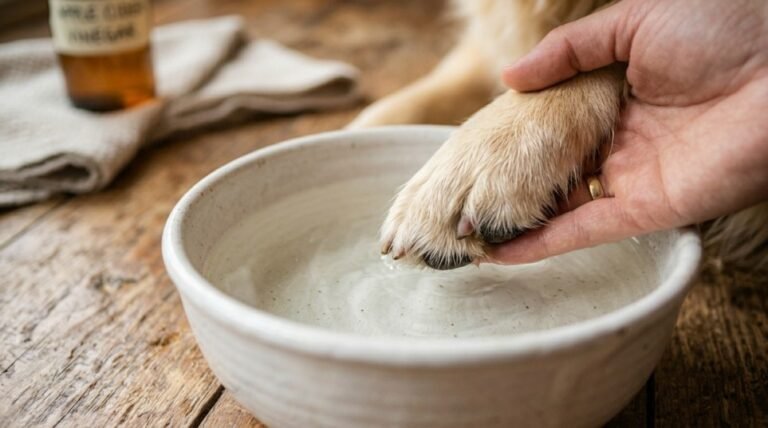
- Undiluted apple cider vinegar applied directly to the anus: ACV is acidic and can chemically burn already-irritated tissue. If you use it at all, dilute it significantly and apply only to intact skin, not inflamed or raw areas.
- Coconut oil applied internally near the anal opening: There is no credible evidence this helps with anal gland impaction. It can attract bacteria and worsen infection in already-irritated tissue.
- Manual at-home anal gland expression without training: Incorrect technique can rupture the gland, push infection deeper into the tissue, or cause a painful abscess.
- Ignoring worms and treating only the scooting: If worms are the cause, dietary changes and compresses will provide no relief. Deworming medication is required.
- Spicy or heavily seasoned foods to ‘stimulate’ digestion: This causes GI irritation and can make loose stools worse, not better.
Dog Scooting Home Remedy Reference Table
| Remedy | How It Helps | Frequency | Verdict |
| Dietary fiber (pumpkin) | Firms stool, reduces anal sac pressure | Daily, small amounts | Highly effective |
| Omega-3 fish oil | Reduces inflammation in anal gland tissue | Daily with meals | Recommended |
| Warm compress | Soothes irritated tissue, may help expression | 2 to 3 times daily | Good for mild cases |
| Probiotic supplements | Restores gut balance, improves stool consistency | Daily | Supportive |
| Coconut oil (topical) | Mild antibacterial soothing for outer irritation | 1 to 2 times daily | Limited evidence |
| Apple cider vinegar (diluted) | Antiseptic for skin irritation around anus | Use with caution | Weak evidence |
| Elimination diet | Identifies food allergies driving scooting | 4 to 8 weeks | Highly recommended |
When to Stop Trying Home Remedies and Call Your Vet
Home remedies are appropriate for mild, recent scooting in an otherwise healthy dog. The following situations require professional veterinary assessment:
- Scooting persists beyond 72 hours despite home treatment
- You can see visible swelling, redness, or a lump near the anus
- There is any discharge (brownish fluid, blood, or pus) from the anal area
- Your dog appears to be in pain when you touch the rear area or when they defecate
- You see rice-like segments around the anus or in the stool (tapeworm segments)
- Your dog is also licking obsessively at their rear and showing signs of distress
- Scooting has become a recurring pattern happening every few weeks
Anal gland infections (anal sacculitis) and anal gland abscesses are painful and potentially serious. An abscess can rupture through the skin, creating an open wound that requires surgical cleaning and antibiotics. Catching an infection early dramatically improves the outcome.
What to Do If Your Dog Is Scooting Right Now
Here is a step-by-step approach based on what you are observing:
1: Look at the Rear Area
- Check for visible swelling, redness, discharge, or open wounds. If you see any of these, skip home remedies and go to the vet.
- Check for small white segments around the anus. If present, call your vet for a deworming prescription.
- Check the stool: is it firm or loose? Loose stools are a major contributing factor.
2: Assess How Long It Has Been Happening
- Less than 48 hours, no visible abnormalities: try dietary fiber and a warm compress first.
- More than 72 hours or getting worse: call your vet.
- Recurring pattern over weeks or months: discuss food allergy testing and anal gland management plan with your vet.
3: Who to Contact If Needed
- Your vet: First point of contact for any persistent or painful scooting.
- ASPCA Animal Poison Control: (888) 426-4435, if you suspect your dog ingested something causing GI irritation that is driving the scooting.
- Pet Poison Helpline: (855) 764-7661, for 24/7 toxicology guidance if a chemical product may be involved.
Does Breed or Age Affect Scooting Risk?
Yes, and this is a detail most competitor articles skip entirely. Anal gland problems and the scooting that follows are significantly more common in certain populations:
- Small and toy breeds: Chihuahuas, Shih Tzus, Lhasa Apsos, Miniature Poodles, and Dachshunds are disproportionately represented in anal gland cases at veterinary clinics. Their anal gland ducts are narrower relative to body size.
- Heavy dogs of any breed: Excess tissue around the rear area physically blocks natural anal gland expression. Weight loss is part of the treatment plan for heavy dogs with chronic scooting.
- Puppies: Young dogs are more likely to have intestinal worms. Scooting in a puppy should prompt a fecal parasite test before trying any other remedy.
- Senior dogs: Older dogs often develop reduced anal gland muscle tone and may need more frequent professional expression as they age.
Frequently Asked Questions: Dog Scooting
Why is my dog scooting on the carpet?
The carpet provides friction that relieves itching or pressure. The most common causes are full anal glands, intestinal worms, food allergy-related skin irritation, or simple skin inflammation. Identifying the cause before treating will get you to a solution faster.
Can I express my dog’s anal glands at home?
External anal gland expression can be done at home by owners who have been shown the technique by a vet or groomer. Internal expression (inserting a gloved finger into the anus to reach the gland) should only be done by a veterinary professional. Incorrect technique risks injury, rupture, or introducing infection.
Does pumpkin help with dog scooting?
Yes, for dogs whose scooting is caused by soft stools and poor anal gland expression. Plain canned pumpkin adds dietary fiber that firms up stool and creates the pressure needed during defecation to naturally empty the anal glands. It will not help if the cause is worms, infection, or food allergy.
How long does it take for home remedies to work?
Dietary changes such as adding fiber or switching proteins take 1 to 3 weeks to produce a noticeable change in stool consistency. Omega-3 supplements may take 3 to 6 weeks for anti-inflammatory benefits. A warm compress can provide immediate temporary relief of discomfort. If there is no improvement within 5 to 7 days of consistent home treatment, see your vet.
Is dog scooting always about anal glands?
No. While anal gland issues account for the majority of scooting cases, intestinal parasites, food allergies, skin infections, and contact irritation are all real causes. Assuming all scooting is anal gland-related and skipping a proper diagnosis is a mistake that leads to prolonged discomfort for the dog.
Can a dog scoot after grooming?
Yes. Groomers routinely express anal glands as part of a full groom. Post-grooming scooting is usually due to mild irritation from the expression itself and typically resolves within 24 hours. If it persists beyond 48 hours or is accompanied by swelling or discharge, the anal glands may have been incompletely expressed or there may be an underlying issue.
What does it mean when a dog is scooting and licking?
Scooting combined with persistent licking at the rear is a stronger signal of significant discomfort. This combination is more commonly seen with infected anal glands, tapeworms, or a skin wound. It warrants a veterinary visit sooner rather than a wait-and-see approach.
What foods cause dogs to scoot?
Foods that produce consistently soft stools can indirectly cause scooting by preventing anal gland expression. High-fat foods, dairy, and abrupt diet changes are common culprits. Foods that trigger allergic reactions (chicken, beef, wheat, soy, dairy) can cause inflammation and irritation around the anal area. Identifying and eliminating the trigger food is part of the long-term solution.
Safe Dietary Additions That Support Anal Gland Health
If you want to proactively reduce your dog’s risk of scooting, these additions support consistent stool quality and anal gland function:
- Plain canned pumpkin: The most practical source of soluble fiber. Widely available, inexpensive, and palatable for most dogs.
- Cooked sweet potato: Another excellent fiber source with additional beta-carotene and vitamins.
- Green beans: Low calorie, high fiber, and useful for heavy dogs where weight reduction is part of the management plan.
- Fish oil (EPA and DHA): Reduces inflammation throughout the body, supports skin health, and may indirectly support anal gland tissue.
- Novel protein diet: For dogs with food allergies, switching to a limited ingredient diet with a novel protein reduces the allergic load driving skin and GI inflammation.
- Plain low-sodium bone broth: Supports gut lining integrity and hydration, both of which contribute to stool consistency.
Final Word: Should You Treat Dog Scooting at Home?
Mild, recent scooting in an otherwise healthy dog is often manageable at home with dietary fiber, omega-3 supplements, and a warm compress. These approaches address the most common cause (anal gland fullness due to soft stools) and provide relief without a vet visit.
But scooting is a symptom, not a condition. Dogs with worms, anal gland infections, food allergies, or anatomical problems will not improve with home treatment alone. If your dog has been scooting for more than a few days, is scooting and licking obsessively, or if you see any swelling or discharge near the anus, do not delay a veterinary visit.
When in doubt, a quick vet check is far less expensive than treating a ruptured anal gland abscess that has been allowed to progress unchecked.
Sources and References
- Merck Veterinary Manual: Anal Sac Disease in Dogs. merckvetmanual.com
- VCA Animal Hospitals: Anal Gland Problems in Dogs. vcahospitals.com
- ASPCA: Anal Gland Information and Care. aspca.org
- PetMD: Why Is My Dog Scooting? (Updated 2025). petmd.com
- American Kennel Club: Dog Scooting Explained. akc.org
- Chewy: Home Remedies for Dog Scooting. chewy.com
- Purina: Why Do Dogs Scoot and What Can You Do? purina.com
Discover More:-
- Dog Car Seat Covers: The Complete Guide to Protecting Your Car and Your Pet
- Jinx Dog Food Review: Is It Worth It? A Complete, Vet-Backed Guide 2026

Dr. Ubaid Ur Rehman, DVM is a qualified veterinarian with expertise in pet health, nutrition, and preventive care. He is passionate about helping pet owners make informed decisions through accurate, research-based, and practical advice. As a veterinary professional, he reviews and contributes content to ensure reliable information for dog and pet owners.