Can Dogs Eat Cucumbers Every Day? What Vets Recommend 2026
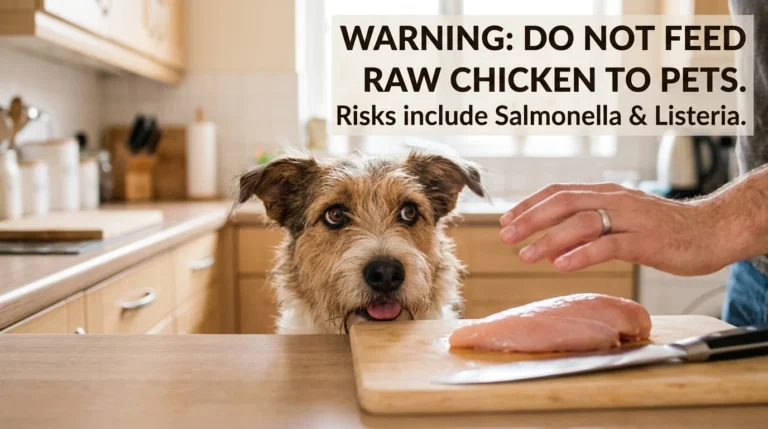
Quick Answer: Plain, fresh cucumber is safe for dogs in reasonable amounts. The flesh, skin, and seeds are all non-toxic. The only real risks are overfeeding (which causes stomach upset) and adding seasonings like salt, vinegar, or garlic (which are harmful). Pickles are not the same as cucumbers and should be avoided entirely.
Your dog is eyeing that cucumber slice on your cutting board. Before you toss one over, you deserve a straight answer backed by actual veterinary sources not a vague “it depends” with no useful details. This guide gives you the complete picture.
We cover everything dog owners actually search for: whether cucumbers are safe, which parts to avoid, how much is too much, what happens if your dog eats cucumber seeds or skin, and when a cucumber treat goes from healthy snack to vet visit.
Can Dogs Eat Cucumbers? The Short Answer
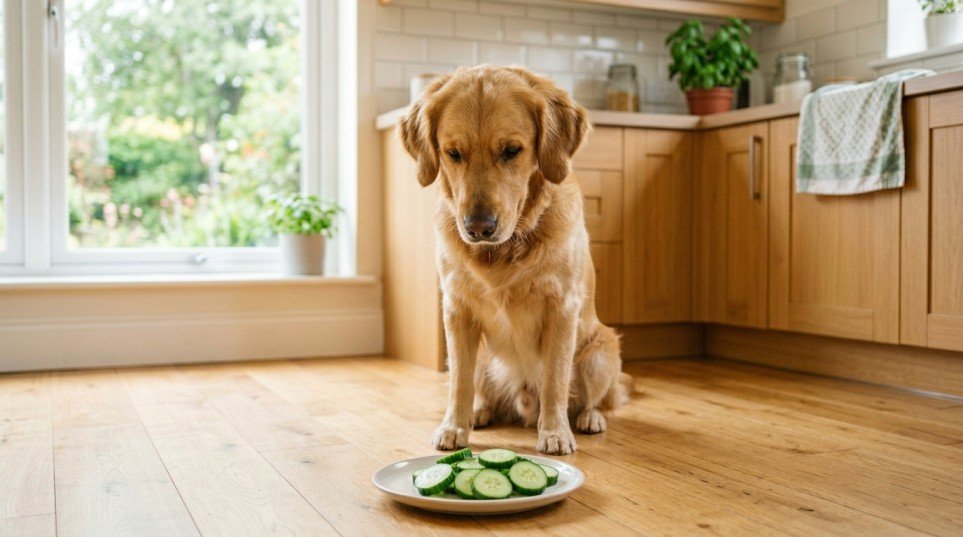
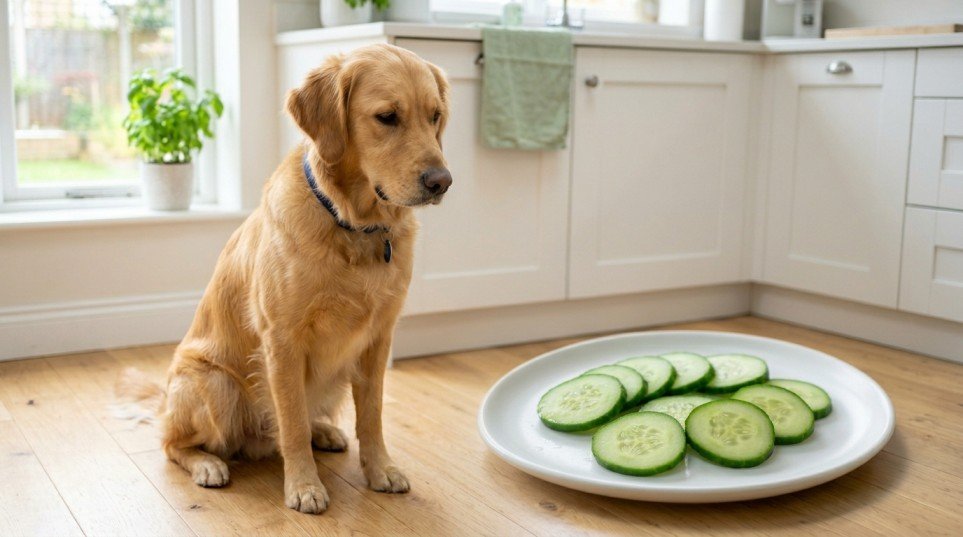
Yes, dogs can eat cucumbers and cucumbers are actually one of the safest, lowest-calorie treats you can give a dog. They are non-toxic, low in fat, and high in water content, making them a particularly good choice for heavy dogs or dogs on restricted diets.
Unlike avocados or grapes, cucumbers do not contain compounds specifically toxic to dogs. The concern with cucumbers is almost entirely about quantity and preparation not the vegetable itself.
What Makes Cucumbers Safe for Dogs?
1. Low Calorie, High Water Content
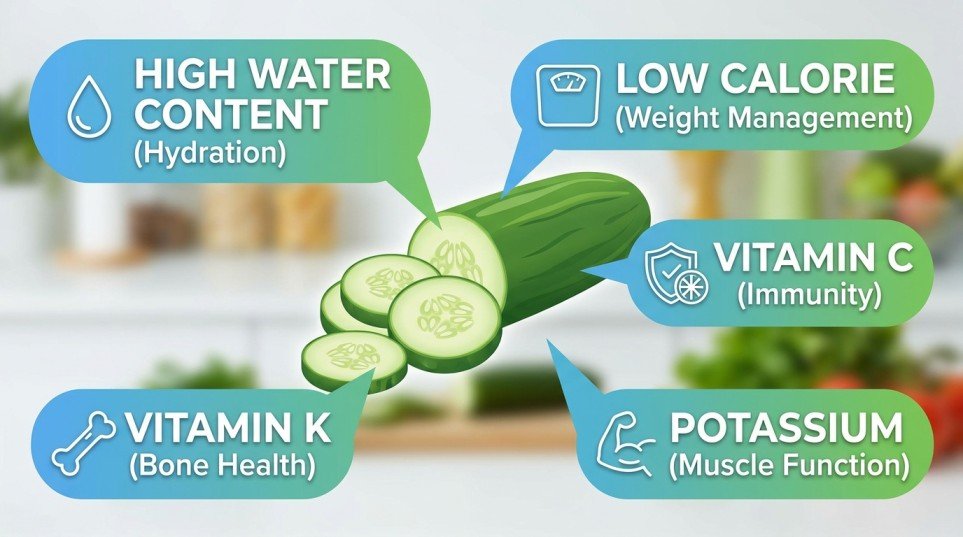
Cucumbers are approximately 96 percent water. A whole cup of sliced cucumber contains fewer than 20 calories. For context, a standard dog treat can contain 30 to 50 calories per piece. This makes cucumber a genuinely useful low-calorie reward for dogs that are heavy, diabetic, or on a calorie-controlled diet.
2. No Toxic Compounds
Cucumbers contain no compounds that are specifically toxic to dogs. The ASPCA does not list cucumbers as a toxic plant for dogs. This sets cucumbers apart from many human foods that carry hidden dangers for dogs, including grapes, onions, garlic, and macadamia nuts.
3. Nutritional Benefits
While cucumbers should not replace a balanced dog food, they do provide:
- Vitamin K supports bone health and proper blood clotting
- Vitamin C an antioxidant that supports immune function
- Potassium supports muscle and nerve function
- Magnesium involved in energy metabolism
- Fiber supports healthy digestion in small amounts
The concentrations of these nutrients in cucumbers are not high enough to meaningfully supplement a dog already eating complete commercial food, but as a treat, they add value rather than just empty calories.
Can Dogs Eat Cucumber Skin?
Yes cucumber skin is safe for dogs. It is not toxic, and it contains a higher concentration of fiber and certain nutrients than the flesh. However, there are two practical reasons to peel the cucumber before giving it to your dog:
- Wax coatings and pesticides: Many commercially sold cucumbers are coated with food-grade wax or treated with pesticides. Washing helps, but peeling is more thorough. If the cucumber is organic and unwaxed, the skin is fine to leave on.
- Digestive sensitivity: In some dogs, especially small breeds or dogs with sensitive stomachs, the tougher skin can cause gas or loose stools. If you notice any digestive upset after feeding cucumber with skin, peel it next time.
The safest approach: wash thoroughly, or peel if you are unsure of the source. No need to panic if your dog ate cucumber skin it is not harmful.
Can Dogs Eat Cucumber Seeds?
Yes, cucumber seeds are safe for dogs. Unlike apple seeds, cherry pits, or avocado pits, cucumber seeds contain no cyanide compounds and pose no choking or blockage risk. They are small, soft, and easily digestible.
Some dogs with very sensitive digestive systems may experience mild gas from cucumber seeds. If your dog has a history of digestive sensitivity, you can scoop the seeds out before serving. For most dogs, this is unnecessary.
How Much Cucumber Can Dogs Eat?
The standard rule of thumb used by veterinary nutritionists is the 10 percent rule: treats of any kind, including vegetables, should make up no more than 10 percent of a dog’s daily caloric intake.
For cucumbers specifically, here are practical guidelines by dog size:
- Small dogs (under 20 lbs, e.g., Chihuahua, Pomeranian): A few thin slices, up to about one quarter of a small cucumber per day.
- Medium dogs (20 to 50 lbs, e.g., Beagle, Cocker Spaniel): Up to half a small cucumber per day, cut into manageable pieces.
- Large dogs (50+ lbs, e.g., Labrador, German Shepherd): Up to a full small cucumber per day, though this is a generous upper limit, not a daily target.
Even though cucumbers are very low in calories, eating too much in one sitting can cause stomach upset, loose stools, or diarrhea primarily because of the high water and fiber content rather than any toxic compound. Start small and increase gradually if your dog tolerates it well.
Cucumber for Dogs: Safety by Part and Preparation
| Form / Part | Toxicity Level | Main Concern | Verdict |
| Fresh flesh (plain) | None | Overfeeding causes GI upset | Safe feed in moderation |
| Cucumber skin | None | Wax/pesticides if unwashed | Safe if washed or organic |
| Cucumber seeds | None | Mild gas in sensitive dogs | Safe for most dogs |
| Pickles | None (brine is the issue) | Salt, vinegar, garlic, spices in brine | Unsafe avoid completely |
| Cucumber with salt | None (salt is the issue) | Salt toxicity risk | Unsafe never add salt |
| Cucumber with dip (e.g., ranch) | Depends on ingredients | Onion, garlic, high fat | Unsafe plain only |
Can Dogs Eat Pickles?
No. This is one of the most important distinctions in this entire guide. Pickles are not just cucumbers they are cucumbers soaked in brine, and brine is what makes them dangerous for dogs.
Standard pickle brine contains:
- Salt: Pickles are extremely high in sodium. A single large dill pickle can contain over 700 mg of sodium far exceeding the recommended daily sodium intake for a medium-sized dog. Salt toxicity in dogs causes excessive thirst, vomiting, diarrhea, and in severe cases, tremors, seizures, and kidney damage.
- Vinegar: While not acutely toxic, the high acidity of vinegar can cause stomach upset, especially in dogs with sensitive digestive systems.
- Garlic and onion (in many pickle recipes): Both are toxic to dogs, causing red blood cell damage and hemolytic anemia. Even a small amount of garlic-infused pickle juice poses a risk.
- Dill and spices: Fresh dill in small amounts is not harmful, but heavily spiced pickle varieties can cause GI irritation.
If your dog grabbed a small piece of plain dill pickle, a single incident is unlikely to cause a serious emergency. But pickles should never be offered intentionally, and any pickle brine or garlic pickle should be treated as a concern worth a call to your vet.
Can Dogs Eat Cucumber With Dip or Dressing?
No. Plain cucumber is safe; anything you dip it in is almost certainly not. Common cucumber dips and why they are unsafe for dogs:
- Ranch dressing: Contains onion powder, garlic powder, high fat, salt, and often buttermilk. Onion and garlic are toxic to dogs in any form.
- Hummus: Often contains garlic, lemon juice, and high salt. Garlic-containing hummus is directly harmful.
- Tzatziki: Made with garlic, which is toxic. Even the garlic flavor is a risk.
- Sour cream or cream cheese: High fat, which can contribute to pancreatitis in susceptible dogs. Not acutely toxic but not recommended.
The rule is simple: if you would not give your dog the dip on its own, do not give it to them on their cucumber either.
Real Benefits of Cucumber for Dogs
Cucumbers are one of the few treats where the marketing language “healthy,” “low calorie,” “hydrating” is actually accurate for dogs.
Hydration Support
At 96 percent water content, cucumbers can be a useful hydration supplement, particularly in hot weather or for dogs that do not drink enough water. This is especially valuable for dogs recovering from illness, senior dogs with reduced thirst response, or dogs exercising outdoors in summer.
Weight Management
For heavy dogs or dogs on a calorie-restricted diet, cucumber is a rare treat that adds volume and crunch without meaningful caloric impact. A handful of cucumber slices is a satisfying, crunchy reward that a dieting dog can enjoy without guilt and without throwing off their diet plan.
Dental Freshness
Cucumbers contain phytochemicals that veterinary sources have noted may help reduce odor-causing bacteria in the mouth. While cucumbers are not a substitute for brushing or dental chews, they are a breath-freshening snack with no downsides for oral health.
Joint and Bone Support
Cucumbers contain silica, a mineral that supports connective tissue health. They also contain vitamin K, which is important for bone metabolism. These are not dramatic therapeutic levels, but for senior dogs already dealing with joint stiffness, cucumber is at minimum a supportive snack rather than an empty one.
What to Do If My Dog Ate Too Much Cucumber
Stay calm. Unlike many other foods that end up on the “can my dog eat this” list, cucumber overconsumption is typically not a poisoning situation it is a digestive situation.
Step 1: Assess What Was Eaten
- Plain cucumber, reasonable amount: Monitor at home. Watch for loose stools or gas.
- Plain cucumber, large amount: Expect possible vomiting or diarrhea. Offer fresh water. Monitor for 24 hours.
- Pickles or cucumber with seasoning: Call your vet the concern is salt, garlic, or onion content.
- Cucumber with dip containing garlic or onion: Call your vet for guidance on observation or treatment.
Step 2: Watch for These Symptoms
After eating a large amount of plain cucumber, watch for these signs in the first 24 hours:
- Loose stools or diarrhea
- Gas or bloating
- Vomiting
- Reduced appetite
- Lethargy (rare with plain cucumber)
These symptoms from plain cucumber overfeeding are typically mild and self-resolving within 24 to 48 hours. Withhold cucumber, offer fresh water, and feed a bland diet if the stomach upset persists.
Step 3: Who to Call
- Your vet: First point of contact if symptoms are concerning or if anything other than plain cucumber was eaten.
- ASPCA Animal Poison Control: (888) 426-4435 available 24/7 (consultation fee may apply).
- Pet Poison Helpline: (855) 764-7661 24/7 toxicology support.
How to Serve Cucumber to Your Dog Safely
The preparation matters almost as much as the vegetable itself. Follow these steps for safe serving:
- Wash thoroughly: Remove surface pesticides and wax coating.
- Peel if needed: Optional for most dogs, but a good idea if the cucumber is not organic or if your dog has a sensitive stomach.
- Remove seeds for sensitive dogs: Not required, but can reduce gas in dogs prone to digestive upset.
- Cut into bite-sized pieces: Whole cucumbers or large chunks can be a choking hazard, especially for small dogs. Slice into rounds or sticks appropriate for your dog’s size.
- Serve plain: No salt, no dressing, no seasoning of any kind.
- Freeze for a summer treat: Frozen cucumber slices make a hydrating, crunchy snack that many dogs love, particularly in hot weather.
What About Dog Foods or Treats That Contain Cucumber?
Some commercially available dog treats and fresh-food dog meal services include cucumber as an ingredient. These products are generally safe, as cucumber is a non-toxic vegetable used in controlled amounts as part of a balanced formulation.
If you see cucumber listed in your dog’s food or treats, there is no reason for concern. Look for AAFCO nutritional adequacy statements on complete dog foods to confirm they meet minimum nutritional requirements regardless of their ingredient list.
Safe Alternatives to Cucumber for Dogs
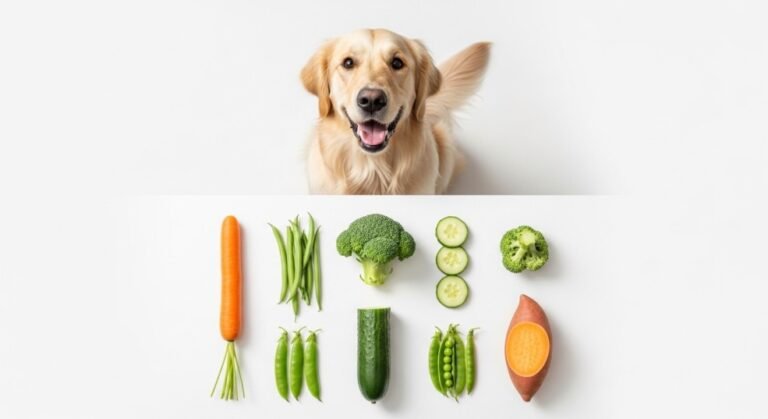
If your dog does not enjoy cucumber or you want to rotate their treat options, these vegetables and fruits are similarly safe and low-calorie:
- Carrots: Excellent for dental health and very low in calories. Can be given raw or frozen.
- Zucchini: Similar profile to cucumber low calorie, non-toxic, and most dogs enjoy it.
- Celery: High water content, low calorie, and also noted for freshening breath.
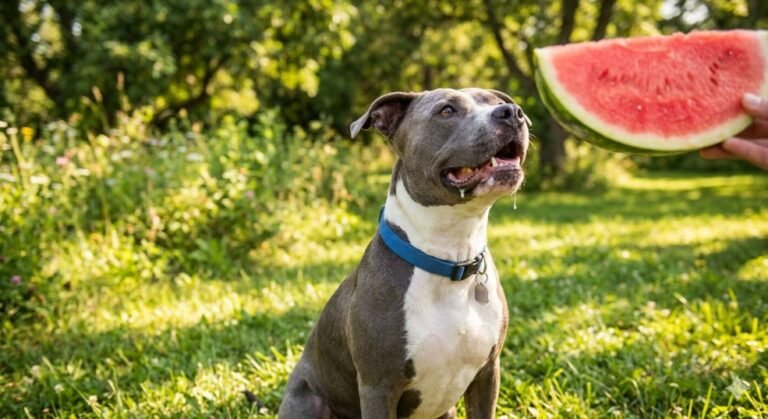
- Watermelon (no seeds or rind): Extremely hydrating and sweet. Remove seeds and rind before serving.
- Blueberries: Rich in antioxidants and vitamin C. Small enough to use as training treats.
- Green beans (plain): Low in calories and high in fiber. Often used in weight management protocols for dogs.
Frequently Asked Questions: Dogs and Cucumbers
Are cucumbers safe for dogs?
Yes. Plain, fresh cucumbers are one of the safest vegetables you can offer a dog. They contain no compounds toxic to dogs, are very low in calories, and are highly hydrating. The main caveats are to serve them plain and in reasonable quantities.
Can dogs eat cucumber skin?
Yes, cucumber skin is safe for dogs. It is not toxic. The only practical concerns are surface pesticides or wax on commercially grown cucumbers, which washing or peeling addresses. Dogs with very sensitive stomachs may do better without the skin due to its fiber content.
Can dogs eat cucumber seeds?
Yes. Cucumber seeds are soft, small, and contain no toxic compounds. Unlike apple seeds or cherry pits, they pose no cyanide risk and no choking or blockage concern. Dogs with sensitive digestion may experience mild gas, but this is not dangerous.
Can dogs eat pickles?
No. Pickles are cucumbers preserved in brine, which is high in sodium and often contains garlic or spices. The salt content alone can cause toxicity in dogs. Never offer pickles intentionally, and monitor your dog if they snatched one accidentally.
How much cucumber can a dog eat per day?
Following the 10 percent rule for treats: a few slices for small dogs, up to half a small cucumber for medium dogs, and up to a full small cucumber for large dogs but only if they tolerate it well and it fits within their daily caloric allowance.
Is cucumber good for dogs with diabetes?
Cucumber is one of the best treat options for diabetic dogs due to its extremely low sugar and calorie content. However, any dietary changes for a diabetic dog should be discussed with your veterinarian first.
Can dogs eat cucumber every day?
Yes, in small amounts, plain cucumber is safe as a daily treat. There is no known accumulation risk or toxicity with regular cucumber consumption in dogs. Just keep it within the 10 percent treat rule and make sure it does not replace a balanced meal.
What should I do if my dog ate cucumber with seasoning or dip?
Identify the seasoning or dip. If it contained garlic, onion, or a large amount of salt, call your vet or ASPCA Animal Poison Control at (888) 426-4435. A small lick of plain-flavored dip is unlikely to be an emergency, but garlic or onion exposure warrants a vet call.
Final Word: Should You Feed Your Dog Cucumber?
Cucumbers are genuinely one of the best treat choices for dogs. They are safe, low-calorie, hydrating, and easy to prepare. The flesh, skin, and seeds are all non-toxic. For heavy dogs, diabetic dogs, or dogs that simply need a crunchy, refreshing snack, cucumber is as close to a guilt-free treat as you will find.
The rules are simple: serve plain, wash well, cut into appropriate pieces, and keep portions reasonable. Avoid pickles, avoid adding salt or seasonings, and never serve cucumber with any dip that contains garlic or onion.
If your dog ate a small piece of plain cucumber even skin and seeds there is nothing to worry about. If they got into pickles or seasoned cucumber, a call to your vet is the right move.
When in doubt, plain is always safe. Slice it, freeze it, or toss it whole to a large dog cucumber is one treat where you do not need to second-guess yourself.
Reviewed & Recommended by Dr. Ubaidur Rahman, DVM
Veterinary Review: Dr. Ubaidur Rahman, DVM, reviewed this guide for veterinary accuracy, cucumber safety, appropriate serving practices, and the potential risks of feeding cucumbers to dogs.
Dr. Ubaidur Rahman’s Recommendation: Cucumbers are generally safe for dogs and can be offered as an occasional low-calorie treat. Wash them thoroughly and cut them into small, manageable pieces to make them easier for your dog to eat. Avoid pickles and cucumbers prepared with salt, garlic, onions, or other seasonings that may be harmful to dogs.
Discover More:-
- Can Dogs Eat Blueberries? Vet-Approved Guide (2026),Safe Amounts, Benefits & Risks
- What Human Food Can Dogs Eat? Vet-Approved List 2026

Dr. Ubaid Ur Rehman, DVM is a qualified veterinarian with expertise in pet health, nutrition, and preventive care. He is passionate about helping pet owners make informed decisions through accurate, research-based, and practical advice. As a veterinary professional, he reviews and contributes content to ensure reliable information for dog and pet owners.