What Fruits Can Dogs Eat? 35 Safe Fruits Every Owner Should Know 2026
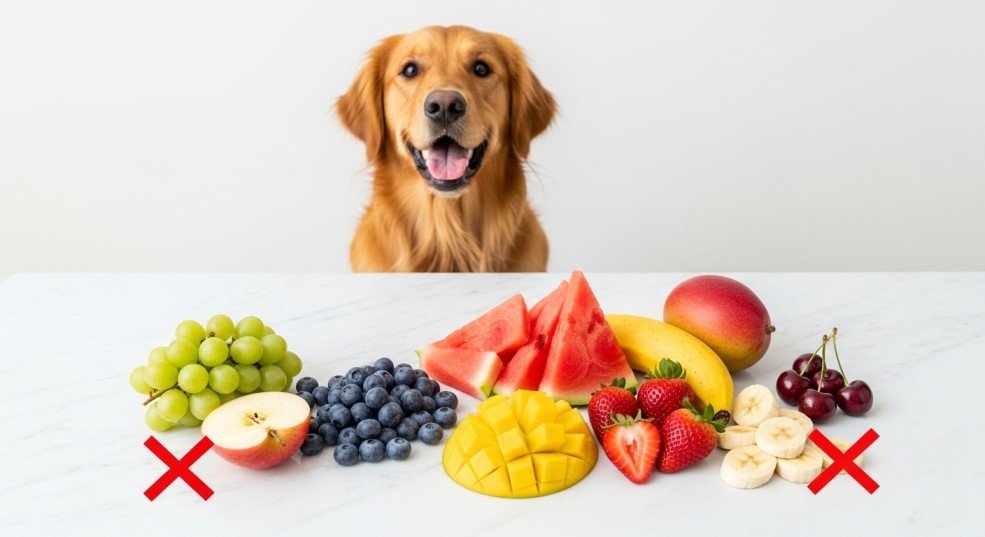
Quick Answer: Dogs can safely enjoy fruits like blueberries, watermelon, apples, and bananas as occasional treats. Grapes, raisins, and cherries are toxic and should never be given. Citrus fruits and stone fruits require caution due to their seeds, pits, and acid content.
Your dog is eyeing the fruit bowl. Maybe they already snagged a grape, or you are wondering whether that slice of watermelon is a treat or a trip to the emergency vet. The truth about dogs and fruits is more nuanced than most pet owners realize, and the stakes are higher than you might think.
This guide covers everything dog owners actually search for: which fruits are safe, which are toxic, how much is too much, what to do if your dog ate something they should not have, and why some “healthy” human fruits are silent dangers for dogs.
Can Dogs Eat Fruit? The Short Answer
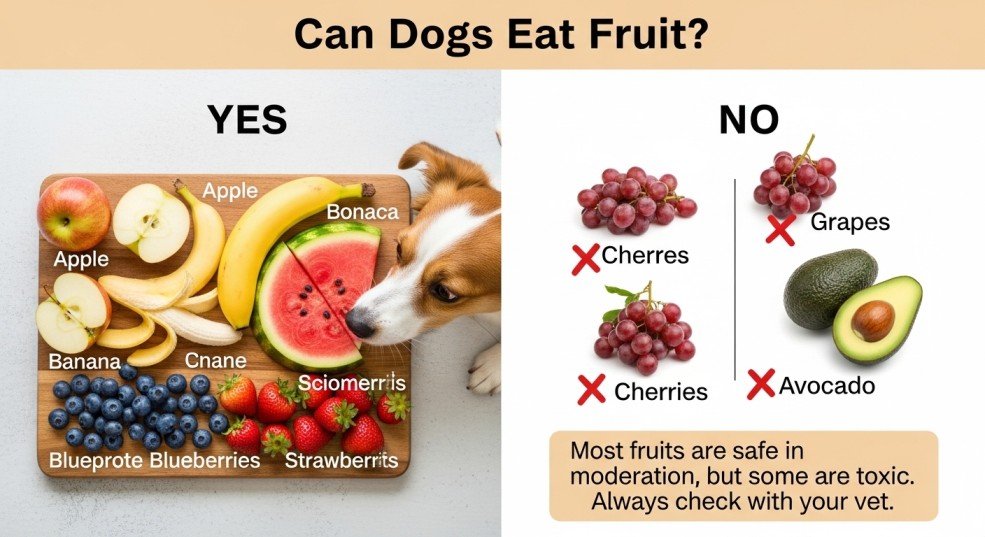
Yes, many fruits are safe for dogs in moderate amounts, and some even offer real nutritional benefits. But several common fruits are genuinely toxic to dogs, and others cause problems due to their sugar content, seeds, or pits.
The wide variety of fruits means there is no single rule. Each fruit comes with its own risk profile, recommended serving size, and parts to avoid. This guide breaks it all down clearly.
Why Fruits Affect Dogs Differently Than Humans
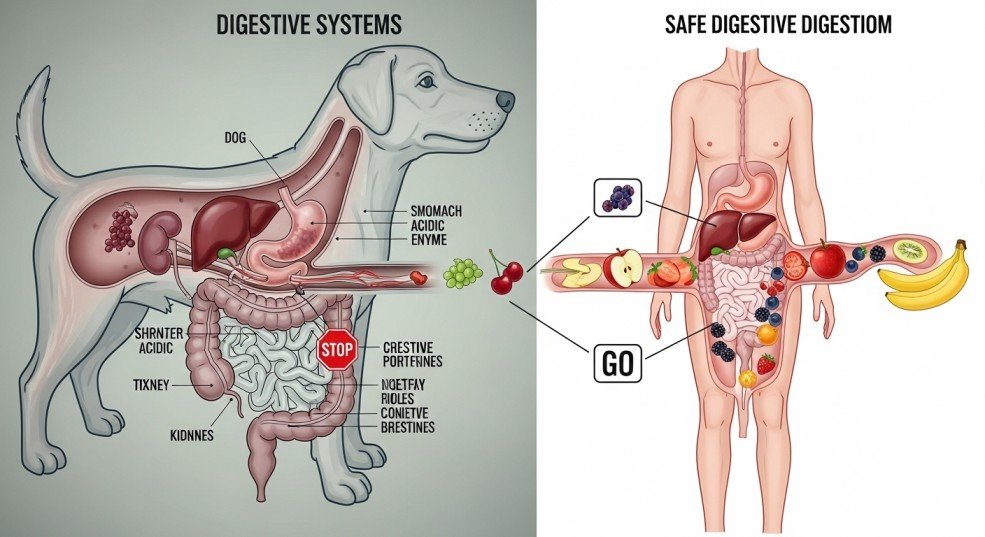
Dogs process certain compounds very differently than people do. A few key differences explain why some human-safe fruits are dangerous for dogs:
- Dogs lack the same enzyme activity humans have for processing certain plant toxins, like those found in grapes.
- Dogs are much smaller than adult humans on average, so sugar and acid content hits harder by body weight.
- Dogs metabolize theobromine, certain sugars, and acidic compounds at a slower rate than humans.
- Their digestive systems are not designed for high-fiber or high-acid foods in the way human digestion is.
This is why a single grape, which poses zero risk to an adult human, can cause acute kidney failure in a dog.
Safe Fruits for Dogs: Complete Quick Reference Table
| Fruit | Safety Level | Key Benefit | Parts to Avoid | Verdict |
| Blueberries | Safe | Antioxidants, vitamin C | None | Recommended |
| Watermelon | Safe | Hydration, vitamins A & C | Seeds, rind | Recommended |
| Apple | Safe | Fiber, vitamins A & C | Seeds, core | Recommended |
| Banana | Safe | Potassium, magnesium | None (high sugar) | Moderation |
| Strawberry | Safe | Vitamin C, fiber | None | Moderation |
| Mango | Safe | Vitamins A, B6, C, E | Pit, skin | Moderation |
| Pineapple | Safe | Bromelain, vitamins | Core, spiky skin | Moderation |
| Pear | Safe | Fiber, vitamin C | Seeds, core | Moderation |
| Cantaloupe | Safe | Beta-carotene, fiber | Rind, seeds | Moderation |
| Peach | Caution | Vitamin A, fiber | Pit (cyanide) | Pit removed only |
| Plum | Caution | Antioxidants | Pit (toxic) | Pit removed only |
| Grapes | TOXIC | None | Entire fruit | Never give |
| Raisins | TOXIC | None | Entire fruit | Never give |
| Cherries | Toxic | None | Pit, stem, leaves | Avoid entirely |
| Avocado | Caution | Healthy fats | Pit, skin, leaves | Tiny flesh only |
Safe Fruits for Dogs: Detailed Breakdown
1. Blueberries
Blueberries are widely considered the best fruit treat for dogs by veterinary nutritionists. They are low in calories, high in antioxidants, and contain vitamins C and K along with fiber. Their small size makes them easy to use as training rewards, and most dogs enjoy them.
Safe serving size: A small handful (8 to 10 berries) for a medium-sized dog. No parts to avoid.
2. Watermelon
Watermelon is over 90 percent water, making it an excellent hydrating treat in warm weather. It contains vitamins A, B6, and C, as well as lycopene, an antioxidant linked to heart health. The flesh is completely safe. The rind is difficult to digest and may cause gastrointestinal upset, and the black seeds can cause intestinal blockage in smaller dogs.
Safe serving size: A few 1-inch cubes of seedless, rind-free flesh for a medium dog.
3. Apple (Without Seeds or Core)
Apples are a good source of vitamins A and C, as well as dietary fiber. They are low in protein and fat, making them a reasonable treat for older dogs on restricted diets. The critical warning: apple seeds contain amygdalin, a compound that releases cyanide when metabolized. A few seeds are unlikely to cause serious harm in a large dog, but regular exposure or a large quantity is dangerous.
Safe serving size: One to two slices, completely cored and seeded, for a medium dog.
4. Banana
Bananas are rich in potassium, magnesium, vitamin B6, and vitamin C. They make a popular frozen treat when mashed and frozen in a Kong toy. The downside is their sugar content, which is high enough to cause blood sugar spikes and contribute to weight gain if given too frequently. Bananas are safe but should remain an occasional treat, not a daily one.
Safe serving size: Two to three thin slices for a medium dog, not daily.
5. Strawberry
Strawberries are safe for dogs and contain fiber, vitamin C, and an enzyme that may help whiten teeth. Like bananas, their natural sugar content means moderation is important. Organic strawberries are preferable since conventional ones frequently appear on lists of high-pesticide produce.
Safe serving size: One to three berries for a small or medium dog, sliced to prevent choking.
6. Mango
Mangoes are rich in vitamins A, B6, C, and E, along with potassium and fiber. The flesh is safe for dogs when the pit and skin are removed. The pit contains cyanide compounds and is a serious choking and obstruction hazard. Mango is also high in sugar, so serving size matters.
Safe serving size: A few small cubes of peeled, pitted flesh for a medium dog.
Toxic Fruits for Dogs: What to Never Give
1. Grapes and Raisins
Grapes and raisins are among the most dangerous foods a dog can eat. The toxic compound has not been definitively identified, which means there is no established safe amount. Even a single grape has caused acute kidney failure in some dogs. Raisins are even more concentrated and therefore more dangerous by weight.
Symptoms of grape or raisin toxicity include vomiting (often within a few hours), lethargy, loss of appetite, abdominal pain, decreased urination, and signs of kidney failure within 24 to 72 hours.
What to do: If your dog eats any grape or raisin, call your vet or ASPCA Animal Poison Control (888-426-4435) immediately. Do not wait for symptoms.
2. Cherries
The flesh of cherries is not toxic to dogs, but the pit, stem, and leaves all contain cyanogenic glycosides, which release cyanide when digested. A dog that eats one or two cherries with pits may show only mild stomach upset, but larger amounts of pits can cause cyanide poisoning.
Symptoms of cyanide toxicity include bright red gums, rapid breathing, dilated pupils, difficulty breathing, and in severe cases, shock. Maraschino cherries without pits are technically safer but are high in sugar and should still be avoided.
3. Citrus Fruits (Lemons, Limes, Grapefruit)
Citrus fruits are not acutely toxic to dogs in small amounts, but their high citric acid and essential oil content irritates the digestive system and can affect the central nervous system in larger quantities. Lemon and lime juice are frequent ingredients in recipes that people share with their dogs, and both should be avoided. The skin and seeds of citrus fruits contain higher concentrations of these compounds.
A dog that licks a lemon slice will likely grimace and walk away. A dog that consumes a meaningful amount of citrus juice or peel may experience vomiting, diarrhea, and in large amounts, tremors and CNS depression.
4. Stone Fruit Pits (Peaches, Plums, Apricots, Nectarines)
The flesh of these fruits is generally safe for dogs, but every pit from every stone fruit contains cyanide compounds. This is not a minor concern. The flesh can be given as an occasional treat once the pit is completely removed. But if a dog crunches through or swallows a pit, they face both cyanide exposure and potential intestinal obstruction.
How Much Fruit Is Safe for Dogs?
Fruit should never make up more than 10 percent of a dog’s daily caloric intake. The reason is not toxicity in most cases, it is sugar. Even natural fruit sugars can contribute to weight gain, blood sugar dysregulation, and dental problems when consumed in large amounts.
A practical guideline by dog size:
- Small dogs (under 20 lbs): 1 to 2 small pieces or bites per day
- Medium dogs (20 to 50 lbs): 2 to 3 pieces or a small handful of berries
- Large dogs (50 lbs and up): Up to half a cup of safe fruit per day
Dogs with diabetes, obesity, pancreatitis, or digestive conditions should have fruit intake significantly reduced or eliminated entirely. Consult your vet before introducing new foods to dogs with pre-existing health conditions.
What to Do If Your Dog Ate a Toxic Fruit
Step 1: Identify What Was Eaten
- Grapes or raisins (any amount): Call your vet or poison control immediately
- Cherry pits or stems: Call your vet
- Stone fruit pit: Call your vet if swallowed whole
- Citrus flesh, small amount: Monitor for vomiting and diarrhea
- Safe fruit, excessive amount: Monitor for stomach upset
Step 2: Watch for These Symptoms
Within 24 to 48 hours of eating a concerning fruit, watch for:
- Vomiting or diarrhea
- Lethargy or weakness
- Reduced appetite
- Abdominal pain or bloating
- Changes in urination frequency (especially decrease)
- Difficulty breathing or bright red gums (emergency signs)
Step 3: Who to Call
- Your vet: First point of contact for any concerning ingestion
- ASPCA Animal Poison Control: (888) 426-4435, available 24/7
- Pet Poison Helpline: (855) 764-7661, 24/7 toxicology support
Best Fruits for Dogs by Size and Breed Type
Small breeds (Chihuahua, Toy Poodle, Shih Tzu): Blueberries are the ideal fruit treat due to their small size and low sugar. Sliced strawberries also work well. Avoid any large chunks that pose choking hazards.
Medium breeds (Beagle, Cocker Spaniel, Border Collie): Most safe fruits work well. Watermelon and apple slices are popular options. Keep banana portions small given the sugar content.
Large breeds (Labrador, German Shepherd, Golden Retriever): Watermelon and mango work well for larger dogs. Still observe serving size guidelines based on caloric needs, not just size.
Senior dogs: Lower-sugar fruits like blueberries and apple slices are preferable. Avoid high-sugar fruits like bananas and mangoes due to increased risk of blood sugar issues and weight gain in older, less active dogs.
Dogs with pancreatitis or digestive sensitivity: Consult your vet before offering any fruit. Some dogs with digestive conditions react poorly even to safe fruits.
How to Safely Prepare Fruit for Dogs
- Always wash fruit thoroughly to remove pesticide residue and surface bacteria.
- Remove all seeds, pits, stems, and leaves before serving.
- Peel fruits where the skin carries higher toxin concentrations (mango, peach).
- Cut fruit into appropriately sized pieces to prevent choking, especially for small dogs.
- Never add sugar, salt, spices, or sweeteners. Xylitol, an artificial sweetener in some products, is extremely toxic to dogs.
- Serve fresh or frozen. Dried fruits like raisins are concentrated and more dangerous for every fruit type.
- Introduce new fruits one at a time to monitor for allergic reactions or sensitivities.
Frequently Asked Questions: Dogs and Fruits
What fruits are safe for dogs?
Blueberries, watermelon (seedless, no rind), apple (no seeds or core), banana (in moderation), strawberry, mango (no pit or skin), pineapple (no core or skin), pear (no seeds), and cantaloupe (no rind or seeds) are all considered safe for dogs in appropriate serving sizes.
What fruits are bad for dogs?
Grapes and raisins are the most dangerous, capable of causing acute kidney failure even in small amounts. Cherries are dangerous due to cyanide-containing pits, stems, and leaves. Citrus fruits cause gastrointestinal and nervous system irritation. Any stone fruit pit (peach, plum, apricot, nectarine) contains cyanide and should never be given.
Can dogs eat fruit every day?
Dogs can eat small amounts of safe fruit daily, but it should not exceed 10 percent of their daily caloric intake. High-sugar fruits like bananas and mangoes are better given a few times per week rather than every day. Low-sugar fruits like blueberries can be used as daily training treats without concern in small amounts.
Can dogs eat frozen fruit?
Yes. Frozen fruit can be a refreshing treat for dogs, especially in hot weather. Frozen blueberries, watermelon chunks, and banana pieces are all popular options. Make sure frozen fruit does not contain added sugar, syrup, or xylitol.
Why are grapes toxic to dogs but not humans?
The specific toxic compound in grapes has not yet been identified by researchers, which is why there is no established safe dose. Current evidence suggests it may be tartaric acid, but this has not been confirmed. Dogs appear to lack the metabolic pathway needed to process this compound safely, leading to rapid kidney damage. Humans process grapes without any issue.
Can puppies eat fruit?
Puppies can eat small amounts of safe fruits, but their digestive systems are more sensitive than adult dogs. Start with very small amounts and monitor closely for loose stools or vomiting. Avoid high-sugar fruits for puppies entirely. Grapes, raisins, and cherries are as dangerous for puppies as for adult dogs.
Is fruit juice safe for dogs?
No. Fruit juice is not safe for dogs. It is highly concentrated in sugar, often contains added sweeteners (including xylitol in some products), and lacks the fiber that partially offsets the sugar load in whole fruit. Even fresh-squeezed juice from safe fruits is not recommended.
Can dogs eat dried fruit?
Generally no. Dried fruit is significantly more concentrated in sugar than fresh fruit. Raisins (dried grapes) are among the most toxic foods for dogs. Even dried versions of otherwise safe fruits like mango or apricot are too high in sugar for regular consumption and may contain sulfites or other additives that irritate dogs’ digestive systems.
Final Word: Should You Feed Your Dog Fruit?
Fruit can be a healthy, enriching addition to your dog’s treat rotation, but it is not a nutritional necessity. Dogs get all the vitamins and minerals they need from a complete, balanced commercial diet. Fruit offers variety, enrichment, and a low-calorie treat option, but it comes with real risks if you choose the wrong fruits or the wrong parts.
The rule of thumb is simple: stick to the verified safe list, remove all seeds, pits, and skins where appropriate, keep servings small, and never give your dog grapes, raisins, or cherry pits under any circumstances.
When in doubt, reach for blueberries. They are the safest, healthiest, and most universally well-tolerated fruit treat for dogs of all sizes, ages, and breeds.
Sources & References
Merck Veterinary Manual: Fruit Toxicosis in Animals. merckvetmanual.com
ASPCA Animal Poison Control Center: Grapes and Raisins. aspca.org
PetMD: Safe and Unsafe Fruits for Dogs (Updated 2025). petmd.com
American Kennel Club: Fruits Dogs Can and Cannot Eat. akc.org
VCA Animal Hospitals: Grape and Raisin Poisoning in Dogs. vcahospitals.com
Pet Poison Helpline: Grape Toxicity. petpoisonhelpline.com
Purina: Can Dogs Eat Fruit? A Complete Guide. purina.com
Discover More:-
- Can Dogs Eat Apples? Vet-Backed Guide to Safe Serving (2026)
- Can Dogs Eat Shrimp? Benefits, Side Effects & Feeding Tips 2026

Dr. Ubaid Ur Rehman, DVM is a qualified veterinarian with expertise in pet health, nutrition, and preventive care. He is passionate about helping pet owners make informed decisions through accurate, research-based, and practical advice. As a veterinary professional, he reviews and contributes content to ensure reliable information for dog and pet owners.