

Are Oranges Safe for Dogs? Everything Dog Owners Need to Know
Quick Answer: Plain orange flesh is safe for most dogs in small amounts. The peel and seeds should always be removed. Dogs with diabetes or weight issues should avoid oranges due to their natural sugar content. And if you are asking about other citrus fruits like passion fruit or guava, the rules are different, and we cover those below.
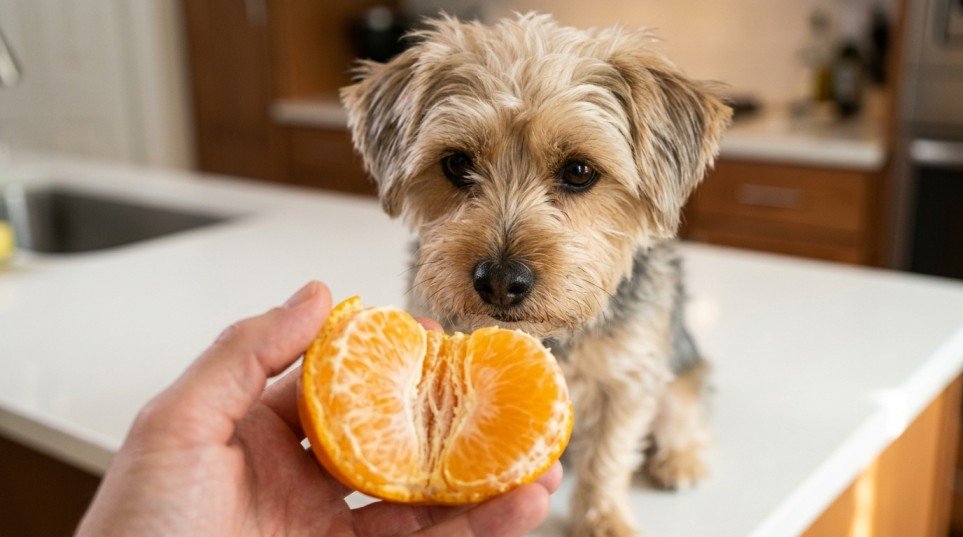
Your dog is eyeing that orange slice you just peeled. Before you hand one over, you want to know if it is actually safe. The good news is that oranges are one of the more dog-friendly fruits out there, but there are still some important details every dog owner needs to know before sharing this citrus snack.
This guide covers everything you need: whether oranges are truly safe for dogs, which parts to avoid, how much is appropriate by size, what other fruits dogs can and cannot eat, and what to do if your dog eats too much. No fluff, no panic, just real answers.
Are Oranges Safe for Dogs? The Short Answer
Yes, oranges are generally safe for dogs in moderate amounts. The flesh of a ripe, peeled orange is non-toxic and contains vitamins that can benefit your dog. However, the peel, seeds, and white pith are a different story, and portion size matters more than most people realize.
What Makes Oranges Safe (or Risky) for Dogs?
1. Vitamin C and Natural Sugars
Oranges are rich in vitamin C, potassium, and dietary fiber. Unlike humans, dogs produce their own vitamin C naturally, so they do not need supplementation from fruit. That said, a small amount of orange flesh will not hurt a healthy dog and may offer a mild antioxidant boost.
The concern is the sugar. Oranges contain about 9 grams of sugar per 100 grams of fruit. That is not dangerous in a small serving, but it adds up quickly. Dogs that are heavy, diabetic, or have sensitive stomachs should avoid oranges entirely.
2. Citric Acid and Essential Oils
Oranges contain citric acid, which in large amounts can cause gastrointestinal upset in dogs. The peel and white pith contain concentrated essential oils and higher citric acid levels than the flesh. These can irritate the digestive system and, in larger quantities, act as a mild central nervous system depressant.
This is why the peel is always off-limits, even if your dog seems interested in it.
3. The Seeds
Orange seeds are a minor physical hazard and contain small amounts of cyanogenic compounds. The risk from one or two seeds is very low, but it is best practice to always remove them before offering any orange to your dog.
Can Dogs Have Oranges? Yes, But With These Rules
- Remove the peel completely, including the white pith underneath
- Remove all seeds
- Only offer the fleshy segments, broken into small pieces
- Treat oranges as an occasional snack, not a regular part of the diet
- Do not give canned oranges or orange juice, as these are high in added sugar
If this is your dog’s first time eating orange, start with just one small segment and monitor for any signs of stomach upset over the next several hours.
How Much Orange Can a Dog Eat?
Treats, including fruit, should make up no more than 10 percent of your dog’s daily caloric intake. For oranges specifically, veterinary nutritionists suggest the following as a practical upper limit:
| Dog Size | Example Breed | Max Orange Per Day |
| Small (under 20 lbs) | Chihuahua, Pomeranian | 1 small segment |
| Medium (20-50 lbs) | Beagle, Cocker Spaniel | 2 to 3 segments |
| Large (50+ lbs) | Labrador, Golden Retriever | Up to half an orange |
Orange Risk by Part: Quick Reference Table
| Part of Orange | Main Risk | Risk Level | Verdict |
| Flesh (ripe, peeled) | Natural sugars | Low | Safe in moderation |
| Peel / Zest | Essential oils, citric acid | Moderate-High | Avoid completely |
| White Pith | Citric acid, GI irritation | Moderate | Remove before serving |
| Seeds | Minor cyanogenic compounds | Low-Moderate | Always remove |
| Orange Juice | High sugar, concentrated citrus | High | Never give |
| Canned Oranges | Added sugar and syrup | High | Never give |
Can Dogs Eat Guava?
Guava is a tropical fruit that often comes up alongside oranges and citrus in dog nutrition discussions. The short answer is yes, dogs can eat guava in small amounts, but with some important conditions.
The flesh of ripe guava is non-toxic to dogs and contains vitamin C, lycopene, and dietary fiber. However, guava seeds are hard and numerous, posing a potential choking or digestive hazard. The skin of guava, while not toxic, can be difficult for some dogs to digest and may cause loose stools.
Like oranges, guava is high in natural sugars and should be an occasional treat rather than a regular snack. Always remove the seeds and offer only small pieces of the peeled flesh. Dogs with diabetes or weight management issues should avoid guava due to its sugar content.
Can Dogs Have Passion Fruit?
Passion fruit is one fruit where the answer is more nuanced. The flesh and juice of ripe passion fruit are generally considered safe for dogs in very small amounts, but the seeds and rind present real concerns.
Passion fruit seeds contain trace amounts of cyanogenic glycosides, the same compounds found in apple seeds. In small quantities from occasional nibbling, the risk is minimal. But if your dog eats a significant amount of seeds, there is a real concern. The rind of passion fruit is tough, can be hard to digest, and may cause gastrointestinal blockage in smaller dogs.
The safest approach: skip passion fruit altogether and offer a safer, more straightforward alternative like blueberries or watermelon. The risk-to-benefit ratio simply does not favor sharing this fruit with your dog.
Can Dogs Eat Jackfruit?
Jackfruit is an increasingly popular tropical fruit, and dog owners frequently ask about it. The ripe flesh of jackfruit is not toxic to dogs, but it is not an ideal snack for several reasons.
First, jackfruit is very high in natural sugars and carbohydrates, which can spike blood sugar and contribute to weight gain. Second, the texture of jackfruit is stringy and dense, which some dogs may struggle to chew properly, potentially causing a choking hazard. Third, the seeds of jackfruit are large and should never be given to dogs, as they can cause digestive blockage.
Unripe jackfruit is used as a meat substitute in vegetarian cooking, and this form is even less suitable for dogs, as it is harder to digest and contains more complex starches. If your dog snatches a small piece of ripe jackfruit flesh, it is unlikely to be an emergency. But jackfruit should not be a regular treat, and the seeds and rind should always be kept away from your dog.
What Fruits Can Dogs Eat? A Safe List
If you are looking for fruit that is genuinely safe and beneficial for dogs, these are the options that veterinarians and canine nutritionists consistently recommend:
- Blueberries: Rich in antioxidants and vitamin C. One of the best fruit treats for dogs of all sizes.
- Watermelon (seedless, no rind): Hydrating and low in calories. Remove all seeds and the hard green rind.
- Apples (no seeds or core): Good source of fiber and vitamins A and C. Always remove the core and seeds.
- Bananas: High in potassium and natural sugars. Good occasional treat but high in calories for small dogs.
- Strawberries: Contain fiber and vitamin C. Offer in small pieces without the leaves.
- Mango (no skin or pit): Rich in vitamins A, B6, C, and E. Always remove the pit and skin.
- Pineapple (fresh, not canned): Contains bromelain, an enzyme that supports digestion. Offer only the soft inner flesh.
- Pears (no seeds or core): Good source of copper and fiber. Remove seeds and core.
- Cantaloupe (no rind): Hydrating and rich in beta-carotene. Feed in moderation due to sugar content.
What Fruit Can Dogs Not Eat? Fruits to Always Avoid
Not all fruits are safe for dogs. Some are mildly problematic; others are outright toxic. Here is what to keep completely away from your dog:
- Grapes and raisins: Highly toxic to dogs. Even small amounts can cause sudden kidney failure. The exact toxic compound is still being studied, but no amount is considered safe.
- Cherries: The pit, stem, and leaves of cherries contain cyanide. The flesh alone is not toxic, but the risk of accidental pit ingestion makes cherries a fruit to avoid entirely.
- Avocado: The pit, skin, and leaves are dangerous. The flesh is lower risk but still contains fat and persin that can cause GI upset and pancreatitis.
- Citrus peel and juice (lemons, limes, grapefruit): The flesh of these fruits is not outright toxic but causes digestive upset. The peel and juice are much more concentrated in irritants and should be avoided entirely.
- Figs: Contain ficin and ficusin, which can irritate the skin and digestive tract. Some dogs tolerate small amounts, but figs are a relatively high-risk fruit.
- Dates: Very high in sugar and contain a pit that is a choking hazard. Not outright toxic, but not suitable as a dog treat.
What to Do If Your Dog Eats Too Much Orange
Step 1: Identify What Was Eaten
- A small piece of plain orange flesh: Monitor for 24 hours. Very unlikely to cause a problem.
- Several segments of orange: Watch for stomach upset, loose stools, or vomiting.
- Orange peel or a large amount of pith: Call your vet, as the essential oils and citric acid concentration may cause GI irritation.
- Orange juice or canned oranges: Contact your vet, especially if a large amount was consumed.
Step 2: Watch for These Symptoms
If your dog ate orange in any meaningful quantity, monitor for these signs within 12 to 24 hours:
- Vomiting or dry heaving
- Diarrhea or unusually loose stools
- Excessive drooling
- Lethargy or unusual tiredness
- Refusal to eat or drink
- Abdominal discomfort or bloating
Step 3: Who to Call
- Your vet: First point of contact for any fruit ingestion concern.
- ASPCA Animal Poison Control: (888) 426-4435, available 24/7.
- Pet Poison Helpline: (855) 764-7661, 24/7 toxicology support.
Safe and Healthy Alternatives to Oranges for Dogs
If you want to give your dog a vitamin-rich treat without the citrus-related risks, these options are widely recommended by vets:
- Blueberries: Antioxidant-rich, low-fat, and easy to serve whole as a training treat.
- Sliced apple (no seeds or core): Good source of fiber and natural sweetness without excessive sugar.
- Seedless watermelon chunks: Hydrating in summer, very low in calories.
- Plain cooked sweet potato: Excellent source of beta-carotene and dietary fiber.
- Plain pumpkin (not pie filling): Supports healthy digestion and is low in calories.
Frequently Asked Questions: Dogs and Oranges
Are oranges safe for dogs?
Yes, oranges are safe for dogs in moderation. The flesh of a ripe, peeled orange is non-toxic and provides vitamins. The peel, seeds, and white pith should always be removed. Dogs with diabetes, obesity, or sensitive stomachs should avoid oranges due to their sugar content.
Can dogs have oranges every day?
No. Oranges should be an occasional treat, not a daily addition to your dog’s diet. The natural sugar in oranges can contribute to weight gain and blood sugar fluctuations if fed too frequently. Once or twice a week as a small snack is a reasonable maximum for most dogs.
Can dogs eat orange peels?
No. Orange peel contains concentrated essential oils and citric acid that can cause gastrointestinal upset in dogs. Even if your dog seems interested in the peel, it should always be discarded before offering any orange as a treat.
Can dogs have orange juice?
No. Orange juice is too concentrated in citric acid and natural sugars for dogs. It can cause stomach upset even in small amounts and offers no nutritional benefit that a dog cannot get from water and a balanced diet. Never give your dog orange juice, even fresh-squeezed.
Can dogs eat guava?
Yes, dogs can eat ripe guava flesh in small amounts, but the seeds should always be removed. Guava is high in natural sugars and should be an occasional treat. The skin can be difficult to digest for some dogs, so it is best to remove it before offering. Avoid giving guava to diabetic dogs.
Can dogs have passion fruit?
Passion fruit flesh is not toxic to dogs in small amounts, but the seeds contain trace amounts of cyanogenic compounds and the rind can cause digestive blockage. Given the risks and the availability of safer fruit alternatives, it is best to skip passion fruit entirely.
Can dogs eat jackfruit?
Small amounts of ripe jackfruit flesh are not toxic to dogs, but jackfruit is high in sugar and the seeds pose a blockage risk. It is not an ideal treat, and dogs should not be given jackfruit rind, unripe jackfruit, or the large seeds under any circumstances.
What fruits can dogs eat safely?
Dogs can safely eat blueberries, watermelon (seedless, no rind), apples (no seeds or core), bananas, strawberries, mango (no pit or skin), pineapple (flesh only), pears (no seeds), and cantaloupe (no rind). All should be given in moderation as treats, not as meal replacements.
What fruit can dogs not eat?
Dogs should never eat grapes or raisins (toxic, can cause kidney failure), cherries (cyanide in the pit), avocado peel and pit, citrus peel and concentrated juice, and figs in large amounts. Grapes and raisins are the most dangerous and should be treated as an emergency if consumed.
Are Oranges Toxic to Dogs?
No, oranges are not toxic to dogs. In moderation, the flesh is generally safe and provides vitamin C and fiber, but too much can cause stomach upset because of the natural sugar and acidity.
Is vitamin C from oranges beneficial for dogs?
Dogs synthesize their own vitamin C naturally, so they do not need it from food sources the way humans do. While a small amount of orange flesh will not hurt a healthy dog, you should not feed oranges as a vitamin C supplement. If your dog has a vitamin deficiency, consult your vet about appropriate supplementation.
Final Word: Should You Feed Your Dog Oranges?
Oranges are one of the safer fruits you can share with a dog, as long as you follow the rules: peel removed, seeds removed, small portions only, and only for dogs that are healthy and not dealing with diabetes or weight issues.
That said, oranges are not a necessary part of your dog’s diet. Dogs get everything they need from a complete and balanced commercial diet, and fruits should always be extras rather than staples. When in doubt, reach for blueberries or a piece of apple instead. They carry fewer risks and most dogs love them just as much.
If your dog already ate orange flesh in a small amount, there is no reason to panic. Keep an eye on them for the next 24 hours, and contact your vet if you notice any signs of stomach upset that do not resolve on their own.
are oranges safe for dogs
Sources and References
- Merck Veterinary Manual: Citrus and Fruit Toxicosis in Animals. merckvetmanual.com
- ASPCA Animal Poison Control Center: Toxic and Non-Toxic Plant List. aspca.org
- PetMD: Can Dogs Eat Oranges? (Updated 2025). petmd.com
- American Kennel Club: Can Dogs Eat Oranges? akc.org
- VCA Animal Hospitals: Nutrition for Dogs. vcahospitals.com
- Pet Poison Helpline: Fruit Safety for Dogs. petpoisonhelpline.com
Discover More:-
- Can Dogs Eat Pineapple Chunks? Vet-Backed Safety Guide (2026)
- Can Dogs Eat Mango? A Tasty Treat or a Hidden Danger You Need to Know About

Dr. Ubaid Ur Rehman, DVM is a qualified veterinarian with expertise in pet health, nutrition, and preventive care. He is passionate about helping pet owners make informed decisions through accurate, research-based, and practical advice. As a veterinary professional, he reviews and contributes content to ensure reliable information for dog and pet owners.