
Dogs Care Made Easy: Daily Tips for a Happy, Healthy Dog 2026
Quick Answer: The single biggest mistake dog owners make is treating dogs care as a series of optional extras rather than baseline requirements. Regular vet visits, proper nutrition, and daily exercise are not treats they are the foundation of a healthy, happy dog.
You got the dog. You love the dog. But between conflicting advice from forums, your neighbor’s opinions, and ten different YouTube channels, you’re not entirely sure you’re doing it right. Take a breath. Proper dogs care is not as complicated as the internet makes it seem but it does require knowing what actually matters versus what is just noise.
This guide covers every core pillar of responsible dog ownership: nutrition, exercise, grooming, veterinary care, dental hygiene, mental stimulation, parasite prevention, and vaccinations. Whether you’re a first-time owner or a longtime dog parent looking to level up, this is the complete picture.
Dogs Care: The Short Answer
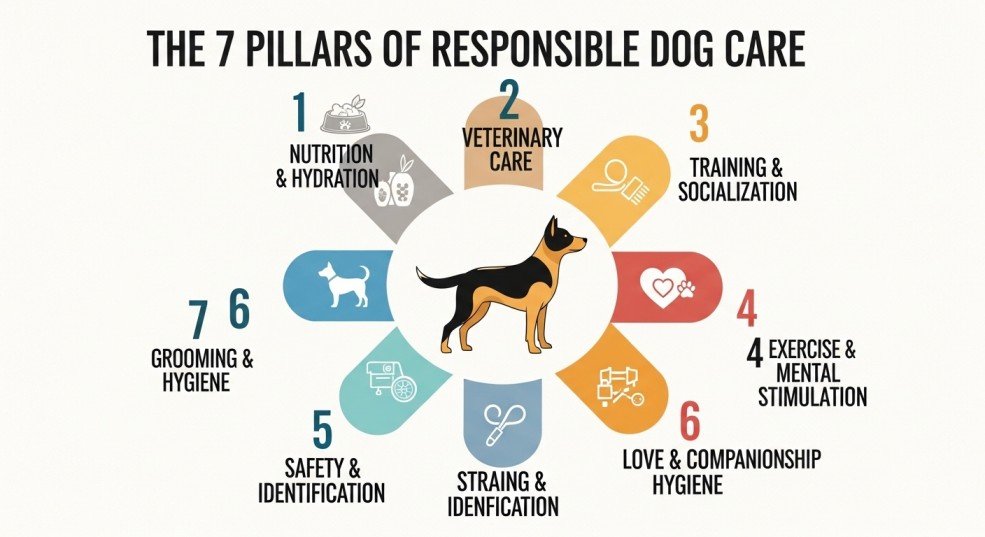
Caring for a dog well means meeting seven non-negotiable needs: a complete and balanced diet, daily exercise, routine veterinary visits, dental hygiene, grooming, mental stimulation, and parasite prevention. Neglect any one of these consistently, and your dog’s health and quality of life will suffer over time.

What Does Dogs Care Actually Mean?
Dog care is not just feeding and walking. Veterinarians define comprehensive dog care as the consistent management of a dog’s physical health, mental well-being, and social needs across their entire lifespan.
The challenge is that different aspects of care become more or less important depending on your dog’s age, breed, size, and health history. A Border Collie needs far more mental stimulation than a Basset Hound. A Bulldog requires daily wrinkle cleaning that a Labrador does not. This guide covers universal principles and flags the breed-specific exceptions that matter most.
The 7 Pillars of Responsible Dogs Care
1. Nutrition The Foundation of Everything
Food is not just fuel. What your dog eats directly affects their energy levels, immune function, coat quality, joint health, and lifespan. The American Kennel Club and ASPCA both emphasize that a nutritionally complete diet is the single most impactful factor in long-term dog health.
What to look for in a quality dog food:
- An animal protein (chicken, beef, salmon, lamb) listed as the first ingredient
- An AAFCO nutritional adequacy statement for your dog’s life stage
- No excessive fillers like corn syrup, artificial dyes, or unspecified “meat by-products”
- Age-appropriate formula: puppy, adult, or senior
Important: Never guess at portion sizes. Use the feeding guide on the bag as a starting point, then adjust based on your dog’s body condition score. An ideal weight means you can feel the ribs without pressing hard, but they are not visible.
2. Exercise Non-Negotiable Daily Requirement
Exercise is not just about burning calories. Regular physical activity regulates hormones, reduces anxiety, prevents destructive behavior, supports cardiovascular health, and maintains muscle mass. A dog that does not get enough exercise will often develop behavioral problems that owners mistake for personality traits.
General exercise guidelines by size:
- Small breeds (under 20 lbs): 30 minutes per day minimum
- Medium breeds (20–60 lbs): 45–60 minutes per day
- Large and working breeds: 1–2 hours per day, with off-leash time where possible
- Senior dogs: Shorter, lower-impact walks but still daily movement
Mental exercise counts too. A 10-minute training session or a puzzle feeder can tire a high-energy dog more effectively than 30 minutes of walking. Combine both for best results.
3. Veterinary Care Catching Problems Before They Become Emergencies
Annual wellness exams are not optional. Dogs age significantly faster than humans a single year in a dog’s life equals roughly 5–7 human years. Conditions that would take years to appear in humans can develop rapidly in dogs. Early detection through bloodwork, urinalysis, and physical exam is consistently the most cost-effective approach to dog health.
What a routine annual vet visit should include:
- Full physical examination
- Heartworm and tick-borne disease testing
- Fecal parasite check
- Core vaccine review and boosters as needed
- Dental assessment
- Weight and body condition evaluation
Dogs over 7 years old should ideally be seen twice a year. Senior dogs are significantly more likely to develop conditions like hypothyroidism, kidney disease, and cancer all of which respond better to early intervention.
4. Dental Hygiene The Most Overlooked Aspect of Dogs Care
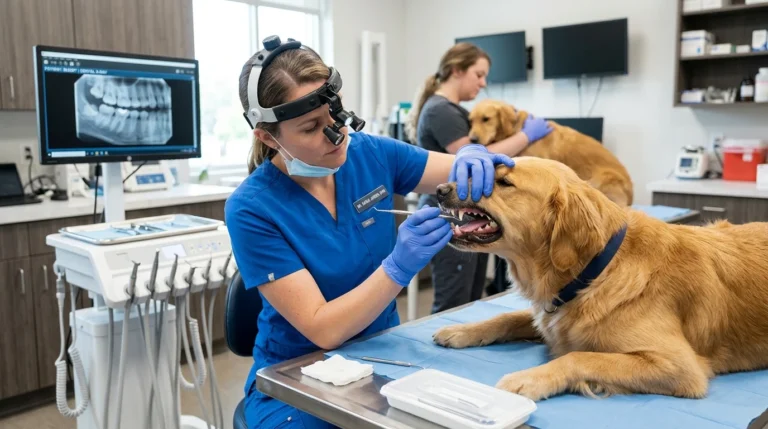
Dental disease affects an estimated 80% of dogs by age three, according to the American Veterinary Dental College. What most owners do not know is that periodontal disease does not just cause bad breath and tooth loss it allows bacteria to enter the bloodstream, contributing to heart, kidney, and liver disease.
How to maintain your dog’s dental health:
- Brush teeth 3–4 times per week with a dog-safe enzymatic toothpaste (never use human toothpaste xylitol is toxic)
- Offer dental chews that carry the Veterinary Oral Health Council (VOHC) seal
- Schedule professional dental cleanings under anesthesia as recommended by your vet (typically every 1–3 years)
- Use water additives designed for dental health as a supplemental measure
If your dog has visible tartar buildup, inflamed gums, or is reluctant to eat hard food, schedule a dental evaluation. Do not wait for the annual checkup.
5. Grooming More Than Aesthetics
Grooming is functional, not cosmetic. Regular grooming removes dead hair, distributes skin oils, prevents painful matting, and allows you to detect lumps, rashes, parasites, and wounds early. It also reduces the risk of ear infections, overgrown nails causing gait problems, and skin fold dermatitis in wrinkled breeds.
Core grooming tasks and their frequency:
- Brushing: Daily for long-coated breeds; weekly for short-coated breeds
- Bathing: Every 4–8 weeks with a dog-formulated shampoo
- Nail trimming: Every 3–4 weeks; overgrown nails alter posture and cause joint pain
- Ear cleaning: Every 2–4 weeks for most breeds; more frequently for floppy-eared dogs prone to infections
- Eye discharge: Clean gently with a damp cloth as needed
If your dog’s coat becomes severely matted, do not try to cut the mats out yourself. See a professional groomer improper cutting can injure the skin, which lies closer to the mat than it appears.
6. Mental Stimulation The Pillar Most Owners Undervalue
A bored dog is not a happy dog. Dogs are problem-solving, social animals that evolved alongside humans to work, hunt, herd, or guard. Without adequate mental stimulation, they redirect that cognitive energy into destructive behaviors chewing, digging, excessive barking, and anxiety.
Effective ways to provide mental stimulation:
- Training sessions: Even 10–15 minutes a day teaching commands or tricks challenges the brain significantly
- Puzzle feeders and snuffle mats: Make mealtime a problem to solve rather than a bowl to empty in 30 seconds
- Scent work and nose games: Hide treats around the yard or use dedicated scent-training games
- New environments: Novel smells, sounds, and sights on walks through different routes provide meaningful stimulation
- Socialization with other dogs: Appropriate social interaction meets a deep behavioral need
Mental stimulation is particularly critical for working and herding breeds (Border Collies, German Shepherds, Australian Shepherds) and hunting breeds (Beagles, Pointers, Retrievers). These dogs were bred for cognitive work and will suffer and act out without it.
7. Parasite Prevention Year-Round, Not Seasonal
Parasites are not just a warm-weather problem. Fleas, ticks, heartworm, roundworms, hookworms, and giardia can infect dogs in any season depending on climate and lifestyle. The consequences of neglected prevention include severe anemia, Lyme disease, heartworm-induced heart failure, and intestinal blockages.
Standard year-round parasite prevention for most dogs includes:
- Monthly heartworm preventative (prescription required)
- Monthly flea and tick preventative (oral or topical)
- Annual fecal exam to check for intestinal parasites
- Deworming as recommended by your vet based on lifestyle and risk factors
Do not skip winter months. Ticks remain active in temperatures above 4°C (40°F), and heartworm prevention must be maintained year-round in most regions to be effective.
Dogs Care Quick Reference: What Matters Most
| Care Topic | Frequency | Why It Matters | Neglect Risk | Verdict |
| Nutrition & Diet | Daily | Fuels energy, immunity, and organ function | Obesity, organ failure | Non-negotiable |
| Exercise | Daily | Prevents obesity and behavioral issues | Weight gain, anxiety | Essential |
| Dental Hygiene | 3–4x per week | Prevents tartar buildup and heart disease | Periodontal disease | Highly important |
| Grooming & Coat | Weekly–monthly | Removes tangles, detects skin issues early | Matting, infections | Breed-dependent |
| Vet Check-Ups | Annually (min) | Catches disease early through bloodwork/exams | Undetected illness | Critical |
| Mental Stimulation | Daily | Reduces destructive behavior and anxiety | Depression, aggression | Often overlooked |
| Vaccination | Per vet schedule | Prevents distemper, rabies, parvovirus | Fatal disease | Required by law (varies) |
| Parasite Prevention | Monthly | Guards against fleas, ticks, heartworm | Anemia, disease transmission | Year-round priority |
Dogs Care by Life Stage
Puppy Care (0–1 year)
The puppy stage is the highest-intensity care period of a dog’s life. In the first year, you are simultaneously managing rapid physical growth, vaccination schedules, socialization windows, house training, and basic obedience. Missing the critical socialization window (3–14 weeks) can result in lifelong fear and behavioral issues that no amount of training fully corrects.
Priorities in the puppy stage:
- Complete the full puppy vaccination series (distemper, parvovirus, hepatitis, rabies)
- Socialize with people, children, other dogs, and novel environments positively and repeatedly
- Begin crate training and house training from day one
- Start gentle handling of paws, ears, and mouth to build grooming tolerance
- Feed a puppy-specific formula until the appropriate age (varies by breed size)
Adult Dog Care (1–7 years)
The adult stage is about maintenance and prevention. Your dog’s personality is established, their growth is complete, and the primary goal is sustaining their health and preventing the lifestyle diseases (obesity, dental disease, joint problems) that accumulate silently over time.
Key adult-stage care focuses:
- Keep weight in the ideal range this single factor has the greatest impact on longevity
- Maintain annual vet visits and parasite prevention without gaps
- Do not reduce exercise as your dog “calms down” with age less energy output ≠ less need for exercise
- Begin regular dental cleanings if not already established
Senior Dog Care (7+ years, varies by breed)
Large breeds age faster than small breeds. A Great Dane is geriatric at 7; a Chihuahua may not be considered senior until 10 or 11. The senior stage requires increased veterinary monitoring, dietary adjustment, and modifications to exercise and living environment for comfort.
Senior care adjustments:
- Increase vet visits to twice annually for bloodwork and organ function monitoring
- Switch to a senior-formulated food if recommended by your vet
- Watch for early signs of cognitive dysfunction syndrome (doggy dementia): disorientation, changed sleep patterns, house soiling
- Add joint supplements (glucosamine, fish oil) for mobility if signs of stiffness appear
- Provide orthopedic bedding to reduce pressure on aging joints
When Dogs Care Becomes an Emergency
Knowing the difference between a situation that warrants a same-day vet call and a genuine emergency can save your dog’s life. These symptoms require immediate veterinary attention do not wait and see:
- Bloated, distended abdomen with unproductive retching (potential gastric dilatation-volvulus fatal within hours)
- Difficulty breathing or open-mouth breathing in a dog that is not a brachycephalic breed
- Collapse, sudden weakness, or inability to stand
- Pale, white, or blue gums
- Suspected poisoning or ingestion of a toxic substance
- Seizures lasting more than 3 minutes or multiple seizures in 24 hours
- Trauma from a vehicle, fall, or animal attack, even if the dog appears fine
For non-emergency but urgent questions outside of office hours: the ASPCA Animal Poison Control Center can be reached at (888) 426-4435 (24/7, consultation fee may apply).
The 7 Most Common Dogs Care Mistakes
- Skipping the vet when the dog “looks fine.” Most serious conditions develop silently. By the time symptoms are visible, the disease is often advanced.
- Free-feeding (leaving food out all day). This makes portion control impossible and is the primary driver of canine obesity.
- Ignoring dental care entirely. Brushing three times a week sounds like a lot until your dog needs a $1,000 dental surgery at age 5.
- Treating exercise as optional. “He has a big yard” is not a substitute for structured walks and active play.
- Stopping parasite prevention in winter. Ticks, heartworm mosquitoes, and intestinal parasites do not take a seasonal break in most climates.
- Using human products (shampoo, toothpaste, sunscreen) on dogs. Many human-safe ingredients are toxic to dogs, including xylitol, zinc oxide, and permethrin.
- Neglecting mental stimulation. A physically tired but mentally bored dog is still an anxious, destructive dog.
Frequently Asked Questions: Dogs Care
How often should I take my dog to the vet?
Adult dogs should have a minimum of one annual wellness exam. Dogs over 7 years old, dogs with chronic health conditions, and puppies completing their vaccination series should be seen more frequently. When in doubt, ask your vet for a schedule tailored to your dog’s specific health history and breed.
What is the most important thing in dogs care?
If forced to name one factor, most veterinary professionals would say nutrition because everything else (energy for exercise, immune function, coat quality, organ health) depends on a dog being correctly fed. A close second is preventive veterinary care, which catches the conditions that good nutrition alone cannot prevent.
How do I know if I’m feeding my dog the right amount?
Use your dog’s body condition score, not the scale alone. You should be able to feel the ribs without pressing, see a visible waist tuck when viewed from above, and see an abdominal tuck when viewed from the side.
Can I care for my dog without seeing a vet regularly?
No not responsibly. There are aspects of dogs care, including heartworm testing and prevention, dental cleanings under anesthesia, bloodwork, and vaccinations, that cannot be provided at home. Skipping veterinary care is one of the highest-risk choices a dog owner can make. Preventive care is almost always less expensive than treating advanced disease.
How much exercise does a dog need per day?
The answer varies significantly by breed, age, and health status. As a general baseline: small breeds need at least 30 minutes, medium breeds need 45–60 minutes, and large or working breeds need 1–2 hours of daily activity. Mental stimulation should accompany physical exercise for all breeds. Senior dogs need shorter, lower-impact sessions but should not stop exercising entirely.
Is it expensive to properly care for a dog?
Responsible dogs care does involve real financial commitment. Annual veterinary visits, quality food, parasite prevention, and routine grooming represent the baseline costs. Emergency care is where costs can escalate significantly. Pet insurance can help manage unexpected expenses. The alternative skipping preventive care and paying for advanced disease treatment is consistently more expensive.
What does a dog need every day?
Every day, a dog needs: fresh water always available, portioned meals appropriate to their size and age, at least 30–60+ minutes of physical activity, meaningful social interaction with their owner, and mental engagement through training, play, or enrichment. These are not optional extras they are minimum daily requirements for a healthy, balanced dog.
When should I worry about my dog’s health?
Watch for these warning signs that warrant a vet call: significant changes in appetite or water intake, sudden weight loss or gain, persistent vomiting or diarrhea (more than 24 hours), lumps or growths that appear suddenly, limping that does not resolve in 24 hours, and behavioral changes (sudden aggression, withdrawal, or confusion). When in doubt, call your vet a quick phone consultation is almost always free.
Final Word: What Good Dogs Care Really Looks Like
Good dogs care is not about perfection. It is about consistency. A dog that gets a balanced diet, daily exercise, annual vet visits, regular dental hygiene, and genuine attention from their owner will live a healthier, longer, and happier life than one that receives sporadic excellent care punctuated by long periods of neglect.
The owners who struggle most with dog care are usually not the ones who don’t care they’re the ones who were never given a clear, honest picture of what responsible ownership actually requires. Now you have it.
Pick the one area from this guide where you know your routine falls short whether that’s dental hygiene, mental stimulation, or getting the vet appointment you have been putting off and address that first. Dogs care is not a single dramatic act of love. It is a hundred small, consistent choices made every week.
Sources & References
American Kennel Club: Dog Care Guide. akc.org
ASPCA Animal Poison Control Center: Dog Health. aspca.org
Merck Veterinary Manual: Preventive Health Care for Dogs. merckvetmanual.com
American Veterinary Dental College: Periodontal Disease in Dogs. avdc.org
Association for Pet Obesity Prevention: 2023 Pet Obesity Survey. petobesityprevention.org
PetMD: Complete Dog Care Guide (Updated 2025). petmd.com
Veterinary Oral Health Council: Accepted Product Seal. vohc.org
Discover More:-
- Can Dogs Eat Apples? Vet-Backed Guide to Safe Serving (2026)
- Can Dogs Eat Shrimp? Benefits, Side Effects & Feeding Tips 2026

Dr. Ubaid Ur Rehman, DVM is a qualified veterinarian with expertise in pet health, nutrition, and preventive care. He is passionate about helping pet owners make informed decisions through accurate, research-based, and practical advice. As a veterinary professional, he reviews and contributes content to ensure reliable information for dog and pet owners.