What Human Food Can Dogs Eat? Safe Foods Every Owner Should Know 2026
Quick Answer: Plain, unseasoned human foods like cooked chicken, carrots, blueberries, and plain rice are safe for most healthy adult dogs. Anything containing garlic, onion, grapes, raisins, chocolate, macadamia nuts, or xylitol is toxic and should be kept out of reach entirely
Your dog is staring at your plate again. Before you slip them a bite, you need to know: which human foods are safe for dogs, which ones are dangerous, and why the answers are not always obvious. This guide gives you the full, vet-backed picture.
We cover every angle dog owners actually search for: safe human food for dogs, which people food for dogs is a yes versus a hard no, what table food can dogs eat without risking a vet visit, and how to turn healthy people food for dogs into smart everyday treats.
What Human Food Can Dogs Eat? The Short Answer
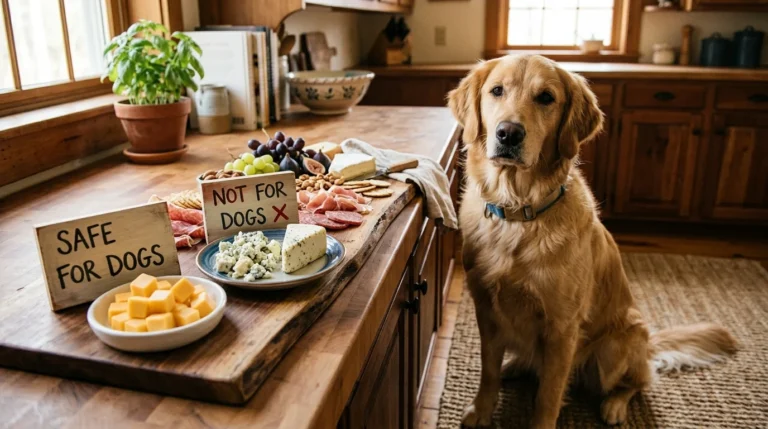
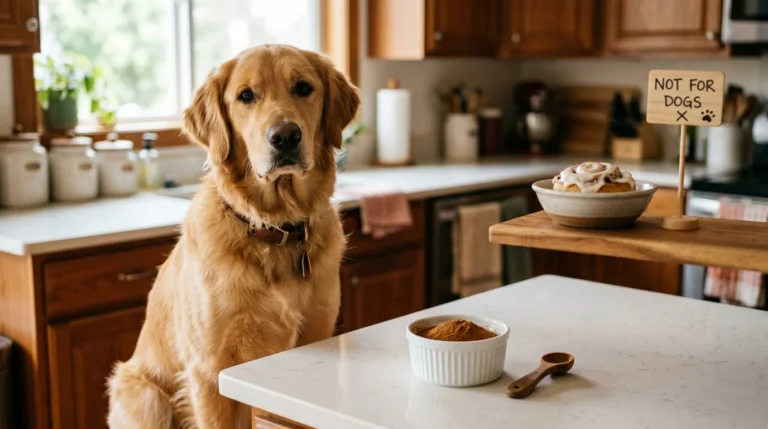
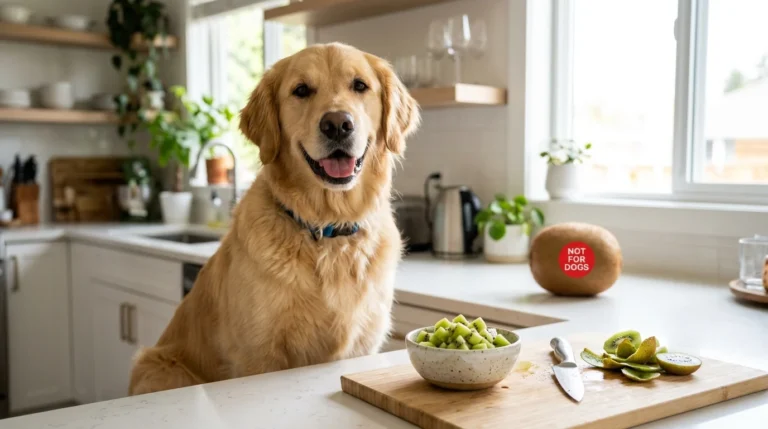
Many common human foods are completely safe for dogs in moderation. The key is knowing which ones cross the line from snack to hazard. Lean proteins, most plain vegetables, and certain fruits make excellent dog-friendly treats. Processed foods, anything seasoned with garlic or onion, grapes, raisins, chocolate, and xylitol-sweetened products are dangerous and should never be given to dogs.
Quick Answer: Plain, unseasoned human foods like cooked chicken, carrots, blueberries, and plain rice are safe for most healthy adult dogs. Anything containing garlic, onion, grapes, raisins, chocolate, macadamia nuts, or xylitol is toxic and should be kept out of reach entirely.
Safe Human Food for Dogs: The Approved List
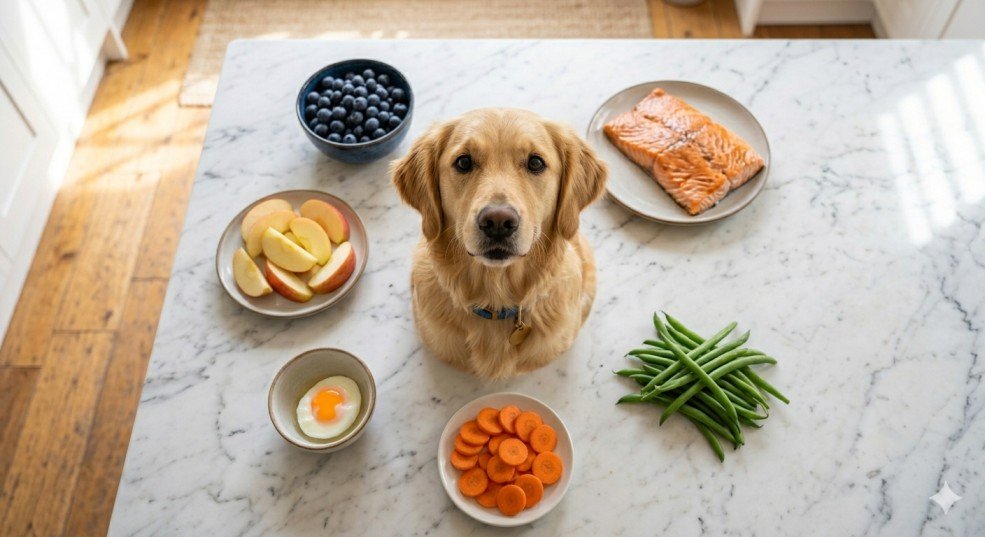
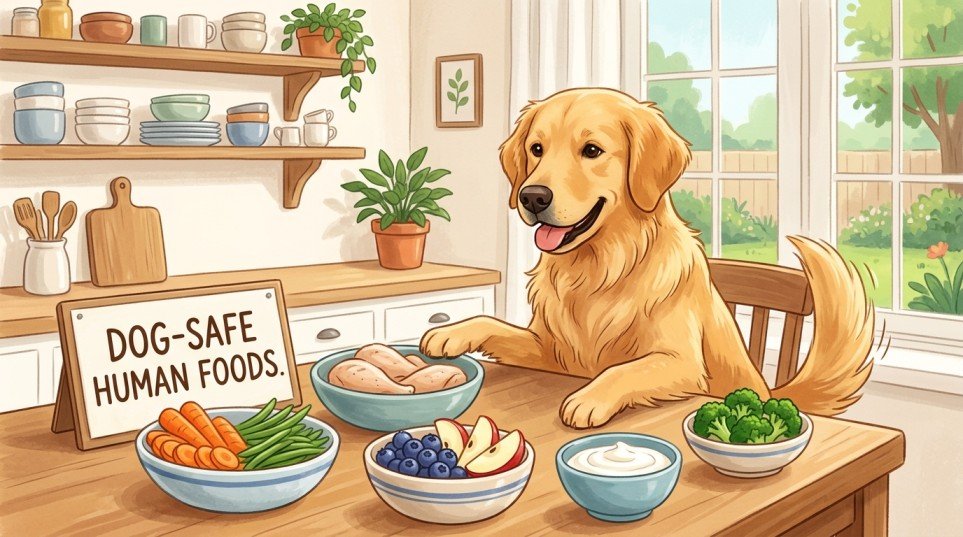
This is the list every dog owner should keep on their fridge. These foods are backed by veterinary consensus as safe for healthy dogs when served plain, fresh, and in appropriate amounts.
1. Lean Proteins
- Cooked chicken (no bones, no seasoning): One of the safest and most digestible protein sources for dogs. Plain boiled chicken is often recommended for dogs with upset stomachs.
- Cooked turkey (no skin, no seasonings): Safe in moderate amounts. Avoid processed deli turkey, which is loaded with sodium.
- Cooked salmon (boneless): Rich in omega-3 fatty acids that support coat health and reduce inflammation. Never feed raw salmon, as it can carry a parasite that causes salmon poisoning disease in dogs.
- Cooked eggs: Fully cooked eggs are a nutrient-dense protein source. Raw eggs carry a risk of Salmonella and biotin interference.
- Plain cooked shrimp (no shell, no seasoning): High in protein and low in fat. Fine as an occasional treat.
2. Vegetables Dogs Can Eat
- Carrots: Excellent for dogs. Low in calories, high in fiber and beta-carotene. Raw or cooked, carrots are a crunch-friendly people food for dogs that also supports dental health.
- Green beans: Plain green beans are one of the most recommended healthy people food for dogs by vets. High in fiber, low in calories, and great as a diet treat.
- Broccoli: Safe in small amounts. The florets are the safest part. Large quantities can cause gas and GI upset due to isothiocyanates.
- Cucumber: Hydrating, low-calorie, and completely safe. A good summer snack.
- Peas (fresh or frozen, not canned with salt): Good source of plant-based protein and fiber.
- Sweet potato (cooked, plain): Rich in beta-carotene, fiber, and vitamins. One of the most nutritious table foods for dogs.
- Pumpkin (plain, not pie filling): A go-to for dogs with digestive issues. High in fiber, supports healthy stools.
3. Fruits That Are Safe for Dogs
- Blueberries: Antioxidant powerhouses. Low in sugar and calories. Great for dogs of all sizes.
- Watermelon (seedless, no rind): Hydrating and low-calorie. Remove all seeds and the green rind before serving.
- Apple slices (no seeds or core): Good source of vitamins A and C and fiber. Apple seeds contain cyanide compounds and must always be removed.
- Banana: High in potassium and natural sugar. Safe in small amounts as an occasional treat, not a daily staple.
- Mango (no pit, no skin): Soft, sweet, and packed with vitamins A, B6, C, and E. The pit is a choking hazard.
- Strawberries: Safe and rich in vitamin C. High in natural sugar, so keep portions small.
4. Grains and Starches
- Plain cooked rice: One of the most recommended human foods for dogs with upset stomachs. White rice is easiest to digest; brown rice adds fiber.
- Plain oatmeal (cooked, no sweeteners): Good source of fiber and B vitamins. Never feed flavored, instant, or sweetened varieties.
- Plain cooked pasta: Safe in small amounts. No salt, no sauce, no seasoning.
- Plain bread (white or whole wheat): Not harmful in small amounts but offers minimal nutrition. Not recommended as a regular treat.
5. Dairy (In Very Small Amounts)
- Plain yogurt (no artificial sweeteners, no xylitol): Some dogs tolerate small amounts of plain yogurt. Probiotics may support gut health.
- Plain cottage cheese: Easily digestible and a good protein source. Keep portions small to avoid fat overload.
- Small amount of plain cheese: Safe for most dogs as an occasional high-value treat. High in fat and sodium, so do not make it a habit.
Safe Human Food for Dogs: Quick Reference Table
| Food | Safe? | Key Benefit | Serving Note |
| Cooked chicken | Yes | Lean protein, digestive support | Plain, boneless, unseasoned only |
| Carrots | Yes | Fiber, beta-carotene, dental health | Raw or cooked, no seasoning |
| Blueberries | Yes | Antioxidants, low calorie | Handful as treat |
| Cooked salmon | Yes | Omega-3s, coat health | Boneless, fully cooked |
| Apple slices | Yes | Vitamins A and C, fiber | Remove seeds and core always |
| Plain rice | Yes | Easily digestible carb | Plain, no salt or butter |
| Sweet potato | Yes | Beta-carotene, fiber | Cooked, plain, no spices |
| Green beans | Yes | Fiber, low calorie | Plain, not canned with salt |
| Eggs | Yes | Complete protein | Fully cooked only |
| Peanut butter | Yes (xylitol-free) | Protein, healthy fats | Check label every time |
| Watermelon | Yes | Hydration, low calorie | Seedless, no rind |
| Banana | Yes (small amounts) | Potassium, natural sweetness | Occasional treat only |
What Table Food Can Dogs Eat? Tips for Sharing Safely
The question of what table food can dogs eat comes down to one rule: plain is safe, seasoned is risky. Here is how to share table food without putting your dog at risk.
- Always remove bones: Cooked bones from chicken, turkey, or pork can splinter and cause intestinal punctures or blockages.
- Skip the seasoning: Garlic powder, onion powder, salt, and common spice blends are all harmful to dogs. If it came from your dinner plate with seasoning, do not share it.
- No sauces or gravies: Most gravies and sauces contain garlic, onion, salt, or fats in concentrations dangerous for dogs.
- Watch portion sizes: A small dog getting a piece of food the size of your thumb is receiving a proportionally massive amount. Scale portions to your dog’s body weight.
- Do not share processed or fast food: Burgers, fries, pizza, and deli meats are all too high in salt, fat, and often contain unsafe ingredients for dogs.
Healthy People Food for Dogs: How to Treat Smart
Healthy people food for dogs is not just safe food. It is food that actively supports their health. Here are the best options dog owners and vets consistently agree on.
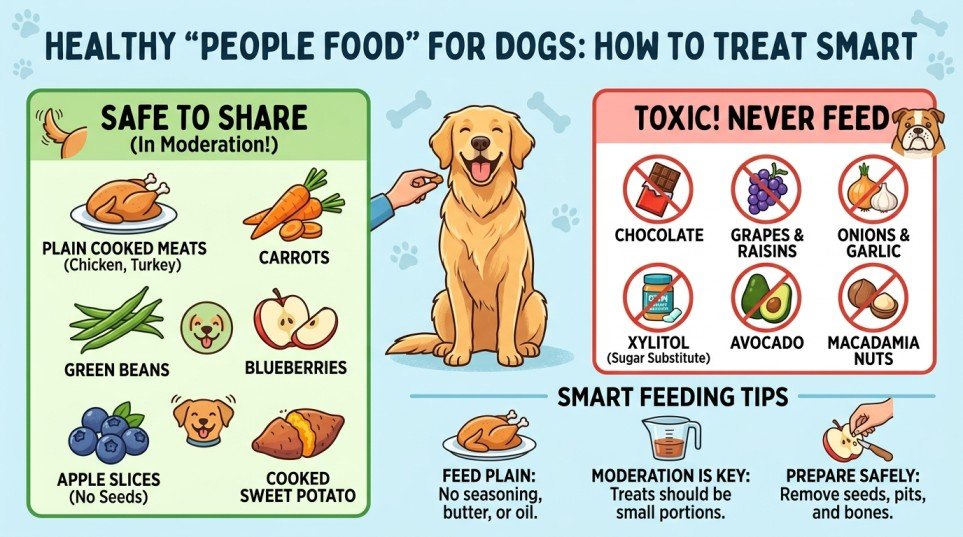
- Carrots and cucumber: Low-calorie, hydrating, and satisfying. Great for heavy dogs.
- Blueberries and watermelon: Natural sources of antioxidants without high sugar. Better than commercial treats loaded with artificial ingredients.
- Cooked salmon or sardines in water: Far better than many commercial omega-3 supplements. Even a small serving weekly benefits coat condition and joint health.
- Plain oatmeal: Excellent for dogs with sensitive stomachs or skin allergies. Contains beta-glucan, which supports immune function.
- Pumpkin puree: Nature’s digestive remedy for dogs. Helps with both diarrhea and constipation. Shelf-stable and easy to keep on hand.
- Green beans: One of the most recommended diet treats by vets for dogs that need to lose weight. They fill the stomach without adding calories.
Pro tip: Treats should make up no more than 10 percent of your dog’s daily caloric intake, whether they come from a bag or from your kitchen. Even the healthiest human foods become a problem in excessive amounts.
Human Foods That Are Dangerous for Dogs
Knowing what dogs cannot eat is just as important as knowing what they can. These foods cause real harm and should never be given to dogs under any circumstances.
1. Grapes and Raisins
Even small amounts can cause sudden, severe kidney failure in dogs. The toxic compound has not been definitively identified, which is exactly why there is no established safe amount. Treat any grape or raisin ingestion as an emergency.
2. Chocolate
Contains theobromine and caffeine, which dogs metabolize much more slowly than humans. Dark chocolate and baking chocolate are the most dangerous. Symptoms include vomiting, diarrhea, tremors, rapid heart rate, and seizures.
3. Onion and Garlic
All forms of onion and garlic, including powders, are toxic to dogs. They damage red blood cells and cause hemolytic anemia. Symptoms can be delayed by several days after ingestion, which makes them particularly dangerous.
4. Xylitol
An artificial sweetener found in sugar-free gum, peanut butter, candy, toothpaste, and some baked goods. Causes a rapid and dangerous drop in blood sugar in dogs and can lead to liver failure. Always check peanut butter labels before sharing.
5. Macadamia Nuts
Even small amounts can cause weakness, vomiting, tremors, and hyperthermia in dogs within 12 hours of ingestion. The mechanism is not fully understood, but the effects are well-documented.
6. Alcohol
Dogs are significantly more sensitive to alcohol than humans. Even small amounts can cause vomiting, disorientation, breathing problems, and low blood sugar. Never intentionally give a dog any alcoholic beverage.
7. Raw Yeast Dough
Unbaked bread dough containing yeast can expand inside a dog’s stomach, causing painful bloating. The yeast fermentation also produces alcohol, adding ethanol toxicity on top of the physical danger.
8. Caffeine
Coffee, tea, energy drinks, and caffeine supplements can cause rapid heart rate, hyperactivity, tremors, and seizures in dogs. There is no safe amount of caffeine for dogs.
Can Dogs Eat Peanut Butter?
Yes, with one critical condition: the peanut butter must be xylitol-free. Many sugar-free or reduced-sugar peanut butter brands use xylitol as a sweetener, which is highly toxic to dogs.
Natural peanut butter made from only peanuts and salt is generally safe in small amounts. It is a popular treat for stuffing Kong toys and hiding medication. Because it is high in fat, limit portions to a small teaspoon at a time, especially for smaller dogs.
Every time you open a new jar of peanut butter, check the ingredients list for xylitol before sharing it with your dog. Formulas change.
Can Dogs Eat Leftovers?
This is one of the most common real-world questions about people food for dogs. The answer depends entirely on what the leftovers contain.
- Plain cooked meat (no seasoning, no sauce): Usually safe to share in small amounts.
- Vegetables cooked in garlic or onion: Never. Even trace amounts of garlic or onion in cooking oil can accumulate to harmful levels.
- Casseroles and stews: Usually contain multiple unsafe ingredients and should not be shared.
- Plain rice or pasta: Safe to share in small amounts with no added butter or salt.
- Soup or broth with salt: Not safe. Most soups contain enough sodium to cause problems in dogs. If you want to give broth, make an unsalted version specifically for your dog.
How Much Human Food Can You Give a Dog?
Even safe human foods can cause problems in excessive amounts. Use these general guidelines as a starting point and consult your vet if your dog has specific health conditions.
| Dog Size | Safe Treat Portion (Per Day) | Example Treat |
| Small (under 10 lbs) | 1 to 2 tablespoons total | A few blueberries or a small carrot stick |
| Medium (10 to 30 lbs) | 2 to 4 tablespoons total | A slice of apple or a piece of cooked chicken |
| Large (30 to 60 lbs) | 4 to 6 tablespoons total | A small sweet potato chunk or green beans |
| Extra Large (60 lbs+) | Up to half a cup total | Larger portions of the above |
These are general estimates. Dogs with diabetes, pancreatitis, kidney disease, or obesity may need much stricter limits. Always check with your vet before changing your dog’s diet.
Frequently Asked Questions: Human Food and Dogs
What human food can dogs eat every day?
Carrots, cucumber slices, green beans, and plain cooked chicken are among the safest foods that can be given regularly in appropriate amounts. Fruits like blueberries and apple slices are healthy but should be rotated due to natural sugar content. Nothing from the human table should replace a dog’s balanced, complete commercial diet.
What table food can dogs eat safely?
Plain cooked proteins like chicken, turkey, or salmon, plain vegetables like carrots and peas, and plain grains like rice and oatmeal are the safest table foods for dogs. The rule is always: no seasoning, no sauce, no bones, and no toxic ingredients like garlic or onion.
Is safe human food for dogs the same as healthy people food for dogs?
Not always. Some foods are technically safe but offer little nutritional value for dogs, like plain white bread. Healthy people food for dogs specifically refers to nutrient-dense options like salmon, blueberries, sweet potato, and pumpkin that actively support your dog’s health while being safe to consume.
Can dogs eat rice and eggs?
Yes. Plain cooked rice and fully cooked eggs are both safe and often recommended by vets for dogs recovering from gastrointestinal illness. The combination is bland, easy to digest, and nutritious. Do not add butter, salt, or seasonings.
Can dogs eat cheese?
Most healthy dogs can tolerate small amounts of plain cheese as an occasional treat. Cheese is high in fat and sodium, so it is not a daily food. Dogs that are lactose intolerant may experience digestive upset even from small amounts. Start with a small cube and monitor.
What fruit can dogs eat?
Safe fruits for dogs include blueberries, watermelon (seedless, no rind), apple slices (no seeds or core), strawberries, banana, mango (no pit or skin), and cantaloupe. Grapes, raisins, and cherries (pit contains cyanide compounds) are toxic and should never be given.
Can dogs eat bread?
Plain baked bread in very small amounts is not harmful for most healthy dogs. It offers little nutritional value and is high in carbohydrates. Never give raw bread dough, which can cause dangerous bloating and alcohol toxicity. Avoid bread with raisins, garlic, or onion.
Is cooked chicken safe for dogs every day?
Plain boiled or baked chicken is one of the safest protein sources for dogs and can be given regularly as part of a balanced diet. However, it should not replace a complete commercial diet, as chicken alone does not provide all the nutrients dogs need. If you feed homemade meals, work with a veterinary nutritionist to ensure the diet is complete.
What should I do if my dog ate something unsafe?
If your dog ate a known toxin such as grapes, chocolate, garlic, onion, or xylitol, contact your vet or an animal poison control line immediately. Do not wait for symptoms to appear.
- ASPCA Animal Poison Control: (888) 426-4435, available 24/7 (consultation fee may apply)
- Pet Poison Helpline: (855) 764-7661, available 24/7
Final Word: Sharing Human Food With Your Dog the Right Way
Most healthy dogs can safely enjoy a wide variety of human foods as occasional treats. Plain cooked proteins, fresh vegetables, safe fruits, and simple grains all have a legitimate place in a dog’s snack rotation when given in appropriate amounts.
The dangers come from seasoning, toxic ingredients like garlic and onion, and foods like grapes and chocolate that cause serious harm even in small amounts. The safest habit to build is this: before you share anything from your plate, ask whether it is plain, whether it contains any unsafe ingredients, and whether it is the right portion size for your dog’s weight.
Healthy people food for dogs does not need to be complicated. A carrot, a handful of blueberries, or a piece of plain cooked chicken gets the job done. Your dog gets a treat they love, and you get peace of mind.
Sources and References
- Merck Veterinary Manual: Foods Toxic to Dogs. merckvetmanual.com
- ASPCA Animal Poison Control Center: People Foods to Avoid Feeding Your Pets. aspca.org
- PetMD: Can Dogs Eat [Various Foods]? (Updated 2025). petmd.com
- American Kennel Club: Human Foods Dogs Can and Cannot Eat. akc.org
- Purina: Safe People Foods for Dogs. purina.com
- VCA Animal Hospitals: Nutrition General Feeding Guidelines for Dogs. vcahospitals.com
Discover More:-
- Can Dogs Eat Pineapple Chunks? Vet-Backed Safety Guide (2026)
- Is Watermelon Safe for Dogs? Vet-Backed Guide (2026)

Dr. Ubaid Ur Rehman, DVM is a qualified veterinarian with expertise in pet health, nutrition, and preventive care. He is passionate about helping pet owners make informed decisions through accurate, research-based, and practical advice. As a veterinary professional, he reviews and contributes content to ensure reliable information for dog and pet owners.