Can Dogs Eat Bananas? Vet-Approved Benefits, Risks & Feeding Guide
Quick Answer: A few small slices of ripe, peeled banana are safe for most healthy adult dogs. The peel is not toxic but is difficult to digest and poses a choking risk. Banana bread, banana chips with additives, and any banana product containing xylitol are unsafe.
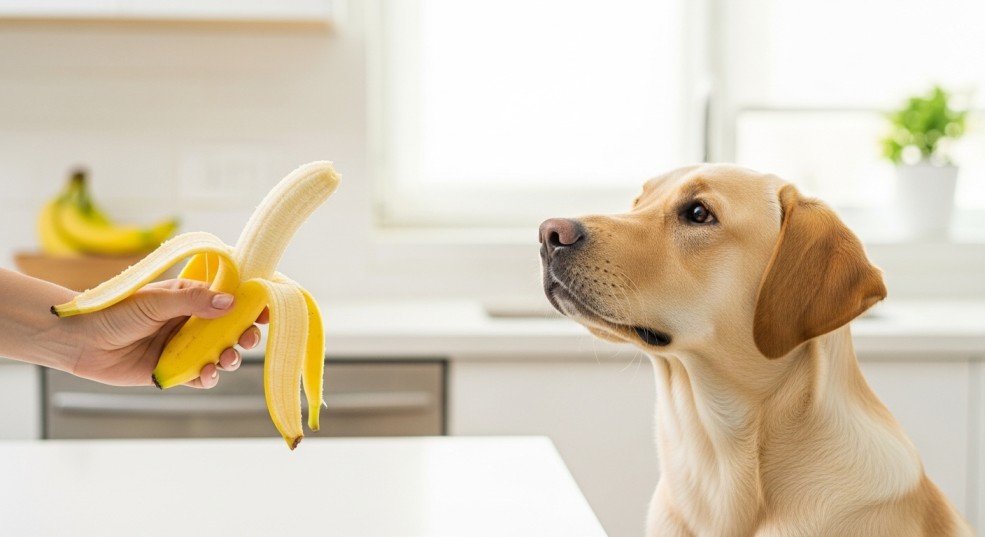
Your dog just snatched a banana slice off the kitchen counter. Before you panic, take a breath. Unlike some human foods, bananas are generally considered safe for dogs but that does not mean you should let your dog eat as many as they want. The answer involves portion sizes, sugar content, and a few important exceptions most dog owners are not aware of.
This guide covers every angle: whether bananas are good or bad for dogs, how much is safe, which banana products to avoid, what to do if your dog ate a banana peel, and everything in between all backed by veterinary sources.
Can Dogs Eat Banana? The Short Answer

Yes, dogs can eat bananas but only in moderation, and only the ripe flesh. Bananas are not toxic to dogs, but their high sugar content means they should be treated as an occasional treat rather than a daily snack.
Bananas are one of the safer fruits you can share with your dog but sugar content and portion control matter more than most people realize.
Nutritional Value of Bananas for Dogs
Bananas are nutrient-dense for their size. Here is a breakdown of what a medium banana contains and what those nutrients mean for your dog:
| Nutrient | Amount per Medium Banana | Benefit for Dogs |
| Potassium | 422 mg | Supports heart and muscle function |
| Vitamin B6 | 0.4 mg | Aids protein metabolism and brain health |
| Vitamin C | 10.3 mg | Supports immune system |
| Fiber | 3.1 g | Promotes healthy digestion |
| Magnesium | 32 mg | Supports bone health and energy production |
| Natural Sugar | 14.4 g | Quick energy limit due to high sugar content |
The good news: bananas provide real nutritional value. The concern: bananas are high in natural sugar (about 14 grams per medium banana), which can contribute to weight gain, blood sugar spikes, and dental issues when given too frequently.
What Makes Bananas Good and Sometimes Problematic for Dogs?
1. Potassium and Heart Health
Bananas are one of the richest natural sources of potassium available. Potassium plays a critical role in your dog’s muscle contractions, nerve signals, and heart function. Dogs with low potassium levels (hypokalemia) can experience muscle weakness, lethargy, and in severe cases, cardiac issues. A small piece of banana as an occasional treat can be a helpful dietary supplement for otherwise healthy dogs.
2. Natural Sugars The Primary Concern
The biggest downside of bananas for dogs is their sugar content. A medium banana contains about 14 grams of natural sugar. While this is fine for humans consuming a balanced diet, dogs metabolize sugar differently. Consistent overconsumption of sugary foods can lead to:
- Weight gain and obesity
- Diabetes or worsening of pre-existing diabetes
- Dental decay and plaque buildup
- Gastrointestinal upset particularly loose stools or diarrhea
This is why bananas should be treated as a treat, not a dietary staple.
3. Fiber Helpful in the Right Amount
Bananas are a reasonable source of dietary fiber, which supports healthy digestion and regular bowel movements in dogs. However, too much fiber at once can have the opposite effect causing loose stools, gas, or diarrhea. This is another reason small portions matter.
4. Vitamin B6 and Immune Support
Vitamin B6 is essential for protein and carbohydrate metabolism in dogs. It also supports brain health and the production of serotonin and norepinephrine. Vitamin C in bananas supports immune function and collagen production, though dogs can synthesize their own Vitamin C it is not a dietary requirement for them the way it is for humans.
How Much Banana Can a Dog Eat?
Portion size is everything with bananas. Veterinary nutritionists generally recommend following the 10 percent rule: treats should make up no more than 10 percent of your dog’s daily caloric intake. For most dogs, that translates to:
- Small dogs (under 20 lbs): 2 to 3 small banana slices per day, maximum
- Medium dogs (20 to 50 lbs): 3 to 6 slices, or about half a banana occasionally
- Large dogs (over 50 lbs): Up to half a banana on occasion, not daily
These are upper limits, not targets. A few slices once or twice a week is a reasonable frequency for most dogs. Daily banana feeding even in small amounts can add up quickly in terms of sugar and calorie intake.
Dogs with diabetes, kidney disease, or obesity should not eat bananas at all without explicit guidance from a veterinarian.
Banana Safety by Type: Quick Reference Table
| Banana Part | Safe for Dogs? | Notes |
| Ripe flesh (peeled) | Yes, in moderation | Best option limit to small portions |
| Unripe/green banana | Not recommended | Hard to digest, may cause constipation |
| Banana peel | No | Difficult to digest, choking risk |
| Dried banana chips | Rarely | High sugar and calorie density, check for additives |
| Banana bread or muffins | No | Often contains xylitol, sugar, or raisins toxic |
| Frozen banana slices | Yes | Great summer treat, same portion rules apply |
Can Dogs Eat Banana Peels?
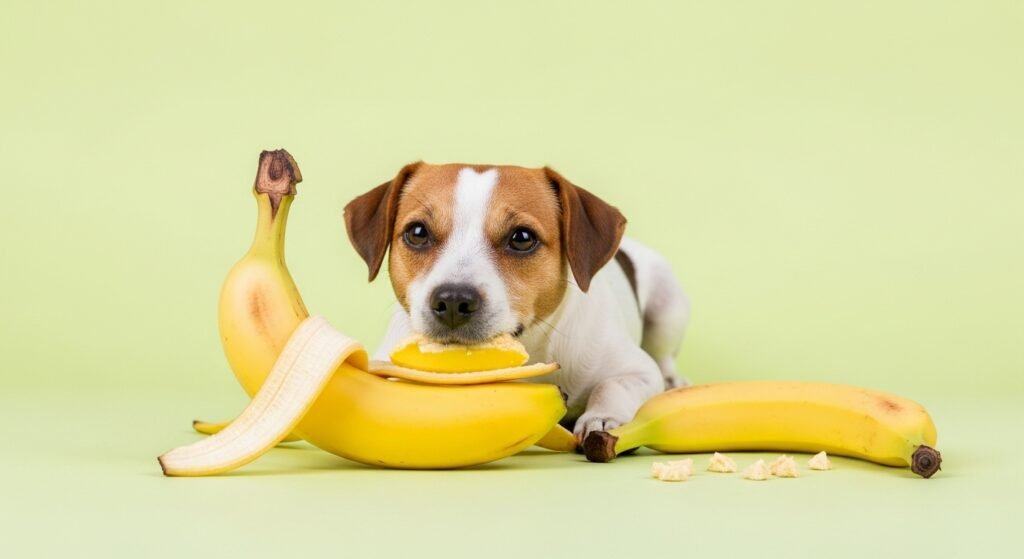
Banana peels are not toxic to dogs, but they are not safe to give intentionally. Here is why:
- Difficult to digest: Banana peels are tough and fibrous. A dog’s digestive system is not equipped to break them down efficiently, which can cause gastrointestinal upset, vomiting, or diarrhea.
- Choking hazard: A whole or large piece of banana peel can become lodged in your dog’s throat or cause an intestinal blockage, particularly in smaller breeds.
- Pesticide residue: Conventional banana peels often carry pesticide residues on the surface. Even if the amount is small, this is an unnecessary exposure risk for your dog.
If your dog snatched a banana peel off the counter, monitor them for vomiting, lethargy, or signs of stomach discomfort over the next 12 to 24 hours. If they ate a large piece and you have a small or medium dog, call your vet.
Can Bananas Kill Dogs?
This deserves a direct answer. Plain ripe bananas, on their own, will not kill a healthy dog. Bananas are not toxic to dogs. However, certain banana-related scenarios can be dangerous or even life-threatening:
- Banana products containing xylitol: Xylitol is an artificial sweetener used in some banana-flavored foods, peanut butter, and baked goods. It is highly toxic to dogs and can cause hypoglycemia (dangerously low blood sugar) and liver failure even in small amounts. Always read ingredient labels.
- Banana bread with raisins: Raisins are extremely toxic to dogs, potentially causing acute kidney failure even in tiny amounts. Any banana bread or muffin recipe with raisins is dangerous.
- Intestinal blockage from the peel: A large banana peel, particularly in a small dog, can cause a blockage requiring emergency surgery.
- Severe blood sugar disruption in diabetic dogs: Dogs with diabetes can experience dangerous glucose spikes from banana consumption.
The bottom line: plain bananas are not a poison risk, but banana products especially those with xylitol, raisins, or other additives can absolutely be life-threatening. Always check what you are feeding before sharing.
Can Dogs Eat Banana Bread?
No, not safely. Banana bread is significantly more dangerous than plain banana flesh for a few reasons:
- Sugar: Most banana bread recipes contain added sugar, which is harmful to dogs in excess.
- Butter and oil: High fat content can trigger pancreatitis in dogs, especially those already prone to digestive issues.
- Raisins or nuts: Common add-ins that are either toxic (raisins) or not recommended (macadamia nuts, also toxic) for dogs.
- Xylitol: Some recipes use xylitol as a sugar substitute. Even a small amount can cause life-threatening hypoglycemia in dogs.
- Baking spices: Nutmeg, sometimes used in banana bread, is toxic to dogs and can cause hallucinations, seizures, and death in larger amounts.
Even a plain, no-additive banana bread is not recommended because of the sugar, butter, and calorie density. Do not share it with your dog.
Can Dogs Eat Dried Banana Chips?
This depends entirely on the product. Some commercially available banana chips are fried in oil and coated in sugar or salt, which makes them a poor choice for dogs. Others are simple dehydrated banana slices with no additives and are technically safe in very small amounts.
The problem with dried banana chips is calorie and sugar concentration. A fresh banana slice loses most of its water content when dried, meaning the sugar and calories are packed into a much smaller volume. A few dried slices can easily exceed the safe treat limit for a small dog.
If you want to give your dog a dried banana treat, look for plain dehydrated banana slices with no added sugar, oil, or salt. Limit to one or two chips at most.
What to Do If My Dog Ate a Banana
Stay calm. What happens next depends on what type of banana product your dog ate and how much.
1: Identify What Was Eaten
- A few slices of ripe banana flesh: Monitor at home for any GI upset. Very unlikely to cause problems.
- A whole banana or large amount of flesh: Watch for diarrhea or vomiting. Call your vet if symptoms develop or persist.
- Banana peel: Monitor for vomiting, lethargy, or signs of blockage. Call your vet if your dog is a small breed or ate a large piece.
- Banana bread, muffins, or baked goods: Check the ingredient list immediately for xylitol, raisins, or nutmeg. If any are present, call your vet or poison control immediately.
- Banana-flavored product with xylitol: Emergency. Go to a veterinary clinic immediately.
2: Watch for These Symptoms
- Vomiting or retching
- Diarrhea or loose stools
- Lethargy or unusual tiredness
- Loss of appetite
- Abdominal bloating or signs of pain
- Tremors, weakness, or collapse (if xylitol ingestion is suspected seek emergency care immediately)
3: Who to Call
Your vet: First point of contact for any concerning ingestion.
ASPCA Animal Poison Control: (888) 426-4435 available 24/7 (consultation fee may apply).
Pet Poison Helpline: (855) 764-7661 24/7 toxicology support.
Can Dogs Eat Frozen Bananas?
Yes frozen banana slices are one of the best ways to serve bananas to dogs. Freezing changes the texture (dogs often love the chewy, cool consistency) but does not change the nutritional profile. Frozen bananas make excellent summer treats.
To make frozen banana treats for your dog: peel a ripe banana, slice it into small rounds, lay them flat on parchment paper, and freeze for at least two hours. Serve one to three pieces depending on your dog’s size. You can also blend frozen banana with plain, unsweetened yogurt and freeze in an ice cube tray for a more complex treat.
The same portion rules apply to frozen bananas as to fresh ones small amounts, not daily.
Are Bananas Good for a Dog’s Stomach?
In small amounts, yes. Bananas can actually support digestive health in dogs due to their fiber and prebiotic content. Some vets recommend a small piece of ripe banana for dogs experiencing mild constipation, as the fiber can help regulate bowel movements.
However, the opposite can also be true. Too much banana can cause diarrhea or loose stools due to the fiber and sugar content. Unripe bananas are particularly difficult for dogs to digest and may cause constipation or stomach cramping.
If your dog has a sensitive stomach or a history of gastrointestinal issues, introduce banana in very small amounts and watch closely for any adverse reaction before making it a regular treat.
Safe Alternatives to Bananas for Dogs
If you want to give your dog a healthy, dog-friendly snack that is lower in sugar than banana, these options are excellent choices:
- Blueberries: Packed with antioxidants and vitamin C, very low in sugar.
- Sliced apple (no seeds or core): Good source of fiber and vitamins A and C.
- Watermelon (seedless, no rind): Hydrating and low in calories.
- Cooked sweet potato: Rich in beta-carotene and dietary fiber.
- Plain pumpkin (not pie filling): Excellent for digestion and very low in calories.
- Carrots: Crunchy, low-calorie, and good for dental health.
Frequently Asked Questions: Dogs and Bananas
Can bananas kill dogs?
Plain ripe bananas will not kill a healthy dog. However, banana products containing xylitol, raisins, or nutmeg can be life-threatening. Always check ingredients before sharing any banana-based food with your dog.
How much banana can a dog eat per day?
As a general guide: small dogs can have 2 to 3 small slices, medium dogs up to 6 slices, and large dogs up to half a banana. These are upper limits, not daily targets. Bananas should be an occasional treat, not a daily food.
Can dogs eat banana peels?
Banana peels are not toxic, but they are difficult to digest and pose a choking or blockage risk, especially in smaller dogs. Do not intentionally feed your dog banana peels. If your dog ate a peel, monitor closely and contact your vet if symptoms develop.
Can dogs eat banana bread?
No. Banana bread typically contains sugar, butter, and sometimes raisins, xylitol, or nutmeg all of which are harmful to dogs. Even plain banana bread is too high in sugar and fat to be appropriate for dogs.
Are bananas good for dogs with diarrhea?
A small amount of ripe banana can help bind loose stools due to its fiber content similar to how it works in humans. However, too much banana can make diarrhea worse due to sugar content. Consult your vet before using banana as a remedy for digestive issues.
Can dogs eat frozen banana?
Yes. Frozen banana slices are a great treat option, especially in warm weather. Freeze small rounds of ripe, peeled banana and serve one to three pieces depending on your dog’s size. The same portion limits apply.
Can diabetic dogs eat bananas?
No. Dogs with diabetes should not eat bananas due to their high natural sugar content, which can cause dangerous blood sugar spikes. Consult your veterinarian before giving any fruit to a diabetic dog.
What should I do if my dog ate a banana?
If your dog ate a small piece of plain ripe banana, simply monitor for any stomach upset. If they ate a banana peel, large amounts of banana, or any banana product with unknown ingredients, call your vet or ASPCA Animal Poison Control at (888) 426-4435.
Can Dogs Eat Banana Peels?
No, dogs should not eat banana peels. While they aren’t toxic, the tough, fibrous peel is difficult to digest and may cause stomach upset or even an intestinal blockage.
Can Dogs Eat Banana Bread?
Dogs should avoid banana bread because it often contains added sugar, butter, and ingredients like raisins, chocolate, or xylitol that can be harmful or toxic to dogs.
Can Dogs Eat Bananas Safely?
Yes, dogs can eat bananas safely when served in small, bite-sized pieces. Fresh bananas are a healthy treat rich in potassium, fiber, and vitamins, but they should be fed in moderation.
Can Dogs Eat Banana Chips?
Plain, unsweetened banana chips are safe only in small amounts. However, most store-bought banana chips contain added sugar, oils, or preservatives, making fresh bananas the healthier choice.
Final Word: Should You Feed Your Dog Bananas?
Yes, bananas are one of the safer fruits you can share with your dog but they come with a clear caveat: moderation. A few small slices of ripe, peeled banana a few times per week is a perfectly fine treat for most healthy adult dogs.
The risks are not from the banana itself, but from overfeeding (too much sugar), the peel (choking or blockage risk), and banana-based products that contain toxic additives like xylitol or raisins. Always read labels, always control portions, and always treat bananas as an occasional reward rather than a dietary staple.
If your dog has diabetes, kidney disease, obesity, or a sensitive stomach, talk to your vet before introducing bananas into their diet. For healthy dogs, a slice of banana is a safe, nutrient-rich treat they will almost certainly love.
Reviewed & Recommended by Dr. Ubaidur Rahman, DVM
Veterinary Review: Dr. Ubaidur Rahman, DVM, reviewed this guide for veterinary accuracy, including the safety, nutritional value, and recommended way to offer bananas to dogs.
Dr. Ubaidur Rahman’s Recommendation: Bananas are generally safe for dogs when given in moderation. They provide fiber, potassium, and other nutrients, but they are also relatively high in natural sugar, so they should be an occasional treat rather than a regular part of a dog’s diet. Always remove the peel and offer small pieces appropriate for your dog’s size.
Sources and References
Merck Veterinary Manual: Nutrition in Dogs. merckvetmanual.com
ASPCA Animal Poison Control Center: Toxic and Non-Toxic Plants/Foods. aspca.org
PetMD: Can Dogs Eat Bananas? (Updated 2025). petmd.com
American Kennel Club: Can Dogs Eat Bananas? akc.org
Purina: Are Bananas Good for Dogs? purina.com
VCA Animal Hospitals: Potassium Disorders in Dogs. vcahospitals.com
Pet Poison Helpline: Xylitol Toxicity in Dogs. petpoisonhelpline.com
Discover More:-
- Dogs Vegetables Guide: What Vegetables Can Dogs Eat Safely? 2026
- Can Dogs Eat Apples? Vet-Approved Benefits, Risks & Safe Feeding Guide 2026

Dr. Ubaid Ur Rehman, DVM is a qualified veterinarian with expertise in pet health, nutrition, and preventive care. He is passionate about helping pet owners make informed decisions through accurate, research-based, and practical advice. As a veterinary professional, he reviews and contributes content to ensure reliable information for dog and pet owners.