Dog Toxic Foods: Complete Vet-Backed Safety Guide 2026
Quick Answer: Chocolate, grapes, raisins, xylitol, onions, garlic, macadamia nuts, raw yeast dough, and alcohol are among the most dangerous foods for dogs. The severity depends on the toxin, the amount eaten, and the size of your dog. When in doubt, call your vet or a poison hotline immediately.
Your dog just gobbled something from the kitchen floor. Before you spiral, stop and breathe. Not every human food is dangerous for dogs but some are surprisingly deadly, even in small amounts. This guide gives you the full, vet-backed picture so you know exactly what to worry about and what is not worth the stress.
We cover the most common toxic foods for dogs: which ones can kill, how much is too much, why certain ingredients are dangerous at a cellular level, and what to do right now if your dog has already eaten something suspicious.
Dog Toxic Foods: The Short Answer
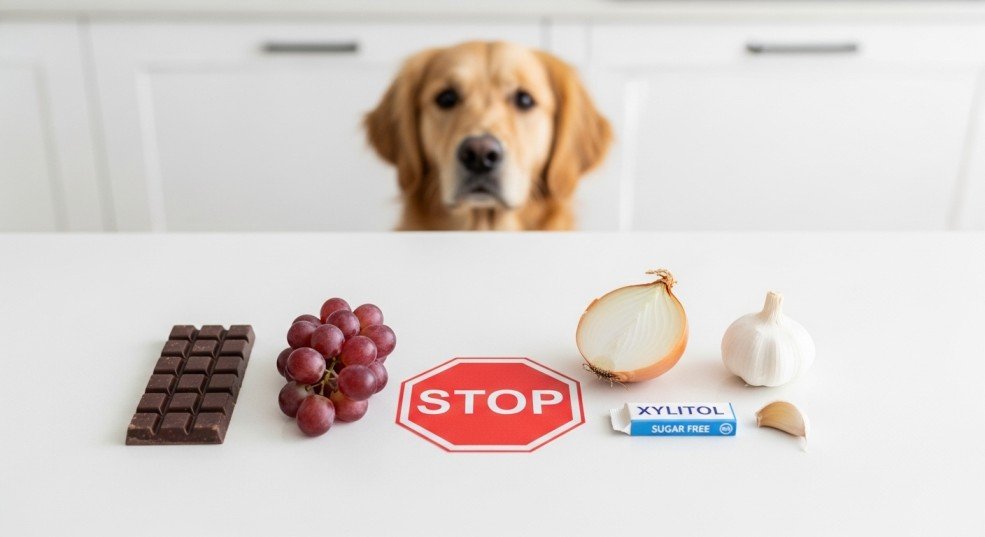
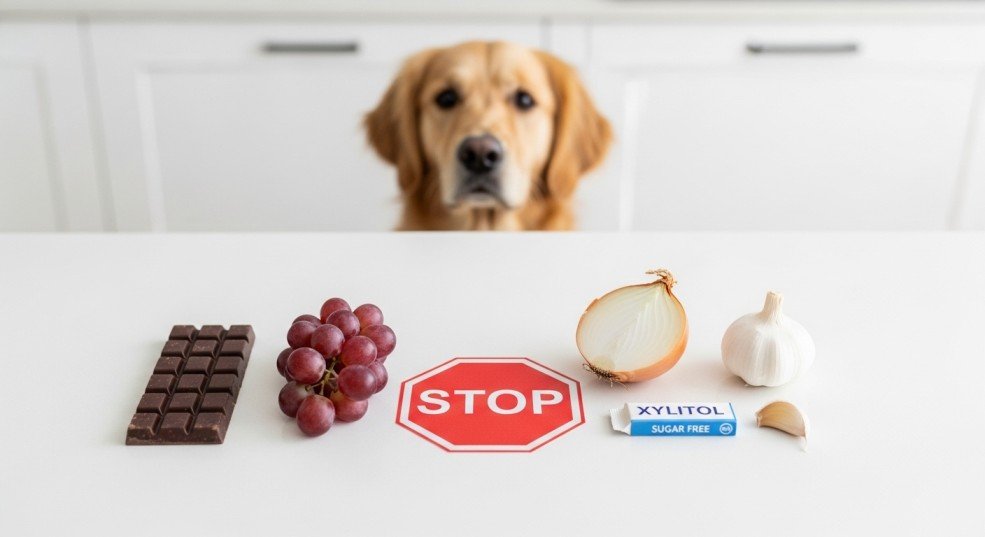
Many everyday human foods chocolate, grapes, onions, xylitol, and more are genuinely toxic to dogs, even in small quantities. Some cause kidney failure; others damage red blood cells or attack the nervous system. A few can be fatal within hours.
What Makes a Food Toxic to Dogs?
Dogs metabolize food differently than humans. A compound that is harmless or even beneficial for humans can overwhelm a dog’s liver, kidneys, or nervous system. Toxicity depends on three key factors:
- The specific toxic compound present in the food
- The dose relative to the dog’s body weight
- The dog’s individual health, age, and breed sensitivity
Some foods are acutely toxic a single small dose can cause organ failure. Others are chronically toxic the damage builds up over repeated exposures. This guide covers both categories.
The Most Dangerous Toxic Foods for Dogs
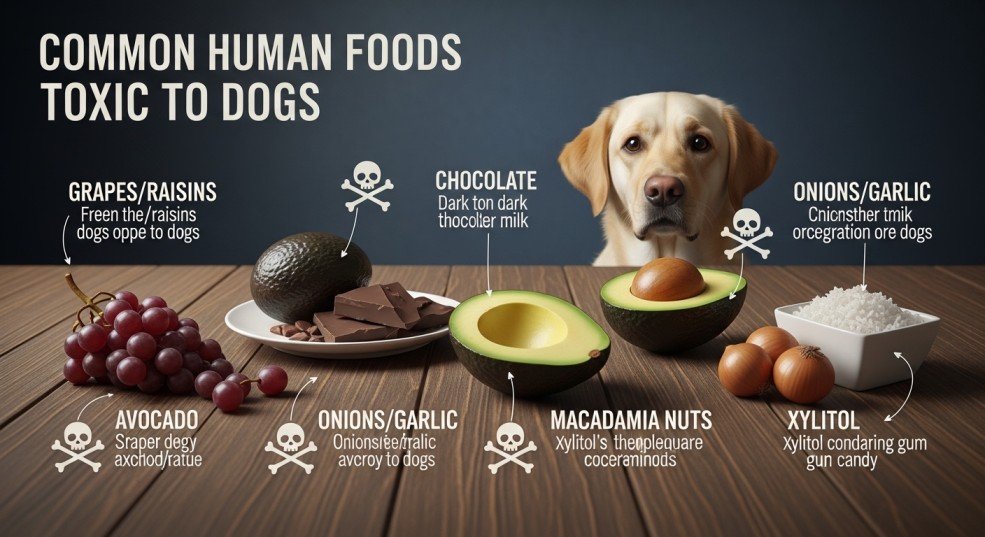
1. Chocolate Cardiac and Nervous System Threat
Chocolate contains two toxic compounds for dogs: theobromine and caffeine. Dogs metabolize theobromine far more slowly than humans, allowing it to build up to dangerous concentrations in the bloodstream.
Important: Dark chocolate and baking chocolate are significantly more toxic than milk chocolate. White chocolate contains very little theobromine but is still high in fat and sugar.
Symptoms of chocolate toxicity include vomiting, diarrhea, restlessness, excessive urination, racing heart, muscle tremors, and seizures. In severe cases, it can cause cardiac failure and death.
Toxic dose: As little as 0.1 oz of dark chocolate per pound of body weight can cause toxicity. A 10 lb dog can be poisoned by less than 1 oz of baking chocolate.
2. Grapes and Raisins Acute Kidney Failure
Grapes and raisins are among the most unpredictably dangerous foods for dogs. The toxic compound has not been definitively identified, which means there is no established safe dose even a single grape has triggered acute kidney failure in some dogs.
What makes this particularly dangerous is the inconsistency: some dogs eat grapes with no visible effect, while others develop fatal kidney failure after a small amount. Veterinarians cannot predict which dogs are sensitive.
Early signs include vomiting, lethargy, and loss of appetite within a few hours. Kidney failure signs decreased urination, abdominal pain, weakness develop within 24 to 72 hours. Without emergency treatment, this is life-threatening.
Verdict: Treat any grape or raisin ingestion as an emergency. Do not wait for symptoms.
3. Xylitol The Hidden Killer in Sugar-Free Products
Xylitol is a sugar alcohol found in sugar-free gum, candy, peanut butter, toothpaste, vitamins, and many baked goods. It is one of the most acutely toxic substances dogs can consume.
In dogs, xylitol triggers a rapid and massive release of insulin far more than normal food causing a dangerous drop in blood sugar (hypoglycemia). At higher doses, it causes acute liver failure, which can be fatal within 72 hours.
Signs of xylitol poisoning include vomiting, loss of coordination, lethargy, collapse, and seizures. Liver failure signs may not appear until 1 to 3 days after ingestion.
Toxic dose: As little as 0.1 gram per kg of body weight can cause hypoglycemia. Liver failure occurs at around 0.5 g/kg. A single piece of xylitol-sweetened gum can be lethal for a small dog.
4. Onions and Garlic Red Blood Cell Destruction
All members of the Allium family onions, garlic, leeks, chives, shallots are toxic to dogs. They contain compounds called organosulfoxides that damage red blood cells, leading to hemolytic anemia. Garlic is roughly five times more toxic than onions on a per-weight basis.
The danger is cumulative: a single large exposure and repeated small exposures both cause harm. This makes table scraps particularly risky many cooked dishes contain onion or garlic as a base ingredient.
Symptoms are often delayed by several days and include pale gums, weakness, lethargy, reduced appetite, and reddish or brownish urine. Without treatment, severe anemia can become life-threatening.
Important: Cooked, raw, powdered, and dehydrated forms are all equally toxic. Onion powder is especially concentrated a small amount in seasoning can be dangerous.
5. Macadamia Nuts Neurological Toxicity
Macadamia nuts are toxic to dogs through an unidentified mechanism. Even small amounts cause a distinctive set of neurological symptoms that can develop within 12 hours of ingestion.
Signs include weakness in the hind legs, vomiting, tremors, fever, and lethargy. While most dogs recover within 48 hours with supportive care, complications can arise especially if macadamia nuts are combined with chocolate, which is common in cookies and trail mixes.
Toxic dose: As little as 2.4 grams per kg of body weight can cause symptoms. That is approximately 1 to 2 nuts for a small dog.
6. Raw Yeast Dough Expansion and Alcohol Poisoning
Raw bread dough containing active yeast is dangerous for two compounding reasons. First, the dough continues to expand inside the warm, moist stomach, causing bloating, severe abdominal pain, and in serious cases, a condition called gastric dilatation-volvulus (GDV) which can cut off blood supply to the stomach and be fatal.
Second, the fermentation process produces ethanol (alcohol), which is rapidly absorbed and causes alcohol poisoning. Signs include disorientation, vomiting, low blood pressure, hypothermia, and seizures.
Even a small amount of raw yeast dough is a veterinary emergency. Do not wait for symptoms to develop.
7. Alcohol No Safe Amount
Dogs are significantly more sensitive to alcohol than humans. Even small amounts a sip of beer, a spilled cocktail, alcohol in certain foods can cause alcohol poisoning.
Symptoms include vomiting, disorientation, loss of coordination, dangerously low body temperature, low blood sugar, and in severe cases, respiratory failure. Alcohol poisoning in dogs can be fatal without emergency treatment.
There is no safe dose of alcohol for dogs. This includes beer, wine, spirits, and food products containing alcohol such as rum cake or wine-braised meat.
8. Caffeine Coffee, Tea, Energy Drinks
Caffeine stimulates the central nervous system and cardiovascular system in dogs far more intensely than in humans. Sources include coffee, tea, energy drinks, some sodas, caffeine pills, and certain medications.
Signs of caffeine toxicity include restlessness, rapid breathing, heart palpitations, muscle tremors, and seizures. Severe cases can cause cardiac arrhythmia and collapse.
Toxic dose: Around 140 mg per kg of body weight can be fatal. A regular cup of brewed coffee contains 80 to 100 mg of caffeine enough to seriously harm a small dog.
Dog Toxic Foods: Quick Reference Table
| Toxic Food | Toxic Compound | Main Risk | Verdict |
| Dark/Baking Chocolate | Theobromine, Caffeine | Cardiac arrest, seizures | Dangerous avoid all |
| Grapes / Raisins | Unknown | Acute kidney failure | Emergency any amount |
| Xylitol (sugar-free) | Xylitol | Hypoglycemia, liver failure | Extremely toxic fatal |
| Onions / Garlic | Organosulfoxides | Hemolytic anemia | All forms are toxic |
| Macadamia Nuts | Unknown | Neurological symptoms | Even 1-2 nuts is risky |
| Raw Yeast Dough | Ethanol + expansion | GDV, alcohol poisoning | Veterinary emergency |
| Alcohol | Ethanol | CNS depression, death | No safe amount |
| Caffeine | Caffeine, methylxanthines | Cardiac arrhythmia | Even small amounts |
| Cooked Bones | Splintering | GI perforation, choking | Never give cooked bones |
| Nutmeg | Myristicin | Hallucinations, tremors | Toxic in any amount |
Lesser-Known Toxic Foods for Dogs
Most dog owners know about chocolate and grapes. These lesser-known toxic foods are responsible for a significant number of calls to poison control every year:
- Nutmeg: Contains myristicin, which causes hallucinations, disorientation, increased heart rate, and seizures in dogs. Even small amounts found in baked goods can be harmful.
- Cooked bones: Cooked chicken, pork, and fish bones splinter into sharp shards that can puncture the esophagus, stomach, or intestines. Raw bones are generally safer but still carry bacterial contamination risks.
- Salt in large amounts: Excessive sodium causes salt toxicity excessive thirst, vomiting, diarrhea, tremors, and in severe cases, seizures and kidney damage.
- Avocado skin, pit, and leaves: While the flesh in small amounts is relatively low risk, the skin and pit contain persin and pose physical obstruction risks. The leaves are genuinely toxic.
- Fruit pits and apple seeds: Cherry pits, peach pits, apricot kernels, and apple seeds contain cyanogenic compounds that release hydrogen cyanide when metabolized. Multiple seeds over time can cause cyanide toxicity.
- Hops: Used in home beer brewing. Even small amounts can cause malignant hyperthermia in dogs a rapid, life-threatening rise in body temperature.
Can Toxic Foods Kill Dogs?
Yes and more quickly than most owners expect. This question deserves a direct answer by food category:
- Xylitol: Can cause fatal liver failure within 72 hours. A single stick of xylitol gum can be lethal for a small dog.
- Grapes and raisins: Can cause irreversible kidney failure within 24 to 72 hours. Fatalities are documented even in large dogs after a small amount.
- Chocolate (dark/baking): Can cause fatal cardiac arrhythmia in small dogs or when large amounts are consumed.
- Raw yeast dough: Can cause GDV a life-threatening stomach condition within hours.
- Alcohol: Respiratory failure can occur in small dogs after even a modest ingestion.
The bottom line: several common foods can kill a dog within hours or days without emergency treatment. Never adopt a wait-and-see approach if your dog has eaten xylitol, grapes, raisins, or large amounts of chocolate.
What to Do If Your Dog Ate Something Toxic

Stay calm. The steps you take in the next few minutes can make a significant difference.
Step 1: Identify What Was Eaten
- What food was it, and how much?
- When did they eat it how long ago?
- What is your dog’s weight?
- Is your dog showing any symptoms yet?
Step 2: Know When It Is an Emergency
Go to an emergency vet immediately if your dog ate:
- Any amount of xylitol
- Any amount of grapes or raisins
- A significant amount of dark or baking chocolate
- An avocado pit, or avocado leaves
- Raw yeast dough
- Any amount of alcohol or a caffeine product
Call your vet for guidance if your dog ate a smaller amount of a lower-risk food, or if you are unsure of the quantity.
Step 3: Watch for These Symptoms
Across most toxic food exposures, these are warning signs that require immediate veterinary attention:
- Vomiting or diarrhea especially if persistent or bloody
- Loss of coordination or stumbling
- Seizures or muscle tremors
- Pale or yellowish gums
- Extreme lethargy or unresponsiveness
- Difficulty breathing
- Abdominal bloating or obvious pain
Step 4: Who to Call
- Your vet: First point of contact for any suspected toxin ingestion.
- ASPCA Animal Poison Control: (888) 426-4435 available 24/7 (consultation fee may apply).
- Pet Poison Helpline: (855) 764-7661 24/7 toxicology support.
Foods That Are Safe for Dogs (As Treats)
Not every human food is dangerous. These options are generally safe for most healthy adult dogs when given in moderation:
- Blueberries: Rich in antioxidants and vitamin C with very low fat.
- Sliced apple (no seeds or core): Good source of fiber and vitamins A and C.
- Banana: High in potassium and a dog-friendly source of natural sweetness.
- Cooked sweet potato (plain): Excellent source of beta-carotene and dietary fiber.
- Plain pumpkin (not pie filling): Supports digestion and is low in calories.
- Cooked chicken or turkey (unseasoned): Lean protein that most dogs tolerate well.
- Carrots (raw or cooked): Low-calorie snack with dental benefits when raw.
When in doubt about any food, check with your vet before offering it. Safe foods can still cause issues for individual dogs with allergies, pancreatitis, or other conditions.
Frequently Asked Questions: Dog Toxic Foods
What foods are most toxic to dogs?
The most dangerous foods for dogs are xylitol (found in sugar-free products), grapes and raisins, dark and baking chocolate, onions and garlic, macadamia nuts, raw yeast dough, alcohol, and caffeine. Xylitol and grapes are particularly dangerous because even very small amounts can cause fatal organ failure.
How quickly do toxic foods affect dogs?
It depends on the food. Xylitol causes hypoglycemia within 30 to 60 minutes of ingestion. Grape toxicity develops over 24 to 72 hours. Chocolate symptoms appear within 6 to 12 hours. Onion and garlic damage is cumulative and symptoms may not show for several days. Raw yeast dough causes expansion and alcohol toxicity within hours.
Can a tiny amount of toxic food hurt my dog?
For some foods, yes. Xylitol, grapes, and raisins can cause severe organ damage even in trace amounts in certain dogs. For others like chocolate, the risk scales with the amount and the dog’s size. Never assume a small amount is safe without consulting a vet the dose-response relationship varies significantly between toxins.
Should I induce vomiting if my dog ate something toxic?
Do not induce vomiting without explicit instruction from your vet or a poison control professional. In some cases such as if the dog is already showing neurological symptoms, or swallowed something caustic inducing vomiting can cause additional harm. Your vet will tell you whether it is appropriate based on what was eaten and how long ago.
Are there dog toxic foods that are not widely known?
Yes. Nutmeg, hops, fruit pits, and apple seeds are frequently overlooked. Xylitol is found in products many owners do not associate with danger certain brands of peanut butter, vitamins, and medications. Always read ingredient labels on sugar-free and low-calorie products before sharing them with your dog.
What human foods can dogs eat safely?
Plain cooked chicken, turkey, carrots, blueberries, apples (without seeds), bananas, plain pumpkin, and cooked sweet potato are all generally safe for dogs as occasional treats. Portion size still matters even safe foods can cause stomach upset or weight gain if fed in excess.
Final Word: Which Dog Toxic Foods Need the Most Vigilance?
Xylitol, grapes, and raisins deserve the highest vigilance because their toxicity is dose-independent in some dogs and because there are no safe amounts established. Chocolate and onions are dangerous at higher doses but require larger quantities to be fatal in most dogs the exception being small breeds, puppies, or dogs with underlying health conditions.
The single most important practice for keeping your dog safe is label awareness. Xylitol hides in unexpected products. Onion and garlic are base ingredients in most savory human cooking. Grapes are a common snack left within reach.
When in doubt about any food your dog has eaten, do not wait for symptoms. Call your vet or contact ASPCA Animal Poison Control at (888) 426-4435. Early intervention is almost always more effective and less expensive than treating organ damage after the fact.
Sources & References
- Merck Veterinary Manual: Food Hazards in Small Animals. merckvetmanual.com
- ASPCA Animal Poison Control Center: Toxic and Non-Toxic Plants and Foods. aspca.org
- PetMD: Foods Toxic to Dogs (Updated 2025). petmd.com
- American Kennel Club: Foods Your Dog Should Never Eat. akc.org
- Pet Poison Helpline: Top Dog Toxins. petpoisonhelpline.com
- Veterinary Partner (VIN): Grape and Raisin Toxicity in Dogs. veterinarypartner.vin.com
- ASPCA: Xylitol Poisoning in Companion Animals. aspca.org