Pet Ultrasound: What It Is, How It Works, Benefits, Cost & When Your Pet Needs One 2026
Quick Ans: A pet ultrasound is a safe, painless, and non-invasive diagnostic tool that uses high-frequency sound waves to create real-time moving images of your pet’s internal organs.
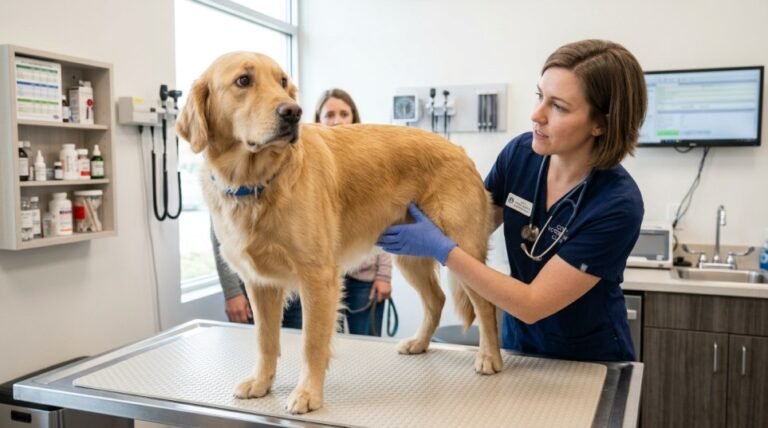
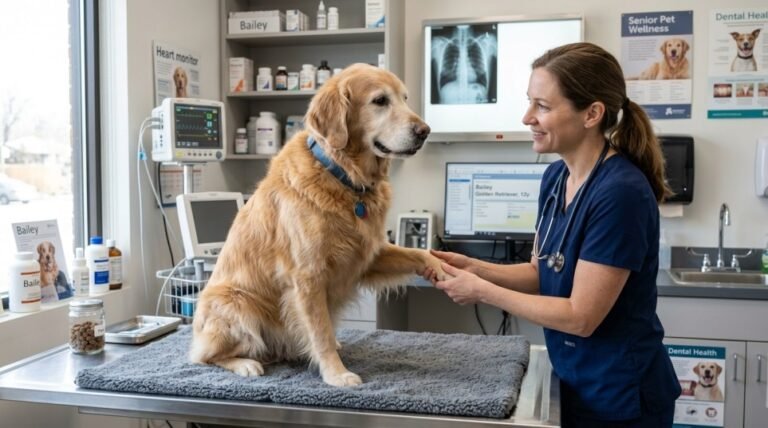
If your veterinarian recommends a pet ultrasound, you may wonder what the procedure involves and whether your furry companion will be comfortable. The good news is that veterinary ultrasound is one of the safest and most valuable diagnostic tools available today. It allows veterinarians to look inside your pet’s body without surgery, helping them diagnose illnesses earlier and create the most effective treatment plan.
Unlike X-rays, which primarily show bones and dense structures, ultrasound creates real-time images of soft tissues and internal organs. As a result, veterinarians can evaluate the heart, liver, kidneys, bladder, spleen, pancreas, intestines, reproductive organs, and even unborn puppies or kittens.
Whether your dog has unexplained vomiting, your cat has urinary problems, or your veterinarian discovers an abnormal lump, an ultrasound often provides the answers needed to move forward with treatment.
In this complete guide, you’ll learn everything about pet ultrasound, including how it works, when it’s recommended, what conditions it can detect, whether it’s safe, how much it costs, and what to expect before, during, and after the procedure.
What Is a Pet Ultrasound?
A pet ultrasound is a non-invasive imaging procedure that uses high-frequency sound waves to create detailed images of your pet’s internal organs and soft tissues.
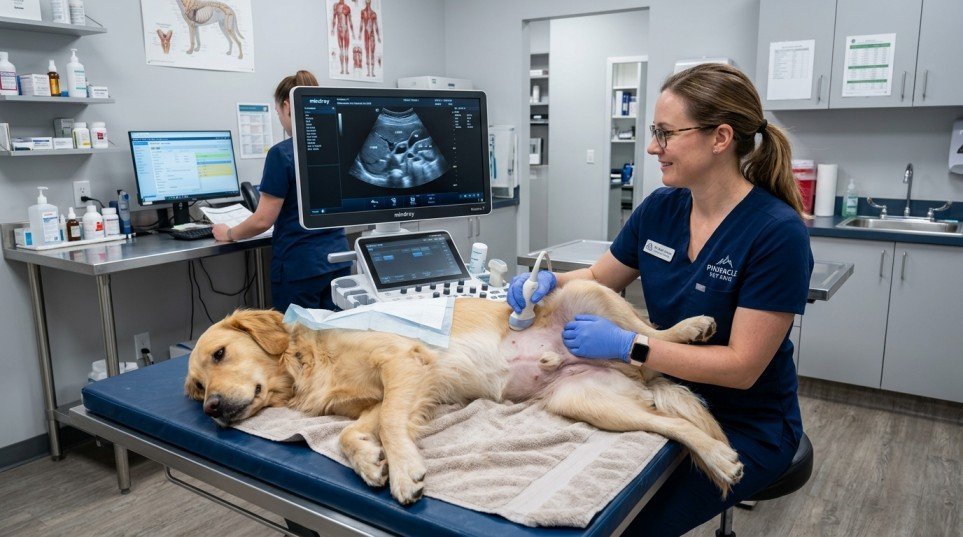
Instead of using radiation, an ultrasound machine sends sound waves into the body. These waves bounce back after hitting organs and tissues, allowing the computer to generate live images on a monitor.
Because veterinarians can watch organs moving in real time, ultrasound is especially useful for examining:
- Liver
- Kidneys
- Spleen
- Bladder
- Pancreas
- Stomach
- Intestines
- Heart
- Gallbladder
- Adrenal glands
- Reproductive organs
- Pregnancy
The procedure is painless and generally takes between 20 and 60 minutes depending on the complexity of the examination.
How Does a Pet Ultrasound Work?
Ultrasound technology relies on sound waves that are completely harmless to your pet.
Here’s how the procedure usually works:
- Your pet lies comfortably on a padded examination table.
- A veterinarian or veterinary technician shaves a small area of fur.
- A clear ultrasound gel is applied to improve image quality.
- A handheld probe called a transducer is gently moved across the skin.
- Live images immediately appear on the ultrasound screen.
The veterinarian carefully examines each organ, measures abnormalities, and records images for future comparison.
Unlike CT scans or MRI, pets usually remain awake throughout the procedure.
Why Would a Veterinarian Recommend a Pet Ultrasound?
Veterinarians recommend ultrasound whenever they need a closer look at soft tissues that cannot be evaluated fully with an X-ray.
Common reasons include:
Persistent Vomiting or Diarrhea
Long-lasting digestive problems may indicate intestinal inflammation, foreign objects, tumors, or pancreatitis.
Unexplained Weight Loss
Sudden weight loss can be linked to liver disease, kidney disease, intestinal disorders, or cancer.
Abdominal Pain
Ultrasound helps locate inflammation, fluid buildup, enlarged organs, or internal injuries.
Blood in Urine
Bladder stones, tumors, infections, or kidney disease often become visible during an ultrasound.
Difficulty Urinating
Your veterinarian may evaluate the bladder, prostate, kidneys, and urinary tract.
Elevated Blood Test Results
If liver or kidney values appear abnormal, ultrasound provides additional information about organ health.
Pregnancy Confirmation
Ultrasound safely confirms pregnancy and monitors fetal development.
Heart Disease
Cardiac ultrasound, also called an echocardiogram, evaluates heart valves, chambers, blood flow, and pumping ability.
Conditions a Pet Ultrasound Can Detect
One of the biggest advantages of ultrasound is its ability to diagnose a wide variety of conditions early.
Some of the most common include:
Liver Disease
Ultrasound can detect:
- Liver enlargement
- Tumors
- Cysts
- Fatty liver disease
- Infections
Kidney Disease
Veterinarians use ultrasound to identify:
- Kidney stones
- Chronic kidney disease
- Kidney cysts
- Infections
- Congenital abnormalities
Bladder Problems
Ultrasound helps diagnose:
- Bladder stones
- Polyps
- Tumors
- Thickened bladder walls
- Chronic urinary infections
Pancreatitis
Inflammation of the pancreas often causes:
- Vomiting
- Loss of appetite
- Severe abdominal pain
Ultrasound is one of the most reliable ways to confirm pancreatitis.
Cancer
Many abdominal cancers become visible on ultrasound, including masses affecting:
- Liver
- Spleen
- Kidneys
- Intestines
- Adrenal glands
Internal Bleeding
Emergency ultrasounds can quickly detect dangerous internal bleeding after trauma or accidents.
Foreign Objects
Some swallowed objects are difficult to see on X-rays but become obvious during ultrasound.
Pet Ultrasound vs X-Ray
Although both imaging techniques are valuable, they serve different purposes.
| Pet Ultrasound | X-Ray |
|---|---|
| Best for soft tissues | Best for bones |
| No radiation | Uses low-dose radiation |
| Real-time imaging | Static images |
| Detects fluid movement | Excellent for fractures |
| Examines organs | Examines skeleton |
Many veterinarians recommend both tests together for the most accurate diagnosis.
Is Pet Ultrasound Safe?
Yes.
Pet ultrasound is considered one of the safest veterinary diagnostic procedures available.
Because it uses sound waves instead of radiation, there are no known harmful effects when performed correctly.
It is considered safe for:
- Puppies
- Kittens
- Senior pets
- Pregnant animals
- Pets with chronic diseases
Millions of veterinary ultrasounds are performed every year without complications.
Does My Pet Need Sedation?
Most pets do not require sedation.
However, sedation may be recommended if your pet:
- Is extremely anxious
- Experiences severe pain
- Cannot remain still
- Becomes aggressive during examinations
In many cases, gentle restraint and reassurance are enough.
How Should You Prepare Your Pet?
Preparation depends on the reason for the ultrasound.
Most veterinarians recommend:
Fasting
Food is usually withheld for 8 to 12 hours before an abdominal ultrasound.
Water
Fresh water is generally allowed unless instructed otherwise.
Full Bladder
For bladder examinations, your veterinarian may ask you not to let your pet urinate immediately before the appointment.
Bring Medical Records
Previous blood work, X-rays, medications, and medical history help your veterinarian interpret the ultrasound findings more accurately.
What Happens During the Procedure?
The examination is simple and stress-free for most pets.
The veterinary team will:
- Weigh your pet
- Review medical history
- Position your pet comfortably
- Clip a small amount of fur
- Apply ultrasound gel
- Scan the necessary organs
- Save important images
Some ultrasounds finish within 20 minutes, while more detailed studies may take an hour.
Can Ultrasound Detect Cancer?
Ultrasound can identify many abnormal masses and tumors.
However, ultrasound alone cannot always determine whether a tumor is cancerous.
If an abnormal mass is discovered, your veterinarian may recommend:
- Fine needle aspiration
- Biopsy
- CT scan
- Laboratory testing
Early detection often leads to more successful treatment outcomes.
Can Ultrasound Detect Pregnancy?
Yes.
Pregnancy ultrasound is commonly performed around 25 to 30 days after breeding.
It helps veterinarians:
- Confirm pregnancy
- Check fetal heartbeats
- Monitor fetal growth
- Estimate litter health
However, X-rays later in pregnancy are more accurate for counting puppies or kittens.
How Long Does It Take?
The average pet ultrasound takes between 20 and 45 minutes.
More complicated examinations involving multiple organs or cardiac evaluations may take closer to one hour.
Results are often available immediately, although some cases require review by a veterinary radiologist.
How Much Does a Pet Ultrasound Cost?
The cost varies depending on location, clinic, and the type of ultrasound performed.
Typical price ranges include:
- Basic abdominal ultrasound: $250–$500
- Emergency ultrasound: $300–$700
- Echocardiogram: $400–$800
- Ultrasound with specialist interpretation: $500–$1,000+
Additional costs may include blood work, sedation, biopsies, or follow-up appointments.
Benefits of Pet Ultrasound
Veterinary ultrasound offers numerous advantages over many other diagnostic tests.
Some of the biggest benefits include:
- Non-invasive
- Painless
- No radiation exposure
- Highly accurate for soft tissues
- Real-time imaging
- Early disease detection
- Guides biopsies safely
- Helps avoid unnecessary surgery
- Fast results
- Safe for repeated use
Are There Any Risks?
Ultrasound is extremely low risk.
Minor issues may include:
- Temporary discomfort during shaving
- Mild stress from restraint
- Rare sedation-related risks if sedation is required
Overall, complications are exceptionally uncommon.
When Should You Contact Your Veterinarian?
Schedule a veterinary visit if your pet experiences:
- Persistent vomiting
- Chronic diarrhea
- Blood in urine
- Difficulty urinating
- Abdominal swelling
- Sudden weight loss
- Loss of appetite
- Unexplained pain
- Lethargy
- Suspected pregnancy complications
Early diagnosis often prevents more serious health problems.
Frequently Asked Questions
Is pet ultrasound painful?
No. Ultrasound is painless and does not involve surgery or needles unless a biopsy is performed afterward.
Does my pet need anesthesia?
Most pets stay awake. Sedation is only necessary when pets cannot remain calm or still.
How long does a pet ultrasound take?
Most examinations take between 20 and 45 minutes.
Can ultrasound detect all diseases?
No. While ultrasound is excellent for evaluating soft tissues, some conditions require X-rays, CT scans, MRI, blood tests, or biopsies for a complete diagnosis.
Can my dog eat before an ultrasound?
For abdominal ultrasounds, fasting for 8–12 hours is usually recommended. Always follow your veterinarian’s instructions.
Is ultrasound better than an X-ray?
Neither test is better in every situation. Ultrasound is ideal for soft tissues, while X-rays are better for bones and certain chest conditions. Many pets benefit from having both tests.
Can ultrasound detect bladder stones?
Yes. Ultrasound is commonly used to identify bladder stones, bladder tumors, and urinary tract abnormalities.
Final Thoughts
A pet ultrasound is one of the most valuable diagnostic tools in modern veterinary medicine. It provides clear, real-time images of your pet’s internal organs without surgery or radiation, making it a safe and effective option for pets of all ages.
Whether your veterinarian is investigating digestive issues, urinary problems, heart disease, pregnancy, or unexplained illness, ultrasound can provide critical information that leads to faster and more accurate treatment. Combined with a physical examination and laboratory testing, it helps detect diseases early, monitor ongoing conditions, and improve overall health outcomes.
If your veterinarian recommends a pet ultrasound, there’s usually no reason to worry. The procedure is quick, painless, and designed to give your pet the best chance of receiving the right diagnosis and care as soon as possible.
Discover More:-
- Pure Balance Dog Food Review 2026: (30 days test + vet opinioin)
- Can Dogs Eat Okra? Vet-Approved Benefits, Risks & Safe Feeding Guide 2026

Dr. Ubaid Ur Rehman, DVM is a qualified veterinarian with expertise in pet health, nutrition, and preventive care. He is passionate about helping pet owners make informed decisions through accurate, research-based, and practical advice. As a veterinary professional, he reviews and contributes content to ensure reliable information for dog and pet owners.