Can Dogs Eat Sourdough Bread? Vet-Approved Safety Guide
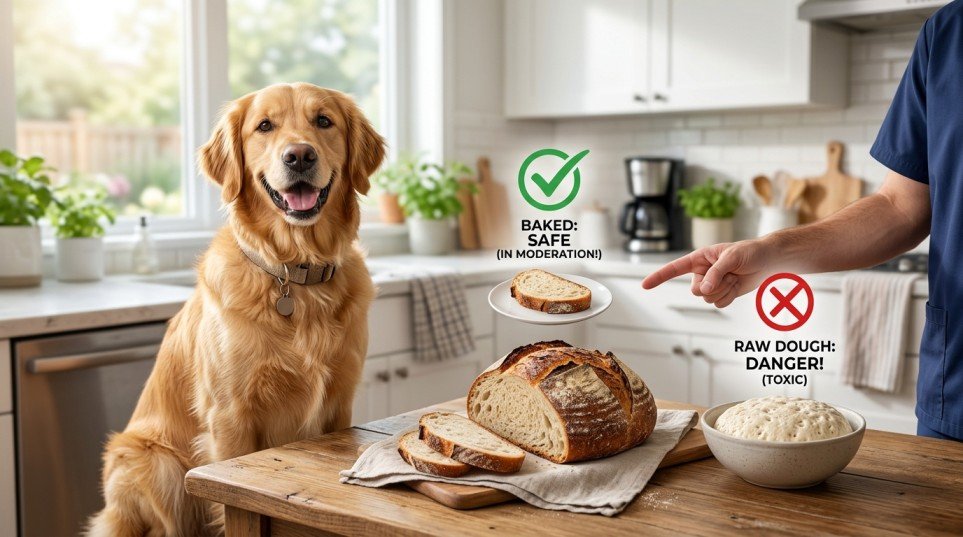
Quick Ans: Yes, dogs can eat a small piece of plain, fully baked sourdough bread occasionally, but it should never become a regular part of their diet. While baked sourdough isn’t toxic by itself, it doesn’t provide much nutritional value and should only be an occasional treat. The real danger is raw sourdough dough, which continues fermenting inside a dog’s stomach, producing alcohol and expanding rapidly—both of which can become life-threatening emergencies.
If your dog accidentally eats a bite of plain baked sourdough, they will likely be fine. However, if the bread contains harmful ingredients like garlic, onions, raisins, chocolate, or xylitol, or if your dog eats raw dough, contact your veterinarian immediately.
How Much Sourdough Bread Can Dogs Eat?
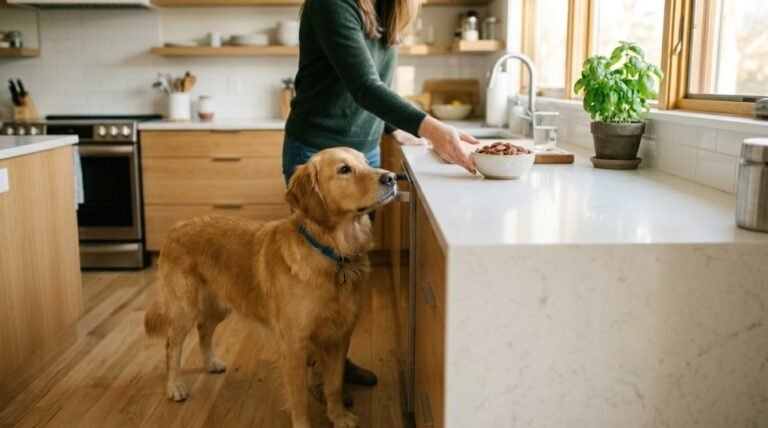
Even though plain baked sourdough isn’t toxic, moderation is essential.
Veterinarians generally recommend that treats—including bread—make up no more than 10% of a dog’s daily calories, while the remaining 90% should come from a complete and balanced dog food.
Use this simple guide:
| Dog Size | Safe Occasional Serving |
|---|---|
| Extra Small (under 10 lbs) | ½ inch cube |
| Small (10–20 lbs) | 1 small bite |
| Medium (20–50 lbs) | 2–3 small bites |
| Large (50–80 lbs) | Quarter slice |
| Giant (80+ lbs) | Half slice occasionally |
These portions apply only to plain, fully baked sourdough without butter, garlic, onions, raisins, or sweeteners.
What Happens If a Dog Eats Too Much Sourdough Bread?
Eating one extra bite usually isn’t a problem, but consuming several slices can cause digestive discomfort.
Common symptoms include:
- Vomiting
- Diarrhea
- Gas
- Constipation
- Stomach pain
- Loss of appetite
- Excessive thirst due to sodium
Very large amounts may also contribute to obesity over time because bread is calorie-dense.
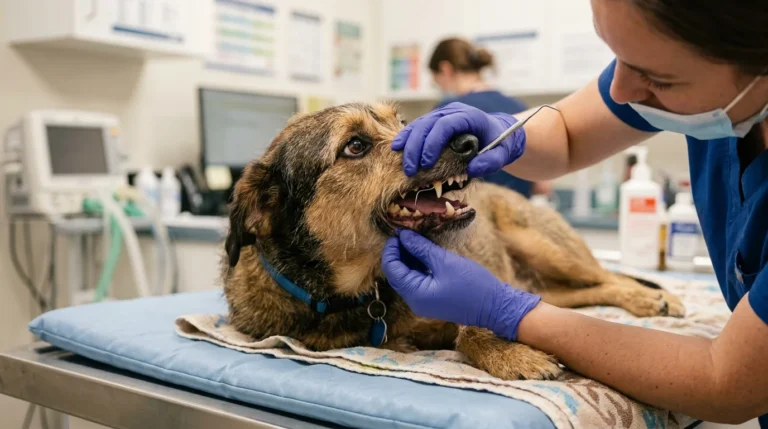
Monitor your dog for 24 hours after overeating. If symptoms become severe or persistent, contact your veterinarian.
Signs Your Dog Didn’t Tolerate Sourdough Well
Every dog digests food differently. Some dogs may be sensitive to wheat or gluten, while others simply have sensitive stomachs.
Watch for:
- Repeated vomiting
- Persistent diarrhea
- Lethargy
- Excessive drooling
- Abdominal pain
- Refusing food
- Excessive scratching or itching
- Swollen face
- Difficulty breathing
Any signs of an allergic reaction or severe digestive upset require prompt veterinary attention.
Can Dogs Eat Homemade Sourdough Bread?
Homemade sourdough is often safer than many store-bought loaves because you control the ingredients.
However, it is only safe if it is:
- Fully baked
- Plain
- Free from garlic and onions
- Free from raisins or dried fruit
- Free from xylitol
- Low in salt
Remember that homemade bread is still high in carbohydrates and should only be an occasional treat.
Can Dogs Eat Store-Bought Sourdough Bread?
Yes—but read the ingredient label first.
Some bakery breads include ingredients that are unsafe for dogs.
Avoid sourdough containing:
- Garlic
- Onion powder
- Raisins
- Currants
- Chocolate
- Macadamia nuts
- Artificial sweeteners
- Xylitol
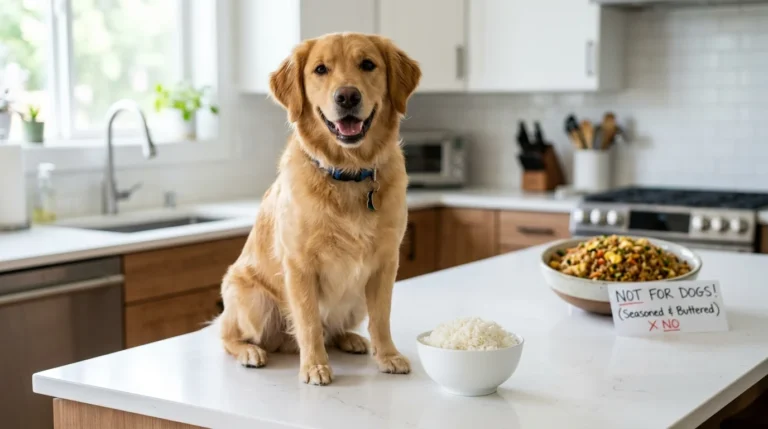
- Excessive salt
The simpler the ingredient list, the better.
Is Gluten in Sourdough Bad for Dogs?
Most healthy dogs digest gluten without problems.
However, dogs with wheat allergies or gluten sensitivities may experience:
- Itchy skin
- Chronic ear infections
- Loose stools
- Paw chewing
- Digestive upset
If your veterinarian has diagnosed a food allergy, avoid wheat-based breads altogether.
Healthier Alternatives to Sourdough Bread
Instead of feeding bread regularly, choose treats that provide real nutritional benefits.
1. Pumpkin
Plain cooked pumpkin supports healthy digestion and contains fiber, vitamins, and antioxidants.
2. Carrots
Crunchy carrots are low in calories and rich in vitamin A.
Many dogs also enjoy chewing them, making them a healthy snack.
3. Blueberries
Blueberries contain antioxidants that help support immune health and healthy aging.
Feed only a few at a time.
4. Apple Slices
Fresh apples provide fiber and vitamin C.
Always remove the seeds and core before serving.
5. Plain Cooked Sweet Potato
Sweet potatoes offer fiber, potassium, and beta-carotene while being easier to digest than bread.
6. Commercial Dog Treats
Treats formulated specifically for dogs provide balanced nutrition and are generally a better option than human bread.
Bread Dogs Should Never Eat
Some breads are significantly more dangerous than plain sourdough.
Avoid feeding:
- Garlic bread
- Onion bread
- Raisin bread
- Cinnamon raisin bread
- Chocolate bread
- Bread containing xylitol
- Raw bread dough
- Bread with macadamia nuts
- Bread with excessive butter
These varieties can cause poisoning or serious digestive problems.
Vet Tips for Feeding Bread Safely
If you decide to share a small piece of sourdough, keep these recommendations in mind:
- Feed only plain baked bread.
- Remove crusts if your dog has dental problems.
- Avoid butter and spreads.
- Never replace regular meals with bread.
- Offer fresh drinking water afterward.
- Introduce any new food gradually.
- Watch for digestive changes over the next day.
Following these simple precautions greatly reduces the chance of stomach upset.
Common Myths About Dogs and Bread
Myth 1: Sourdough Is a Healthy Food for Dogs
False.
Although sourdough may be easier for some humans to digest, it still provides mostly carbohydrates for dogs and should not replace a balanced diet.
Myth 2: Bread Settles a Dog’s Stomach
Partially true.
Some owners offer plain bread after minor stomach upset, but there is little scientific evidence that bread treats digestive problems. Persistent vomiting or diarrhea should always be evaluated by a veterinarian.
Myth 3: Dogs Can Eat Unlimited Bread
False.
Too much bread contributes to obesity, digestive upset, and unnecessary calorie intake.
Myth 4: All Homemade Bread Is Safe
False.
Homemade bread may still contain garlic, onions, raisins, excessive salt, or raw dough—all of which can be dangerous.
Expert Opinion
Veterinary nutritionists agree that dogs thrive on diets specifically formulated for their nutritional needs. While an occasional bite of plain baked sourdough is unlikely to cause harm, it shouldn’t become a routine snack.
The greatest concern remains raw sourdough dough, which can expand in the stomach and produce toxic alcohol during fermentation. This condition requires immediate veterinary treatment and should never be managed at home.
Final Verdict
So, can dogs eat sourdough bread?
Yes—but only plain, fully baked sourdough and only in small amounts as an occasional treat.
Bread isn’t toxic by itself, but it also isn’t nutritious enough to be part of your dog’s regular diet. More importantly, raw sourdough dough is extremely dangerous and should always be treated as a veterinary emergency.
When choosing treats for your dog, healthier options like carrots, blueberries, pumpkin, or veterinarian-approved dog treats provide much greater nutritional value than bread.
Keeping treats simple, occasional, and ingredient-safe is the best way to protect your dog’s long-term health.
Reviewed & Recommended by Dr. Ubaidur Rahman, DVM
Veterinary Review: Dr. Ubaidur Rahman, DVM, reviewed this guide for the safety of sourdough bread for dogs, including the risks associated with raw sourdough dough and ingredients commonly used in bread.
Dr. Ubaidur Rahman’s Recommendation: Fully baked, plain sourdough bread is generally not toxic to dogs when offered in a small amount occasionally. However, raw sourdough dough should never be given to dogs because it can continue to ferment in the stomach, producing alcohol and gas that can cause serious problems. Sourdough containing ingredients such as garlic, onions, raisins, or other unsafe additions should also be avoided.
Frequently Asked Questions
Can dogs eat sourdough bread every day?
No. Daily bread adds unnecessary calories and doesn’t provide the balanced nutrition dogs need.
Is one bite of sourdough bread okay for dogs?
Yes. A small bite of plain, baked sourdough is generally safe for healthy dogs.
What if my dog ate raw sourdough dough?
Contact your veterinarian or an emergency animal hospital immediately. Raw dough can expand inside the stomach and produce toxic alcohol.
Can puppies eat sourdough bread?
It’s best to avoid feeding bread to puppies because their digestive systems are more sensitive.
Is toasted sourdough safer than regular sourdough?
Toasting doesn’t make bread healthier for dogs. Plain toasted sourdough is acceptable in small amounts, but avoid butter or seasonings.
Can diabetic dogs eat sourdough bread?
Generally no. Because sourdough is high in carbohydrates, diabetic dogs should only eat it if specifically approved by their veterinarian.
Can dogs eat sourdough crust?
Yes, if it’s plain and fully baked. However, very hard crusts may be difficult for small dogs or senior dogs to chew.
Which breads are safest for dogs?
Plain baked white bread, whole wheat bread, and plain sourdough are generally safe in very small amounts, provided they don’t contain toxic ingredients.
Can Dogs Have Sourdough Bread?
Yes, dogs can eat plain, fully baked sourdough bread in small amounts as an occasional treat. However, avoid sourdough with garlic, onions, raisins, or other harmful ingredients, as these can be toxic to dogs.
Can Dogs Have Sourdough?
Dogs can have fully baked sourdough in moderation, but raw sourdough dough should never be given because it can expand in the stomach and cause a life-threatening emergency. Plain sourdough is safer than flavored varieties.
Sources
- American Kennel Club (AKC) – Foods Dogs Can and Can’t Eat
- Merck Veterinary Manual – Canine Nutrition
- VCA Animal Hospitals – Bread Dough Toxicity in Dogs
- Pet Poison Helpline – Yeast Dough Poisoning in Dogs
- American Veterinary Medical Association (AVMA) – Pet Safety Guidelines
Discover More:-

Michael Carter, DVM is a veterinarian and pet health writer with a strong interest in canine nutrition, preventive care, and animal wellness. He is dedicated to providing pet owners with accurate, evidence-based information that helps them make informed decisions about their dogs’ health. As an author and content reviewer, Michael combines veterinary knowledge with practical insights to ensure every article is trustworthy, informative, and easy to understand.