Dog UTI Symptoms: Signs, Causes and Treatment 2026
Quick Ans: A urinary tract infection (UTI) is one of the most common bacterial infections in dogs. While some cases are mild and easy to treat, others can lead to kidney infections, bladder damage, or serious health complications if left untreated. Recognizing dog UTI symptoms early can help your veterinarian diagnose the problem quickly and prevent it from becoming more severe.
Dogs of any age can develop a UTI, although female dogs, senior dogs, and pets with underlying health conditions are generally at a higher risk. Some symptoms may seem subtle at first, such as frequent urination or accidents in the house, while others—like blood in the urine or signs of pain—require immediate veterinary attention.
This guide explains the most common dog UTI symptoms, possible causes, diagnosis, treatment options, prevention tips, and when it’s time to contact your veterinarian.
What Is a Urinary Tract Infection in Dogs?
A urinary tract infection occurs when bacteria enter the urinary tract and multiply in the bladder, urethra, or, in severe cases, the kidneys. The most common cause is bacteria traveling up the urethra into the bladder.
Without treatment, the infection can spread and cause more serious problems, making early diagnosis essential.
Common Dog UTI Symptoms
Knowing the warning signs can help you seek treatment before complications develop.
Frequent Urination
One of the earliest signs is needing to urinate much more often than usual. Your dog may repeatedly ask to go outside but only produce small amounts of urine.
Straining to Urinate
A dog with a UTI may squat or lift a leg repeatedly while producing little or no urine. Straining often indicates irritation or inflammation of the urinary tract.
Blood in the Urine
Pink, red, or brown-colored urine is never normal and should be evaluated by a veterinarian as soon as possible.
Pain While Urinating
Dogs may whine, cry, or appear uncomfortable while urinating due to inflammation in the bladder or urethra.
Accidents Inside the House
A house-trained dog that suddenly begins urinating indoors may be unable to control the frequent urge caused by a urinary tract infection.
Strong or Foul-Smelling Urine
Urine with an unusually strong odor can indicate bacterial growth and infection.
Cloudy Urine
Cloudy urine may contain bacteria, white blood cells, or pus, all of which suggest inflammation.
Excessive Licking
Many dogs repeatedly lick their genital area because of irritation or discomfort.
Increased Thirst
Some dogs drink more water than usual as the body attempts to flush bacteria from the urinary tract.
Lethargy
Dogs with more advanced infections may appear tired, less active, or uninterested in play.
Loss of Appetite
Reduced appetite can occur if the infection becomes more severe or spreads beyond the bladder.
Fever
Although not present in every case, fever may indicate that the infection is progressing.
Signs of a Severe Dog UTI
Certain symptoms require immediate veterinary care because they may indicate a blockage, kidney infection, or another medical emergency.
Seek veterinary attention immediately if your dog has:
- Inability to urinate
- Large amounts of blood in urine
- Severe abdominal pain
- Vomiting
- High fever
- Extreme lethargy
- Collapse
- Swollen abdomen
A urinary blockage can become life-threatening within hours.
What Causes UTIs in Dogs?
Several factors can increase a dog’s risk of developing a urinary tract infection.
Common causes include:
- Bacterial infection
- Bladder stones
- Diabetes
- Kidney disease
- Weakened immune system
- Hormonal disorders
- Urinary incontinence
- Poor hygiene
- Tumors affecting the urinary tract
- Congenital urinary abnormalities
Female dogs generally develop UTIs more often because they have a shorter urethra, allowing bacteria easier access to the bladder.
Dogs at Higher Risk
Although any dog can develop a UTI, the following pets have a greater risk:
- Female dogs
- Senior dogs
- Diabetic dogs
- Dogs with bladder stones
- Dogs with kidney disease
- Dogs receiving long-term steroid medications
- Dogs with urinary incontinence
- Dogs with weakened immune systems
How Veterinarians Diagnose Dog UTIs
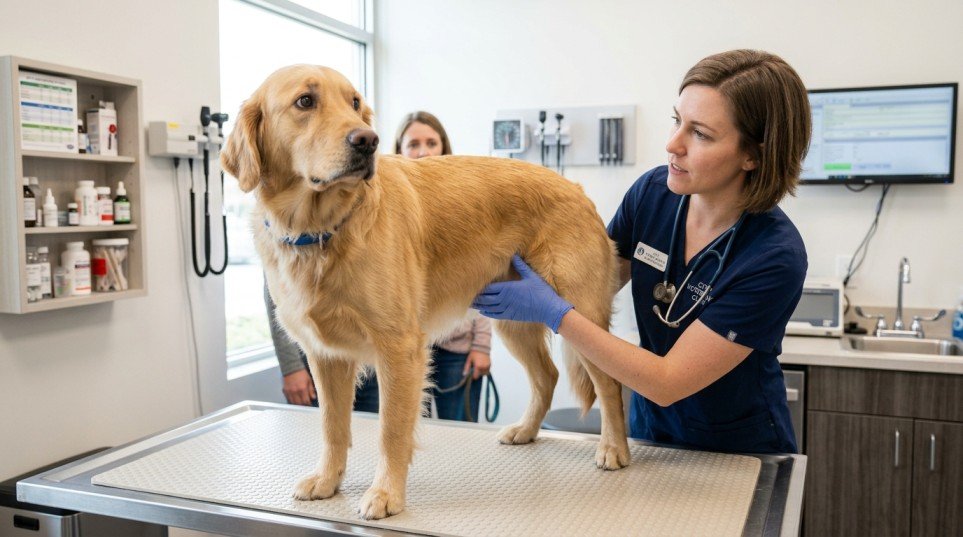
A veterinarian will perform a physical examination and review your dog’s symptoms.
Common diagnostic tests include:
Urinalysis
A urinalysis checks for:
- Bacteria
- Blood
- White blood cells
- Crystals
- Protein
- Urine concentration
Urine Culture
A urine culture identifies the exact bacteria causing the infection and determines which antibiotic will work best.
Blood Tests
Blood work helps evaluate kidney function and detect underlying diseases.
Ultrasound
A pet ultrasound may reveal bladder stones, tumors, thickened bladder walls, or kidney abnormalities.
X-Rays
X-rays help identify bladder stones and other structural problems.
Dog UTI Treatment
Treatment depends on the underlying cause and severity of the infection.
Antibiotics
Most uncomplicated UTIs are treated with prescription antibiotics. It is essential to complete the entire course, even if symptoms improve after a few days.
Pain Medication
Some dogs receive medications to reduce discomfort and inflammation while healing.
Increased Water Intake
Drinking more water helps flush bacteria from the urinary tract.
Prescription Diets
Dogs with bladder stones or recurring urinary issues may benefit from specially formulated urinary health diets.
Surgery
If bladder stones, tumors, or anatomical abnormalities are responsible for the infection, surgery may be necessary.
Home Care During Recovery
Follow your veterinarian’s instructions carefully to support recovery.
Helpful tips include:
- Provide unlimited fresh water.
- Allow frequent bathroom breaks.
- Finish all prescribed medications.
- Monitor urine color and frequency.
- Prevent your dog from holding urine for long periods.
- Attend recommended follow-up appointments.
Never give your dog human antibiotics or home remedies without veterinary guidance.
Can Dog UTIs Go Away on Their Own?
Most bacterial urinary tract infections require veterinary treatment.
Without antibiotics, the infection may:
- Spread to the kidneys
- Become chronic
- Cause bladder inflammation
- Lead to severe pain
- Increase the risk of bloodstream infection
Prompt treatment offers the best outcome.
How to Prevent UTIs in Dogs
Although not every infection can be prevented, these habits can reduce the risk:
- Provide clean drinking water at all times.
- Take your dog outside frequently.
- Maintain a healthy weight.
- Keep the genital area clean and dry.
- Feed a balanced diet.
- Schedule routine veterinary wellness exams.
- Manage chronic conditions like diabetes.
- Treat bladder stones promptly.
Regular preventive care is especially important for dogs with recurring urinary infections.
Can Cranberry Help Dog UTIs?
Some pet owners ask whether cranberry supplements help prevent urinary tract infections.
While certain veterinary-approved cranberry products may support urinary health in some dogs, they should never replace antibiotics when a bacterial infection is present.
Always consult your veterinarian before giving supplements.
When Should You Call Your Veterinarian?
Contact your veterinarian if your dog shows any of the following:
- Frequent urination
- Blood in urine
- Pain while urinating
- Strong-smelling urine
- Urinary accidents
- Excessive licking of the genital area
- Difficulty urinating
- Fever
- Vomiting
- Loss of appetite
Early treatment usually leads to a quicker recovery and reduces the risk of complications.
Frequently Asked Questions
What is the first sign of a UTI in dogs?
Frequent urination and straining to urinate are often the earliest symptoms.
Can a dog have a UTI without blood in the urine?
Yes. Many dogs develop urinary tract infections without visible blood.
How long does it take for a dog UTI to heal?
Most uncomplicated infections improve within a few days of starting antibiotics, but the full treatment course usually lasts 7–14 days.
Are UTIs painful for dogs?
Yes. Many dogs experience burning, irritation, or discomfort while urinating.
Can male dogs get UTIs?
Yes. Although female dogs are more likely to develop urinary tract infections, male dogs can also be affected.
Can a UTI become an emergency?
Yes. If your dog cannot urinate, has severe pain, or appears very ill, seek emergency veterinary care immediately.
Final Thoughts
Recognizing dog UTI symptoms early can make a significant difference in your dog’s health and recovery. Signs such as frequent urination, straining, blood in the urine, accidents in the house, or unusual discomfort should never be ignored. While many urinary tract infections respond well to prompt treatment, delaying veterinary care can allow the infection to spread to the kidneys or lead to more serious complications.
Routine wellness exams, access to fresh water, regular bathroom breaks, and early veterinary attention are the best ways to protect your dog’s urinary health. If you notice any signs of a urinary tract infection, schedule a veterinary appointment as soon as possible so your dog can receive the proper diagnosis and treatment.
Dr. Ubaid’s Recommendation (DVM):
“If your dog is showing signs such as frequent urination, straining, blood in the urine, or discomfort while urinating, don’t wait for the symptoms to worsen. Early diagnosis and prompt treatment can prevent serious complications and help your dog recover faster. If you notice any of these warning signs, schedule a veterinary examination as soon as possible.” — Dr. Ubaid, DVM
Discover More:-

Dr. Ubaid Ur Rehman, DVM is a qualified veterinarian with expertise in pet health, nutrition, and preventive care. He is passionate about helping pet owners make informed decisions through accurate, research-based, and practical advice. As a veterinary professional, he reviews and contributes content to ensure reliable information for dog and pet owners.