Can Dogs Eat Peas? The Truth About This Healthy Snack
Quick Answer: Plain peas can be a healthy treat for most dogs because they contain fiber, vitamins, antioxidants, and protein. However, dogs with certain kidney conditions may need to avoid peas, and canned peas with added sodium are not recommended.
You are preparing dinner when a few peas roll off your plate and onto the floor. Before you can react, your dog quickly gobbles them up. Now you’re wondering: can dogs eat peas safely, or should you be concerned?
The good news is that peas are generally safe for most dogs and are even included in many commercial dog foods. They provide vitamins, minerals, fiber, and plant-based protein that can support overall health. However, there are important exceptions, serving guidelines, and health considerations every dog owner should understand before making peas a regular part of their dog’s diet.
This guide covers everything dog owners actually search for: whether peas are safe for dogs, nutritional benefits, potential risks, how many peas dogs can eat, which types are best, and when to avoid them altogether.
Can Dogs Eat Peas? The Short Answer
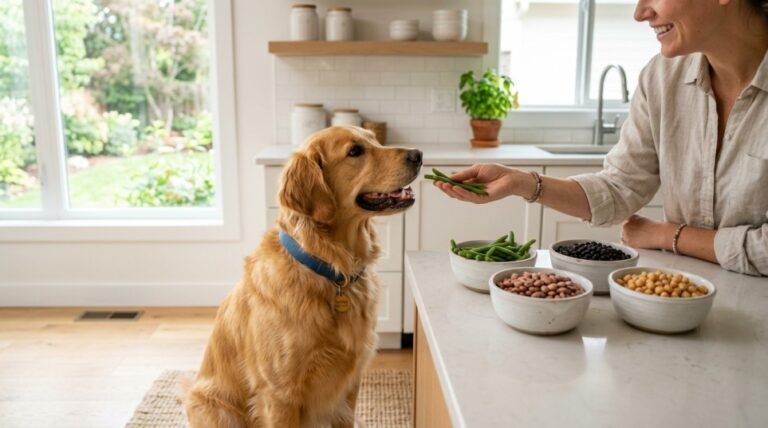
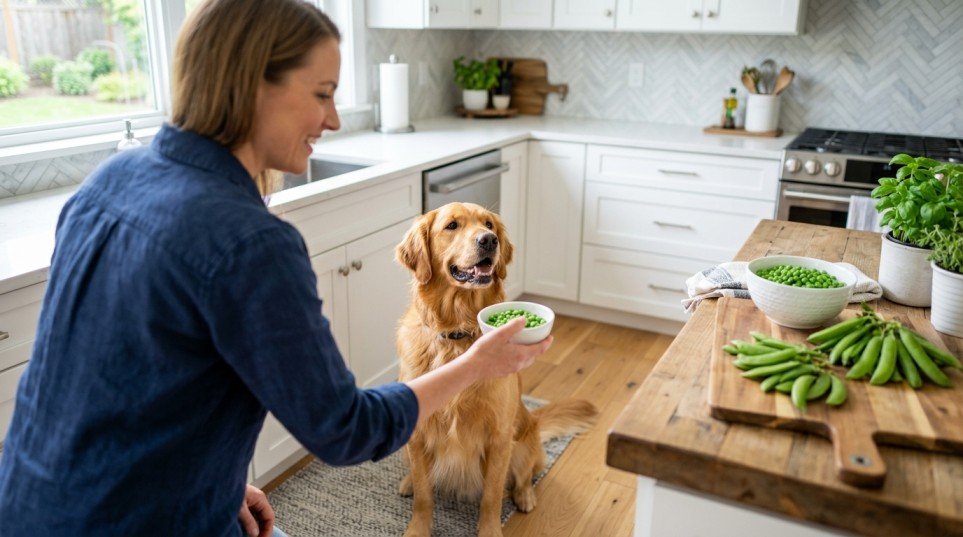
Yes, dogs can eat peas in moderation. Green peas, garden peas, snow peas, sugar snap peas, and frozen peas are generally safe for healthy dogs when served plain and without added seasonings.
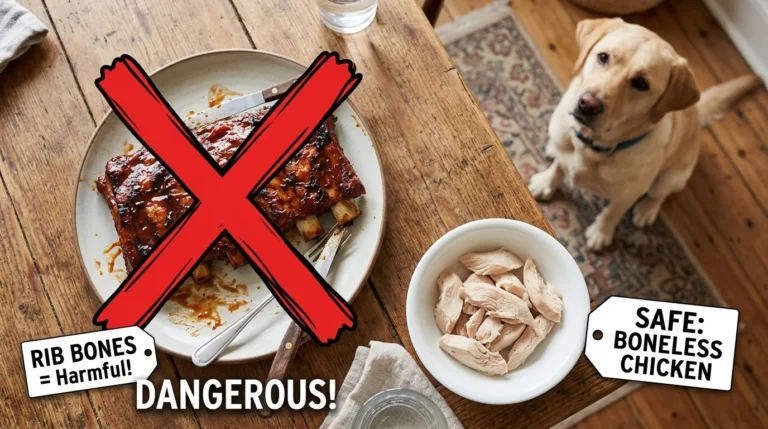
The most important factor is preparation. Plain peas are usually safe. Peas loaded with butter, garlic, onion, or salt are not.
Are Peas Good for Dogs?
1. Rich in Vitamins and Minerals
Peas contain several nutrients that support canine health, including:
- Vitamin A
- Vitamin K
- Vitamin C
- B vitamins
- Iron
- Potassium
- Magnesium
These nutrients contribute to healthy immune function, vision, metabolism, and overall well-being.
For many dogs, peas can be a nutritious addition to a balanced diet.
2. Good Source of Fiber
Fiber helps support healthy digestion and regular bowel movements.
Moderate amounts of dietary fiber may help:
- Improve stool quality
- Support gut health
- Promote satiety
- Aid digestive regularity
Dogs that occasionally experience mild digestive irregularities may benefit from fiber-rich foods like peas when introduced appropriately.
3. Contains Plant-Based Protein
Peas provide plant-based protein, which helps support muscle maintenance and overall body function.
While dogs primarily rely on animal proteins for complete nutrition, the protein found in peas can still contribute to a healthy diet.
4. Low-Calorie Treat Option
Many dog treats are high in calories and fat.
Peas offer a lower-calorie alternative that can work well for:
- Heavy dogs
- Dogs on weight-management plans
- Dogs needing healthier snack options
When served properly, peas can be a guilt-free reward.
What Types of Peas Can Dogs Eat?
Several varieties of peas are considered safe for dogs.
Green Peas
Green peas are one of the most common and safest options.
They are frequently included in commercial dog foods and can be served:
- Fresh
- Frozen
- Steamed
As long as they are plain, green peas are generally safe.
Garden Peas
Garden peas are another safe choice.
They offer similar nutritional benefits and can be fed as an occasional snack or meal topper.
Snow Peas
Snow peas are edible-pod peas that many dogs enjoy.
Their crunchy texture can make them an appealing treat.
Serve in bite-sized portions to reduce choking risk.
Sugar Snap Peas
Sugar snap peas are safe for most healthy dogs.
They contain:
- Fiber
- Vitamins
- Antioxidants
Many dogs enjoy their natural sweetness and crunch.
Frozen Peas
Frozen peas can be a refreshing snack, especially during warm weather.
Many dogs enjoy them straight from the freezer.
For smaller dogs, monitor serving size to reduce choking hazards.
Can Dogs Eat Canned Peas?
Canned peas are generally not the best choice.
Many canned products contain:
- Added sodium
- Preservatives
- Flavor enhancers
Excess sodium is unnecessary and may be harmful for some dogs.
If canned peas are the only option available:
- Rinse thoroughly
- Check ingredients carefully
- Avoid products with seasonings
Fresh or frozen peas are usually the healthier choice.
Are There Any Risks of Feeding Peas to Dogs?
While peas are safe for most dogs, there are situations where caution is warranted.
1. Digestive Upset
Introducing too many peas too quickly may cause:
- Gas
- Bloating
- Diarrhea
- Stomach discomfort
This is especially common in dogs that are not accustomed to fiber-rich foods.
Start with small amounts and monitor your dog’s response.
2. Choking Hazards
Large quantities or improperly prepared peas may present a choking risk for:
- Puppies
- Small breeds
- Senior dogs
Supervise your dog whenever introducing new foods.
3. Kidney Concerns
Peas contain naturally occurring purines.
Purines are compounds that break down into uric acid during metabolism.
Some veterinarians recommend limiting high-purine foods for dogs with certain kidney disorders or specific medical conditions.
If your dog has kidney disease, consult your veterinarian before adding peas to their diet.
4. Food Sensitivities
Although uncommon, some dogs may not tolerate peas well.
Watch for:
- Vomiting
- Diarrhea
- Excessive scratching
- Ear irritation
- Digestive discomfort
Discontinue feeding peas if unusual symptoms develop.
How Many Peas Can Dogs Eat?
Treats and extras should generally make up no more than 10% of a dog’s daily calorie intake.
As a general guideline:
| Dog Size | Suggested Serving |
|---|---|
| Under 10 lbs | 1–2 teaspoons |
| 11–30 lbs | 1–2 tablespoons |
| 31–60 lbs | 2–4 tablespoons |
| Over 60 lbs | Up to ¼ cup occasionally |
These amounts are intended as treats, not meal replacements.
Moderation remains important.
Can Puppies Eat Peas?
Yes, most puppies can eat peas in small amounts.
Peas can provide:
- Vitamins
- Fiber
- Antioxidants
However, puppies have sensitive digestive systems.
When introducing peas:
- Start with very small portions
- Monitor stool quality
- Avoid heavily seasoned preparations
A few plain peas are usually sufficient for an initial introduction.
Best Ways to Serve Peas to Dogs
Plain and Fresh
Fresh peas are one of the healthiest options.
Simply wash and serve.
No additional ingredients are needed.
Lightly Steamed
Steaming softens peas and may make them easier for some dogs to digest.
Avoid:
- Butter
- Salt
- Garlic
- Onion powder
Keep preparation simple.
Frozen Treats
Frozen peas can make excellent summer treats.
Many dogs enjoy the texture and cool temperature.
They are especially popular during hot weather.
Mixed Into Meals
A small amount of peas can be added to your dog’s regular food.
This can increase variety and provide extra nutrients without dramatically changing the diet.
What Should Dogs Never Eat With Peas?
The peas themselves are rarely the problem.
The danger often comes from ingredients added during preparation.
Avoid peas cooked with:
- Garlic
- Onions
- Onion powder
- Excess salt
- Heavy sauces
- Cream-based ingredients
- Excess butter
These additions can pose significantly greater risks than the peas.
Signs Your Dog Ate Too Many Peas
Most dogs tolerate peas well, but excessive consumption can cause digestive symptoms.
Watch for:
- Gas
- Loose stools
- Diarrhea
- Bloating
- Reduced appetite
- Mild stomach discomfort
These symptoms are usually temporary and resolve once the digestive system settles.
If symptoms are severe or persistent, contact your veterinarian.
Peas in Commercial Dog Food
Peas have become common ingredients in many dog foods.
Manufacturers often use peas because they provide:
- Fiber
- Plant protein
- Nutrients
- Texture
Their presence in dog food does not automatically make a product good or bad.
The overall nutritional balance of the food matters more than any single ingredient.
Always evaluate dog food as a whole rather than focusing exclusively on peas.
Frequently Asked Questions About Dogs and Peas
Can dogs eat green peas every day?
Healthy dogs can usually eat small amounts of plain green peas regularly. Moderation is important, and peas should not replace balanced dog food.
Can dogs eat frozen peas?
Yes. Frozen peas are generally safe and can make a refreshing treat for many dogs.
Can dogs eat peas and carrots?
Yes. Plain peas and carrots are commonly fed together and can provide fiber, vitamins, and antioxidants.
Can dogs eat pea pods?
Many dogs can safely eat snow pea and sugar snap pea pods. Large, tough pods may be harder to digest and should be offered carefully.
Are peas toxic to dogs?
No. Peas are not considered toxic to dogs. Most healthy dogs can safely eat them in moderation.
Why are peas included in dog food?
Peas provide fiber, vitamins, minerals, and plant-based protein that can contribute to a balanced diet.
Can dogs with kidney disease eat peas?
Some dogs with kidney issues may need dietary restrictions involving purines. Consult your veterinarian before feeding peas to dogs with kidney conditions.
Can peas cause allergies in dogs?
Although uncommon, some dogs may develop food sensitivities or allergies to peas. Monitor for digestive or skin-related symptoms after introducing them.
Are Peas Good for Dogs?
Yes, peas are a nutritious treat for most dogs when fed in moderation. They contain fiber, vitamins, and antioxidants that can support overall health as part of a balanced diet.
Peas for Dogs: Are They Healthy?
Peas are a healthy, low-calorie snack for many dogs. Fresh, frozen, or cooked peas can provide essential nutrients, but they should be served plain without added salt or seasonings.
Are Peas Bad for Dogs?
No, peas are not bad for most healthy dogs. However, feeding too many may cause digestive upset, and dogs with kidney disease should only eat peas under veterinary guidance.
Can Dogs Have Green Peas?
Yes, dogs can safely eat green peas in moderation. Fresh, frozen, or steamed green peas are safe options as long as they are served plain and unseasoned.
Are Green Peas Good for Dogs?
Yes, green peas are good for dogs when served in moderation. They provide vitamins, minerals, fiber, and plant-based protein that can support your dog’s overall health.
Can Dogs Have Peas?
Yes, dogs can have peas as a healthy treat. Fresh, frozen, and steamed peas are generally safe, but avoid canned peas that contain added salt or preservatives.
Are Peas Good for Dogs?
Peas are a nutritious snack for most dogs because they’re rich in fiber, vitamins A, C, and K, and antioxidants. Feed them in moderation as part of a balanced diet.
Are Peas Bad for Dogs?
Peas are not bad for most healthy dogs when fed in appropriate amounts. However, dogs with certain kidney conditions should only eat peas if recommended by their veterinarian.
Can Dogs Eat Peas?
Yes, dogs can eat peas safely, including green peas, snow peas, and sugar snap peas. Serve them plain and avoid seasoning, butter, or other harmful ingredients.
Can Dogs Have Green Peas?
Yes, dogs can have green peas as an occasional healthy snack. They are low in calories and packed with nutrients, making them a great addition to your dog’s diet in moderation.
How to Safely Introduce Peas to Your Dog
- Start with a small amount.
- Feed only plain peas.
- Monitor for digestive upset.
- Avoid seasonings and sauces.
- Use peas as treats, not meal replacements.
- Consult your veterinarian if your dog has kidney disease or dietary restrictions.
Introducing new foods gradually helps reduce the risk of stomach upset.
Final Word: Peas Can Be a Healthy Treat for Most Dogs
For most healthy dogs, peas are a safe and nutritious snack. They provide vitamins, minerals, fiber, antioxidants, and plant-based protein while remaining relatively low in calories.
The key is serving them plain and in moderation. Fresh, frozen, steamed, green, garden, snow, and sugar snap peas are all generally safe choices. Canned peas with added sodium and peas prepared with harmful ingredients should be avoided.
If your dog has kidney disease, digestive sensitivities, or a special diet, consult your veterinarian before adding peas regularly.
When fed appropriately, peas can be a healthy addition to your dog’s treat rotation and a simple way to add variety to their diet.
Reviewed & Recommended by Dr. Ubaidur Rahman, DVM
Veterinary Review: Dr. Ubaidur Rahman, DVM, reviewed this guide for the safety, nutritional value, and appropriate ways to feed peas to dogs.
Dr. Ubaidur Rahman’s Recommendation: Plain, cooked peas are generally safe for most healthy dogs when offered in moderation. Peas provide fiber, protein, and several nutrients, but they should be given as an occasional addition to a balanced diet rather than replacing your dog’s regular food. Avoid peas prepared with salt, butter, onions, garlic, or other seasonings.
Sources and References
- American Kennel Club (AKC): Fruits and Vegetables Dogs Can Eat
- American Veterinary Medical Association (AVMA): Pet Nutrition Guidelines
- Merck Veterinary Manual: Canine Nutrition
- PetMD: Are Peas Safe for Dogs?
- VCA Animal Hospitals: Safe Human Foods for Dogs
- World Small Animal Veterinary Association (WSAVA): Global Nutrition Guidelines
- Association of American Feed Control Officials (AAFCO): Pet Food Nutritional Standards
Discover More:-
- Home Remedies for Light Skin Scrapes on Family Small Dogs Vet-Backed Guide 2026
- How to Heal a Dog Wound Fast at Home: Safe Treatment Guide 2026

Dr. Ubaid Ur Rehman, DVM is a qualified veterinarian with expertise in pet health, nutrition, and preventive care. He is passionate about helping pet owners make informed decisions through accurate, research-based, and practical advice. As a veterinary professional, he reviews and contributes content to ensure reliable information for dog and pet owners.