Can Dogs Eat Peanut Butter? What to Avoid Before You Feed It 2026
Quick Answer: Natural peanut butter with simple ingredients is generally safe for most healthy dogs. However, peanut butter containing xylitol is highly toxic and can cause a life-threatening emergency even in small amounts.
Peanut butter is one of the most popular treats dog owners give their pets. It’s stuffed into chew toys, used for training rewards, hidden inside medication, and often enjoyed by dogs as a special snack. But just because dogs love peanut butter doesn’t automatically mean every peanut butter product is safe.
The truth is that some peanut butter is perfectly fine for dogs in moderation, while certain brands and ingredients can be extremely dangerous. Knowing the difference could protect your dog’s health and potentially save their life.
This guide covers everything dog owners need to know: whether dogs can eat peanut butter, its nutritional benefits, ingredients to avoid, safe serving sizes, risks by dog size, and when peanut butter should be avoided entirely.
Can Dogs Eat Peanut Butter? The Short Answer
Yes, dogs can eat peanut butter in moderation as long as it does not contain xylitol and is fed as an occasional treat rather than a dietary staple.
The most important step before feeding peanut butter is checking the ingredient label. A few seconds of reading can prevent a serious poisoning incident.
Is Peanut Butter Good for Dogs?
For many healthy dogs, peanut butter can provide nutritional benefits when served appropriately.
1. Protein Content
Peanut butter contains plant-based protein that helps support:
- Muscle maintenance
- Tissue repair
- Overall body function
- Healthy growth in active dogs
While dogs should not rely on peanut butter as a primary protein source, it can contribute small amounts of additional protein to their diet.
2. Healthy Fats
Peanut butter contains fats that provide:
- Energy
- Support for healthy skin
- Coat maintenance
- Improved palatability of treats
However, because peanut butter is calorie-dense, excessive feeding can quickly contribute to weight gain.
3. Vitamins and Minerals
Natural peanut butter contains small amounts of:
- Vitamin E
- Vitamin B6
- Niacin
- Magnesium
- Potassium
These nutrients support normal body functions, although dogs should obtain most of their nutrition from a complete and balanced dog food.
4. Mental Enrichment
One of peanut butter’s biggest advantages is enrichment.
Many owners use peanut butter in:
- Puzzle toys
- Interactive feeders
- Lick mats
- Training exercises
This helps reduce boredom and provides valuable mental stimulation.
Why Some Peanut Butter Is Dangerous for Dogs
Not all peanut butter products are created equal.
Xylitol: The Major Risk
Xylitol is an artificial sweetener found in some sugar-free foods.
While safe for humans, xylitol is extremely toxic to dogs.
Even small amounts can cause:
- Rapid insulin release
- Severe hypoglycemia
- Liver failure
- Seizures
- Death
Symptoms may appear within 30 to 60 minutes.
Warning signs include:
- Weakness
- Vomiting
- Tremors
- Loss of coordination
- Collapse
If your dog eats peanut butter containing xylitol, contact a veterinarian immediately.
Do not wait for symptoms to appear.
How to Check if Peanut Butter Is Safe
Before feeding peanut butter:
Read the Ingredient Label
Look for simple ingredients such as:
- Peanuts
- Salt (minimal amounts)
The fewer ingredients, the better.
Avoid Products Containing
- Xylitol
- Artificial sweeteners
- Excessive sugar
- Chocolate
- Cocoa
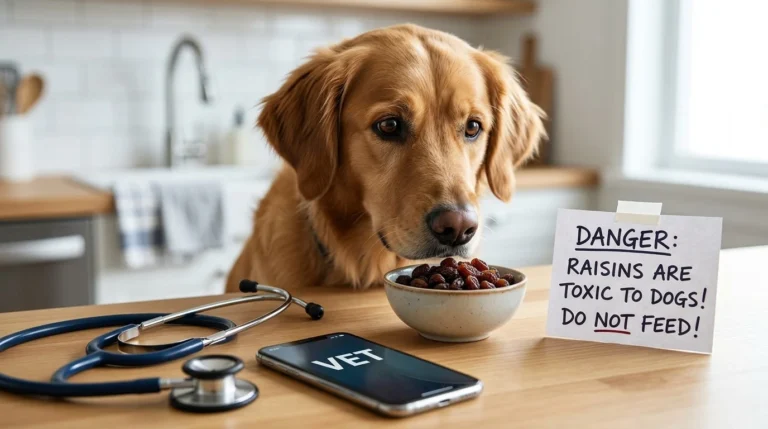
- Raisins
- Macadamia nuts
These ingredients can make an otherwise safe product dangerous.
Natural Peanut Butter Is Usually Best
Many veterinarians recommend natural peanut butter because it contains fewer additives and preservatives.
Always stir natural peanut butter well if oil separation occurs.
Can Puppies Eat Peanut Butter?
Yes, most puppies can eat small amounts of peanut butter.
However, there are important considerations.
Puppies have:
- Smaller digestive systems
- Lower calorie requirements
- Greater sensitivity to dietary changes
Introduce peanut butter gradually and monitor for:
- Vomiting
- Diarrhea
- Itching
- Facial swelling
As with adult dogs, never give puppies peanut butter containing xylitol.
How Much Peanut Butter Can Dogs Eat?
Peanut butter should be considered a treat.
Treats should generally make up no more than 10% of a dog’s daily calorie intake.
Here is a practical serving guide:
| Dog Size | Recommended Amount |
|---|---|
| Under 10 lbs | ½ teaspoon |
| 10–20 lbs | 1 teaspoon |
| 21–50 lbs | 1–2 teaspoons |
| 51–80 lbs | 1 tablespoon |
| Over 80 lbs | 1–2 tablespoons |
These amounts should be occasional, not daily requirements.
Benefits of Peanut Butter for Dogs
When fed appropriately, peanut butter offers several advantages.
Excellent Training Reward
Dogs find peanut butter highly motivating.
Many trainers use it because:
- Dogs love the taste
- Small amounts go a long way
- It encourages focus
- It works well for positive reinforcement
Helpful for Medication
One of the most common veterinary recommendations is hiding pills in peanut butter.
This can make medication administration much easier.
Always confirm with your veterinarian that the medication can be given with food.
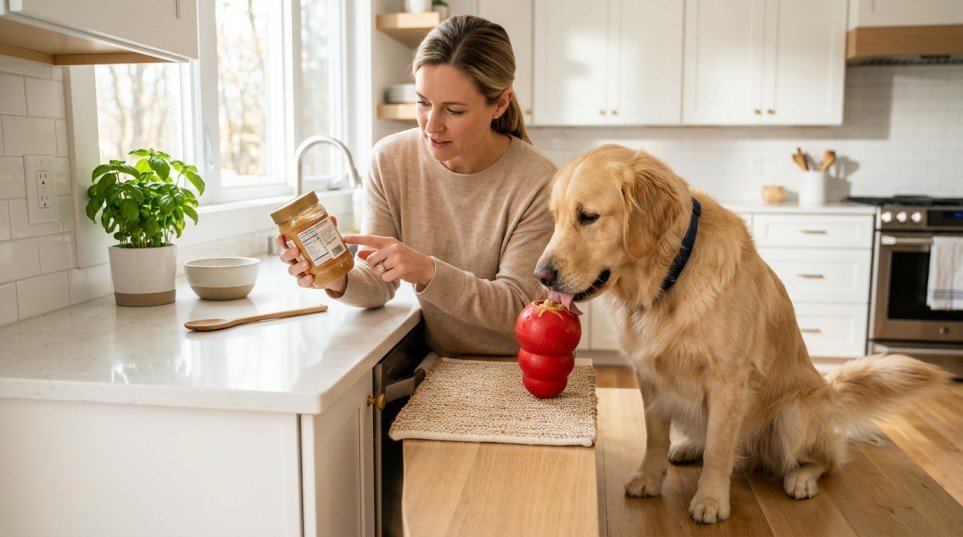
Useful for Enrichment Toys
Peanut butter works exceptionally well in:
- Kong toys
- Lick mats
- Slow feeders
- Puzzle toys
Freezing the toy afterward can provide even longer-lasting entertainment.
Encourages Calm Behavior
Licking is naturally soothing for many dogs.
Peanut butter spread on a lick mat can help some dogs relax during:
- Grooming
- Nail trims
- Bath time
- Veterinary visits
Potential Risks of Feeding Peanut Butter
Despite its popularity, peanut butter isn’t risk-free.
Weight Gain
Peanut butter contains significant calories.
Frequent feeding may contribute to:
- Obesity
- Reduced mobility
- Joint stress
- Increased disease risk
Dogs already heavy should receive peanut butter sparingly.
Pancreatitis
Peanut butter is high in fat.
In susceptible dogs, excessive fat intake can contribute to pancreatitis.
Dogs at higher risk include those with:
- Previous pancreatitis
- Obesity
- High-fat diets
- Certain metabolic disorders
Symptoms include:
- Vomiting
- Abdominal pain
- Loss of appetite
- Lethargy
Food Allergies
Although relatively uncommon, some dogs may be allergic to peanuts.
Potential signs include:
- Itching
- Ear infections
- Facial swelling
- Hives
- Gastrointestinal upset
Stop feeding peanut butter and contact your veterinarian if these symptoms occur.
Digestive Upset
Too much peanut butter can cause:
- Diarrhea
- Gas
- Stomach discomfort
- Loose stools
Moderation is key.
Best Types of Peanut Butter for Dogs
Not every jar on the grocery shelf is equally suitable.
Best Choice
Natural peanut butter with:
- Peanuts
- Minimal salt
Good Choice
Traditional peanut butter without:
- Xylitol
- Artificial sweeteners
- Chocolate ingredients
Avoid Completely
Any peanut butter containing:
- Xylitol
- Cocoa
- Chocolate
- Toxic additives
Always verify ingredients before every purchase, as manufacturers can change formulas.
Can Dogs Eat Crunchy Peanut Butter?
Yes, most dogs can eat crunchy peanut butter.
However, smooth peanut butter is often easier to:
- Spread into toys
- Mix with food
- Use for medication
Small dogs and puppies may do better with smooth varieties.
Can Dogs Eat Peanut Butter Every Day?
Generally, daily peanut butter is not necessary.
While small amounts may be safe for healthy dogs, daily feeding can lead to:
- Excess calorie intake
- Weight gain
- Excessive fat consumption
Most veterinarians recommend using peanut butter as an occasional treat rather than a daily habit.
Signs Your Dog Ate Unsafe Peanut Butter
Seek veterinary care immediately if your dog develops:
- Vomiting
- Weakness
- Tremors
- Seizures
- Loss of coordination
- Collapse
These symptoms may indicate xylitol poisoning or another serious reaction.
Fast treatment dramatically improves outcomes.
Peanut Butter Alternatives for Dogs
If peanut butter isn’t suitable for your dog, consider:
Pumpkin Puree
Plain pumpkin provides fiber and fewer calories.
Unsweetened Applesauce
Can be used in enrichment toys and frozen treats.
Plain Greek Yogurt
Suitable for some dogs in moderation.
Mashed Banana
Provides natural sweetness and enrichment value.
Dog-Safe Commercial Fillings
Many pet brands offer products specifically formulated for enrichment toys.
Always introduce new foods gradually.
Frequently Asked Questions About Dogs and Peanut Butter
Can peanut butter kill dogs?
Regular peanut butter is unlikely to be fatal when fed appropriately. However, peanut butter containing xylitol can be life-threatening and requires immediate veterinary attention.
Is peanut butter good for dogs every day?
Not necessarily. Due to its calorie and fat content, peanut butter is generally best offered as an occasional treat.
Can puppies eat peanut butter?
Yes, most puppies can safely eat small amounts of xylitol-free peanut butter when introduced gradually.
What peanut butter ingredients are dangerous?
Xylitol is the most dangerous ingredient. Chocolate, cocoa, raisins, and macadamia nuts should also be avoided.
Can dogs be allergic to peanut butter?
Yes. Although uncommon, peanut allergies can occur in dogs and may cause itching, swelling, digestive upset, or skin problems.
Is crunchy peanut butter safe for dogs?
Most healthy adult dogs can eat crunchy peanut butter. Smooth varieties are often easier for puppies and small breeds.
Can peanut butter help dogs take medication?
Yes. Peanut butter is commonly used to hide pills and make medication easier to administer.
How to Feed Peanut Butter Safely
Follow these guidelines every time:
- Read ingredient labels carefully.
- Confirm there is no xylitol.
- Feed small portions.
- Use it as an occasional treat.
- Monitor for digestive upset.
- Account for extra calories.
- Avoid excessive daily use.
Simple precautions dramatically reduce risk.
Final Word: Peanut Butter Can Be a Safe Treat—If You Choose the Right One
For most healthy dogs, peanut butter can be a safe, enjoyable, and useful treat. It provides enrichment, makes training easier, and can even help with medication administration.
The biggest concern is not peanut butter itself but what’s added to it. Products containing xylitol can quickly become life-threatening emergencies, making label reading essential before every feeding.
When offered in moderation and chosen carefully, peanut butter can be a rewarding addition to your dog’s treat routine. If you’re unsure whether a specific product is safe, contact your veterinarian before offering it.
Reviewed & Recommended by Dr. Ubaidur Rahman, DVM
Veterinary Review: Dr. Ubaidur Rahman, DVM, reviewed this guide for the safety of peanut butter for dogs, including ingredients that may be harmful and appropriate serving considerations.
Dr. Ubaidur Rahman’s Recommendation: Dogs can generally eat plain peanut butter in small amounts as an occasional treat. Choose a product without xylitol (birch sugar), added chocolate, or excessive salt and sugar. Peanut butter is high in fat and calories, so too much can contribute to weight gain or digestive upset.
Sources and References
- American Kennel Club (AKC): Can Dogs Eat Peanut Butter?
- American Veterinary Medical Association (AVMA): Safe Treat Guidelines for Dogs
- Pet Poison Helpline: Xylitol Toxicity in Dogs
- Merck Veterinary Manual: Hypoglycemia and Toxicities in Dogs
- VCA Animal Hospitals: Peanut Butter Safety for Dogs
- PetMD: Feeding Peanut Butter to Dogs
- World Small Animal Veterinary Association (WSAVA): Canine Nutrition Guidelines
Discover More:-
- Home Remedies for Light Skin Scrapes on Family Small Dogs Vet-Backed Guide 2026
- How to Heal a Dog Wound Fast at Home: Safe Treatment Guide 2026

Dr. Ubaid Ur Rehman, DVM is a qualified veterinarian with expertise in pet health, nutrition, and preventive care. He is passionate about helping pet owners make informed decisions through accurate, research-based, and practical advice. As a veterinary professional, he reviews and contributes content to ensure reliable information for dog and pet owners.