Can Dogs Eat Peanuts? What Every Dog Owner Should Know
Quick Answer: A few plain, unsalted peanuts are unlikely to harm a healthy adult dog. The real dangers are xylitol in certain peanut butter brands, sodium toxicity from salted varieties, and the high fat content that can trigger pancreatitis in susceptible dogs. Always read labels before sharing any peanut product with your dog.
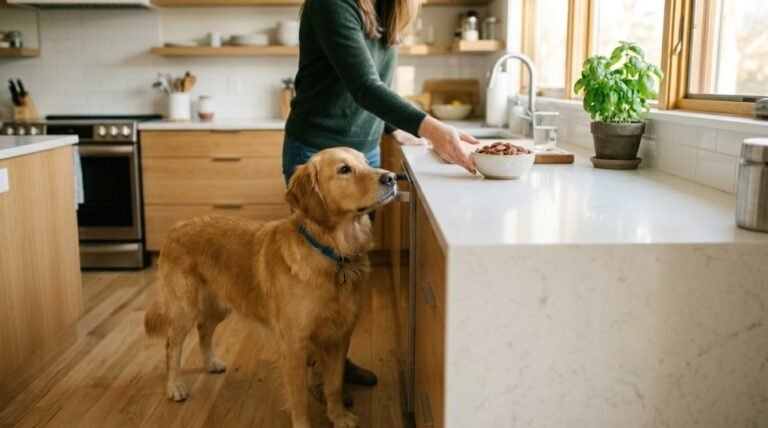
Your dog just spotted the peanut bag on the counter and is giving you that look. Before you toss one over, take a moment. The answer is not as simple as yes or no, and the stakes are higher than most owners realize. One ingredient hiding in popular peanut butter brands can send a dog into organ failure within hours.
We cover every angle dog owners actually search for: whether peanuts are safe, which types are dangerous, how many are too many, what xylitol is and why it matters, what to do if your dog already ate some, and why peanut butter is not always the harmless treat people assume.
Can Dogs Eat Peanuts? The Short Answer
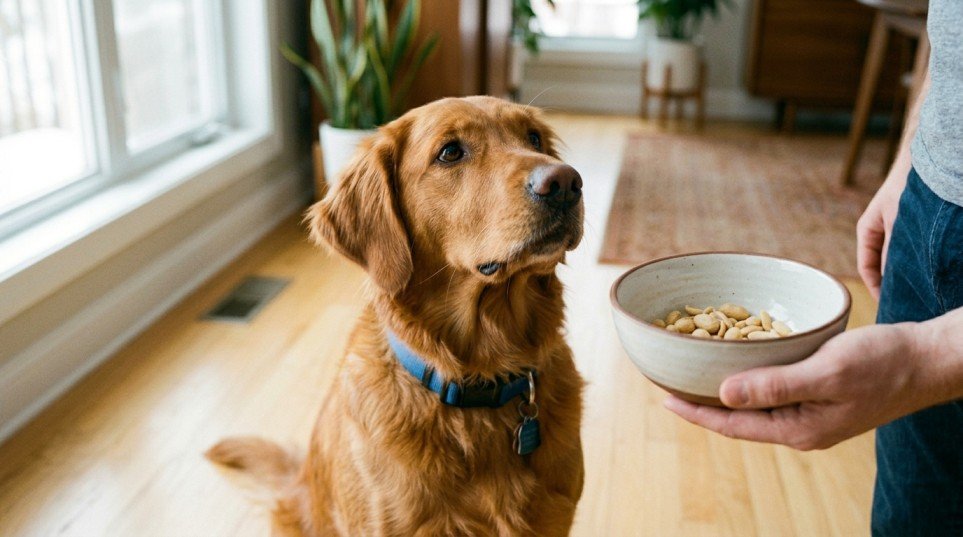
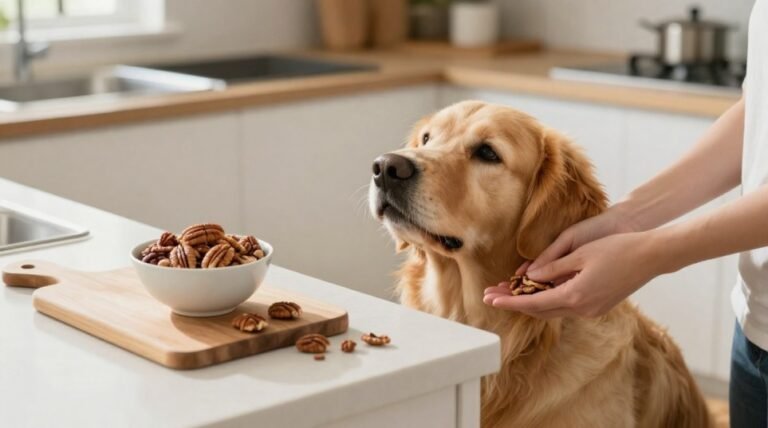
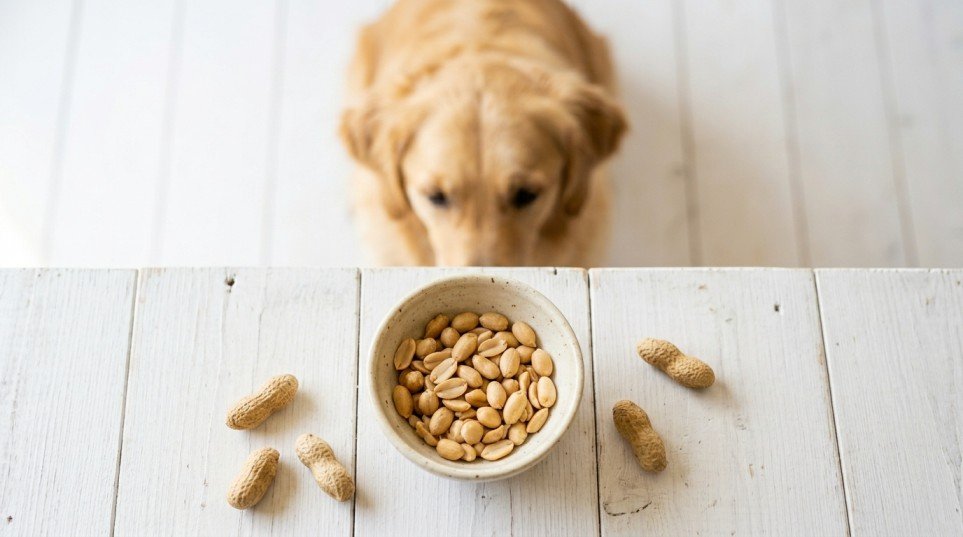
Dogs can eat small amounts of plain, unsalted, dry-roasted or raw peanuts. However, salted, flavored, honey-roasted, and spiced peanuts are unsafe, and any peanut butter containing xylitol is acutely toxic and potentially fatal.
The confusion exists because peanuts themselves are not poisonous to dogs the way grapes or chocolate are. The danger comes from what is added to peanut products and the fat load involved. Plain peanuts sit at the safer end of the spectrum. Xylitol-sweetened peanut butter sits at the other end, in the same emergency category as rat poison.
What Makes Peanuts Dangerous for Dogs?
1. Xylitol in Peanut Butter: The Hidden Emergency
Xylitol is an artificial sweetener used in many reduced-sugar and natural peanut butter products. It is completely harmless to humans. In dogs, even a small amount triggers a sudden and life-threatening drop in blood sugar and can cause acute liver failure.
According to the ASPCA Animal Poison Control Center, xylitol poisoning in dogs can develop within 30 minutes of ingestion. Signs include vomiting, weakness, collapse, tremors, and seizures. There is no safe wait-and-see period. If you suspect xylitol ingestion, go directly to an emergency vet.
Before giving your dog any peanut butter, read the full ingredient list every single time. Xylitol may be listed under alternative names: birch sugar, birch bark extract, wood sugar, or E967. Do not rely on brand reputation alone because formulations change without warning.
2. High Fat Content: The More Realistic Everyday Risk
A one-ounce serving of peanuts contains roughly 14 grams of fat. While this is healthy unsaturated fat for humans, it is a heavy load for a dog’s digestive system. Feeding too many peanuts in one sitting or regularly can trigger:
- Gastrointestinal upset: vomiting, diarrhea, and gas from a sudden high-fat intake
- Pancreatitis: inflammation of the pancreas, which can become severe and life-threatening in dogs already prone to it
- Weight gain and obesity: peanuts are calorie-dense and easy to overfeed as snacks
3. Salt and Sodium Toxicity
Most peanuts sold for human consumption are salted. Salt is not appropriate for dogs, and even a moderate serving of salted peanuts can push a dog toward sodium toxicity, particularly in smaller breeds. Signs include excessive thirst, frequent urination, vomiting, diarrhea, and in serious cases, muscle tremors and seizures.
4. Peanut Shells: A Physical Hazard
Peanut shells are tough, dry, and indigestible. They pose a genuine choking risk and can cause gastrointestinal obstruction, especially in small dogs. The fibrous material can irritate and block the digestive tract. Always remove shells completely before offering peanuts to any dog.
Can Peanuts Kill Dogs?
This question deserves a direct answer. Plain, unsalted peanuts in small amounts are very unlikely to kill a healthy adult dog. However, certain peanut products and specific circumstances can absolutely become life-threatening:
- Xylitol-containing peanut butter: a single tablespoon can cause fatal hypoglycemia or acute liver failure in a medium-sized dog
- Large amounts of plain peanuts: enough fat in a single sitting can trigger severe pancreatitis, which is fatal in some cases, particularly in predisposed breeds like Miniature Schnauzers and Cocker Spaniels
- Peanut allergy with anaphylaxis: rare but real, some dogs are genuinely allergic to peanuts and can experience breathing difficulty and cardiovascular collapse
- Peanut shells causing obstruction: a full intestinal blockage is a surgical emergency and can be fatal if not treated promptly
The bottom line: plain peanuts are not in the same immediate danger tier as chocolate or xylitol, but peanut products carry risks that range from mild stomach upset to fatal outcomes depending entirely on what type was eaten and how much.
How Many Peanuts Can a Dog Safely Eat?
There is no single established safe dose for peanuts in dogs, but veterinary nutritionists consistently apply the 10 percent rule: treats of any kind, including peanuts, should account for no more than 10 percent of a dog’s total daily caloric intake.
No more than a few plain, unsalted peanuts per day for a medium-sized dog, and only occasionally, not as a daily habit.
To put that in context:
- A 10 lb dog (e.g., a Chihuahua): 1 to 2 peanuts maximum, infrequently
- A 30 lb dog (e.g., a Beagle): around 4 to 6 peanuts, a few times per week at most
- A 60 lb dog (e.g., a Labrador): up to 10 plain peanuts, occasionally
Dogs with a history of pancreatitis, obesity, diabetes, or kidney problems should not eat peanuts at all. The fat and calorie content is not worth the risk for these animals regardless of quantity.
Peanut Risk by Type: Quick Reference Table
| Part of Peanut | Risk Level | Main Risk | Verdict |
| Plain dry-roasted peanuts (unsalted) | Low | High fat, possible allergy | Small amounts only |
| Raw peanuts (unsalted) | Low | High fat, digestive upset | Small amounts only |
| Salted peanuts | Moderate | Sodium toxicity | Avoid completely |
| Honey-roasted peanuts | Moderate | Sugar, possible xylitol | Avoid completely |
| Flavored or spiced peanuts | High | Onion, garlic, seasonings | Dangerous, never give |
| Plain peanut butter (no xylitol) | Low-Moderate | High fat, calories | Occasional, small amount |
| Peanut butter with xylitol | Extreme | Acute liver failure, seizures | Toxic, never give |
| Peanut shells | Moderate | Choking, GI obstruction | Never give |
| Peanut oil (plain) | Low-Moderate | Very high fat content | Not recommended |
Can Dogs Eat Peanut Butter?
Yes, with one non-negotiable condition: it must not contain xylitol. Plain peanut butter made from only peanuts, or peanuts with a small amount of salt, is generally well-tolerated by dogs in moderation. It is widely used to hide medications, stuff enrichment toys, and reward good behavior during training.
Check the ingredient label every single time, even for brands you have used before. Formulations change. At the time of publication, standard varieties of Jif, Skippy, and Adams do not contain xylitol, but verify independently before each purchase.
Safe serving size: no more than half a teaspoon for small dogs and up to one teaspoon for larger dogs, given only occasionally and never as a daily meal addition.
Can Dogs Eat Salted Peanuts?
No. Salted peanuts are not safe for dogs. Salt is independently harmful, and the sodium in a standard serving of salted peanuts can exceed a small dog’s safe daily limit in one go. Regular exposure causes cumulative kidney strain. A large one-time serving can trigger acute sodium toxicity.
If your dog grabbed a few salted peanuts off the floor, they will likely be fine. Offer fresh water and watch them. If they consumed a meaningful quantity, contact your vet.
Can Dogs Eat Honey-Roasted Peanuts?
No. Honey-roasted peanuts are coated in sugar and often contain additional sweeteners. Some varieties use xylitol in their coating, making label-checking critical. Even without xylitol, the sugar content contributes to weight gain and dental issues in dogs. The risk of hidden xylitol alone is reason enough to keep honey-roasted peanuts away from your dog entirely.
Can Dogs Eat Peanut Shells?
No. Peanut shells should never be given to any dog. They are tough, fibrous, completely indigestible, and pose a genuine choking and obstruction risk. There is no nutritional benefit that justifies the hazard. Always shell peanuts fully before offering them to your dog.
Can Dogs Have a Peanut Allergy?
Yes. Peanut allergies in dogs are not as common as in humans, but they do occur. Dogs can develop food allergies to any protein they are repeatedly exposed to, and peanut protein is no exception. Signs of a peanut allergy in dogs include:
- Skin itching, redness, or hives shortly after eating
- Facial swelling, especially around the muzzle and eyes
- Vomiting or diarrhea within hours of ingestion
- Repeated ear infections or skin infections over time
- Hair loss or constant scratching without another clear cause
- In rare, severe cases: difficulty breathing and anaphylaxis
If you are introducing peanuts to your dog for the first time, offer a single peanut and monitor for 24 hours before giving more. If you notice facial swelling or any breathing changes, treat it as an emergency and go to your vet immediately.
What to Do If My Dog Ate Peanuts
Stay calm. What you do next depends entirely on what type of peanut product your dog ate and how much.
Step 1: Identify What Was Eaten
- Plain, unsalted peanuts, small amount: monitor at home, offer fresh water, watch for stomach upset over 24 hours
- Plain, unsalted peanuts, large amount: call your vet for guidance on pancreatitis risk
- Salted peanuts: provide fresh water, monitor for sodium toxicity symptoms, call your vet if more than a few were eaten
- Peanut butter, label not checked: check the ingredient list for xylitol immediately before doing anything else
- Peanut butter with xylitol confirmed: go to an emergency vet immediately, do not wait for symptoms
- Peanut shells swallowed: monitor for vomiting, bloating, or distress; call your vet if symptoms develop
- Signs of allergic reaction (hives, swelling): call your vet right away; go to emergency care if breathing is affected
Step 2: Watch for These Symptoms
If monitoring at home after plain peanut ingestion, look for these signs over the next 24 to 48 hours:
- Vomiting or retching
- Diarrhea or loose stools
- Lethargy or unusual tiredness
- Reduced appetite or refusal to eat
- Abdominal bloating or signs of pain
- Skin irritation, hives, or facial swelling (possible allergy)
- Weakness, tremors, or seizures (xylitol emergency, act immediately)
Step 3: Who to Call
- Your vet: first point of contact for any peanut-related concern
- ASPCA Animal Poison Control: (888) 426-4435, available 24/7 (consultation fee may apply)
- Pet Poison Helpline: (855) 764-7661, available 24/7 for toxicology support
Is Peanut Oil Safe for Dogs?
Refined peanut oil does not carry the same protein-based allergy risk as whole peanuts, since the refining process removes most peanut proteins. However, it is not a recommended addition to a dog’s diet. The primary concern is its extremely high fat content, which contributes to weight gain and pancreatitis risk, particularly in dogs already prone to digestive issues.
Some dog-specific grooming products contain peanut-derived ingredients for topical use, which is different from ingestion and generally considered safe when applied correctly.
What About Dog Foods That Contain Peanuts?
Several commercially available dog treats and foods include peanut butter or peanut flour as a flavoring ingredient. These products are generally safe because they are formulated with controlled amounts and balanced nutrition. The processing used in commercial pet food production also reduces the risk of contamination from additives like xylitol that you would find in human-grade peanut butter.
If you are concerned, look for peanut ingredients listed toward the end of the ingredient list, which indicates a small quantity, and choose brands with AAFCO nutritional adequacy statements on the label.
Does the Type of Peanut Matter?
Yes, and this is a detail most articles skip entirely. The preparation method matters far more than the peanut variety itself. Virginia, Valencia, and Spanish peanuts are all essentially equivalent in nutritional profile and fat content for dogs. What creates the safety differences is what happens to the peanut after harvesting.
Dry-roasted and raw peanuts without added salt or flavoring are the safest options. Oil-roasted peanuts add extra fat. Salted peanuts add sodium. Honey-roasted peanuts add sugar. Flavored peanuts often contain garlic, onion, or spice powders that are directly toxic to dogs. The peanut variety itself is almost irrelevant compared to these factors.
Safe Alternatives to Peanuts for Dogs
If you want to give your dog a satisfying, protein-rich, or crunchy treat without the fat load or xylitol risk, these options are consistently safer:
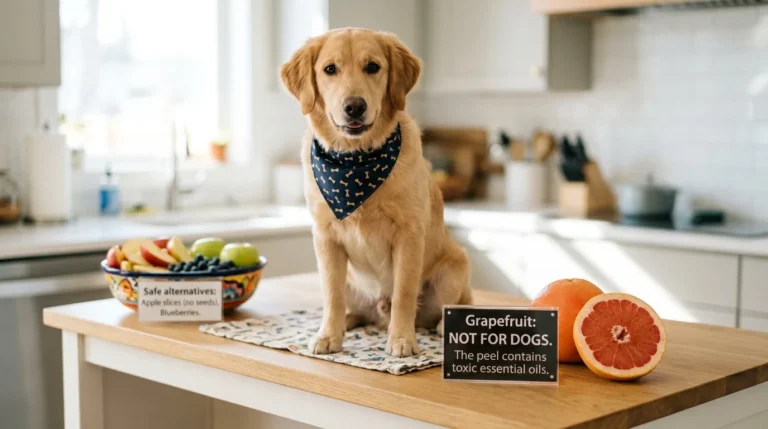
- Blueberries: rich in antioxidants and vitamins with very low fat and calorie content
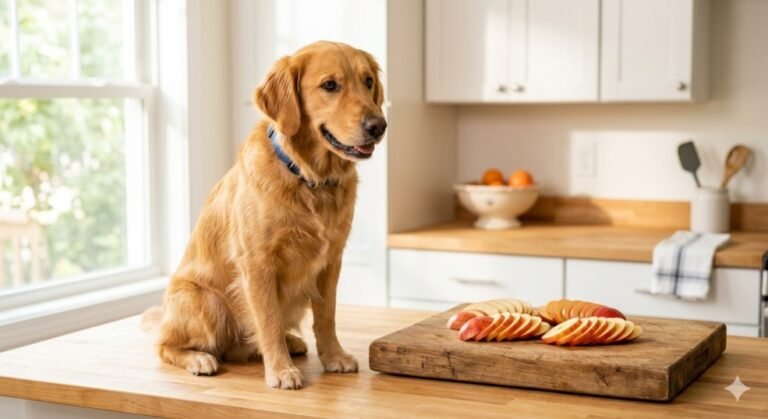
- Sliced apple (no seeds or core): good source of fiber and vitamins A and C, with a satisfying crunch
- Baby carrots: excellent low-calorie crunch treat that supports dental health
- Cooked sweet potato (plain): excellent source of beta-carotene, dietary fiber, and natural sweetness
- Plain pumpkin (not pie filling): supports digestion, very low in calories, and loved by most dogs
- Commercial dog treats: formulated specifically for canine nutritional needs with no hidden ingredients to worry about
Frequently Asked Questions: Dogs and Peanuts
Can dogs eat peanuts?
Yes, dogs can eat plain, unsalted peanuts in small amounts. Salted, flavored, honey-roasted, and spiced peanuts are not safe. Always check peanut butter labels for xylitol before sharing any peanut product.
Can dogs eat peanut butter?
Yes, as long as it does not contain xylitol. Plain peanut butter with no artificial sweeteners is generally safe in small amounts. Give no more than half a teaspoon for small dogs and one teaspoon for larger dogs, only occasionally and not as a daily treat.
What happens if a dog eats peanut butter with xylitol?
Xylitol causes a rapid and dangerous collapse in blood sugar and can trigger acute liver failure in dogs. Symptoms appear within 30 to 60 minutes and include weakness, vomiting, loss of coordination, seizures, and collapse. This is a life-threatening emergency. Go to an emergency vet immediately without waiting for symptoms to appear.
How many peanuts can a dog eat?
A few plain, unsalted peanuts are safe as an occasional treat for most healthy adult dogs. As a rough guide: 1 to 2 for small dogs, 4 to 6 for medium dogs, and up to 10 for large breeds, only given occasionally. Always stay within the 10 percent daily treat rule.
Can peanuts cause pancreatitis in dogs?
Yes. The high fat content in peanuts can trigger pancreatitis, particularly in dogs already prone to it. Breeds such as Miniature Schnauzers, Cocker Spaniels, and Yorkshire Terriers are at higher risk. Dogs with a history of pancreatitis should not eat peanuts at all, regardless of quantity.
Are peanut shells safe for dogs?
No. Peanut shells are indigestible and a choking hazard. They can cause gastrointestinal obstruction, particularly in small breeds. Always remove shells completely before offering peanuts to your dog.
Can dogs be allergic to peanuts?
Yes. While less common than in humans, dogs can develop peanut allergies. Signs include skin itching, hives, facial swelling, vomiting, and diarrhea. In rare cases, anaphylaxis is possible. Introduce peanuts one at a time and wait 24 hours while watching for reactions.
What should I do if my dog ate salted peanuts?
Provide fresh water immediately and monitor your dog for signs of sodium toxicity: excessive thirst, vomiting, diarrhea, lethargy, and muscle tremors. If only a small number were eaten, monitoring is usually sufficient. If a large quantity was consumed, call your vet.
Is peanut butter good for dogs at all?
Plain peanut butter does contain protein, healthy fats, and vitamins B and E. However, the high fat and calorie content makes it a treat, not a health supplement. The risk of accidentally using a xylitol-containing product also makes safer alternatives worth considering for everyday use.
Final Word: Should You Feed Your Dog Peanuts?
A few plain, unsalted peanuts are not an emergency for most healthy adult dogs. But that does not make peanuts a recommended staple treat. The real danger lies not in the peanut itself, but in what gets added to peanut products, and the cumulative fat load if peanuts become a daily habit.
The single most important rule with peanuts and dogs is this: check every peanut butter label every time. Xylitol is found in more brands than most owners realize, and missing it on the ingredient list can cost a dog its life.
When in doubt, skip the peanuts and reach for a safer, dog-tested snack instead. Your dog will be just as excited about a baby carrot or a blueberry, and you will have a lot less to worry about.
Reviewed & Recommended by Dr. Ubaidur Rahman, DVM
Veterinary Review: Dr. Ubaidur Rahman, DVM, reviewed this guide for the safety of peanuts for dogs, including potential choking, digestive, and ingredient-related concerns.
Dr. Ubaidur Rahman’s Recommendation: Plain, unsalted peanuts can generally be given to healthy dogs in small amounts as an occasional treat. However, peanuts are relatively high in fat and calories, so too many can cause digestive upset and contribute to unnecessary weight gain. Avoid salted, flavored, chocolate-covered, or seasoned peanuts, and always remove the shells before offering them.
Sources and References
- Merck Veterinary Manual: Xylitol Toxicosis in Animals. merckvetmanual.com
- ASPCA Animal Poison Control Center: Peanut Butter and Xylitol. aspca.org
- PetMD: Can Dogs Eat Peanuts? (Updated 2025). petmd.com
- American Kennel Club: Can Dogs Eat Peanuts? akc.org
- VCA Animal Hospitals: Xylitol Poisoning in Dogs. vcahospitals.com
- Pet Poison Helpline: Xylitol Toxicity in Dogs. petpoisonhelpline.com
- Purina: Can Dogs Eat Peanuts? A Guide to Safety. purina.com
- Chewy: Can Dogs Have Peanuts? chewy.com
Discover More:-
- Can Dogs Eat Hot Dogs? A Complete Vet-Backed Guide 2026
- Can Dogs Eat Sausage? A Complete Vet-Backed Guide 2026

Dr. Ubaid Ur Rehman, DVM is a qualified veterinarian with expertise in pet health, nutrition, and preventive care. He is passionate about helping pet owners make informed decisions through accurate, research-based, and practical advice. As a veterinary professional, he reviews and contributes content to ensure reliable information for dog and pet owners.