Can Dogs Eat Olives? The Truth About Green & Black Olives
Quick Answer: A few plain olives are unlikely to harm a healthy dog and may even provide beneficial nutrients. However, olives should only be an occasional treat because they are high in fat and often contain large amounts of sodium. Pits should always be removed before feeding.
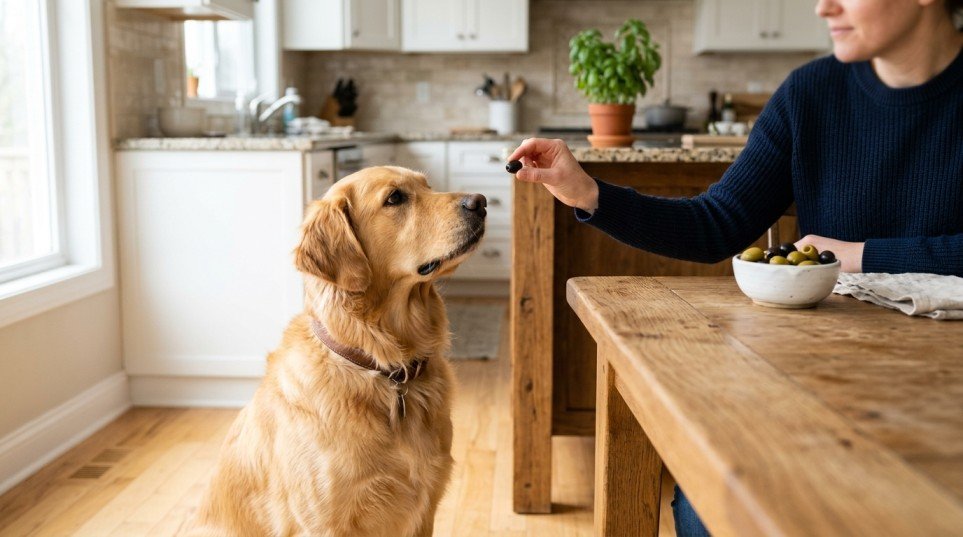
You’re enjoying a salad, pizza, or charcuterie board when your dog suddenly stares at the olive in your hand as if it’s the greatest treat in the world. Naturally, you start wondering: can dogs eat olives, or are they dangerous?
The short answer is yes, plain olives are generally safe for dogs in small amounts. However, not all olives are created equal. While a plain pitted olive is unlikely to harm most healthy dogs, stuffed olives, seasoned olives, and olive products high in sodium can create problems.
This guide covers everything dog owners actually want to know: whether olives are safe, their nutritional benefits, potential risks, how many olives dogs can eat, which types are safest, and when you should call a veterinarian.
Can Dogs Eat Olives? The Short Answer
Yes, dogs can eat plain, unsalted, pitted olives in moderation.
The biggest concern is usually not the olive itself. Most problems occur because the olive contains a pit, excess salt, garlic, onions, or other ingredients that may be harmful to dogs.
The safest option is always a plain, pitted olive served occasionally as a treat.
Are Olives Safe for Dogs?
1. Plain Olives Are Generally Non-Toxic
Olives themselves are not toxic to dogs.
Unlike foods such as grapes, raisins, onions, garlic, or chocolate, olives do not contain compounds known to cause poisoning in dogs.
Most healthy dogs can safely eat small amounts without experiencing serious side effects.
This applies to:
- Green olives
- Black olives
- Kalamata olives (plain and pitted)
- Ripe olives
The key word is plain. Many olive products contain ingredients that may not be dog-friendly.
2. Moderation Matters
Although olives are safe, they should not become a regular part of your dog’s diet.
Olives contain:
- Fat
- Sodium
- Calories
Too many olives can contribute to digestive upset, weight gain, or excessive salt intake.
Treats should generally make up no more than 10% of your dog’s daily calories.
3. Preparation Makes a Difference
An olive straight from a heavily seasoned appetizer tray is very different from a plain pitted olive.
Many prepared olives contain:
- Garlic
- Onion
- Excess salt
- Spices
- Oils
- Cheese fillings
These ingredients can increase the risk of stomach upset or toxicity.
Nutritional Benefits of Olives for Dogs
While olives are not considered a superfood for dogs, they do contain several nutrients.
1. Healthy Fats
Olives contain monounsaturated fats, the same heart-healthy fats commonly associated with Mediterranean diets.
These fats may help support:
- Skin health
- Coat condition
- Cellular function
- Overall nutrition
However, dogs already receive fat from balanced commercial diets, so olives should not be viewed as a necessary supplement.
2. Antioxidants
Olives contain natural antioxidants, including vitamin E and polyphenols.
Antioxidants help protect cells from oxidative stress and support overall health.
Although beneficial, the amounts obtained from occasional olive consumption are relatively small.
3. Vitamins and Minerals
Olives contain trace amounts of:
- Vitamin E
- Copper
- Iron
- Calcium
- Magnesium
These nutrients contribute to overall health but are not present in amounts significant enough to replace a complete canine diet.
Potential Risks of Feeding Olives to Dogs
While olives are generally safe, there are several important risks every owner should understand.
1. Olive Pits Can Cause Choking
This is one of the biggest dangers.
Olive pits can:
- Become lodged in the throat
- Cause choking
- Damage teeth
- Create intestinal blockages
Small dogs are particularly vulnerable.
Always remove pits before offering olives to your dog.
2. High Sodium Content
Most store-bought olives are cured in salt brine.
Excess sodium can lead to:
- Increased thirst
- Excessive urination
- Digestive upset
- Salt toxicity in severe cases
A few olives rarely cause problems, but regular feeding may contribute to excessive sodium intake.
3. High Fat Content
Olives contain a moderate amount of fat.
Too much dietary fat may contribute to:
- Vomiting
- Diarrhea
- Weight gain
- Pancreatitis in susceptible dogs
Dogs with a history of pancreatitis should avoid fatty treats unless approved by a veterinarian.
4. Seasonings and Fillings
Many olive products contain ingredients that may be harmful.
Examples include:
- Garlic-stuffed olives
- Onion-flavored olives
- Blue cheese-stuffed olives
- Spicy olives
- Marinated olives
These products are far riskier than plain olives and should generally be avoided.
Can Dogs Eat Green Olives?
Yes, dogs can eat plain green olives in moderation.
Green olives are simply harvested before they fully ripen.
Benefits:
- Non-toxic
- Contain antioxidants
- Generally safe when pitted
Risks:
- High sodium content
- Choking hazard from pits
- Digestive upset if overfed
Plain, pitted green olives are among the safest olive options for dogs.
Can Dogs Eat Black Olives?
Yes, black olives are also safe for most dogs.
Black olives are harvested later in the ripening process and have a milder taste than many green varieties.
When feeding black olives:
- Choose plain varieties
- Remove pits
- Avoid excessive portions
- Skip seasoned products
Most dogs tolerate plain black olives well when offered occasionally.
Can Dogs Eat Kalamata Olives?
Kalamata olives are not toxic to dogs, but caution is recommended.
They are often:
- Salt-cured
- Highly seasoned
- Larger in size
The olive itself is generally safe, but the sodium content may be significantly higher than other varieties.
If offered at all, only provide a small amount of plain, pitted Kalamata olive.
Can Dogs Eat Olive Pits?
No. Dogs should never eat olive pits intentionally.
Olive pits may cause:
- Choking
- Tooth fractures
- Digestive tract obstruction
Symptoms of a blockage may include:
- Vomiting
- Loss of appetite
- Abdominal pain
- Lethargy
- Constipation
If your dog swallows multiple pits or develops symptoms, contact your veterinarian immediately.
Can Dogs Eat Olives Stuffed with Ingredients?
In most cases, no.
Stuffed olives often contain ingredients that are not ideal for dogs.
Avoid olives stuffed with:
- Garlic
- Onion
- Jalapeños
- Cheese
- Anchovies
- Spicy fillings
Even when the filling is not toxic, the added fat and sodium increase the likelihood of digestive problems.
Plain olives remain the safest choice.
Can Dogs Have Olive Oil?
Many dog owners wonder whether olive oil is safer than whole olives.
In small amounts, olive oil is generally safe for healthy dogs.
Some owners use it to support:
- Skin health
- Coat quality
- Digestive regularity
However, excessive olive oil may cause:
- Diarrhea
- Weight gain
- Pancreatitis risk
Any supplementation should be discussed with a veterinarian, especially for dogs with underlying health conditions.
How Many Olives Can Dogs Eat?
The appropriate amount depends on your dog’s size.
Small Dogs (Under 10 lbs)
- ½ to 1 olive occasionally
Medium Dogs (11–30 lbs)
- 1 to 2 olives occasionally
Large Dogs (31–60 lbs)
- 2 to 3 olives occasionally
Giant Breeds (Over 60 lbs)
- 3 to 4 olives occasionally
These amounts assume the olives are plain, unsalted when possible, and pitted.
Olives should be an occasional treat rather than a daily snack.
What Happens If a Dog Eats Too Many Olives?
Most dogs experience mild digestive symptoms.
Common signs include:
- Vomiting
- Diarrhea
- Gas
- Stomach discomfort
- Increased thirst
More serious issues may occur if:
- Large amounts were consumed
- Pits were swallowed
- The olives contained harmful ingredients
Monitor your dog closely if they eat a significant quantity.
When to Call a Vet
Contact a veterinarian if:
- Your dog swallowed olive pits
- Large amounts were consumed
- The olives contained garlic or onions
- Your dog develops vomiting or diarrhea
- You notice abdominal pain
- Your dog appears lethargic
- Signs of choking occur
- Your dog has pancreatitis or kidney disease
Prompt medical advice can prevent complications.
Symptoms to Watch For After Eating Olives
Most dogs remain completely fine after eating a few plain olives.
Monitor for:
Mild Symptoms
- Soft stool
- Mild diarrhea
- Temporary stomach upset
- Increased thirst
Moderate Symptoms
- Repeated vomiting
- Persistent diarrhea
- Refusal to eat
- Abdominal discomfort
Emergency Symptoms
- Choking
- Difficulty breathing
- Collapse
- Severe lethargy
- Signs of intestinal blockage
Emergency symptoms require immediate veterinary care.
Frequently Asked Questions About Dogs and Olives
Are olives poisonous to dogs?
No. Plain olives are not poisonous to dogs and are generally safe when fed in moderation.
Can puppies eat olives?
Puppies can technically eat small amounts of plain pitted olives, but there is little nutritional benefit. Safer puppy treats are usually better options.
Can dogs eat canned olives?
Dogs can eat plain canned olives occasionally, but canned varieties often contain large amounts of sodium.
Can dogs eat olive tapenade?
No. Olive tapenade frequently contains garlic, onions, oils, and seasonings that may be harmful to dogs.
Can dogs eat olives every day?
Daily feeding is not recommended due to the sodium, fat, and calorie content.
Are green olives better than black olives for dogs?
Neither is significantly better. The most important factors are that the olives are plain, pitted, and fed in moderation.
What should I do if my dog swallowed an olive pit?
Monitor your dog closely and contact your veterinarian, especially if your dog is small or begins showing symptoms of choking or intestinal blockage.
How to Safely Feed Olives to Your Dog
If you choose to offer olives:
- Remove all pits first.
- Choose plain olives without seasonings.
- Avoid stuffed varieties.
- Feed only small amounts.
- Introduce slowly.
- Monitor for digestive upset.
Following these precautions minimizes the risk of complications.
Final Word: Can Dogs Eat Olives?
Yes, dogs can eat olives when they are plain, pitted, and fed in moderation. Both green and black olives are generally non-toxic and may provide small amounts of beneficial nutrients.
However, olives are not an essential part of a dog’s diet. The biggest concerns come from pits, sodium, excessive fat, and added ingredients such as garlic or onions.
If your dog accidentally eats a few plain olives, there is usually little reason to worry. But if pits were swallowed, large amounts were consumed, or harmful ingredients were involved, contact your veterinarian for guidance.
When fed responsibly, olives can be an occasional treat—but they should never replace a complete and balanced canine diet.
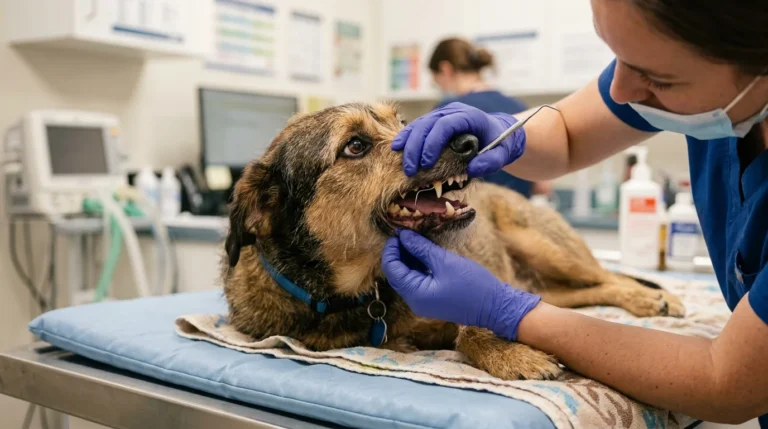
Reviewed & Recommended by Dr. Ubaidur Rahman, DVM
Veterinary Review: Dr. Ubaidur Rahman, DVM, reviewed this guide for veterinary accuracy, food safety, and the recommendations about feeding olives to dogs.
Dr. Ubaidur Rahman’s Recommendation: Plain, pitted olives are generally safe for dogs in small amounts, but they are not necessary for a dog’s diet. Olives can be high in sodium, especially when they are brined or seasoned, so they should only be offered occasionally. Always remove the pit before giving an olive to a dog, as the pit can pose a choking or intestinal blockage risk.
Sources and References
- American Kennel Club (AKC): Human Foods Dogs Can and Cannot Eat
- Merck Veterinary Manual: Canine Nutrition
- VCA Animal Hospitals: Safe Human Foods for Dogs
- PetMD: Foods Dogs Can Eat
- American Veterinary Medical Association (AVMA): Pet Nutrition Guidance
- World Small Animal Veterinary Association (WSAVA): Nutrition Guidelines
- Preventive Vet: Safe Fruits and Vegetables for Dogs
Discover More:-
- Can Dogs Eat Strawberries? A Complete Vet-Backed Guide 2026
- Dog Stung by Bee? Here’s Exactly What to Do Vet Guide 2026

Dr. Ubaid Ur Rehman, DVM is a qualified veterinarian with expertise in pet health, nutrition, and preventive care. He is passionate about helping pet owners make informed decisions through accurate, research-based, and practical advice. As a veterinary professional, he reviews and contributes content to ensure reliable information for dog and pet owners.