Best Dog Training Collars: What Professional Trainers Recommend 2026
Quick Answer: There is no single “best” dog training collar for every dog. The most effective collar is one that helps communicate with your dog clearly while prioritizing comfort, safety, and humane training methods.
Training a dog can be one of the most rewarding experiences for pet owners, but it can also be challenging when your dog pulls on the leash, ignores commands, chases distractions, or develops unwanted behaviors. This is where the right training collar can make a significant difference.
The problem is that not all dog training collars are created equal. Some are designed to improve leash manners, while others focus on communication, behavior correction, or recall training. Choosing the wrong collar can make training more difficult, while choosing the right one can help your dog learn faster and more comfortably.
This guide covers everything dog owners need to know about the best dog training collars, including the different types available, which collars work best for specific situations, important safety considerations, and how to select the right option for your dog’s size, temperament, and training goals.
Best Dog Training Collars: The Short Answer
The best dog training collar depends on your dog’s behavior, size, and training needs. For most dogs, a flat collar combined with positive reinforcement training works well for everyday obedience. For dogs that pull excessively, a martingale collar, head collar, or no-pull harness is often the safest and most effective option.
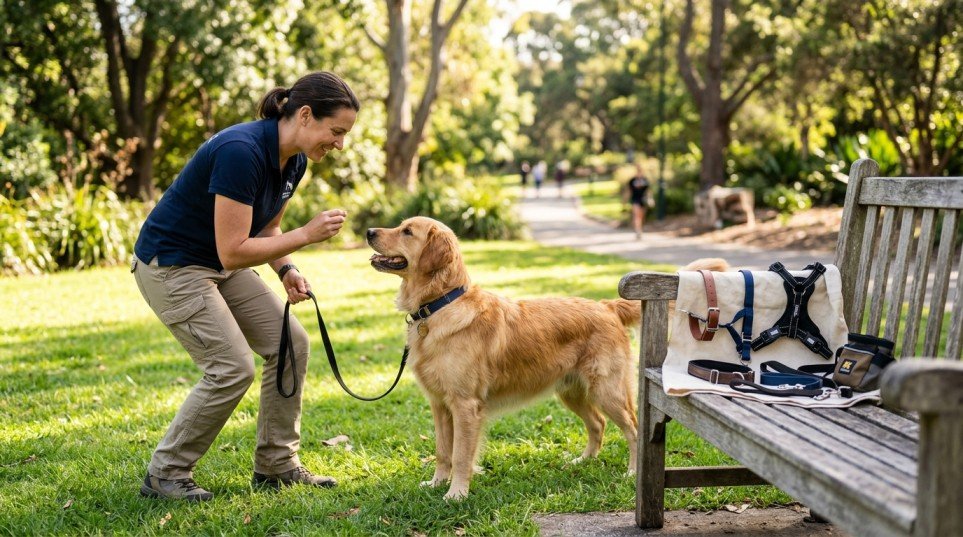
The goal of a training collar should never be punishment. Instead, it should help guide your dog toward desired behaviors while making training sessions more consistent and understandable.
What Is a Dog Training Collar?
A dog training collar is any collar specifically designed to assist with teaching behaviors, improving obedience, controlling pulling, or reinforcing commands during training sessions.
Unlike standard identification collars, training collars often include features that provide additional communication between the owner and dog.
Depending on the design, training collars may help:
- Reduce leash pulling
- Improve recall
- Reinforce obedience commands
- Increase focus during training
- Improve walking manners
- Support behavior modification programs
Different collars achieve these goals in different ways, which is why understanding the available options is important.
Types of Dog Training Collars
1. Standard Flat Collars
Flat collars are the most common collars used by dog owners.
They are simple, comfortable, and suitable for daily wear.
Best For:
- Basic obedience training
- Puppies
- Well-behaved adult dogs
- Identification tags
Pros:
- Comfortable
- Affordable
- Easy to use
- Suitable for daily wear
Cons:
- Limited control for strong pullers
- May not prevent leash pulling
For many dogs, a flat collar paired with reward-based training is all that’s needed.
2. Martingale Collars
Martingale collars tighten slightly when a dog pulls but do not continue tightening indefinitely.
They were originally designed for breeds with narrow heads, such as Greyhounds and Whippets.
Best For:
- Dogs that slip out of collars
- Mild to moderate pullers
- Leash training
Pros:
- Prevents escape
- Provides gentle control
- Safer than choke chains
Cons:
- Requires proper fitting
- Not intended for unsupervised wear
Many professional trainers consider martingale collars one of the best humane training options available.
3. Head Collars
Head collars work similarly to a horse halter by guiding the dog’s head rather than controlling the neck.
When the dog’s head turns, the body naturally follows.
Best For:
- Strong pullers
- Large breeds
- Dogs difficult to control on walks
Pros:
- Excellent leash control
- Reduces pulling quickly
- Minimal physical force required
Cons:
- Requires an adjustment period
- Some dogs initially dislike wearing them
Many trainers recommend head collars for owners struggling with leash manners.
4. No-Pull Training Harnesses
Although technically not collars, no-pull harnesses are often recommended as training tools.
Front-clip harnesses redirect a dog when they pull forward.
Best For:
- Leash pulling
- Puppies
- Large dogs
- Owners seeking a humane option
Pros:
- Reduces neck strain
- Excellent control
- Comfortable for most dogs
Cons:
- Requires proper fit
- Some dogs learn to pull through them
Many behavior experts prefer harnesses over correction-based collars.
5. Vibration Training Collars
Vibration collars use a gentle vibration to gain the dog’s attention.
They do not deliver electric stimulation.
Best For:
- Recall training
- Deaf dogs
- Advanced obedience training
Pros:
- Non-painful communication
- Helpful at longer distances
- Useful for hearing-impaired dogs
Cons:
- Not effective for every dog
- Requires proper conditioning
These collars are often used as communication tools rather than punishment devices.
6. GPS Training and Tracking Collars
GPS collars allow owners to track their dog’s location while also supporting certain training functions.
Best For:
- Hunting dogs
- Working dogs
- Off-leash adventures
Pros:
- Real-time location tracking
- Enhanced safety
- Useful for recall training
Cons:
- More expensive
- Requires charging
For owners with active dogs, GPS collars can provide peace of mind.
Features to Look for in the Best Dog Training Collar
Choosing the right collar involves more than selecting a specific type.
Important features include:
Proper Fit
A training collar should fit snugly without restricting breathing.
You should be able to fit two fingers comfortably between the collar and your dog’s neck.
Durable Materials
Look for:
- Nylon
- Leather
- Reinforced stitching
- Rust-resistant hardware
Quality materials improve both safety and longevity.
Adjustable Sizing
Dogs vary significantly in neck size and body shape.
Adjustable collars allow for a secure and comfortable fit.
Weather Resistance
Water-resistant materials are ideal for active dogs that spend time outdoors.
Visibility
Reflective stitching improves safety during nighttime walks.
How to Choose the Best Training Collar for Your Dog
For Puppies
Recommended:
- Flat collars
- Lightweight harnesses
Avoid overly restrictive equipment while your puppy is learning basic skills.
For Dogs That Pull
Recommended:
- Head collars
- Martingale collars
- Front-clip harnesses
These tools provide additional control without excessive force.
For Escape Artists
Recommended:
- Martingale collars
These collars help prevent dogs from backing out and escaping.
For Recall Training
Recommended:
- Long lines
- GPS collars
- Vibration collars
Recall training requires consistency and positive reinforcement.
For Large Powerful Breeds
Recommended:
- Head collars
- Front-clip harnesses
- Properly fitted martingale collars
Control and safety become especially important with larger dogs.
Common Training Mistakes Dog Owners Make
Even the best collar cannot compensate for poor training habits.
Avoid:
- Inconsistent commands
- Punishing confusion
- Long training sessions
- Unrealistic expectations
- Poor timing of rewards
Successful training depends far more on consistency than on equipment.
Are Dog Training Collars Safe?
When used correctly, most training collars are safe.
Safety guidelines include:
- Proper fitting
- Regular inspection
- Supervision during training
- Following manufacturer instructions
- Monitoring for irritation
No collar should cause injury, breathing difficulty, or excessive stress.
If your dog shows signs of fear, anxiety, or discomfort, training methods should be reassessed.
Signs Your Training Collar Fits Properly
A properly fitted collar should:
- Stay secure during activity
- Not slide over the head
- Not cause rubbing
- Allow comfortable breathing
- Permit normal movement
Poor fit is one of the most common causes of collar-related problems.
Best Practices for Successful Collar Training
Training collars work best when combined with:
- Positive reinforcement
- Consistent commands
- High-value treats
- Patience
- Short training sessions
Rewarding desired behaviors remains the foundation of effective dog training.
Equipment should support communication, not replace training.
Frequently Asked Questions About Dog Training Collars
What is the best dog training collar overall?
For most dogs, a martingale collar or front-clip harness offers the best balance of control, safety, and comfort.
What collar do professional dog trainers use?
Many professional trainers use flat collars, martingale collars, head collars, and front-clip harnesses depending on the dog’s needs and behavior.
Are training collars cruel?
When used correctly and humanely, many training collars are safe and effective. The goal should always be communication and guidance rather than punishment.
What is the best collar for a dog that pulls?
Head collars, front-clip harnesses, and martingale collars are commonly recommended for leash-pulling dogs.
Should puppies wear training collars?
Yes. Lightweight flat collars and properly fitted harnesses can help puppies learn leash skills and basic obedience.
How tight should a training collar be?
You should be able to fit two fingers comfortably between the collar and your dog’s neck.
Can training collars replace obedience training?
No. Training collars are tools that support training, not substitutes for consistent instruction and reinforcement.
How to Get the Best Results From Any Training Collar
- Start with basic obedience commands.
- Reward good behavior immediately.
- Keep sessions short and positive.
- Be consistent with commands.
- Practice daily.
- Avoid punishment-based approaches.
- Gradually increase distractions.
Training success comes from repetition, patience, and clear communication.
Final Word: The Best Dog Training Collar Is the One That Supports Safe, Consistent Training
The best dog training collar is not necessarily the most expensive or most advanced option. Instead, it is the collar that matches your dog’s needs, supports humane training methods, and helps strengthen communication between you and your dog.
For many owners, a martingale collar, head collar, or front-clip harness provides the ideal combination of safety and control. Puppies often do well with simple flat collars, while strong pullers may benefit from additional guidance tools.
Remember that collars do not train dogs—people do. The collar is simply a tool. Consistency, patience, positive reinforcement, and proper training techniques will always be the biggest factors in your dog’s success.
Sources and References
- American Kennel Club (AKC): Dog Training Equipment Guide
- American Veterinary Medical Association (AVMA): Dog Behavior and Training
- International Association of Animal Behavior Consultants (IAABC)
- Certification Council for Professional Dog Trainers (CCPDT)
- American Animal Hospital Association (AAHA)
- VCA Animal Hospitals: Leash Training and Collar Safety
- World Small Animal Veterinary Association (WSAVA): Companion Animal Welfare Guidelines
Discover More:-
- Home Remedies for Light Skin Scrapes on Family Small Dogs Vet-Backed Guide 2026
- How to Heal a Dog Wound Fast at Home: Safe Treatment Guide 2026

Dr. Ubaid Ur Rehman, DVM is a qualified veterinarian with expertise in pet health, nutrition, and preventive care. He is passionate about helping pet owners make informed decisions through accurate, research-based, and practical advice. As a veterinary professional, he reviews and contributes content to ensure reliable information for dog and pet owners.