Can Dogs Eat Pecans Safely? What Every Dog Owner Should Know
Quick Answer: While a single plain pecan may not always cause severe toxicity, pecans are generally considered unsafe for dogs. They can cause digestive upset, pancreatitis, intestinal blockage, and exposure to dangerous mold toxins. Therefore, veterinarians typically advise keeping pecans away from dogs altogether.
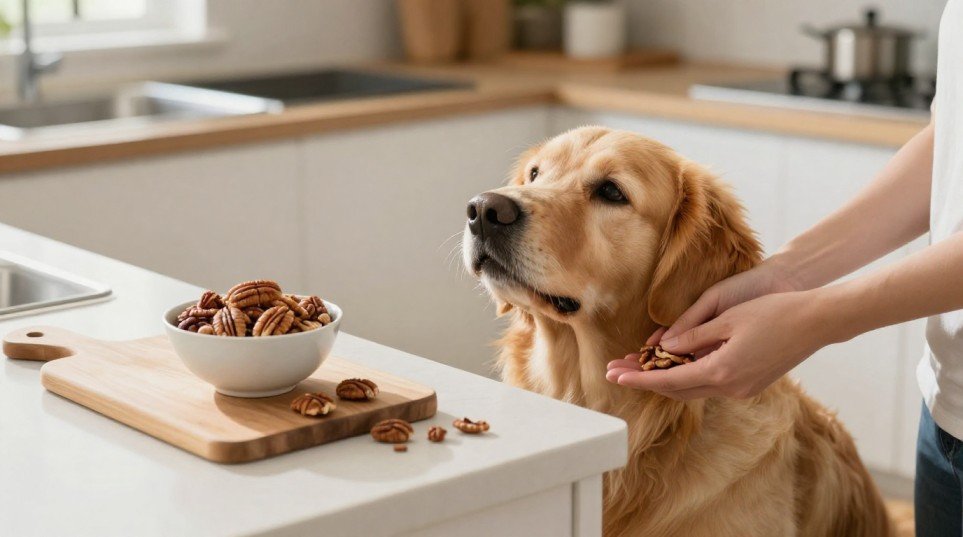
Your dog just grabbed a pecan off the floor, and now you’re wondering whether you should be worried. Unlike some nuts that are generally considered safe in small amounts, pecans occupy a much riskier category when it comes to dogs. While a single plain pecan may not always cause serious harm, pecans are not considered a safe snack for dogs and can create health risks ranging from digestive upset to potentially serious toxicity.
The reason is not always the nut itself. In many cases, the real danger comes from mold toxins, high fat content, seasonings, chocolate coatings, or large quantities consumed at once. Furthermore, because dogs vary significantly in size and health status, the same amount that causes mild symptoms in one dog may create a veterinary emergency in another.
This guide covers everything dog owners actually search for: whether dogs can eat pecans, why pecans can be dangerous, what happens if a dog eats pecans, symptoms to watch for, when to call a veterinarian, treatment options, and safer alternatives for healthy treats.
Can Dogs Eat Pecans? The Short Answer
No, pecans are not recommended for dogs.
The most important thing to understand is that pecans offer very little nutritional benefit for dogs while introducing several unnecessary risks. Consequently, even though your dog may seem fine after eating one or two pecans, that does not mean pecans are safe as a regular treat.
If your dog has eaten pecans, the appropriate response depends on the amount consumed, your dog’s size, and whether symptoms are already developing.
Why Are Pecans Dangerous for Dogs?
1. High Fat Content
One of the biggest concerns is the high fat content found in pecans.
Like many nuts, pecans contain significant amounts of fat. While healthy fats can be beneficial in certain situations, large amounts can overwhelm a dog’s digestive system.
As a result, dogs may develop:
- Vomiting
- Diarrhea
- Stomach pain
- Loss of appetite
- Digestive discomfort
Furthermore, dogs that consume large quantities of fatty foods face a greater risk of pancreatitis, which is a painful inflammation of the pancreas.
Because pancreatitis can become serious very quickly, veterinarians often take nut ingestion more seriously than many pet owners expect.
2. Mold Toxins Can Be Extremely Dangerous
Perhaps the most concerning risk involves mold.
Pecans that have been stored improperly may develop mold growth that is not always visible to the human eye. Unfortunately, certain molds produce tremorgenic mycotoxins that can be highly toxic to dogs.
When a dog consumes moldy pecans, symptoms may include:
- Tremors
- Muscle twitching
- Loss of coordination
- High body temperature
- Seizures
Because these neurological symptoms can progress rapidly, any suspected consumption of moldy pecans should be treated as an emergency.
3. Risk of Pancreatitis
In addition to digestive upset, fatty foods can trigger pancreatitis.
Pancreatitis occurs when the pancreas becomes inflamed and begins releasing digestive enzymes improperly. As a result, dogs may experience severe abdominal pain and significant illness.
Common symptoms include:
- Repeated vomiting
- Severe lethargy
- Hunched posture
- Loss of appetite
- Dehydration
- Abdominal tenderness
While some cases remain mild, others require hospitalization and intensive treatment.
4. Choking and Intestinal Blockage Risks
Whole pecans can also create physical hazards.
Small dogs, puppies, and aggressive eaters may swallow pecans without chewing them properly. Consequently, the nuts may become lodged in the throat or digestive tract.
Potential complications include:
- Choking
- Intestinal obstruction
- Gastrointestinal irritation
- Difficulty passing stool
These risks increase significantly when dogs consume large quantities at once.
What Happens If a Dog Eats Pecans?
The outcome depends on several factors:
- The number of pecans eaten
- The size of the dog
- Whether the pecans were moldy
- Whether they contained seasonings
- The dog’s overall health
For example, a healthy 70-pound dog that eats a single plain pecan may experience no symptoms at all.
However, a 10-pound dog that consumes several moldy pecans could develop serious neurological symptoms within hours.
Because every situation is different, monitoring and veterinary guidance are important whenever pecans are involved.
Are Pecans Toxic to Dogs?
The answer is somewhat complicated.
Plain pecans themselves are not considered highly toxic in the same way that chocolate, xylitol, or grapes are.
However, veterinarians still classify pecans as unsafe because of the numerous risks associated with them.
These risks include:
- Mold toxicity
- Pancreatitis
- Digestive upset
- Intestinal blockage
- Choking hazards
Therefore, even though pecans are not among the most poisonous foods for dogs, they remain foods that should be avoided.
How Many Pecans Are Dangerous for Dogs?
There is no universally safe amount.
Risk depends heavily on:
| Dog Size | Potential Risk Level |
|---|---|
| Under 10 lbs | High risk from even small amounts |
| 10–30 lbs | Moderate risk depending on quantity |
| 30–60 lbs | Risk increases with larger amounts |
| Over 60 lbs | Lower risk from small amounts but still not safe |
Important: Mold contamination can make even a small amount dangerous regardless of body size.
Therefore, the condition of the pecans often matters as much as the quantity consumed.
Can Puppies Eat Pecans?
No, puppies should not eat pecans.
In fact, puppies face greater risks than adult dogs because:
- Their digestive systems are less developed
- Their body weight is lower
- They dehydrate more quickly
- They are more vulnerable to choking
As a result, even small amounts of pecans can create significant problems.
If a puppy eats pecans, contacting a veterinarian is generally the safest course of action.
Can Dogs Eat Pecans in Baked Goods?
This is where the risks become even greater.
Many pecan-containing foods include ingredients that may also be harmful to dogs.
Examples include:
- Chocolate
- Nutmeg
- Raisins
- Artificial sweeteners
- Excess sugar
- Excess butter
Because of these additional ingredients, pecan pies, cookies, cakes, and pastries should never be shared with dogs.
Pecan Pie Is Especially Dangerous
Pecan pie combines multiple risk factors.
In addition to pecans themselves, pecan pie often contains:
- High sugar levels
- Butter
- Syrups
- Flavorings
Consequently, even small portions may cause digestive upset or contribute to pancreatitis.
Symptoms of Pecan Toxicity or Digestive Problems in Dogs
Symptoms can appear within a few hours after ingestion.
However, timing may vary depending on the amount consumed and the dog’s health.
Mild Symptoms
- Vomiting
- Diarrhea
- Gas
- Drooling
- Mild lethargy
- Reduced appetite
Moderate Symptoms
- Persistent vomiting
- Abdominal discomfort
- Restlessness
- Weakness
- Dehydration
Severe Symptoms
- Muscle tremors
- Seizures
- Collapse
- Difficulty walking
- Loss of coordination
- High fever
If severe symptoms develop, emergency veterinary care is required immediately.
What Should You Do If Your Dog Eats Pecans?
Step 1: Determine How Many Were Eaten
First, estimate:
- Number consumed
- Approximate size
- Whether shells were eaten
- Whether the nuts were moldy
- Whether seasonings were present
The more information you have, the easier it will be for a veterinarian to assess risk.
Step 2: Monitor for Symptoms
Next, watch closely for:
- Vomiting
- Diarrhea
- Tremors
- Lethargy
- Appetite changes
Even if symptoms are not present initially, continue monitoring for at least 24 hours.
Step 3: Contact Your Veterinarian
If your dog consumed:
- Multiple pecans
- Moldy pecans
- Pecan pie
- Chocolate-covered pecans
- Large quantities
then veterinary guidance should be sought immediately.
Step 4: Do Not Attempt Home Treatments Without Guidance
Many online remedies can make the situation worse.
Therefore:
- Do not induce vomiting without veterinary instruction.
- Do not administer medications.
- Do not assume symptoms will resolve on their own.
Professional guidance is always the safest option.
How Veterinarians Treat Dogs That Eat Pecans
Treatment depends on the severity of the case.
Possible interventions include:
- Inducing vomiting
- Activated charcoal administration
- Intravenous fluids
- Anti-nausea medications
- Seizure control medications
- Hospital monitoring
Fortunately, most dogs recover fully when treatment is provided promptly.
Safer Nut Alternatives for Dogs
Although pecans should be avoided, some nuts are considered less risky in small amounts.
Examples include:
- Unsalted peanuts
- Peanut butter without xylitol
- Cashews in moderation
However, even safer nuts should only be offered occasionally because they remain high in fat.
Many veterinarians recommend healthier alternatives such as:
- Carrots
- Cucumbers
- Green beans
- Apples (without seeds)
- Blueberries
These options provide nutritional benefits without the risks associated with nuts.
Frequently Asked Questions About Dogs and Pecans
Can one pecan hurt a dog?
In many cases, a single plain pecan will not cause serious harm to a healthy medium or large dog. However, individual reactions vary, and mold contamination can significantly increase the risk. Therefore, monitoring remains important even after small exposures.
Are pecans poisonous to dogs?
Not in the same way as grapes or xylitol. However, pecans are still considered unsafe because they may contain mold toxins and can contribute to digestive issues, pancreatitis, and intestinal blockages.
How long after eating pecans will symptoms appear?
Symptoms often begin within a few hours. However, some dogs may not show signs until later. Consequently, monitoring for at least 24 hours is generally recommended.
Can dogs eat pecan pie?
No. Pecan pie contains high levels of sugar and fat, and it may contain additional ingredients that are unsafe for dogs. Therefore, pecan pie should always be kept away from pets.
What if my dog ate pecan shells?
Pecan shells present additional risks because they are difficult to digest. Furthermore, they can contribute to intestinal irritation or blockages. Veterinary advice is recommended if shells were consumed.
Can small dogs eat pecans?
Small dogs face higher risks because even small quantities represent a larger dose relative to body weight. Therefore, pecans are especially concerning for toy breeds and small dogs.
Can dogs eat roasted pecans?
Roasted pecans are still not recommended. In fact, roasted varieties often contain oils, seasonings, or salt that may create additional health concerns.
Should I make my dog vomit after eating pecans?
Not unless a veterinarian specifically instructs you to do so. Inducing vomiting incorrectly can create complications and may be dangerous in certain situations.
How to Prevent Future Pecan Incidents
- Store pecans in sealed containers.
- Keep nuts out of reach of pets.
- Clean floors after baking.
- Avoid feeding table scraps.
- Educate family members about dangerous foods.
- Dispose of old nuts properly.
- Keep holiday desserts away from dogs.
Because prevention is always easier than treatment, proper storage remains one of the best ways to protect your dog.
Final Word: Can Dogs Eat Pecans?
The safest answer is no. While a single plain pecan may not always cause serious harm, pecans offer little benefit and several significant risks for dogs. Furthermore, concerns about mold toxins, pancreatitis, digestive upset, choking, and intestinal obstruction make pecans a food that veterinarians generally recommend avoiding.
If your dog accidentally eats one pecan, monitoring may be all that is necessary. However, if multiple pecans were consumed, symptoms develop, or mold contamination is possible, contacting a veterinarian promptly is the best course of action.
Ultimately, there are many safer treats available for dogs. Therefore, when choosing snacks for your pet, it is always better to select foods specifically known to be dog-friendly rather than taking unnecessary risks with pecans.
Reviewed & Recommended by Dr. Ubaidur Rahman, DVM
Veterinary Review: Dr. Ubaidur Rahman, DVM, reviewed this guide for the safety of pecans for dogs, including potential risks associated with feeding nuts.
Dr. Ubaidur Rahman’s Recommendation: Pecans are not a recommended treat for dogs. While plain pecans are not considered inherently toxic like some other nuts, they are high in fat and can cause digestive upset. Pecans can also become dangerous if they are moldy, as mold toxins may cause serious illness in dogs. The shells can also pose a choking or intestinal blockage risk.
Sources and References
- ASPCA Animal Poison Control Center
- Pet Poison Helpline
- Merck Veterinary Manual: Food Hazards for Dogs
- American Kennel Club (AKC): Nuts and Dogs Safety Guide
- VCA Animal Hospitals: Pancreatitis in Dogs
- Preventive Vet: Human Foods Dogs Should Avoid
- World Small Animal Veterinary Association (WSAVA): Nutrition Guidance
Discover More:-
- Can Dogs Eat Pickles? Benefits, Risks, Side Effects, and the Complete Safety Guide 2026
- Air Dried Dog Food: A Complete Vet-Approved Guide 2026

Michael Carter, DVM is a veterinarian and pet health writer with a strong interest in canine nutrition, preventive care, and animal wellness. He is dedicated to providing pet owners with accurate, evidence-based information that helps them make informed decisions about their dogs’ health. As an author and content reviewer, Michael combines veterinary knowledge with practical insights to ensure every article is trustworthy, informative, and easy to understand.