
Can Dogs Eat Cinnamon? Vet-Approved Safety, Risks & Feeding Guide
Quick Ans: Yes, dogs can eat small amounts of plain ground cinnamon. Cinnamon is not toxic to dogs, but it should be limited to less than one teaspoon for most dogs . Cinnamon essential oil, cinnamon sticks, and baked goods containing cinnamon are not safe and can cause serious problems .
Key Takeaways
- Small amounts only – More than one teaspoon of ground cinnamon can cause vomiting, diarrhea, and low blood sugar in dogs .
- Avoid cinnamon oil and sticks – Essential oils are toxic to dogs, and cinnamon sticks can cause choking or mouth irritation .
- Baked goods are dangerous – Cinnamon rolls and pastries often contain xylitol, nutmeg, raisins, or high fat that can be toxic or cause pancreatitis .
You’re enjoying a cinnamon latte or warm pastry, and your dog gives you that pleading look. Before you share, it’s important to know that while a tiny sprinkle of cinnamon won’t hurt, many forms of this spice can be dangerous. Here’s exactly what’s safe, what’s not, and how to protect your pup.
Is Cinnamon Good for Dogs?
Cinnamon does offer some potential benefits for dogs when given in very small amounts. It contains antioxidants and has anti-inflammatory properties that may help older dogs with joint issues . Cinnamon may also help regulate blood sugar levels and improve insulin sensitivity, which could benefit diabetic dogs, though research is limited .
One short study in dogs showed that cinnamon helped lower blood pressure and heart rate, suggesting potential heart health benefits . However, these benefits are only seen with controlled amounts, and the evidence remains preliminary .
That said, your dog already gets necessary nutrients from a balanced commercial diet. Cinnamon is not a required supplement, and any benefits are minimal compared to the risks of overfeeding.
What Makes Cinnamon Risky for Dogs?
1. Cinnamon Essential Oil – Highly Toxic
Cinnamon essential oil is the most dangerous form for dogs . The concentration of active compounds is far higher than in ground cinnamon. Even a few licks or skin contact can cause severe irritation, vomiting, liver damage, and difficulty breathing . Avoid diffusing cinnamon oil in your home around dogs .
2. Coumarin Content – Liver and Kidney Risks
Both cassia cinnamon (the most common type) and Ceylon cinnamon contain a compound called coumarin . In large doses, coumarin can be toxic to the liver and kidneys . While a small sprinkle occasionally won’t cause harm, regular overfeeding could lead to health issues over time.
3. Respiratory Irritation
Cinnamon powder can be a breathing hazard for dogs. If your dog inhales loose cinnamon powder, it can cause coughing, choking, and lung irritation . Always mix cinnamon thoroughly into moist food rather than sprinkling it dry.
4. Gastrointestinal Upset
Too much cinnamon can cause vomiting, diarrhea, and stomach irritation . Dogs with sensitive stomachs or pre-existing gastrointestinal issues may react even to small amounts.
5. Low Blood Sugar and Heart Rate Changes
In large doses, cinnamon can lower blood sugar levels (hypoglycemia) and cause heart rate changes . This is especially dangerous for diabetic dogs or those on medication.
6. Baked Goods and Added Toxins
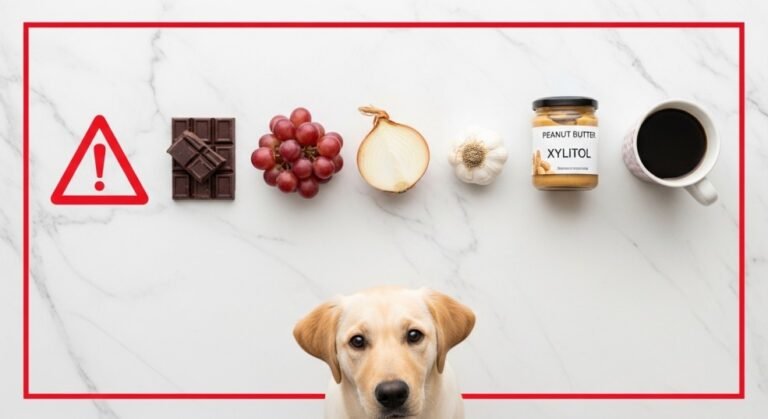
Cinnamon rolls, breads, and pastries contain ingredients that are far more dangerous than cinnamon itself . These include:
- Xylitol – Artificial sweetener that causes life-threatening low blood sugar and liver failure.
- Nutmeg – Toxic in large amounts; causes hallucinations, seizures, and disorientation .
- Raisins – Highly toxic and can cause kidney failure.
- High fat and sugar – Triggers pancreatitis and obesity .
Cinnamon Safety Comparison Table
| Form of Cinnamon | Toxic? | Main Risk | Verdict |
|---|---|---|---|
| Ground cinnamon (small amount) | No | GI upset if overfed | Safe in tiny doses (under 1 tsp) |
| Cinnamon essential oil | Yes | Liver damage, breathing issues, burns | Never feed or diffuse |
| Cinnamon sticks | No (but harmful) | Choking, mouth irritation, blockage | Avoid |
| Cinnamon rolls/baked goods | Xylitol/nutmeg can be toxic | Pancreatitis, poisoning | Never feed |
| Cinnamon cereal | No (but harmful) | High sugar, preservatives | Avoid |
How Much Cinnamon Can Dogs Eat?
Cinnamon should be an occasional addition, not a daily supplement. Treats combined should stay under 10% of your dog’s daily calorie intake .
Portion guidelines for ground cinnamon (plain, mixed into food):
Start with a tiny pinch and monitor for digestive upset. Never give more than one teaspoon even for large dogs, as this can trigger symptoms .
What to Do If My Dog Ate Too Much Cinnamon or Cinnamon Oil
If your dog ingested a large amount of ground cinnamon, cinnamon essential oil, or cinnamon sticks, take action quickly.
Step 1: Identify what was eaten
- Ground cinnamon – large quantities (over 1 teaspoon) can cause GI upset or hypoglycemia.
- Cinnamon oil – even a small amount is toxic.
- Cinnamon stick – choking or blockage risk.
- Baked goods with cinnamon – check for xylitol, nutmeg, or raisins.
Watch for symptoms
- Vomiting, diarrhea
- Coughing, difficulty breathing (inhalation or oil exposure)
- Lethargy, weakness, tremors (low blood sugar)
- Changes in heart rate
- Redness or blisters in the mouth
Call for help if needed
- Your veterinarian – especially if symptoms appear or cinnamon oil was ingested.
- ASPCA Animal Poison Control: (888) 426-4435 (fee may apply)
- Pet Poison Helpline: (855) 764-7661 (fee may apply)
Do not induce vomiting unless directed by a professional, especially if essential oils are involved.
Can Puppies Eat Cinnamon?
Puppies can have a tiny pinch of ground cinnamon, but proceed with extreme caution. Puppies have sensitive digestive systems that may react poorly to new spices. Wait until your puppy is at least 6 months old and introduce less than ⅛ teaspoon mixed into wet food. Monitor for vomiting or diarrhea. Always consult your vet before adding cinnamon to a young puppy’s diet .
Safe Alternatives to Cinnamon
If you want to add flavor or health benefits without the risks of cinnamon, try these dog-safe options:
- Plain cooked pumpkin – Great for digestion and fiber.
- Plain cooked sweet potato – Rich in vitamins and gentle on stomachs.
- Fresh blueberries – Antioxidants without the spice risks.
- Plain unsweetened applesauce (no xylitol) – Sweet and safe in small amounts.
- Plain cooked salmon – Omega-3s for skin and coat.
Frequently Asked Questions
Can dogs eat cinnamon safely?
Yes, dogs can eat small amounts of plain ground cinnamon, but it should be less than one teaspoon and mixed thoroughly into food .
Is cinnamon toxic to dogs?
Cinnamon itself is not toxic to dogs, but cinnamon essential oil is highly toxic. Large amounts of ground cinnamon can also cause serious symptoms .
Can dogs eat cinnamon rolls?
No. Cinnamon rolls contain high fat, sugar, and often xylitol, nutmeg, or raisins, all of which can cause pancreatitis or poisoning .
Can dogs eat cinnamon applesauce?
Only if it’s plain, unsweetened, and free of xylitol. Most store-bought applesauce contains added sugar or artificial sweeteners that are unsafe .
Can dogs eat cinnamon sticks?
No. Cinnamon sticks can cause mouth irritation, choking, or intestinal blockage if swallowed .
Is cinnamon oil safe for dogs?
No. Cinnamon essential oil is toxic to dogs and can cause liver damage, breathing difficulty, and skin burns. Avoid diffusing it in your home .
Can cinnamon cause liver damage in dogs?
Yes. Cinnamon contains coumarin, which can damage the liver and kidneys in large doses. This is why cinnamon should only be fed in tiny amounts occasionally .
Can dogs have cinnamon if they have diabetes?
Consult your vet first. Cinnamon may help regulate blood sugar, but it can also cause hypoglycemia if overfed, which is dangerous for diabetic dogs .
Final Word
Can dogs eat cinnamon? Yes, but only plain ground cinnamon in very small amounts. A light sprinkle mixed into food occasionally is unlikely to cause problems for most healthy dogs . However, cinnamon essential oil, sticks, and baked goods are off-limits due to toxicity, choking, and dangerous added ingredients. If you choose to offer cinnamon, start with a tiny pinch, watch for digestive upset, and never exceed the recommended serving sizes. When in doubt, skip the cinnamon and offer a safer treat like pumpkin or blueberries instead.
Veterinary Recommendation — Dr. Ubaidur Rahman, DVM
Cinnamon is generally not toxic to dogs in small amounts, but that does not mean it should be given freely. Large amounts of cinnamon powder can irritate a dog’s mouth, throat, and stomach, while inhaling the powder may cause coughing or breathing irritation. If you want to share a food containing cinnamon, keep the amount small and make sure it does not contain ingredients that are unsafe for dogs, such as xylitol.
Sources & References
- Native Pet. “Can Dogs Eat Cinnamon?”
- American Kennel Club. “Can Dogs Eat Cinnamon?”
- ManyPets. “Can dogs or cats eat cinnamon?”
- Adopt a Pet. “Can Dogs Eat Cinnamon?” (Dr. Kathryn Dench, DVM)
- Great Pet Care. “Can Dogs Have Cinnamon?” (Liz McCalley, DVM, CCRT; Catherine Barnette, DVM)
- Chewy. “Can Dogs Have Cinnamon?” (Sandra C. Mitchell, DVM, DABVP)
- PetLab Co. “Can Dogs Have Cinnamon?”
- PetMD. “Can Dogs Have Cinnamon?”
- The Dodo. “Can Dogs Eat Cinnamon?” (Dr. Jennifer Coates)
- ASPCA Animal Poison Control: (888) 426-4435
- Pet Poison Helpline: (855) 764-7661
- VCA Canada. “Essential Oil and Liquid Potpourri Poisoning in Dogs”

Michael Carter, DVM is a veterinarian and pet health writer with a strong interest in canine nutrition, preventive care, and animal wellness. He is dedicated to providing pet owners with accurate, evidence-based information that helps them make informed decisions about their dogs’ health. As an author and content reviewer, Michael combines veterinary knowledge with practical insights to ensure every article is trustworthy, informative, and easy to understand.