Can Dogs Eat Pickles or Should You Avoid Them?
Quick Answer: Pickles are not considered toxic to most dogs by themselves. However, they often contain excessive sodium, garlic, onions, spices, and preservatives that may cause health problems. Therefore, while a small accidental bite is usually not dangerous, pickles should not be offered as a regular treat.
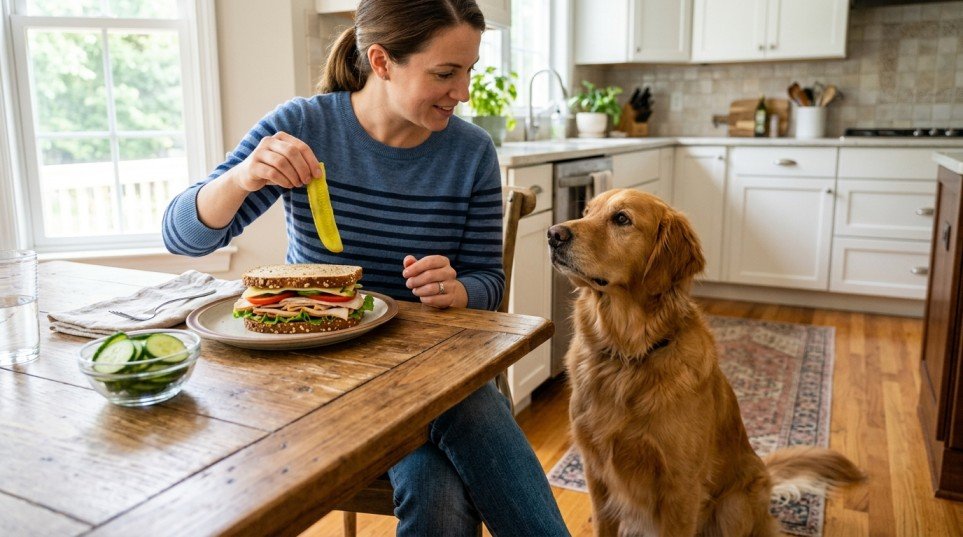
Your dog is staring at you while you enjoy a pickle spear with your sandwich, and naturally, you start wondering whether sharing a small bite would be harmless. After all, pickles are made from cucumbers, and cucumbers are generally considered safe for dogs.
However, the answer isn’t quite that simple.
While plain cucumbers are one of the healthiest vegetables dogs can eat, pickles are a completely different food. During the pickling process, cucumbers are soaked in brine and often combined with salt, garlic, onions, spices, and preservatives. As a result, a food that starts out dog-friendly can become problematic for canine health.
The good news is that most dogs who accidentally eat a small piece of plain pickle will not experience a serious emergency. The bad news is that pickles offer very few benefits for dogs while potentially exposing them to ingredients that can be harmful in larger amounts.
This guide covers everything dog owners actually search for: whether dogs can eat pickles safely, the risks of sodium and seasonings, what happens if a dog eats pickles, when to call a vet, safer alternatives, and the symptoms to watch for after ingestion.
Can Dogs Eat Pickles? The Short Answer
Dogs can technically eat a small piece of plain pickle, but veterinarians generally do not recommend feeding pickles to dogs.
The most important thing to understand is that cucumbers and pickles are not nutritionally equivalent. Although cucumbers are safe and healthy for most dogs, the ingredients added during pickling can create unnecessary risks.
Consequently, most veterinary professionals recommend skipping pickles altogether and offering fresh cucumber instead.
Why Are Pickles Potentially Problematic for Dogs?
1. High Sodium Content
The biggest concern with pickles is sodium.
Pickles are preserved in a salty brine solution. As a result, even a single pickle spear can contain far more sodium than a dog should consume from a treat.
Excess sodium can lead to:
- Increased thirst
- Excessive urination
- Dehydration
- Digestive upset
- Elevated blood pressure concerns
- Sodium ion poisoning in extreme cases
While a healthy large dog may tolerate a small amount of sodium without serious issues, smaller dogs are more vulnerable to the effects of excess salt.
Therefore, sodium content alone is enough reason to avoid making pickles a regular snack.
2. Garlic and Onion Ingredients
Many commercial pickle recipes contain garlic, onion, or both.
This is where things become more concerning.
Garlic and onions belong to the allium family, which is toxic to dogs. These ingredients can damage red blood cells and potentially contribute to anemia when consumed in sufficient quantities.
Common pickle ingredients that may be dangerous include:
- Garlic powder
- Fresh garlic
- Onion powder
- Fresh onions
- Mixed seasoning blends
Because ingredient labels vary significantly between brands, it is often difficult to know exactly what a pickle contains.
As a result, feeding pickles intentionally is generally not worth the risk.
3. Spices and Flavorings
In addition to sodium, many pickles contain spices that may irritate a dog’s digestive system.
Common examples include:
- Chili peppers
- Mustard seeds
- Pepper blends
- Hot spices
- Artificial flavorings
Although these ingredients may not always be toxic, they can contribute to:
- Vomiting
- Diarrhea
- Stomach discomfort
- Excessive gas
- Digestive irritation
Therefore, spicy pickles should always be avoided.
Are Plain Pickles Safe for Dogs?
Some pickles contain fewer ingredients than others.
For example, a basic pickle made from:
- Cucumbers
- Water
- Vinegar
- Salt
may present fewer risks than heavily seasoned varieties.
However, even plain pickles still contain significantly more sodium than fresh cucumbers.
Consequently, they provide very little nutritional benefit while introducing unnecessary salt into a dog’s diet.
Most veterinarians would still recommend choosing fresh cucumber over even the simplest pickle product.
What Happens If a Dog Eats a Pickle?
The outcome depends on several factors:
- The dog’s size
- The type of pickle
- The amount consumed
- Additional ingredients present
- Overall health status
For many dogs, eating a small pickle piece causes no symptoms at all.
However, some dogs may experience:
- Increased thirst
- Mild stomach upset
- Loose stool
- Gas
- Temporary digestive discomfort
Meanwhile, larger quantities may increase the risk of more significant symptoms.
The good news is that serious complications are uncommon after small accidental exposures.
Nevertheless, monitoring remains important.
Symptoms to Watch For After a Dog Eats Pickles
Most dogs tolerate small amounts reasonably well. However, owners should still monitor for symptoms.
Mild Symptoms
These symptoms are generally associated with digestive irritation:
- Increased thirst
- Mild diarrhea
- Soft stools
- Gas
- Minor stomach discomfort
- Temporary decrease in appetite
These signs often resolve within a day.
Moderate Symptoms
If larger amounts are consumed, symptoms may become more noticeable:
- Repeated vomiting
- Persistent diarrhea
- Excessive drooling
- Restlessness
- Abdominal discomfort
- Dehydration
At this stage, veterinary advice may be appropriate.
Severe Symptoms
Seek immediate veterinary care if you notice:
- Tremors
- Collapse
- Difficulty breathing
- Severe lethargy
- Pale gums
- Signs of poisoning
These symptoms may indicate exposure to toxic ingredients or severe electrolyte imbalances.
Can Puppies Eat Pickles?
Puppies should generally not eat pickles.
Although a tiny accidental bite may not cause serious harm, puppies are more sensitive than adult dogs.
Their smaller size means they are more vulnerable to:
- Excess sodium
- Digestive upset
- Dehydration
- Toxic ingredients
Furthermore, puppies have developing digestive systems that may react more strongly to heavily seasoned foods.
Therefore, it is best to avoid feeding pickles entirely during puppyhood.
Can Dogs Eat Dill Pickles?
Dill pickles are among the most common pickle varieties.
These pickles typically contain:
- Cucumbers
- Vinegar
- Salt
- Dill
- Garlic in some recipes
The dill itself is generally not the issue.
Instead, the concern comes from sodium levels and additional seasonings.
If garlic is present, the risk increases significantly.
Therefore, dill pickles are not considered a recommended dog treat.
Can Dogs Eat Sweet Pickles?
Sweet pickles create a different set of concerns.
In addition to sodium, they often contain:
- Added sugar
- Corn syrup
- Artificial sweeteners
- Flavoring agents
Excess sugar offers no health benefits for dogs.
Furthermore, some sweetened products may contain ingredients that upset digestion.
For these reasons, sweet pickles should also be avoided.
Can Dogs Eat Pickle Juice?
Pickle juice is actually more problematic than the pickle itself.
This is because the liquid contains concentrated amounts of:
- Salt
- Vinegar
- Spices
- Flavoring compounds
Even a small amount can cause:
- Excessive thirst
- Stomach irritation
- Digestive upset
Therefore, dogs should never intentionally be given pickle juice.
Why Fresh Cucumbers Are a Better Choice
Many owners are surprised to learn that the safest alternative is the original ingredient.
Fresh cucumbers offer:
- High water content
- Low calories
- No added sodium
- Natural crunch
- Safe hydration support
Unlike pickles, cucumbers contain none of the unnecessary additives that create concerns for dogs.
As a result, veterinarians frequently recommend cucumber as a healthy treat option.
Safer Alternatives to Pickles for Dogs
Instead of pickles, consider offering:
- Fresh cucumber slices
- Carrot sticks
- Green beans
- Celery
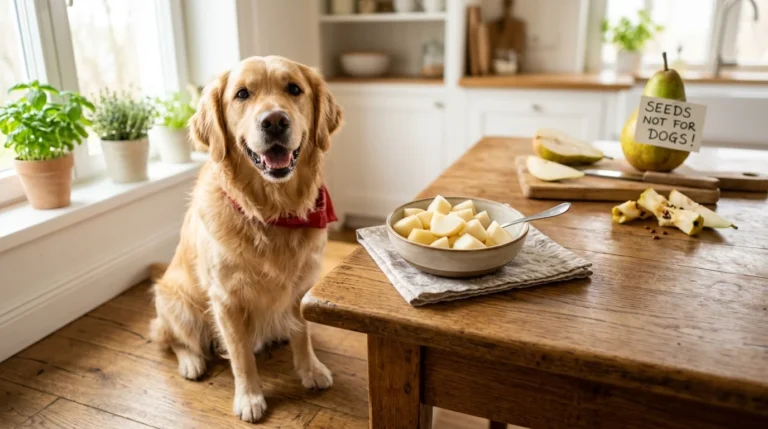
- Apple slices (without seeds)
- Dog-safe watermelon
- Commercial dog treats
These options provide better nutritional value with fewer risks.
When Should You Call a Vet?
Contact your veterinarian if:
- Your dog ate a large amount of pickles
- The product contained garlic or onions
- Your dog is a puppy
- Your dog has kidney disease
- Your dog has heart disease
- Vomiting develops repeatedly
- Severe diarrhea occurs
- Unusual symptoms appear
Additionally, if you are uncertain about the ingredients, calling your veterinarian is always the safest choice.
Pickle Safety by Dog Size
The effects of sodium and seasonings often depend on body weight.
| Dog Size | Risk Level |
|---|---|
| Under 10 lbs | Higher Risk |
| 11-30 lbs | Moderate Risk |
| 31-60 lbs | Lower Risk from small amounts |
| Over 60 lbs | Generally lower risk from tiny exposures |
Even so, larger dogs are not immune to problems caused by garlic, onions, or excessive sodium.
Therefore, size should never be viewed as a guarantee of safety.
Frequently Asked Questions About Dogs and Pickles
Can a single pickle hurt a dog?
In most cases, a single small pickle piece will not seriously harm a healthy dog. However, the ingredients matter. If garlic, onions, or excessive seasoning are present, the risk increases. Therefore, monitoring your dog after ingestion is always a good idea.
can dogs have pickles?
Pickles themselves are not typically considered toxic. However, many pickle recipes contain ingredients that can be harmful to dogs. Because garlic and onions are common additions, some pickle products may pose a genuine toxicity risk.
Can dogs eat dill pickle chips?
A small accidental dill pickle chip is unlikely to cause major problems. Nevertheless, dill pickle chips often contain significant sodium and seasonings. Therefore, they should not be offered intentionally.
What should I do if my dog ate pickles?
First, check the ingredient list if possible. Next, monitor your dog for symptoms such as vomiting, diarrhea, excessive thirst, or lethargy. If toxic ingredients like garlic or onions are present, contact your veterinarian promptly.
Can dogs drink pickle juice?
No. Pickle juice contains concentrated sodium and seasonings. Consequently, it offers no benefits and may contribute to digestive upset or dehydration.
Why can dogs eat cucumbers but not pickles?
Fresh cucumbers are naturally low in sodium and free from harmful additives. Pickles, on the other hand, contain salt, spices, and sometimes toxic ingredients. Therefore, the pickling process changes the food significantly.
Can dogs eat homemade pickles?
Homemade pickles may contain fewer additives than commercial products. However, they still typically contain salt and vinegar. As a result, fresh cucumbers remain the healthier choice.
Are sweet pickles safer than dill pickles?
Not necessarily. While sweet pickles may contain different ingredients, they often include added sugars and preservatives. Therefore, neither option is considered ideal for dogs.
are pickles good for dogs?
No, pickles are not a healthy treat for dogs. They are typically high in sodium and may contain garlic, onions, or spices that can be harmful to your dog’s health.
How to Prevent Future Pickle Incidents
- Store pickles in sealed containers.
- Keep jars away from curious pets.
- Clean up dropped pickle pieces immediately.
- Avoid feeding table scraps.
- Teach family members not to share pickles with dogs.
- Read ingredient labels carefully.
- Offer fresh cucumbers instead.
These simple habits can prevent unnecessary health concerns.
Final Word: Can Dogs Eat Pickles?
The answer is technically yes, but that does not mean they should.
While most healthy dogs can tolerate a small accidental piece of pickle without serious consequences, pickles offer virtually no benefits and several potential risks. Furthermore, the sodium content alone makes them a poor choice compared to healthier alternatives.
More importantly, many pickle products contain garlic, onions, spices, and preservatives that may create additional concerns. Therefore, even though pickles are not always toxic, they are far from an ideal dog treat.
If your dog accidentally eats a small amount, monitoring is usually sufficient. However, if large quantities are consumed or toxic ingredients are involved, veterinary guidance is the safest option.
Ultimately, fresh cucumbers provide all the crunch and hydration of pickles without the added risks. As a result, they remain the better choice for dogs.Reviewed & Recommended by Dr. Ubaidur Rahman, DVM
Veterinary Review: Dr. Ubaidur Rahman, DVM, reviewed this guide for veterinary accuracy, the ingredients commonly found in pickles, and the potential risks they may pose to dogs.
Dr. Ubaidur Rahman’s Recommendation: Pickles are generally not recommended for dogs. The high sodium content can be unhealthy, and some pickles contain garlic, onion, or other seasonings that can be harmful to dogs. If your dog eats a small piece of a plain pickle, it is usually not a reason to panic, but pickles are better avoided as a regular treat.
Sources and References
- American Kennel Club (AKC): Human Foods Dogs Can and Cannot Eat
- PetMD: Safe and Unsafe Foods for Dogs
- Merck Veterinary Manual: Canine Nutrition
- ASPCA Animal Poison Control Center
- VCA Animal Hospitals: Salt Toxicity in Dogs
- Preventive Vet: Foods Dogs Should Avoid
- World Small Animal Veterinary Association (WSAVA): Nutrition Guidelines
Discover More:-
- Can Dogs Eat Blueberries? Vet-Approved Guide 2026 ,Safe Amounts, Benefits & Risks
- Can Dogs Eat Hot Dogs? A Complete Vet-Backed Guide 2026

Michael Carter, DVM is a veterinarian and pet health writer with a strong interest in canine nutrition, preventive care, and animal wellness. He is dedicated to providing pet owners with accurate, evidence-based information that helps them make informed decisions about their dogs’ health. As an author and content reviewer, Michael combines veterinary knowledge with practical insights to ensure every article is trustworthy, informative, and easy to understand.