Can Dogs Eat Beets or Are They Bad for Dogs?
Quick Answer: Small amounts of plain cooked beets are safe for most dogs. Avoid heavily seasoned beets, pickled beets, and large portions that may cause digestive upset.
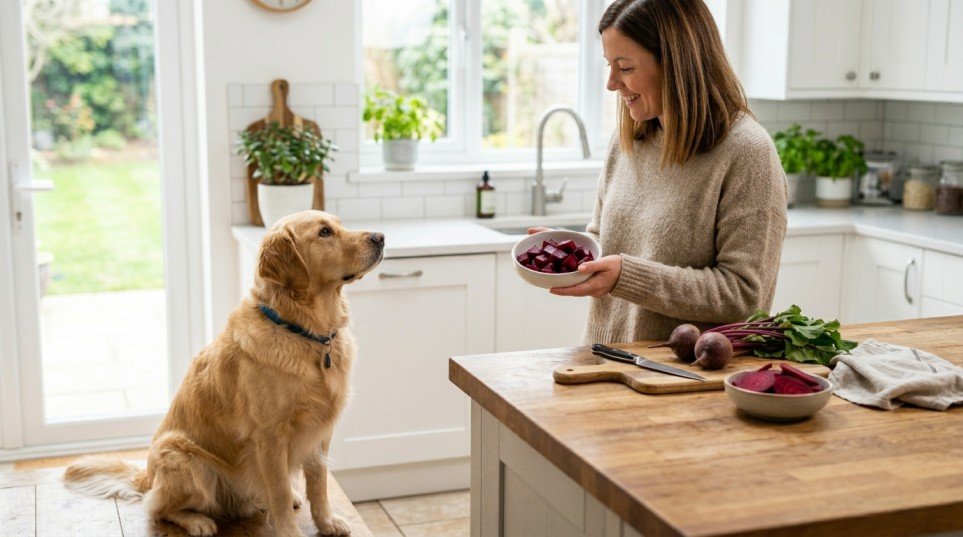
You’re chopping vegetables in the kitchen when your dog suddenly appears at your feet, giving you that look. Maybe a piece of beet falls to the floor, or perhaps you’re wondering whether beets belong on the list of dog-safe vegetables.
The good news is that beets are generally safe for dogs when served properly. In fact, they contain several nutrients that can support your dog’s overall health. However, like many healthy foods, there are important limitations. Too much beet can cause digestive upset, and some dogs should avoid them altogether.
This guide covers everything dog owners actually want to know: whether dogs can eat beets, the nutritional benefits, potential risks, raw versus cooked beets, how much is safe, and the best ways to serve them.
Can Dogs Eat Beets? The Short Answer
Yes, dogs can eat beets in moderation.
Plain, cooked beets are generally considered safe for most healthy dogs and can provide vitamins, minerals, fiber, and antioxidants. However, beets should only be offered as an occasional treat and not as a replacement for a complete and balanced dog food.
The most important thing to remember is that moderation matters. While beets contain beneficial nutrients, feeding too much can create digestive issues and unnecessary calorie intake.
Are Beets Good for Dogs?
1. Rich in Dietary Fiber
Beets contain dietary fiber that supports healthy digestion.
Fiber can help:
- Promote regular bowel movements
- Support gut health
- Improve stool quality
- Help dogs feel full longer
Moderate fiber intake is beneficial, but excessive amounts can lead to loose stools or gas.
2. Packed With Antioxidants
Beets contain naturally occurring antioxidants, including betalains, which give the vegetable its deep red color.
Antioxidants help:
- Support cellular health
- Fight oxidative stress
- Promote healthy aging
- Support immune function
These compounds are one reason beets are often considered a nutritious addition to a balanced diet.
3. Contains Important Vitamins and Minerals
Beets provide several nutrients that contribute to overall health, including:
- Folate
- Potassium
- Manganese
- Vitamin C
- Magnesium
While dogs should get most nutrients from complete dog food, small amounts from healthy vegetables can be a useful supplement.
4. Low in Fat
Unlike many human snacks, beets are naturally low in fat.
This makes them a potentially better treat option than high-fat table scraps that may contribute to obesity or digestive problems.
Nutritional Value of Beets for Dogs
Here are some of the key nutrients found in beets:
| Nutrient | Potential Benefit |
|---|---|
| Fiber | Supports digestion |
| Folate | Supports cell function |
| Potassium | Helps muscle and nerve function |
| Vitamin C | Antioxidant support |
| Manganese | Supports metabolism |
| Magnesium | Supports muscle and nerve health |
While these nutrients are beneficial, beets should remain a supplemental treat rather than a primary food source.
Can Dogs Eat Raw Beets?
Yes, dogs can eat raw beets, but caution is advised.
Raw beets are harder and more difficult to digest than cooked beets.
Potential concerns include:
- Choking hazards
- Digestive upset
- Difficulty chewing
- Intestinal irritation in sensitive dogs
If feeding raw beet, it should be washed thoroughly and cut into very small pieces.
For most dogs, cooked beets are the safer option.
Can Dogs Eat Cooked Beets?
Cooked beets are generally the best way to serve beets to dogs.
Cooking softens the vegetable and makes it easier to chew and digest.
Safe preparation methods include:
- Boiling
- Steaming
- Baking
Serve beets plain without:
- Salt
- Butter
- Garlic
- Onion
- Heavy seasonings
- Sauces
Simple preparation is always the safest choice.
Can Dogs Eat Beetroot?
Yes.
Beetroot is simply the main edible portion of the beet plant and is generally safe for dogs when served in moderation.
Most discussions about dogs eating beets refer specifically to beetroot.
The same serving guidelines and precautions apply.
Can Dogs Eat Beet Greens?
Beet greens are not considered toxic to dogs and can be eaten in small amounts.
However, they contain compounds known as oxalates.
Excessive oxalate consumption may contribute to certain urinary issues in susceptible dogs.
Because of this, beet greens should be offered only occasionally and in small portions.
Can Dogs Eat Pickled Beets?
No, pickled beets are not recommended.
Pickled products often contain:
- Excess sodium
- Vinegar
- Sugar
- Spices
- Preservatives
These ingredients may upset your dog’s digestive system and offer little nutritional benefit.
Stick with plain fresh or cooked beets instead.
Potential Risks of Feeding Beets to Dogs
Although beets are generally safe, they are not risk-free.
1. Digestive Upset
Too many beets may cause:
- Gas
- Bloating
- Loose stools
- Diarrhea
- Stomach discomfort
Dogs that are not used to high-fiber foods are particularly susceptible.
2. Red or Pink Urine and Stool
One surprising effect of eating beets is discoloration.
Some dogs may develop:
- Pink urine
- Red-tinted stool
This can be alarming for owners but is often harmless and temporary.
However, if you’re unsure whether discoloration is caused by beets or blood, contact your veterinarian.
3. Kidney Stone Concerns
Beets contain naturally occurring oxalates.
Dogs with a history of calcium oxalate bladder stones or certain urinary conditions may need to avoid high-oxalate foods.
Consult your veterinarian before feeding beets to dogs with urinary tract concerns.
4. Excess Sugar Intake
Although natural, beets do contain sugar.
Large amounts are not appropriate for:
- Heavy dogs
- Dogs with diabetes
- Dogs on calorie-restricted diets
Moderation remains important.
How Much Beet Can Dogs Eat?
Treats should generally make up no more than 10% of a dog’s daily calorie intake.
Here is a simple guideline:
| Dog Size | Suggested Serving |
|---|---|
| Under 10 lbs | 1–2 small cubes |
| 11–30 lbs | 2–4 small cubes |
| 31–60 lbs | A few tablespoons |
| Over 60 lbs | Up to ¼ cup occasionally |
Introduce beets slowly and monitor your dog for digestive reactions.
Signs Your Dog May Not Tolerate Beets
Stop feeding beets and contact your veterinarian if you notice:
- Vomiting
- Persistent diarrhea
- Severe gas
- Abdominal pain
- Excessive drooling
- Loss of appetite
- Signs of allergic reaction
Although uncommon, individual dogs can react differently to new foods.
Best Ways to Serve Beets to Dogs
Safe serving ideas include:
Plain Cooked Beet Cubes
Soft, bite-sized pieces make an easy treat.
Mixed Into Regular Food
Small amounts can be mixed with kibble or wet food.
Frozen Beet Treats
Cooked beet puree can be frozen into small portions for a refreshing snack.
Homemade Dog Treat Recipes
Beets can be incorporated into veterinarian-approved homemade treats.
Always avoid recipes containing ingredients that are unsafe for dogs.
When to Avoid Feeding Beets
Some dogs may not be good candidates for beet consumption.
Talk to your veterinarian before feeding beets if your dog has:
- Kidney disease
- Bladder stones
- Urinary tract issues
- Diabetes
- Chronic digestive disorders
- Special prescription diets
Medical conditions may require dietary restrictions that make beets inappropriate.
Frequently Asked Questions About Dogs and Beets
Can dogs eat beets every day?
Occasional small servings are generally better than daily feeding. Too much fiber and natural sugar can create digestive issues over time.
Can puppies eat beets?
Yes, puppies can eat small amounts of cooked beet. Introduce new foods gradually and ensure they remain a very small part of the puppy’s diet.
Are canned beets safe for dogs?
Canned beets often contain added sodium and preservatives. Fresh cooked beets are typically the better choice.
Can dogs eat beet chips?
Most commercial beet chips are not recommended because they may contain added salt, oils, or seasonings.
Why is my dog’s poop red after eating beets?
Beets can naturally tint stool red or pink. This effect is usually harmless and temporary.
Can diabetic dogs eat beets?
Because beets contain natural sugars, diabetic dogs should only consume them with veterinary approval.
Are beets toxic to dogs?
No. Plain beets are not considered toxic to dogs. Problems usually arise from overfeeding or serving beets with unsafe ingredients.
How to Safely Introduce Beets to Your Dog
- Start with a very small amount.
- Choose plain cooked beet.
- Monitor for digestive upset.
- Avoid seasoning and additives.
- Feed as an occasional treat.
- Adjust portions based on your dog’s size.
Introducing new foods gradually helps reduce the risk of stomach upset.
Final Word: Beets Can Be a Healthy Treat When Served Correctly
Beets are one of many vegetables that dogs can safely enjoy in moderation. They provide fiber, antioxidants, vitamins, and minerals while remaining relatively low in fat.
However, beets are not a superfood miracle, nor should they replace a balanced canine diet. Too much can lead to digestive upset, and certain dogs with urinary or kidney conditions may need to avoid them.
For most healthy dogs, plain cooked beets served occasionally make a safe and nutritious treat. If your dog has a medical condition or special dietary needs, check with your veterinarian before adding beets to their menu.
Reviewed & Recommended by Dr. Ubaidur Rahman, DVM
Veterinary Review: Dr. Ubaidur Rahman, DVM, reviewed this guide for the safety, preparation, and nutritional considerations of feeding beets to dogs.
Dr. Ubaidur Rahman’s Recommendation: Plain, cooked beets can generally be given to healthy dogs in small amounts. Beets provide fiber and several nutrients, but they are not necessary for a dog’s diet and may cause digestive upset if given in large quantities. Serve them plain, without salt, butter, spices, or other seasonings.
Sources and References
- American Kennel Club (AKC): Vegetables Dogs Can Eat
- PetMD: Safe Vegetables for Dogs
- Merck Veterinary Manual: Canine Nutrition Guidelines
- VCA Animal Hospitals: Human Foods for Dogs
- Tufts University Cummings Veterinary Center: Pet Nutrition Resources
- World Small Animal Veterinary Association (WSAVA): Nutrition Guidelines
- American Veterinary Medical Association (AVMA): Healthy Treat Recommendations
Discover More:-
- Can Dogs Eat Papaya? Benefits, Risks, and Safe Serving Guide 2026
- Can Dogs Eat Fish? Safe Types, Benefits, Risks, and Feeding Guide 2026

Michael Carter, DVM is a veterinarian and pet health writer with a strong interest in canine nutrition, preventive care, and animal wellness. He is dedicated to providing pet owners with accurate, evidence-based information that helps them make informed decisions about their dogs’ health. As an author and content reviewer, Michael combines veterinary knowledge with practical insights to ensure every article is trustworthy, informative, and easy to understand.