Can Chickens Eat Dog Food? Is It Safe or Harmful? (Vet-Reviewed Guide) 2026
Quick Answer: Small amounts of dog food are generally safe for healthy chickens and can provide extra protein. However, dog food should only be considered an occasional supplement. A complete poultry feed should always remain the primary source of nutrition.
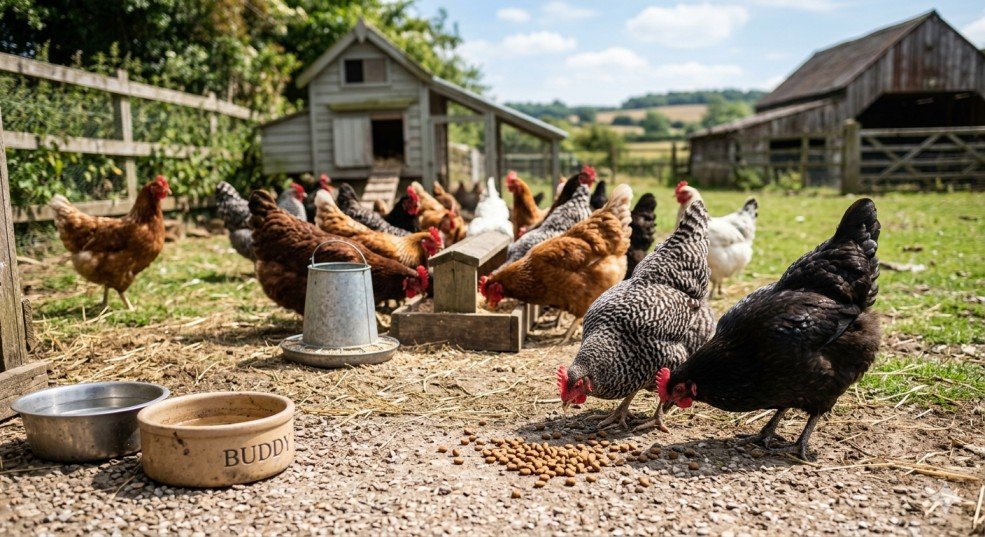
You’re feeding your dog when a few curious chickens wander over and start pecking at the kibble scattered on the ground. Naturally, many chicken owners begin asking the same question: can chickens eat dog food?
The short answer is yes. Chickens can eat dog food, and in small amounts, it is unlikely to cause harm. In fact, many poultry keepers occasionally use dog food as a temporary protein supplement, especially during molting season or periods of increased nutritional demand.
However, that does not mean dog food should become a regular part of a chicken’s diet. While dog food contains protein, fats, vitamins, and minerals, it was specifically formulated for dogs rather than poultry. Therefore, feeding too much dog food or using it as a replacement for balanced chicken feed can create nutritional imbalances and health problems.
This guide answers everything chicken owners commonly search online: whether chickens can safely eat dog food, the potential benefits, possible risks, feeding limits, dry versus wet dog food, baby chicks and dog food, and when you should avoid feeding it altogether.
Can Chickens Eat Dog Food? The Short Answer
Yes, chickens can eat dog food in moderation.
More importantly, chickens require a specific balance of nutrients to support egg production, feather development, growth, and overall health. Because dog food is formulated for canine nutritional needs, it cannot provide the ideal nutrient profile chickens require on a long-term basis.
Therefore, while a few pieces of kibble are usually not a problem, relying heavily on dog food can eventually create feeding issues.
Why Would Chickens Eat Dog Food?
1. Chickens Naturally Seek Protein Sources
First and foremost, chickens are natural foragers.
In addition to seeds and grains, chickens regularly consume:
- Insects
- Worms
- Beetles
- Small reptiles
- Larvae
- Various protein-rich foods
As a result, the protein smell in dog food often attracts them immediately.
Because dog food contains meat-based ingredients, many chickens eagerly eat it whenever it becomes available.
2. Dog Food Contains High Levels of Protein
Another reason chickens enjoy dog food is its protein content.
Most commercial dog foods contain between 18% and 30% protein.
Consequently, chickens may find dog food especially appealing during periods when their bodies need additional protein, such as:
- Molting
- Feather regrowth
- Egg production
- Recovery from stress
However, while extra protein can be beneficial, excessive protein intake may create nutritional imbalances over time.
3. Chickens Are Opportunistic Eaters
Chickens rarely ignore a potential food source.
Instead, they investigate almost anything edible they encounter.
Therefore, if dog food is left within reach, chickens will often sample it regardless of whether they actually need the nutrients it contains.
Is Dog Food Good for Chickens?
The answer depends on how it is used.
Potential Benefits
When fed occasionally and in small amounts, dog food may provide several benefits.
These include:
- Additional protein
- Extra calories during cold weather
- Support during molting
- Temporary nutritional supplementation
- Increased energy intake
Furthermore, some backyard chicken keepers use dog food during feather replacement periods because protein requirements increase significantly during molting.
Important Limitation
However, these benefits only apply when dog food is offered as a supplement.
Once dog food begins replacing balanced poultry feed, the disadvantages quickly outweigh the benefits.
Therefore, moderation is essential.
Why Dog Food Should Not Replace Chicken Feed
1. Different Nutritional Requirements
The biggest issue involves nutritional balance.
Dogs and chickens have completely different dietary needs.
Dog food is formulated for:
- Canine metabolism
- Muscle maintenance
- Dog-specific vitamin requirements
- Dog-specific mineral requirements
Meanwhile, chickens require nutrition that supports:
- Eggshell formation
- Feather growth
- Bone health
- Reproductive function
- Poultry digestion
Because of these differences, dog food cannot serve as a complete poultry diet.
2. Calcium Levels Are Often Too Low
Laying hens require significant calcium intake.
Calcium supports:
- Eggshell formation
- Bone strength
- Muscle function
Most dog foods contain far less calcium than laying hens need.
Consequently, excessive dog food consumption may contribute to:
- Thin eggshells
- Soft-shelled eggs
- Reduced egg production
- Calcium deficiencies
3. Fat Levels May Be Too High
Many dog foods contain higher fat levels than chickens typically require.
While occasional fat intake is not harmful, excessive consumption may contribute to:
- Obesity
- Reduced laying performance
- Poor flock health
Therefore, dog food should never become a major calorie source for poultry.
Can Chickens Eat Dry Dog Food?
Yes, chickens can eat dry dog food.
In fact, dry kibble is the most common form consumed by chickens.
However, there are several considerations.
Large kibble pieces may be difficult for smaller birds to eat.
Therefore, some owners choose to:
- Crush the kibble
- Soak it briefly
- Offer smaller varieties
Additionally, fresh water should always be available whenever dry foods are offered.
Can Chickens Eat Wet Dog Food?
Yes, but extra caution is necessary.
Wet dog food spoils much faster than dry kibble.
As a result, uneaten portions may attract:
- Flies
- Rodents
- Ants
- Harmful bacteria
Therefore, any leftover wet dog food should be removed promptly.
Furthermore, wet food should only be provided in small amounts that chickens can finish quickly.
Can Baby Chicks Eat Dog Food?
This is where additional caution becomes important.
Young Chicks Have Specialized Needs
Baby chicks require carefully balanced starter feed.
Starter feed contains nutrient levels specifically designed for:
- Growth
- Bone development
- Organ development
- Immune system support
Consequently, dog food should not replace chick starter feed.
Occasional Exposure
If a chick accidentally pecks at a small amount of dog food, serious problems are unlikely.
However, regular feeding is not recommended.
For best results, chicks should receive high-quality starter feed designed specifically for poultry.
How Much Dog Food Can Chickens Eat?
The amount matters significantly.
As a general guideline:
| Chicken Type | Suggested Limit |
|---|---|
| Chicks | Avoid regular feeding |
| Growing Pullets | Very small occasional amounts |
| Adult Chickens | Occasional supplement only |
| Laying Hens | Limited supplemental feeding |
A useful rule is that treats and supplemental foods should generally make up less than 10% of a chicken’s overall diet.
Therefore, at least 90% of daily nutrition should still come from complete poultry feed.
What Happens If Chickens Eat Too Much Dog Food?
Excessive dog food consumption may create several problems.
Nutritional Imbalances
First, chickens may consume fewer nutrients from their balanced feed.
As a result, deficiencies can develop over time.
Reduced Egg Production
Additionally, laying hens may experience:
- Fewer eggs
- Poor shell quality
- Reduced laying consistency
Weight Gain
Furthermore, extra calories and fat may contribute to obesity.
Heavy hens often experience reduced productivity and health complications.
Digestive Upset
In some cases, chickens may develop:
- Loose droppings
- Digestive discomfort
- Reduced appetite
Fortunately, these issues usually resolve once feeding practices return to normal.
When Can Dog Food Be Helpful for Chickens?
There are certain situations where small amounts may provide benefits.
During Molting
Molting is one of the most common reasons chicken keepers offer extra protein.
During this period, chickens require nutrients to replace feathers.
Therefore, a small amount of dog food may help support feather regrowth.
During Winter
Cold weather increases calorie demands.
Consequently, occasional supplemental protein and calories may be beneficial.
Recovery Periods
After illness or stress, additional nutrition may sometimes be helpful.
However, veterinary guidance is always preferable when health concerns are involved.
Foods Better Than Dog Food for Protein Supplementation
Although dog food can provide protein, several alternatives are often more appropriate.
Examples include:
- Mealworms
- Black soldier fly larvae
- Scrambled eggs
- Fish meal
- Poultry supplements
- High-protein chicken feeds
These options are generally better suited to poultry nutritional needs.
Signs Dog Food Is Causing Problems
Watch for:
- Weight gain
- Reduced egg production
- Thin eggshells
- Digestive upset
- Reduced feed consumption
- Changes in flock behavior
If these signs appear, reduce supplemental feeding and return focus to complete poultry feed.
Frequently Asked Questions About Chickens Eating Dog Food
Can chickens eat dog food every day?
Although chickens can technically eat dog food daily, it is not recommended. Dog food lacks the nutritional balance required for poultry health and egg production. Therefore, it should remain an occasional supplement rather than a regular feeding practice.
Is dry dog food safe for chickens?
Yes, dry dog food is generally safe when offered in moderation. However, chickens should still receive the majority of their nutrition from complete poultry feed. Additionally, fresh water should always be available.
Can laying hens eat dog food?
Yes, laying hens can eat small amounts of dog food. However, because dog food typically contains lower calcium levels than laying feed, excessive consumption may negatively affect eggshell quality and laying performance.
Can chickens eat puppy food?
Chickens can eat small amounts of puppy food. However, puppy food is formulated specifically for growing dogs and should not replace poultry feed. Therefore, it should only be offered occasionally.
Why do chickens like dog food?
Chickens are naturally attracted to protein-rich foods. Because dog food often contains meat-based ingredients and strong aromas, many chickens find it highly appealing.
Can dog food increase egg production?
Not directly. While additional protein may help chickens during certain periods, balanced layer feed remains the most effective way to support consistent egg production.
What happens if chickens accidentally eat dog food?
In most cases, nothing serious happens. Healthy chickens can usually tolerate small amounts without problems. However, repeated feeding or excessive consumption may eventually create nutritional imbalances.
Is wet dog food better than dry dog food for chickens?
Not necessarily. Wet dog food spoils more quickly and can attract pests. Therefore, if dog food is offered, dry kibble is generally the safer option.
How to Safely Feed Dog Food to Chickens
- Use dog food only as an occasional supplement.
- Keep complete poultry feed available at all times.
- Limit supplemental feeding.
- Monitor flock health regularly.
- Remove uneaten wet food promptly.
- Provide fresh water continuously.
- Watch for changes in egg production or behavior.
Following these guidelines helps reduce potential risks while maintaining proper poultry nutrition.
Final Word: Can Chickens Eat Dog Food?
The answer is yes, chickens can eat dog food, and small amounts are generally safe for healthy birds.
However, dog food should never replace balanced poultry feed. While it can provide extra protein and calories, it was formulated specifically for dogs rather than chickens. Consequently, relying on dog food too heavily may contribute to nutritional deficiencies, reduced egg production, and long-term health concerns.
When used occasionally and in moderation, dog food can serve as a supplemental protein source. Nevertheless, complete poultry feed should always remain the foundation of a healthy chicken diet.
Reviewed & Recommended by Dr. Ubaidur Rahman, DVM
Veterinary Review: Dr. Ubaidur Rahman, DVM, reviewed this guide for the nutritional and safety considerations of chickens eating dog food.
Dr. Ubaidur Rahman’s Recommendation: Chickens can eat a small amount of dog food occasionally, but it should not replace a properly balanced chicken feed. Dog food is formulated to meet the nutritional needs of dogs, not chickens, so regular or large amounts may provide an inappropriate balance of nutrients for poultry. If chickens get into dog food, a small amount is unlikely to cause a problem, but their normal diet should remain a quality feed formulated specifically for chickens.
Sources and References
- University Poultry Extension Programs
- Merck Veterinary Manual: Backyard Poultry Nutrition
- PoultryDVM Nutrition Resources
- USDA Backyard Poultry Guidelines
- American Poultry Association Feeding Recommendations
- Penn State Extension Poultry Nutrition Resources
- Poultry Keeper Feeding and Management Guidelines
Discover More:-
- Can Dogs Eat Egg Shells? Benefits, Risks, and Safe Feeding Guide 2026
- Can Dogs Eat Nuts? Safe Nuts, Toxic Nuts, and Vet Advice 2026
Michael Carter, DVM is a veterinarian and pet health writer with a strong interest in canine nutrition, preventive care, and animal wellness. He is dedicated to providing pet owners with accurate, evidence-based information that helps them make informed decisions about their dogs’ health. As an author and content reviewer, Michael combines veterinary knowledge with practical insights to ensure every article is trustworthy, informative, and easy to understand.