Why Do Dogs Eat Grass? Vet-Approved Reasons & Safety Tips
Quick Ans: Dogs eat grass for many reasons, and most of the time it’s completely normal. Studies show that fewer than 25% of dogs vomit after eating grass, and only about 10% show signs of illness beforehand . This means your dog probably isn’t sick—they might just like the taste, need more fiber, or be bored.
Key Takeaways
- Normal behavior – Grass eating is common and natural. Surveys show up to 79% of dogs with access to grass eat it .
- Not usually about sickness – Most dogs eat grass and don’t throw up. The idea that they’re self-medicating is largely a myth .
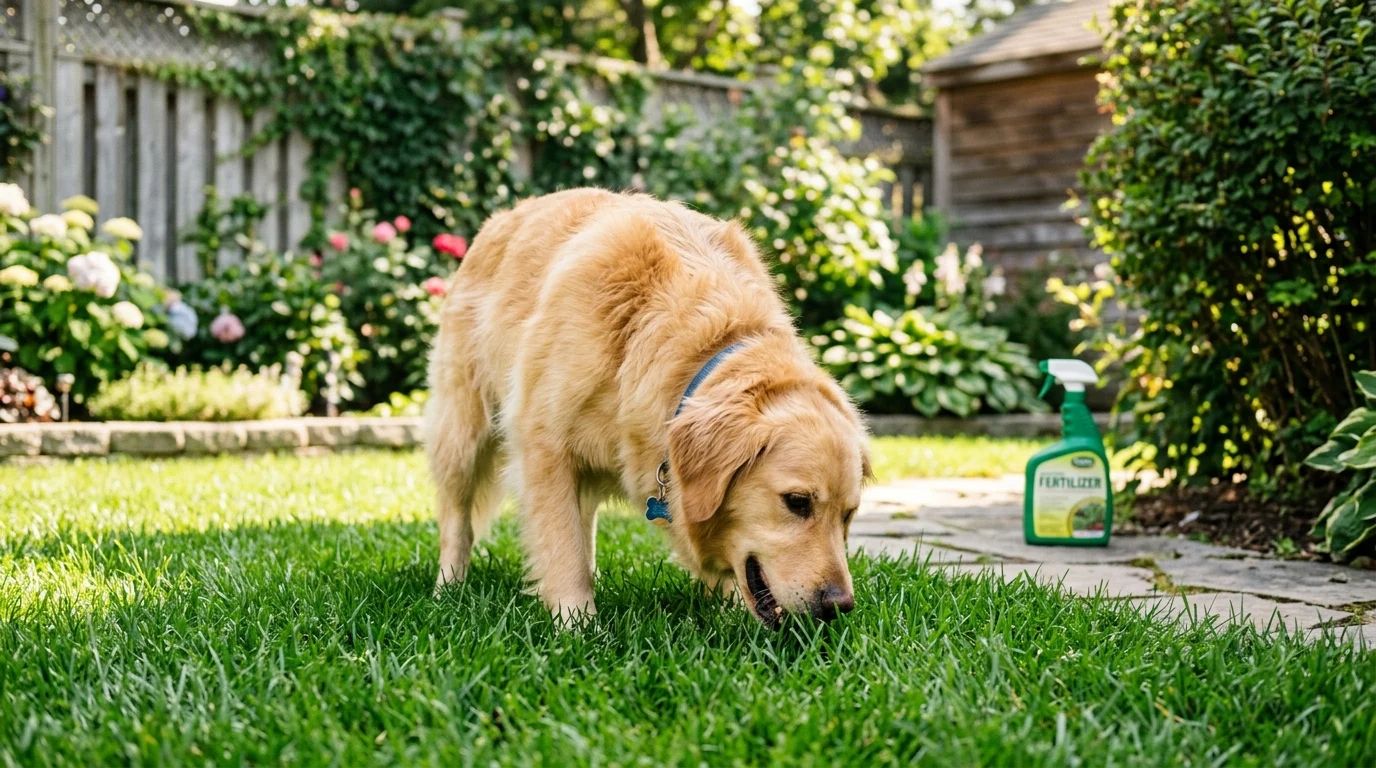
- Safety first – The grass itself isn’t the problem—pesticides, fertilizers, and parasites are. Always monitor what your dog is eating .
You let your dog out into the backyard, and instead of doing their business, they start munching on the lawn like a tiny cow. It’s a scene that puzzles and worries countless dog owners. Is your dog sick? Bored? Missing something in their diet? The short answer is that grass eating is usually harmless, but there are several distinct reasons your dog might be doing it. Here’s what veterinary science says.
6 Reasons Why Dogs Eat Grass
1. A Natural Instinct
Your dog’s ancestors didn’t eat kibble. Wild canids balanced their diets by consuming entire prey animals, including the stomach contents, which often contained grass and plants . Grass eating has been observed in wild dogs and wolves, suggesting it’s an evolutionary holdover . Modern dogs may be acting on this deep-seated instinct to scavenge for plant material .
2. They Need More Fiber
Grass is a source of roughage or fiber, which helps move food through the digestive tract . Some researchers believe dogs eat grass to supplement their diet with fiber that may be lacking . One published case study describes a miniature poodle that ate grass and vomited daily for seven years. After switching to a high-fiber diet, the dog stopped eating grass entirely . This suggests that for some dogs, grass grazing is a sign that their digestive system needs more roughage .
3. Boredom or Lack of Stimulation
Sometimes, a dog is simply bored. If they’re left alone in the yard for long periods, grass can become a way to pass the time . Eating grass may also be a way to get their owner’s attention . Chewing on grass can also release endorphins and increase blood sugar, acting as a self-soothing behavior for stressed or anxious dogs .
4. They Just Like the Taste
Sometimes the simplest explanation is the right one. Your dog may simply enjoy the taste and texture of grass, especially in spring when new growth is sweeter . Dogs are omnivores, so eating plants is a natural part of their diet . They might even be attracted to it because they’re thirsty .
5. An Upset Stomach (Antacid Effect)
This is the most common theory, but it’s often misunderstood. While some dogs do eat grass and vomit, research suggests they aren’t usually sick beforehand . However, a dog with an empty stomach may have a buildup of irritating bile. In these cases, eating grass can trigger vomiting, which releases the bile and provides relief—similar to a person taking an antacid . If your dog frantically eats grass and throws up yellow foam first thing in the morning, this could be the reason .
6. Pica (Nutritional or Behavioral Issue)
In some cases, eating grass is a form of pica—the compulsive eating of non-food items . While rare in dogs on balanced diets, pica can sometimes be caused by a nutritional deficiency . It can also be a behavioral sign of anxiety or an underlying medical condition .
Is It Safe for Dogs to Eat Grass?
Occasional grass grazing is generally safe. However, there are three key risks to watch for:
1. Pesticides and Herbicides
Lawn chemicals are highly toxic. Never let your dog eat grass from areas that have been treated with fertilizers, weed killers, or insecticides .
2. Intestinal Parasites
Grass can harbor worm eggs or larvae from other animals’ feces. Dogs who eat grass can pick up hookworms or roundworms. Regular parasite prevention is essential .
3. Dangerous Plants
Make sure your dog is only eating lawn grass. Many houseplants and garden plants (like lilies, ivy, and daffodils) are toxic .
When to Call Your Vet
You don’t need to worry about occasional grazing. But you should consult your veterinarian if:
- Grass eating becomes excessive or compulsive.
- Your dog vomits after eating grass frequently.
- Your dog shows other signs of illness (lethargy, diarrhea, loss of appetite, weight loss) .
- You see signs of a stuck blade of grass, such as gagging, drooling, or wheezing .
Can Puppies Eat Grass?
Puppies are more prone to eating grass due to their natural curiosity and exploratory behavior . While usually harmless, sudden increases in grass eating can sometimes indicate a health change in a growing dog. Always monitor your puppy and consult your vet if the behavior is accompanied by symptoms like vomiting or diarrhea .
How to Stop Your Dog From Eating Grass
If you’re worried about the behavior, try these vet-recommended strategies:
- Feed smaller, more frequent meals – If your dog’s stomach is empty, a morning snack can prevent bile buildup and reduce frantic grass eating .
- Increase exercise and play – Reduce boredom by providing more walks and interactive toys .
- Try a higher-fiber food – Ask your vet if switching to a food with more fiber could satisfy your dog’s grazing instinct .
- Teach the “leave it” command – Redirect your dog’s attention with a treat when they try to eat grass .
Frequently Asked Questions
Is it normal for dogs to eat grass?
Yes. Surveys show that the majority of dogs eat grass at some point. Most experts consider it a normal, natural behavior .
Why do dogs eat grass and then throw up?
While some dogs vomit after eating grass, studies show that less than 25% do so regularly . Vomiting is sometimes caused by the grass blades tickling the throat or by an empty stomach with irritating bile .
Should I let my dog eat grass?
Occasional grazing is usually fine as long as the grass is free from pesticides, herbicides, and animal waste. However, if your dog eats grass frequently or compulsively, it’s best to consult your vet .
Does eating grass mean my dog is sick?
Usually not. Research shows that fewer than 10% of dogs show signs of illness before eating grass . However, if your dog suddenly starts eating grass excessively and shows other symptoms, a vet visit is recommended.
Can dogs get worms from eating grass?
Yes. Grass can be contaminated with worm eggs or larvae from other animals’ droppings. This is why regular parasite prevention is so important .
Why do dogs eat grass when they have an upset stomach?
The theory is that dogs eat grass to irritate their stomach lining and induce vomiting as a form of relief. It can also help release irritating bile from an empty stomach .
How can I get my dog to stop eating grass?
You can reduce grass eating by feeding smaller, more frequent meals, increasing exercise and mental stimulation, providing a high-fiber diet, and using the “leave it” command .
Do dogs eat grass because they need more fiber?
In some cases, yes. Grass provides roughage, and some studies show that increasing fiber in a dog’s diet can stop grass eating behavior .
Final Word
So, why do dogs eat grass? The answer is rarely as dramatic as you might fear. Most of the time, your dog is acting on instinct, looking for a little extra fiber, or simply enjoying the taste. It’s usually a normal, harmless behavior. The real danger isn’t the grass itself—it’s the chemicals on it and the parasites that might be lurking within it. Keep an eye on your dog’s overall health, keep their parasite prevention up to date, and don’t panic over a little grazing. However, if their habit becomes obsessive or is paired with signs of illness, a trip to the vet is always the safest bet.
Veterinary Recommendation — Dr. Ubaidur Rahman, DVM
If your dog occasionally eats a small amount of untreated grass and otherwise acts normally, there is generally no need to stop them every time. The bigger concern is what may be on the grass. Avoid areas treated with herbicides, pesticides, fertilizers, or other chemicals, and discourage your dog from eating large amounts. If grass eating becomes excessive or is accompanied by repeated vomiting, stomach problems, or changes in appetite, I recommend discussing it with your veterinarian to rule out an underlying issue.
Sources & References
- Bondi Vet. “Why Dogs Eat Grass and What It Means.”
- Arden Grange. “Is grass eating natural behaviour?”
- Petsecure. “Why is my dog eating grass?”
- WebMD. “Why Do Dogs Eat Grass?”
- Royal Kennel Club. “Why does my dog eat grass?”
- PETBOOK. “Why Dogs Eat Grass–and When Owners Should Be Cautious.”
- New Scientist. “Why do dogs eat grass?”
- VCA Canada. “Why Dogs Eat Grass.”
- American Kennel Club. “Why Does My Dog Eat Grass?”
- DoveLewis Animal Hospital. “My dog is always trying to eat grass in our lawn.”
- Zoetis Petcare. “Why Do Dogs Eat Grass?”
- Hill’s Pet Nutrition. “Why Does My Dog Eat Grass?”

Michael Carter, DVM is a veterinarian and pet health writer with a strong interest in canine nutrition, preventive care, and animal wellness. He is dedicated to providing pet owners with accurate, evidence-based information that helps them make informed decisions about their dogs’ health. As an author and content reviewer, Michael combines veterinary knowledge with practical insights to ensure every article is trustworthy, informative, and easy to understand.