
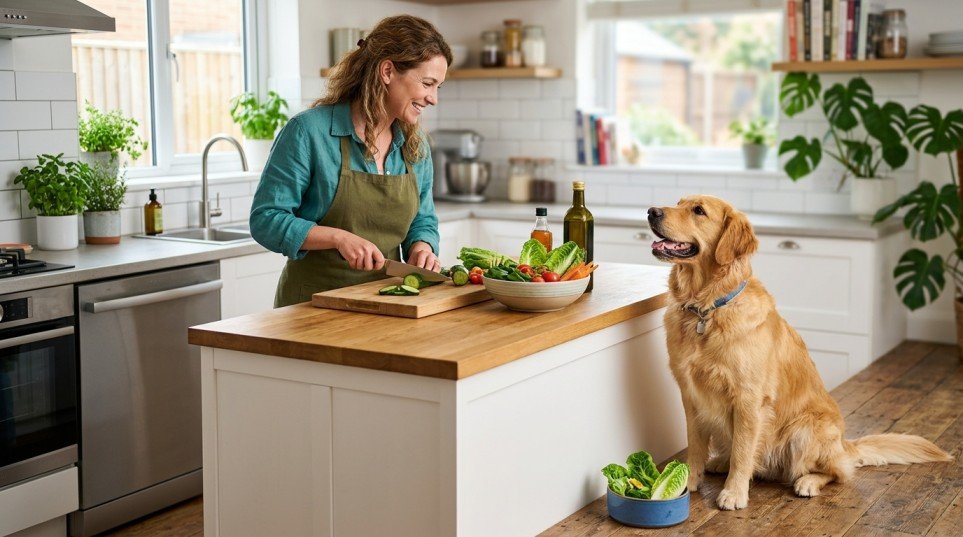
Can Dogs Eat Lettuce? The Complete Safety & Nutrition Guide
Quick Answer: Romaine, iceberg, butterhead, and green leaf lettuce are generally safe for dogs. Lettuce is low in calories, contains water and fiber, and can be a healthy occasional treat. However, lettuce should never replace a complete and balanced dog diet.
You’re making a salad, and your dog is staring at you like they’ve never been fed before. You drop a piece of lettuce on the floor, and before you can pick it up, it’s gone.
Now you’re wondering: can dogs eat lettuce safely?
The short answer is yes. Lettuce is generally safe for dogs and can even be a healthy, low-calorie snack. However, not every dog reacts the same way, and there are a few important things owners should know before regularly adding lettuce to their dog’s diet.
This guide covers everything dog owners are searching for: whether lettuce is safe, nutritional benefits, potential risks, how much dogs can eat, the best types of lettuce, serving recommendations, and answers to the most common questions about feeding lettuce to dogs.
Can Dogs Eat Lettuce? The Short Answer
Yes, dogs can eat lettuce in moderation.
Most varieties of lettuce are non-toxic and safe for dogs when served plain, washed thoroughly, and cut into manageable pieces.
The biggest concern with lettuce isn’t toxicity. It’s digestive upset or choking if large pieces are swallowed without chewing properly.
For most healthy dogs, a small amount of plain lettuce is perfectly safe.
Is Lettuce Good for Dogs?
1. Low in Calories
One reason many pet owners offer lettuce is its extremely low calorie content.
Dogs that are heavy or on a weight-management plan may benefit from low-calorie treats instead of higher-fat snacks.
A few pieces of lettuce can satisfy a dog’s desire to chew without adding many extra calories.
2. High Water Content
Many lettuce varieties contain over 90% water.
This makes lettuce:
- Hydrating
- Refreshing
- Low in calories
- Useful during warm weather
While lettuce should not replace drinking water, its moisture content can contribute to overall hydration.
3. Contains Fiber
Fiber supports healthy digestion and normal bowel movements.
Small amounts of dietary fiber may help:
- Promote digestive regularity
- Support gut health
- Increase feelings of fullness
Too much fiber, however, may lead to loose stools or stomach upset.
4. Provides Vitamins and Minerals
Lettuce contains small amounts of:
- Vitamin A
- Vitamin K
- Folate
- Potassium
- Antioxidants
While dogs should receive most nutrients from their regular food, lettuce can contribute small nutritional benefits.
Types of Lettuce Dogs Can Eat
Not all lettuce varieties are identical, but most common types are safe.
| Type of Lettuce | Safe for Dogs? | Notes |
|---|---|---|
| Romaine Lettuce | Yes | Most nutritious option |
| Iceberg Lettuce | Yes | High water, fewer nutrients |
| Green Leaf Lettuce | Yes | Good source of vitamins |
| Red Leaf Lettuce | Yes | Contains antioxidants |
| Butterhead Lettuce | Yes | Soft and easy to chew |
All of these varieties can be safely offered when served plain and washed thoroughly.
Romaine Lettuce vs. Iceberg Lettuce for Dogs
This is one of the most common questions dog owners ask.
Romaine Lettuce
Romaine is generally considered the better option because it contains:
- More vitamins
- More minerals
- More fiber
- More antioxidants
It offers greater nutritional value while remaining low in calories.
Iceberg Lettuce
Iceberg lettuce is safe but less nutritious.
Its benefits mainly come from:
- High water content
- Crunchy texture
- Low calorie count
While iceberg isn’t harmful, romaine provides more nutritional benefits.
Potential Benefits of Feeding Lettuce to Dogs
When served appropriately, lettuce may offer several advantages.
Weight Management Support
Because lettuce is low in calories, it can be used as an occasional alternative to calorie-dense treats.
Many dogs enjoy the crunch without realizing they’re eating a vegetable.
Mental Stimulation
Crunchy vegetables can provide enrichment and chewing satisfaction.
Some dogs enjoy the texture of lettuce, especially larger leafy varieties.
Healthy Treat Alternative
Replacing some commercial treats with vegetables may help reduce excess calorie intake.
Lettuce can be part of a healthier treat routine when combined with other dog-safe foods.
Additional Hydration
Lettuce contains significant moisture that may contribute to hydration, particularly during warmer months.
Risks of Feeding Lettuce to Dogs
Although lettuce is generally safe, there are still a few potential concerns.
1. Digestive Upset
Introducing any new food too quickly can upset a dog’s stomach.
Symptoms may include:
- Gas
- Loose stools
- Mild diarrhea
- Stomach discomfort
Dogs with sensitive digestive systems may be more likely to experience these issues.
2. Choking Hazard
Large lettuce leaves can sometimes be swallowed without adequate chewing.
This risk is greatest in:
- Small dogs
- Fast eaters
- Puppies
Cutting lettuce into smaller pieces reduces this risk significantly.
3. Pesticide Residue
Like many vegetables, lettuce may contain pesticide residues if not washed properly.
Always rinse lettuce thoroughly before feeding it to your dog.
Washing removes dirt, bacteria, and many surface contaminants.
4. Salad Ingredients Can Be Dangerous
The lettuce itself is usually safe.
The ingredients commonly added to salads often are not.
Potentially harmful additions include:
- Onions
- Garlic
- Certain dressings
- Excess salt
- Croutons with seasoning
- Avocado-based toppings
Dogs should only receive plain lettuce without added ingredients.
How Much Lettuce Can Dogs Eat?
Moderation is important.
A good rule is that treats should make up no more than 10% of a dog’s daily calorie intake.
General serving guidelines:
Small Dogs (Under 20 lbs)
- 1–2 small lettuce pieces
Medium Dogs (20–50 lbs)
- Several bite-sized pieces
Large Dogs (Over 50 lbs)
- A small handful of chopped lettuce
Lettuce should be considered an occasional snack rather than a meal component.
Best Ways to Serve Lettuce to Dogs
Raw Lettuce
Raw lettuce is the most common option.
Benefits include:
- Crunchy texture
- High water content
- Minimal calorie load
Wash thoroughly and chop before serving.
Chopped Lettuce
Chopping reduces choking risk and makes digestion easier.
This is often the safest option for small dogs.
Mixed With Dog Food
Some owners mix small amounts of lettuce into regular meals.
This can add variety without significantly changing the nutritional balance.
Frozen Lettuce Pieces
During hot weather, chilled or lightly frozen lettuce can provide a refreshing snack.
Many dogs enjoy the extra crunch.
Can Puppies Eat Lettuce?
Yes, puppies can eat lettuce in small amounts.
However, puppies have more sensitive digestive systems than adult dogs.
When introducing lettuce:
- Start with a very small amount
- Watch for digestive changes
- Cut into tiny pieces
- Avoid overfeeding
Puppies should still receive the vast majority of their nutrition from a complete puppy diet.
Can Dogs Eat Lettuce Every Day?
Technically, many dogs can eat small amounts of lettuce daily.
However, daily feeding is not necessary.
Lettuce works best as:
- An occasional treat
- A low-calorie snack
- A supplemental vegetable
A balanced dog food should remain the foundation of your dog’s nutrition.
When Lettuce Might Not Be a Good Choice
Certain dogs may not tolerate lettuce well.
Use caution if your dog has:
- Chronic digestive issues
- Inflammatory bowel disease
- Frequent diarrhea
- Food sensitivities
- Recent gastrointestinal illness
If symptoms occur after feeding lettuce, discontinue use and consult your veterinarian.
Signs Your Dog Ate Too Much Lettuce
Most cases are mild.
Symptoms may include:
- Excessive gas
- Loose stool
- Mild diarrhea
- Temporary stomach discomfort
- Increased bowel movements
These signs typically resolve on their own once the digestive system processes the extra fiber.
Contact your veterinarian if symptoms become severe or persist.
Frequently Asked Questions About Dogs and Lettuce
Can dogs eat romaine lettuce?
Yes. Romaine lettuce is one of the best lettuce options for dogs because it contains more nutrients than iceberg lettuce.
Can dogs eat iceberg lettuce?
Yes. Iceberg lettuce is safe for dogs but provides fewer vitamins and minerals than romaine lettuce.
Can dogs eat lettuce every day?
Small amounts are generally safe for many dogs, but lettuce should not replace a complete and balanced diet.
Can lettuce upset a dog’s stomach?
Yes. Eating too much lettuce may cause gas, loose stools, or mild digestive upset.
Can puppies eat lettuce?
Yes, when served in small amounts and cut into appropriately sized pieces.
Can dogs eat salad?
Dogs can eat plain lettuce, but many salad ingredients—including onions, garlic, and certain dressings—may be harmful.
Is lettuce toxic to dogs?
No. Common lettuce varieties are not considered toxic to dogs.
What vegetables are safer than lettuce?
Many dog-safe vegetables include:
- Carrots
- Green beans
- Cucumbers
- Zucchini
- Pumpkin
Each should still be introduced gradually and served appropriately.
How to Safely Introduce Lettuce to Your Dog
- Wash lettuce thoroughly.
- Remove any spoiled portions.
- Cut into small bite-sized pieces.
- Offer only a small amount initially.
- Monitor for digestive changes.
- Avoid dressings, seasonings, and salad toppings.
- Use lettuce as a treat, not a meal replacement.
Following these simple steps helps minimize risks while allowing your dog to enjoy an occasional crunchy snack.
Final Word: Lettuce Can Be a Healthy Treat for Most Dogs
For most healthy dogs, lettuce is a safe, low-calorie, and refreshing snack. Whether you choose romaine, iceberg, green leaf, or butterhead lettuce, the vegetable itself is generally non-toxic and well tolerated when served properly.
The key is moderation. Too much lettuce can lead to digestive upset, and salad ingredients are often a greater concern than the lettuce itself.
If you’re looking for a healthy treat alternative, a few pieces of plain lettuce can be a simple way to add variety to your dog’s routine. Just remember that vegetables should complement a balanced diet—not replace it.
When introducing any new food, start small, monitor your dog, and consult your veterinarian if you have concerns about your pet’s diet or health.
Reviewed & Recommended by Dr. Ubaidur Rahman, DVM
Veterinary Review: Dr. Ubaidur Rahman, DVM, reviewed this guide for the safety of lettuce for dogs, including how it should be prepared and served.
Dr. Ubaidur Rahman’s Recommendation: Plain lettuce is generally safe for dogs when given in small amounts. It is low in calories and contains some vitamins and fiber, making it a reasonable occasional addition to a dog’s diet. Wash lettuce thoroughly and serve it plain, without dressing, seasoning, onions, garlic, or other potentially harmful ingredients.
Sources and References
- American Kennel Club (AKC): Vegetables Dogs Can Eat
- PetMD: Safe Vegetables for Dogs
- Merck Veterinary Manual: Canine Nutrition
- VCA Animal Hospitals: Human Foods Dogs Can Eat
- American Veterinary Medical Association (AVMA): Pet Nutrition Resources
- World Small Animal Veterinary Association (WSAVA): Global Nutrition Guidelines
- Association of American Feed Control Officials (AAFCO): Pet Food Nutrition Standards
Discover More:-
- Can Dogs Eat Broccoli? A Complete Vet Backed Guide 2026
- Is Watermelon Safe for Dogs? Vet-Backed Guide 2026

Dr. Ubaid Ur Rehman, DVM is a qualified veterinarian with expertise in pet health, nutrition, and preventive care. He is passionate about helping pet owners make informed decisions through accurate, research-based, and practical advice. As a veterinary professional, he reviews and contributes content to ensure reliable information for dog and pet owners.