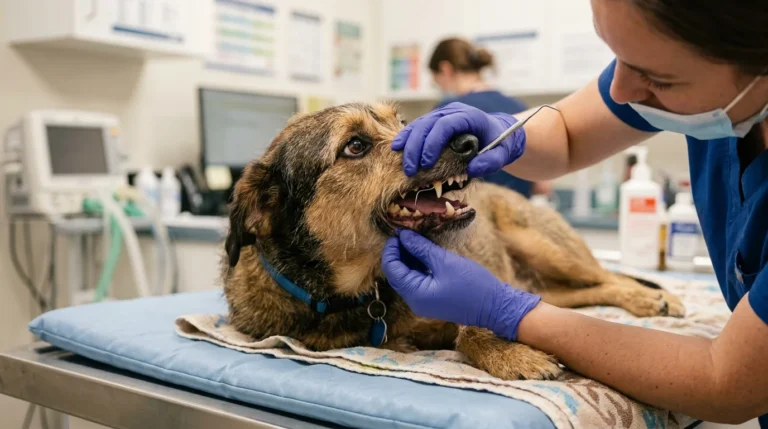

Can Dogs Eat Lemons? Vet-Approved Risks, Safety & What to Do
Quick Ans: No, dogs should not eat lemons. While the fleshy part isn’t highly toxic, lemons contain compounds like citric acid, psoralens, and essential oils (limonene and linalool) that can cause vomiting, diarrhea, and liver damage . The peel and pith are the most dangerous parts, and lemon juice is too concentrated to be safe .
Key Takeaways
- All parts are risky – The flesh, rind, pith, and juice all contain harmful compounds that can make your dog sick .
- Peel is most dangerous – Lemon rinds contain toxic essential oils and psoralens, which can cause liver damage and photosensitivity .
- Most dogs avoid lemons – The bitter, sour taste naturally deters dogs, but keep lemons out of reach just in case .
Lemons are a healthy addition to human diets, packed with vitamin C and antioxidants. But when it comes to your dog, this sour citrus fruit is a different story. While a tiny taste might not cause serious harm, lemons are not safe for dogs and should be kept out of reach. Most dogs will naturally turn their nose up at the bitter smell and taste, but accidents can happen. Here’s what you need to know to keep your pup safe.
Why Are Lemons Bad for Dogs?
Lemons contain several compounds that can be harmful to dogs, especially in larger amounts. The ASPCA classifies lemons as toxic to dogs, cats, and horses . Here’s what makes them dangerous.
1. Citric Acid
Lemons are highly acidic, with a pH of 2 to 3 . This acid can irritate your dog’s mouth, throat, and stomach lining . Symptoms include drooling, vomiting, and diarrhea. In large amounts, citric acid can lead to central nervous system depression, causing confusion, drowsiness, and loss of coordination .
2. Toxic Essential Oils
The rind and pith (the white part) contain concentrated essential oils, including limonene and linalool. These compounds are natural insecticides and are toxic to dogs when ingested . They can cause vomiting, liver damage, and, in severe cases, liver failure .
3. Psoralens
The peel also contains psoralens, which can cause photosensitivity (increased sensitivity to sunlight) . In dogs, this can lead to skin irritation and eye issues if exposed to sunlight after ingestion .
4. Choking and Blockage Risk
Lemon rinds are tough and difficult to digest. If swallowed in large pieces, they can pose a choking hazard or cause an intestinal obstruction, which is a life-threatening emergency .
Lemon Safety Comparison Table
| Part of Lemon | Toxic? | Main Risk | Verdict |
|---|---|---|---|
| Flesh | No (but harmful) | GI upset, vomiting, diarrhea | Avoid |
| Peel / Rind | Yes | Essential oil toxicity, liver damage, blockage | Never feed |
| Pith (white part) | Yes | Essential oils, psoralens | Never feed |
| Juice | Yes (concentrated) | Acid irritation, GI distress | Never feed |
| Seeds | No (but harmful) | Choking, mild toxicity | Remove and discard |
| Lemonade / Lemon treats | Sugar and xylitol risk | Obesity, xylitol poisoning | Never feed |
How Much Lemon Is Dangerous for Dogs?
The amount of lemon that can cause symptoms depends on your dog’s size, age, and overall health. A small dog, puppy, or dog with pre-existing conditions is more vulnerable than a large, healthy adult .
- A lick or tiny taste – Unlikely to cause serious harm, though your dog may pucker and drool .
- A slice of flesh – May cause mild stomach upset, vomiting, or diarrhea .
- A whole lemon with peel – Can cause significant toxicity, including liver damage, and requires immediate veterinary attention .
- Concentrated lemon juice or essential oils – Highly dangerous and can lead to severe symptoms like tremors, weakness, and liver failure .
Because there is no safe amount, it’s best to avoid giving your dog any part of a lemon.
What to Do If My Dog Ate Lemon
If your dog eats any part of a lemon, stay calm and follow these steps.
Step 1: Identify what they ate
- Flesh only – likely mild symptoms, but monitor closely.
- Peel, pith, or seeds – higher risk of toxicity and obstruction.
- Juice or essential oils – medical emergency.
Watch for symptoms
- Vomiting, diarrhea, or excessive drooling
- Lethargy, weakness, or confusion
- Tremors, loss of coordination, or difficulty walking
- Skin irritation or sensitivity to light (psoralen exposure)
- Symptoms usually appear within 6–12 hours
Call for help
- Your veterinarian – for personalized advice.
- ASPCA Animal Poison Control: (888) 426-4435 (fee may apply)
- Pet Poison Helpline: (855) 764-7661 (fee may apply)
Do not induce vomiting unless directed by a professional. If your dog ate the peel, pith, or a large amount of lemon, call your vet or a poison helpline immediately.
Can Puppies Eat Lemons?
No. Puppies should never eat lemons. Their digestive systems are more sensitive, and their smaller size means even a small amount can cause serious symptoms. Keep all citrus fruits out of reach of curious puppies.
Safe Alternatives to Lemons
If your dog enjoys fruit, try these safe, vet-approved options:
- Apples (no seeds) – Crisp and rich in vitamins.
- Blueberries – Packed with antioxidants.
- Strawberries – Full of fiber and vitamin C.
- Oranges (in moderation) – Lower in citric acid than lemons and generally safe .
- Bananas – High in potassium and easy to digest.
Always introduce new fruits slowly, in small amounts, and remove any seeds or pits.
Frequently Asked Questions
Can dogs eat lemons safely?
No. Lemons are not safe for dogs. While a small amount of flesh may only cause mild upset, the peel, pith, and juice contain toxic compounds that can make your dog seriously ill .
Are lemon peels toxic to dogs?
Yes. Lemon peels contain toxic essential oils (limonene and linalool) and psoralens, which can cause vomiting, diarrhea, liver damage, and photosensitivity .
Can dogs drink lemon juice?
No. Lemon juice is concentrated and highly acidic, making it even more dangerous than the fruit itself. It can cause severe stomach upset and central nervous system depression .
What happens if a dog licks a lemon?
A quick lick will likely only cause a sour reaction and some drooling. Your dog should be fine, but monitor for any signs of stomach upset .
Can dogs eat lemon-flavored foods like lemon cake?
No. Lemon-flavored baked goods often contain sugar, butter, and other ingredients that are unhealthy or toxic to dogs, such as xylitol .
Are lemon trees toxic to dogs?
Yes. The leaves and all parts of the lemon tree contain the same toxic essential oils and psoralens as the fruit. Keep your dog away from lemon trees .
What citrus fruits are safe for dogs?
Oranges, tangerines, and clementines are lower in citric acid and safe in small amounts . However, lemons, limes, and grapefruit should be avoided entirely.
Can dogs have lemon zest?
No. Lemon zest is concentrated in essential oils and psoralens, making it just as dangerous as the peel.
Final Word
Can dogs eat lemons? No. Lemons are not safe for dogs and should be kept out of reach. The flesh can cause digestive upset, while the peel and pith contain toxic compounds that can lead to liver damage and other serious health issues. Most dogs naturally avoid the bitter smell and taste of citrus, but accidents can happen. If your dog eats any part of a lemon, especially the rind or pith, call your veterinarian or a poison helpline right away. When it comes to your dog’s health, it’s always better to be safe than sorry.
Veterinary Recommendation Dr. Ubaidur Rahman, DVM
I recommend avoiding lemons as a treat for dogs. Their strong acidity and bitter taste can irritate the stomach, while the peel and other plant parts contain higher concentrations of citrus oils and compounds that dogs should not consume. If your dog has eaten lemon peel, a large quantity of lemon, or develops repeated vomiting, diarrhea, weakness, or unusual behavior, contact your veterinarian for advice.
Sources & References
- American Kennel Club. “Can Dogs Eat Lemons?” – Dr. Jerry Klein, DVM
- Kinship. “Can Dogs Eat Lemons? Human Food for Dogs.” Reviewed by Dr. Antje Joslin, DVM
- Dogster. “Can Dogs Eat Citrus Fruit? Vet-Verified Nutrition Facts & FAQ.” Reviewed by Dr. Maja Platisa, DVM MRCVS
- ASPCA. “Lemon.” Toxic and Non-Toxic Plants
- PetMD. “Can Dogs Eat Lemons?”
- Chewy. “Can Dogs Eat Lemons?” Reviewed by Dr. Jo Cornett, DVM
- Purina. “Can Dogs Eat Lemons? A Guide to Safety.”
- Purina Canada. “Can Dogs Eat Lemons?”
- Spot Pet Insurance. “Can Dogs Eat Lemons?”

Michael Carter, DVM is a veterinarian and pet health writer with a strong interest in canine nutrition, preventive care, and animal wellness. He is dedicated to providing pet owners with accurate, evidence-based information that helps them make informed decisions about their dogs’ health. As an author and content reviewer, Michael combines veterinary knowledge with practical insights to ensure every article is trustworthy, informative, and easy to understand.