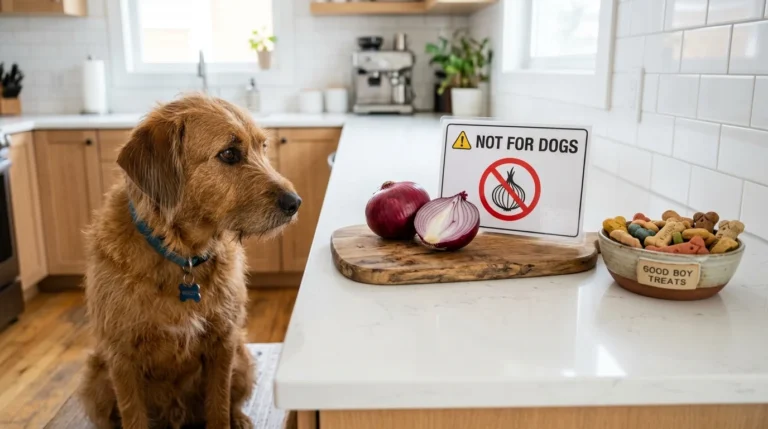

Can Dogs Eat Ginger? Vet-Approved Benefits, Risks & Safe Serving Guide
Quick Ans: Yes, healthy adult dogs can eat small amounts of fresh or powdered ginger as an occasional supplement. Ginger is not toxic and may help with nausea, digestion, and joint inflammation . However, ginger can act as a blood thinner and lower blood sugar, so dogs on certain medications or with diabetes should avoid it .
Key Takeaways
- Safe forms only – Fresh or powdered ginger root is fine. Avoid pickled ginger, gingerbread, ginger ale, or anything with added sugar, nutmeg, or xylitol .
- Tiny portions – Small dogs get ¼ teaspoon; large dogs get up to ¾ teaspoon. Too much causes stomach upset instead of helping it .
- Not for every dog – Pregnant, nursing, diabetic, or medicated dogs should skip ginger unless a vet says otherwise .
Ginger is a go-to remedy for nausea and inflammation in humans. If you’re sipping ginger tea or grating it into a stir-fry, your dog might be curious about that spicy aroma. The good news is that ginger is safe for most dogs and can even offer some real health benefits. But the dose and form matter enormously. Here’s what you need to know before sharing this root with your pup.
Is Ginger Good for Dogs?
Yes, ginger can offer therapeutic benefits when used in very small amounts. Veterinary sources note that ginger has been used traditionally as an anti-nausea, anti-inflammatory, and antioxidant supplement for dogs . The bioactive compound called gingerol is responsible for many of these effects .
Potential benefits include:
- Nausea relief – Ginger may help with motion sickness and chemotherapy-induced nausea. One study on dogs found it reduced vomiting from cisplatin chemotherapy .
- Anti-inflammatory support – Gingerol inhibits inflammatory pathways, which may help dogs with arthritis or joint pain .
- Digestive aid – Ginger can help reduce gas, bloating, and general gastrointestinal discomfort .
- Antioxidant properties – Compounds in ginger help fight oxidative stress and support immune function .
Important caveat: Ginger should be considered a supplement, not a treatment. It works best as part of a broader care plan for conditions like arthritis, not as a standalone solution . Always consult your vet before using ginger therapeutically.
What Makes Ginger Risky for Dogs?
1. Digestive Upset – Too Much of a Good Thing
In large amounts, ginger can cause the very problems it’s supposed to prevent. Overdoing it leads to gas, bloating, heartburn, vomiting, or diarrhea . Start tiny and stay within the recommended portions.
2. Blood Thinning – Drug Interactions
Ginger has natural anticoagulant properties. Dogs on non-steroidal anti-inflammatory drugs (NSAIDs), anticoagulants, or other blood thinners should avoid ginger unless a vet says otherwise . It can increase bleeding risk, especially before surgery .
3. Blood Sugar and Blood Pressure Effects
Ginger may lower blood sugar and blood pressure. This can be dangerous for diabetic dogs or those with heart conditions . If your dog has either condition, skip ginger entirely.
4. Allergic Reactions – Rare but Possible
Some dogs may be allergic to ginger. Signs include itching, hives, facial swelling, or difficulty breathing. Stop feeding immediately if you notice any of these .
5. Pickled and Sweetened Forms – Hidden Dangers
Pickled ginger (like sushi ginger) contains vinegar, sugar, and salt that can upset your dog’s stomach . Gingerbread and ginger biscuits often contain nutmeg, which is toxic, plus sugar and sometimes xylitol . Ginger ale has artificial sweeteners or high sugar .
Ginger Safety Comparison Table
| Form of Ginger | Toxic? | Main Risk | Verdict |
|---|---|---|---|
| Fresh ginger root | No | Overdose causes GI upset | Safe in tiny amounts |
| Powdered ginger | No | Overdose causes GI upset | Safe in tiny amounts |
| Pickled ginger | No (but harmful) | Sugar, salt, vinegar | Avoid |
| Gingerbread / biscuits | Nutmeg is toxic | Nutmeg poisoning, sugar, xylitol | Never feed |
| Ginger ale | No (but harmful) | Sugar, artificial sweeteners | Avoid |
| Ginger supplements | Varies | Improper dosing | Use only with vet guidance |
How Much Ginger Can Dogs Eat?
Start with much less than the maximum amount to test your dog’s tolerance. These portions are for occasional use, not daily feeding .
Portion guidelines for fresh or powdered ginger:
| Dog Size | Examples | Max Portion (per serving) |
|---|---|---|
| Extra-small (2–20 lbs) | Chihuahua, Yorkie, Pug | Less than ¼ teaspoon |
| Small (21–30 lbs) | Beagle, Miniature Poodle | ¼ teaspoon |
| Medium (31–50 lbs) | Cocker Spaniel, Border Collie | ½ teaspoon |
| Large (51–90 lbs) | Lab, Golden Retriever | ¾ teaspoon |
| Extra-large (91+ lbs) | Great Dane, Mastiff | ¾ teaspoon |
Ginger can be given 2–3 times per week. Avoid daily use unless your vet recommends it .
What to Do If My Dog Ate Too Much Ginger or Gingerbread
If your dog ate a large amount of fresh ginger, gingerbread, or pickled ginger, monitor them closely.
Step 1: Identify what they ate
- Fresh or powdered ginger in large quantity – risk is digestive upset.
- Gingerbread or ginger biscuits – check for nutmeg or xylitol.
- Pickled ginger – high salt, sugar, and vinegar content.
Watch for symptoms
- Vomiting, diarrhea, or abdominal pain (from too much ginger)
- Weakness, pale gums, or disorientation (from nutmeg or xylitol)
- Excessive thirst or urination (from high sugar or salt)
- Symptoms usually appear within 6–12 hours
Call for help if needed
- Your veterinarian – especially if symptoms appear or gingerbread was eaten.
- ASPCA Animal Poison Control: (888) 426-4435 (fee may apply)
- Pet Poison Helpline: (855) 764-7661 (fee may apply)
Do not induce vomiting unless directed by a professional. If xylitol or nutmeg were consumed, call a poison helpline immediately.
Can Puppies Eat Ginger?
Puppies should not eat ginger. Their digestive systems are sensitive, and their immune systems are still developing. Introduce ginger only after your puppy is fully grown (over 12 months) and only with veterinary approval .
Safe Alternatives to Ginger
If ginger doesn’t suit your dog, try these natural supplements for digestion or inflammation:
- Plain cooked pumpkin – Excellent for digestive health and fiber.
- Turmeric – Anti-inflammatory, but use in tiny amounts and with vet guidance.
- Omega-3 fish oil – Supports joint health and reduces inflammation.
- Plain cooked sweet potato – Gentle on the stomach and rich in fiber.
- Fresh blueberries – Antioxidant-rich and low in sugar.
Frequently Asked Questions
Can dogs eat fresh ginger?
Yes, fresh ginger root is safe when peeled, grated or finely chopped, and given in very small amounts. Start with less than the recommended portion to check tolerance .
Can dogs eat powdered ginger?
Yes, powdered ginger is safe in the same portions as fresh ginger. Mix it into your dog’s food. Use plain ginger powder without added ingredients .
Can dogs eat pickled ginger?
No. Pickled ginger contains vinegar, sugar, and salt that can cause digestive upset or dehydration. Sushi ginger is not for dogs .
Can dogs eat gingerbread?
No. Gingerbread often contains nutmeg, which is toxic to dogs, plus sugar, butter, and sometimes xylitol. Avoid it entirely .
Is ginger safe for dogs with diabetes?
No. Ginger can lower blood sugar, which is dangerous for diabetic dogs. Consult your vet before considering it .
Can ginger help my dog’s arthritis?
Ginger’s anti-inflammatory properties may help with joint pain. But it should be used as part of a broader treatment plan, not as a replacement for vet-prescribed medications .
Can ginger help with my dog’s upset stomach?
Small amounts of ginger may help reduce nausea and gas. But too much ginger causes stomach upset, so stick to tiny portions and stop if you see any negative reactions .
Can dogs drink ginger tea?
Plain, unsweetened ginger tea made from fresh ginger root can be safe in small amounts. Steep ginger in hot water, cool it, strain out the pieces, and offer a small amount. No honey or sugar added .
Final Word
Can dogs eat ginger? Yes, fresh or powdered ginger is safe for most healthy adult dogs in tiny amounts. It may help with nausea, joint inflammation, and gas. But ginger is potent. Start with a fraction of the recommended portion, watch for any adverse reactions, and never give it to diabetic, pregnant, or medicated dogs without veterinary approval. Avoid pickled ginger, gingerbread, and ginger ale entirely. When in doubt, skip the ginger and stick to vet-approved treats. A quick call to your veterinarian can save you from unnecessary worry.
Veterinary Recommendation — Dr. Ubaidur Rahman, DVM
For most healthy dogs, a small amount of plain fresh ginger is unlikely to cause problems. I recommend introducing it gradually and avoiding large pieces or concentrated ginger supplements unless your veterinarian specifically recommends them. Dogs with sensitive stomachs or those taking medications should be checked with a veterinarian before ginger is added to their diet.
Dogs can eat ginger in moderation, but small amounts of plain ginger are the safest approach.
Sources & References
- Adopt a Pet. “Can Dogs Have Ginger? Learn if Ginger Is Toxic or Healthy for Your Dog.” – Dr. Shelby Neely, DVM
- IVC Journal. “Medicinal Properties of Ginger.”
- PetLab Co. “Can Dogs Have Ginger?”
- VCA Canada Animal Hospitals. “Ginger.” – Kayla Hyland, BA, DVM, CHPV; Rania Gollakner, BS, DVM, MPH
- PetMD. “Can Dogs Eat Ginger?” – Sandra C. Mitchell, DVM, DABVP
- Dogster. “Can Dogs Eat Ginger? Vet-Verified Benefits, Risks & FAQ.”
- Spot Pet Insurance Canada. “Can Dogs Eat Ginger?”
- ASPCA Animal Poison Control: (888) 426-4435
- Pet Poison Helpline: (855) 764-7661

Dr. Ubaid Ur Rehman, DVM is a qualified veterinarian with expertise in pet health, nutrition, and preventive care. He is passionate about helping pet owners make informed decisions through accurate, research-based, and practical advice. As a veterinary professional, he reviews and contributes content to ensure reliable information for dog and pet owners.