Can Dogs Eat Chicharron? Risks, Safety & What to Do If They Ate It
Quick Ans: No, dogs should not eat chicharron. While a small piece that falls on the floor is unlikely to cause immediate harm, chicharron (also known as pork rinds or pork cracklings) is not safe for regular consumption . It is high in fat, salt, and often contains toxic seasonings like garlic or onion powder that can cause serious health issues .
Key Takeaways
- High fat content – Chicharron is deep-fried pork skin with a dense fat layer that can trigger pancreatitis, a painful and potentially fatal inflammation of the pancreas .
- Excessive salt – A single serving contains more sodium than dogs should consume, risking salt poisoning, dehydration, and high blood pressure .
- Toxic seasonings – Garlic, onion, and chili powders commonly used in flavored chicharron are toxic to dogs and can cause anemia or severe stomach upset .
Chicharron is a popular crispy snack made from fried pork skin. It is often called pork rinds in the United States, cracklings in the UK, or chicharrones in Latin America . If you are enjoying this savory treat, your dog may be giving you that hopeful stare. But here is the reality: chicharron offers no nutritional benefit for dogs and carries serious health risks. Here is why you should keep this snack out of your dog’s reach.
Is Chicharron Good for Dogs?
No. Chicharron is not good for dogs. While pork meat itself can be safe for dogs when cooked plain, chicharron is a processed, fried snack that is nutritionally empty for canines. A single ounce (about 28 grams) of plain pork rinds contains approximately 152 calories and 270 milligrams of sodium . That amount of sodium already exceeds the recommended daily limit for most dogs .
The snack is made by boiling pork skin, scraping fat, dehydrating it, and then deep-frying it until it becomes puffy and crunchy . This process leaves chicharron with almost no vitamins, minerals, or fiber. Dogs simply do not need chicharron in their diet, and the risks far outweigh any perceived benefit.
What Makes Chicharron Risky for Dogs?
1. High Fat Content – Pancreatitis Risk
Chicharron is extremely fatty. It is made from pork skin, which has a dense layer of fat beneath it, and the deep-frying process adds even more oil . When dogs consume high-fat foods, their pancreas must work overtime to release digestive enzymes. This can trigger pancreatitis, an inflammation of the pancreas that causes vomiting, abdominal pain, lethargy, and diarrhea . Pancreatitis is painful and can be fatal if left untreated . Dogs who are heavy, older, or belong to susceptible breeds like Yorkshire Terriers and Miniature Schnauzers are at even higher risk .
2. Excessive Salt – Sodium Poisoning
Chicharron is heavily salted to enhance flavor. High sodium intake can cause excessive thirst, vomiting, diarrhea, and in severe cases, salt toxicosis (hypernatremia). This condition occurs when the body’s cells release water to compensate for excess salt, leading to dehydration, seizures, tremors, and even brain damage . Small dogs are especially vulnerable because they need less salt to reach dangerous levels .
3. Toxic Seasonings – Garlic, Onion, and Chili Powder
Many chicharron varieties come flavored with garlic, onion, chili, or barbecue seasonings. Garlic and onion are toxic to dogs and can damage red blood cells, leading to anemia . Even small amounts of these ingredients can cause stomach pain, weakness, and pale gums. Spicy seasonings can also irritate your dog’s digestive tract and cause vomiting or diarrhea .
4. No Nutritional Value – Empty Calories
Chicharron provides calories without essential nutrients. A small serving can account for up to 25% of a small dog’s daily caloric needs, leaving no room for healthy, balanced food . Over time, this can lead to obesity, which is a risk factor for diabetes, heart disease, and joint problems .
5. Risk of Obesity and Related Diseases
Because chicharron is calorie-dense and lacks nutrients, regular feeding contributes to weight gain. Obesity increases the risk of pancreatitis, diabetes, hypertension, and some cancers in dogs . Once a dog becomes heavy, it becomes harder to manage their overall health.
Chicharron Safety Comparison Table
| Form of Chicharron | Toxic? | Main Risk | Verdict |
|---|---|---|---|
| Plain chicharron (no seasonings) | No (but harmful) | Pancreatitis, salt poisoning | Avoid |
| Spicy/garlic/onion flavored | Garlic/onion are toxic | Anemia, stomach upset | Never feed |
| Homemade chicharron | No (but harmful) | Still high fat and salt | Avoid |
| Raw pork skin | No (but bacteria) | Trichinosis, parasites | Never feed |
How Much Chicharron Can Dogs Eat?
None. Chicharron should not be part of your dog’s diet. While a single stray piece that falls to the floor is unlikely to cause serious harm in a healthy adult dog, you should never intentionally offer chicharron as a treat. The high fat, salt, and seasoning content make it too risky, even in tiny amounts . If your dog accidentally eats a small piece, monitor them for signs of stomach upset, but do not make it a habit.
What to Do If My Dog Ate Chicharron
If your dog ate chicharron, especially a large amount or a flavored variety, stay calm and follow these steps:
Step 1: Assess what they ate
- Plain or flavored? Check the ingredients for garlic, onion, or chili.
- How much? A small piece versus a whole bag makes a big difference.
- What size is your dog? Small dogs are more vulnerable to salt and fat issues.
Watch for symptoms
- Vomiting, diarrhea, or abdominal pain
- Excessive thirst or frequent urination
- Lethargy, weakness, or tremors
- Pale gums (possible anemia from garlic/onion)
- Symptoms usually appear within 6–12 hours but can be delayed
Call for help if needed
- Your veterinarian – for personalized advice, especially if symptoms appear.
- ASPCA Animal Poison Control: (888) 426-4435 (fee may apply)
- Pet Poison Helpline: (855) 764-7661 (fee may apply)
Do not induce vomiting unless directed by a professional. If your dog ate garlic- or onion-flavored chicharron, call a poison helpline or your vet immediately .
Can Puppies Eat Chicharron?
Absolutely not. Puppies have developing digestive systems that are even more sensitive to fat and salt than adult dogs. Their smaller size means they can reach toxic levels of sodium much faster . Additionally, puppies cannot tolerate rich, fatty foods, which can easily trigger vomiting, diarrhea, or pancreatitis. Stick to a balanced puppy diet and puppy-safe treats.
Safe Alternatives to Chicharron
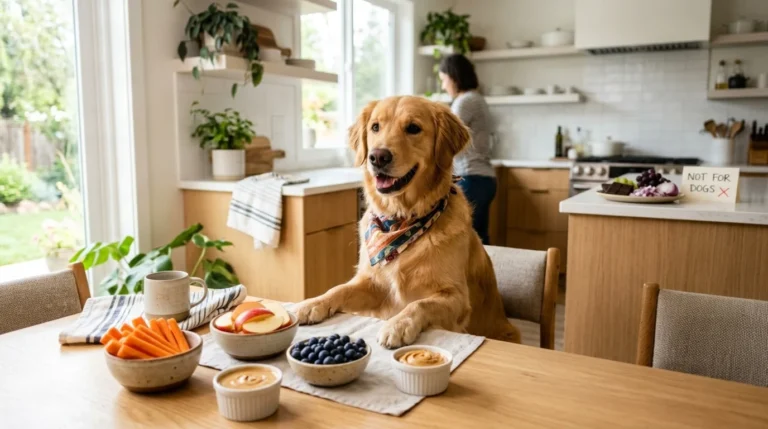
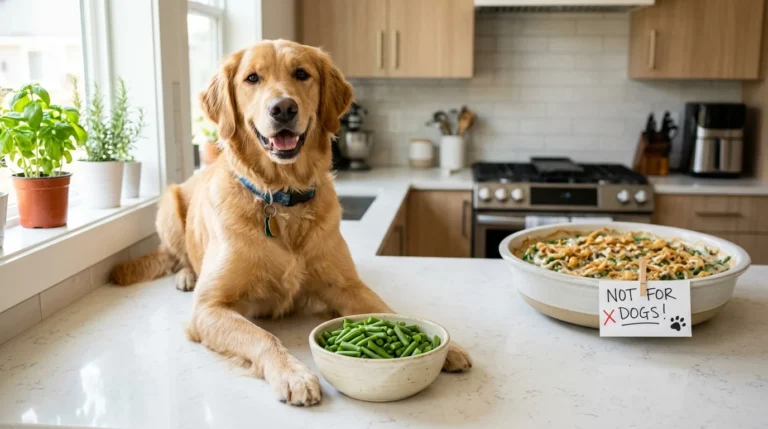
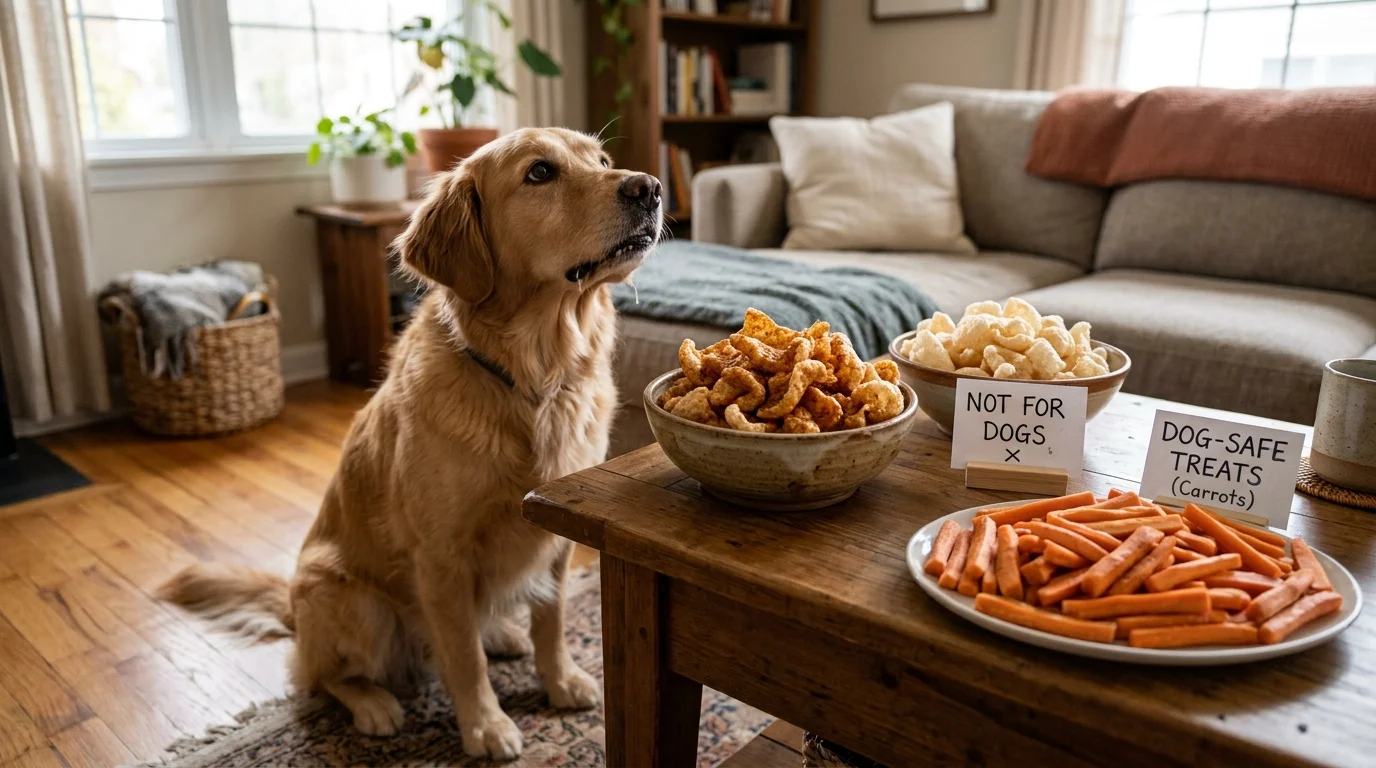
If your dog loves crunchy snacks, try these much safer options:
- Plain, air-popped popcorn (no salt or butter) – Crunchy and low-calorie.
- Carrot sticks – Low-calorie and great for teeth.
- Apple slices (no seeds) – Naturally sweet and satisfying.
- Frozen green beans – A cool, crunchy treat.
- Plain cooked chicken breast (small pieces) – Lean protein without the fat.
Frequently Asked Questions
Can dogs eat chicharron?
No. Chicharron is not safe for dogs due to high fat, salt, and often toxic seasonings . Only offer plain, cooked pork meat without skin or fat if you want to share pork with your dog.
Are pork rinds and chicharron the same thing?
Yes and no. In the United States, pork rinds are made exclusively from pork skin. In Latin America and the Philippines, chicharron often includes some meat and fat attached to the skin . Both are equally unsafe for dogs because they are fried and high in fat and salt.
What happens if my dog eats pork rinds?
A small amount may cause mild stomach upset, while larger quantities can trigger vomiting, diarrhea, pancreatitis, or salt poisoning . If your dog eats a large bag or flavored pork rinds, watch for symptoms and call your vet.
Can dogs eat plain pork rinds with no seasoning?
Even plain, unseasoned chicharron is not recommended. It is still high in fat and salt, which can cause pancreatitis and other health issues . There is no nutritional benefit.
Can dogs eat spicy chicharron?
No. Spicy chicharron often contains chili, garlic, or onion powder, which are all harmful or toxic to dogs . Garlic and onion can damage red blood cells and lead to anemia.
Can chicharron cause pancreatitis in dogs?
Yes. The high fat content in chicharron is a known trigger for pancreatitis in dogs. This condition is painful, can be fatal, and requires immediate veterinary care .
Is chicharron bad for dogs with kidney disease?
Yes. Chicharron’s high sodium content can worsen kidney disease or cause kidney damage. Dogs with kidney or heart conditions should never eat chicharron .
What should I do if my dog ate a whole bag of chicharron?
Contact your veterinarian or a poison helpline immediately. A large amount of salt and fat can cause serious health issues. Watch for vomiting, diarrhea, lethargy, tremors, or excessive thirst .
Final Word
Can dogs eat chicharron? No. This fried pork snack is high in fat, salt, and often contains toxic seasonings that can harm your dog. Even plain chicharron carries risks of pancreatitis, salt poisoning, and obesity. While a single piece that falls on the floor is unlikely to cause emergency-level harm, you should never intentionally feed chicharron to your dog. If your dog eats chicharron, especially in large amounts or flavored varieties, watch for symptoms and call your vet if you are concerned. There are plenty of safe, crunchy treats to share with your dog instead.
Veterinary Recommendation — Dr. Ubaidur Rahman, DVM
I would avoid giving chicharrón to dogs, even though a small accidental bite is unlikely to cause poisoning in most healthy dogs. The main concerns are its high fat and sodium content, along with potentially unsafe seasonings. If a dog has eaten a large amount, especially if it contains garlic or onion, monitor for vomiting, diarrhea, abdominal discomfort, excessive thirst, or unusual lethargy and contact a veterinarian if symptoms develop.
Chicharrón isn’t a recommended dog treat. A small plain piece accidentally eaten usually isn’t an emergency, but it’s better not to make it part of a dog’s diet.
Sources & References
- Can Dogs Eat It. “Can Dogs Eat Pork Rinds?” – Reviewed by Joana Garrido, DVM
- MasterClass. “Can Dogs Eat Pork Rinds? 4 Risks of Pork Rinds for Dogs” – 2022
- Hilton, J.W. “Do High Fat Dog Foods Predispose Dogs to Pancreatitis?” – Canadian Veterinary Journal
- JustAnswer. “My dog ate pork rinds.” – Thomas Perry, DVM
- The Goody Pet. “Can Dogs Eat Pork Rinds? Top 3 Reasons Why They Should Not”
- Journal of the American Veterinary Medical Association. “Risk factors for fatal acute pancreatitis in dogs” – 1999
- LoveToKnow Pets. “Can Dogs Eat Pork Rinds? Reasons to Avoid These Snacks” – Amber L. Drake
- Fellow.dog. “Los chicharrones: ¿Qué son y cómo afectan a su perro?”
- JustAnswer. “My dog ate spicy pork rinds and now there’s a bump on his back.” – DogtorAG, DVM
- Banfield Pet Hospital. “Risk factors for canine pancreatitis” – 2006
- JoyPetProducts. “Can Dogs Eat Pork Rinds? (Benefits/Risks)”
- ASPCA Animal Poison Control: (888) 426-4435
- Pet Poison Helpline: (855) 764-7661
Michael Carter, DVM is a veterinarian and pet health writer with a strong interest in canine nutrition, preventive care, and animal wellness. He is dedicated to providing pet owners with accurate, evidence-based information that helps them make informed decisions about their dogs’ health. As an author and content reviewer, Michael combines veterinary knowledge with practical insights to ensure every article is trustworthy, informative, and easy to understand.