Can Dogs Eat Squash Safely? A Complete Feeding Guide
Quick Answer: Cooked squash without added butter, sugar, salt, garlic, onions, or seasonings is generally safe for dogs. Squash provides fiber, vitamins, antioxidants, and hydration that may support overall health.
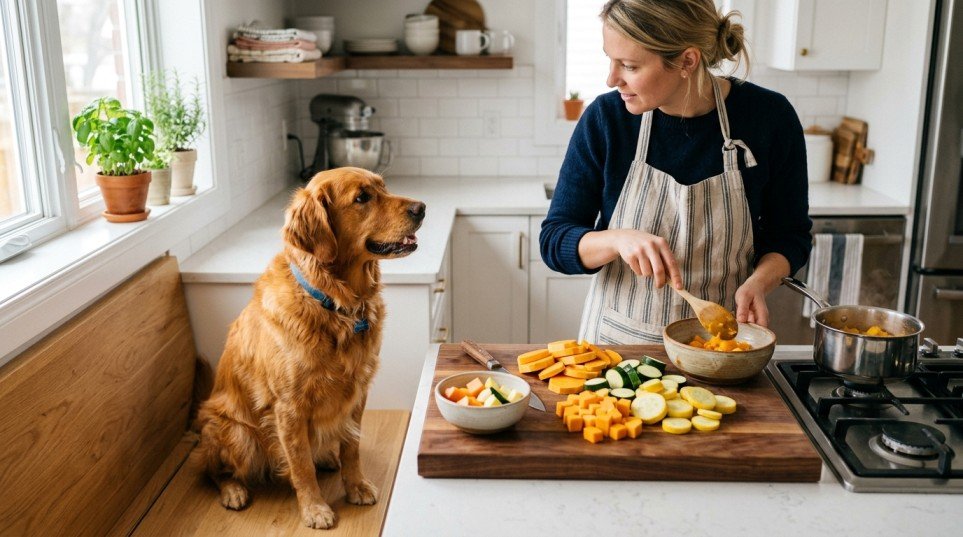
You’re preparing dinner and a piece of squash falls onto the floor. Before you can grab it, your dog happily gobbles it up. Now you’re wondering: can dogs eat squash safely, or should you be concerned?
The good news is that squash is generally safe for dogs and can even provide several nutritional benefits when prepared correctly. However, not every type of squash should be served the same way, and certain ingredients commonly added to squash dishes can be harmful to dogs.
This guide covers everything dog owners actually search for: whether dogs can eat squash, the health benefits, potential risks, how much squash is safe, the best preparation methods, and which types of squash dogs should avoid.
Can Dogs Eat Squash? The Short Answer
Yes, dogs can eat squash in moderation. Most varieties of plain, cooked squash are safe for dogs and can be a healthy addition to a balanced diet.
The key is preparation. Plain squash can be nutritious, while heavily seasoned squash dishes may pose health risks.
Squash should be considered a supplemental treat or food topper rather than a replacement for a complete and balanced dog food.
Is Squash Good for Dogs?
1. Rich in Dietary Fiber
One of the biggest benefits of squash is its fiber content.
Fiber supports healthy digestion by helping regulate bowel movements and promoting gut health.
Dogs that occasionally experience mild constipation may benefit from small amounts of fiber-rich vegetables like squash.
Benefits of fiber include:
- Supports digestive health
- Helps regulate stool consistency
- Promotes healthy gut bacteria
- May increase feelings of fullness
Too much fiber, however, can cause digestive upset.
2. Contains Important Vitamins
Squash provides several vitamins that support canine health.
Key nutrients include:
- Vitamin A
- Vitamin C
- Vitamin E
- Vitamin B6
These nutrients support:
- Eye health
- Immune function
- Skin health
- Cellular repair
Vitamin A is especially abundant in orange-colored squash varieties.
3. Provides Beneficial Antioxidants
Squash contains antioxidants that help protect cells from oxidative damage.
These compounds support overall wellness and may contribute to healthy aging.
Common antioxidants found in squash include:
- Beta-carotene
- Lutein
- Zeaxanthin
Many of these compounds are responsible for squash’s bright orange and yellow colors.
4. Low in Calories
For dogs that need weight management, squash can be an excellent low-calorie treat option.
Compared with many commercial treats, squash offers:
- Fewer calories
- More nutrients
- Higher water content
- Additional fiber
This makes it a popular choice for heavy dogs under veterinary guidance.
What Types of Squash Can Dogs Eat?
Most common squash varieties are safe when properly prepared.
Here are the most popular types.
| Type of Squash | Safe for Dogs? | Notes |
|---|---|---|
| Butternut Squash | Yes | One of the best options |
| Acorn Squash | Yes | Serve cooked |
| Yellow Squash | Yes | Easy to digest |
| Zucchini | Yes | Low calorie choice |
| Pumpkin | Yes | Technically a squash |
| Spaghetti Squash | Yes | Serve plain and cooked |
| Delicata Squash | Yes | Remove seeds |
| Kabocha Squash | Yes | Nutritious when cooked |
Most dogs tolerate these varieties well when introduced gradually.
Can Dogs Eat Butternut Squash?
Butternut squash is one of the healthiest squash options for dogs.
It contains:
- Vitamin A
- Vitamin C
- Potassium
- Fiber
- Antioxidants
Cooked butternut squash is soft, easy to digest, and commonly used in homemade dog food recipes.
Many veterinarians consider it one of the safest vegetables for dogs.
Can Dogs Eat Yellow Squash?
Yes.
Yellow squash is safe for dogs when served plain and cooked.
Benefits include:
- Low calories
- Hydration support
- Fiber
- Vitamins
Some dogs can also tolerate small amounts of raw yellow squash, though cooked squash is usually easier to digest.
Can Dogs Eat Zucchini?
Yes.
Zucchini is another dog-friendly squash variety.
It is particularly popular because it is:
- Low in fat
- Low in calories
- Easy to prepare
- Rich in nutrients
Many dog owners use zucchini as a healthy training treat or meal topper.
Can Dogs Eat Raw Squash?
Raw squash is not toxic, but it may be harder for some dogs to digest.
Potential issues include:
- Stomach upset
- Gas
- Bloating
- Difficulty chewing large pieces
Cooking softens the vegetable and improves digestibility.
For most dogs, cooked squash is the safer option.
How Much Squash Can Dogs Eat?
The appropriate amount depends on your dog’s size.
Use squash as an occasional treat rather than a dietary staple.
Small Dogs (Under 20 lbs)
- 1 to 2 teaspoons
- Introduce slowly
- Monitor digestion
Medium Dogs (20–50 lbs)
- 1 to 2 tablespoons
- Serve occasionally
- Watch for loose stools
Large Dogs (Over 50 lbs)
- 2 to 4 tablespoons
- Can be mixed with meals
- Avoid excessive amounts
A good rule is that treats and extras should make up no more than 10% of your dog’s daily calorie intake.
Best Ways to Serve Squash to Dogs
1. Plain Steamed Squash
Steaming preserves nutrients while making squash soft and easy to digest.
Simply:
- Wash thoroughly
- Remove seeds
- Steam until soft
- Cool before serving
This is one of the safest preparation methods.
2. Baked Squash
Baking creates a soft texture many dogs enjoy.
Avoid adding:
- Salt
- Butter
- Garlic
- Onion powder
- Sugar
- Oils
Serve plain after cooling.
3. Mashed Squash
Mashed squash can be mixed into dog food as a topper.
Many owners use it to:
- Add moisture
- Increase fiber
- Improve meal variety
Keep ingredients simple and dog-safe.
4. Frozen Squash Cubes
Frozen squash can be a refreshing treat during warm weather.
Freeze plain cooked squash in small portions.
Many dogs enjoy the texture and cooling effect.
Can Dogs Eat Squash Seeds?
It depends.
Small amounts of cooked squash seeds are generally not toxic.
However, seeds may pose risks including:
- Choking
- Digestive blockage
- Gastrointestinal irritation
Removing seeds before serving is usually the safest option.
Can Dogs Eat Squash Skin?
Squash skin is not usually toxic.
However, it can be:
- Tough
- Difficult to digest
- A choking hazard in large pieces
Removing the skin is recommended, especially for smaller dogs and puppies.
Risks of Feeding Squash to Dogs
Although squash is generally safe, problems can occur.
Digestive Upset
Introducing too much squash too quickly may cause:
- Gas
- Diarrhea
- Bloating
- Soft stools
Always introduce new foods gradually.
Excess Fiber
Large amounts of fiber may upset your dog’s digestive balance.
Signs include:
- Loose stools
- Increased bowel movements
- Abdominal discomfort
Moderation is important.
Seasonings and Additives
This is where many problems occur.
Squash dishes prepared for humans often contain ingredients that are unsafe for dogs.
Common examples include:
- Garlic
- Onions
- Nutmeg
- Excess salt
- Butter
- Cream
- Artificial sweeteners
The squash itself may be safe while the recipe is not.
Can Dogs Eat Squash Casserole?
Generally, no.
Most squash casseroles contain ingredients that are unsuitable for dogs, including:
- Butter
- Cheese
- Salt
- Garlic
- Onion
- Heavy cream
These ingredients can cause digestive upset or toxicity.
Plain squash is always the safer choice.
Can Puppies Eat Squash?
Yes, puppies can usually eat small amounts of plain cooked squash.
Benefits may include:
- Extra nutrients
- Hydration support
- Gentle fiber
However:
- Introduce gradually
- Serve small portions
- Consult your veterinarian if your puppy has digestive sensitivities
Puppies have more delicate digestive systems than adult dogs.
Frequently Asked Questions About Dogs and Squash
Is squash toxic to dogs?
No. Most common squash varieties are not toxic to dogs when served plain and properly prepared.
Can dogs eat squash every day?
Small amounts may be safe for some dogs, but squash should not replace a complete and balanced diet. Moderation is best.
Is butternut squash good for dogs?
Yes. Butternut squash is one of the most nutritious and commonly recommended squash varieties for dogs.
Can squash help with constipation?
The fiber in squash may support healthy digestion and help some dogs experiencing mild constipation. Persistent constipation should be evaluated by a veterinarian.
Can diabetic dogs eat squash?
Some diabetic dogs may be able to eat squash in moderation, but dietary changes should always be discussed with a veterinarian managing the condition.
What happens if a dog eats too much squash?
Excess squash may cause:
- Diarrhea
- Gas
- Bloating
- Digestive discomfort
Most cases are mild and resolve with supportive care.
Can dogs eat canned squash?
Plain canned squash may be safe if it contains no added sugar, salt, spices, or preservatives. Always check the ingredient label carefully.
How to Safely Introduce Squash to Your Dog
Follow these simple steps:
- Choose plain squash.
- Remove seeds and tough skin.
- Cook thoroughly.
- Allow it to cool.
- Offer a small amount.
- Monitor for digestive upset.
- Increase gradually if tolerated.
This approach helps reduce the risk of stomach issues.
Final Word: Squash Can Be a Healthy Treat for Most Dogs
Squash is one of the safest and most nutritious vegetables many dogs can enjoy. Varieties such as butternut squash, zucchini, yellow squash, and acorn squash provide fiber, vitamins, antioxidants, and hydration while remaining relatively low in calories.
The key is keeping it simple. Plain cooked squash is generally safe, while heavily seasoned recipes, casseroles, and processed squash dishes may contain ingredients that are harmful to dogs.
If your dog has never eaten squash before, start with a small serving and monitor for any digestive changes. For most healthy dogs, squash can be a nutritious occasional treat that supports overall wellness as part of a balanced diet.
Reviewed & Recommended by Dr. Ubaidur Rahman, DVM
Veterinary Review: Dr. Ubaidur Rahman, DVM, reviewed this guide for the safety of squash for dogs, including preparation, serving size, and potential digestive concerns.
Dr. Ubaidur Rahman’s Recommendation: Plain, cooked squash is generally safe for dogs and can be a nutritious addition to their diet when offered in moderation. Squash provides fiber and nutrients, but it should be served plain without butter, salt, garlic, onion, or other seasonings. Remove the tough skin and seeds when appropriate, especially for varieties that may be difficult for a dog to chew or digest.
Sources and References
- American Kennel Club (AKC): Vegetables Dogs Can Eat
- PetMD: Safe Vegetables for Dogs
- VCA Animal Hospitals: Feeding Fruits and Vegetables to Dogs
- Merck Veterinary Manual: Canine Nutrition
- World Small Animal Veterinary Association (WSAVA): Nutritional Guidelines
- American Veterinary Medical Association (AVMA): Pet Nutrition Resources
- Tufts University Cummings Veterinary Center: Healthy Treat Options for Dogs
Discover More:-
- Can Dogs Eat Peas? Benefits, Risks, Serving Sizes & Safety Guide 2026
- Can Dogs Eat Yogurt? Benefits, Risks, Safe Types & Vet Advice 2026

Michael Carter, DVM is a veterinarian and pet health writer with a strong interest in canine nutrition, preventive care, and animal wellness. He is dedicated to providing pet owners with accurate, evidence-based information that helps them make informed decisions about their dogs’ health. As an author and content reviewer, Michael combines veterinary knowledge with practical insights to ensure every article is trustworthy, informative, and easy to understand.