Can Dogs Eat Pizza Safely? The Truth Every Owner Needs to Know
Quick Answer: A small bite of plain cheese pizza will probably not cause serious harm to a healthy dog. However, pizza is not recommended because it often contains ingredients that are unhealthy or potentially toxic to dogs. Therefore, pizza should never be offered as a regular treat.
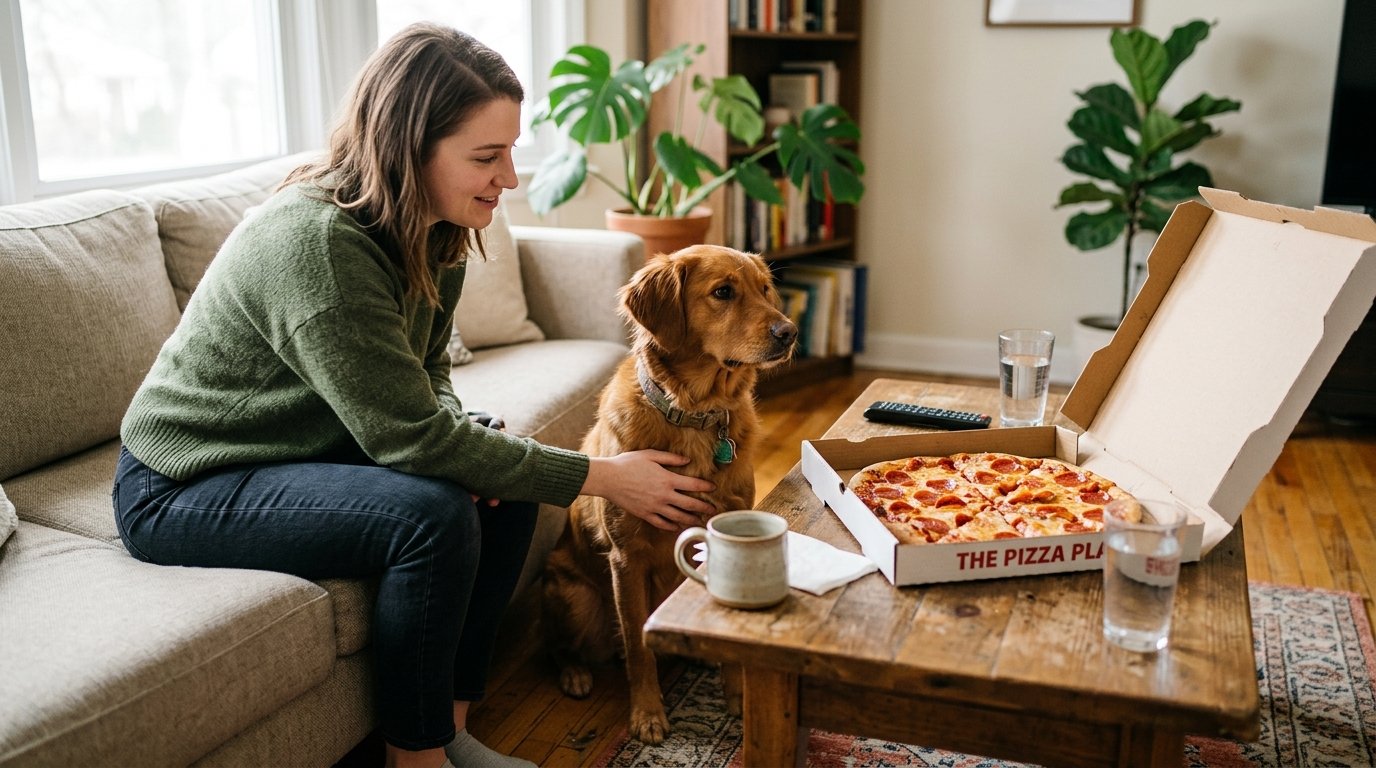
Your dog is sitting next to you during pizza night, staring at every slice that comes out of the box. Eventually, a piece of crust falls on the floor, or maybe your dog manages to steal an entire slice from the table. Naturally, the question follows: can dogs eat pizza?
The short answer is no. While a small bite of plain pizza is unlikely to seriously harm most healthy dogs, pizza is not considered a safe or healthy food for dogs. In fact, many common pizza ingredients can cause digestive upset, excessive sodium intake, pancreatitis, or even toxicity in some cases.
The biggest problem is that pizza is not a single ingredient food. Instead, it is a combination of multiple ingredients, and several of those ingredients may be unsafe for dogs. For example, garlic and onions are common in pizza sauce, while certain toppings can contain excessive fat, salt, and seasonings that a dog’s digestive system is not designed to handle.
This guide covers everything dog owners commonly search for: whether dogs can eat pizza, what happens if a dog eats pizza, which pizza ingredients are dangerous, when to call a vet, and how to prevent future pizza-related accidents.
Can Dogs Eat Pizza? The Short Answer
No, dogs should not eat pizza.
More importantly, pizza contains several ingredients that can create problems even when they are not technically poisonous. Excess fat, excessive sodium, rich cheeses, processed meats, and seasonings can all contribute to digestive upset and long-term health issues.
As a result, veterinarians generally recommend avoiding pizza altogether and choosing dog-safe treats instead.
What Makes Pizza Bad for Dogs?
1. Garlic and Onion in Pizza Sauce
One of the biggest concerns is pizza sauce.
Many commercial pizza sauces contain garlic, onion, or onion powder. Unfortunately, both garlic and onions belong to the Allium family, which is toxic to dogs.
These ingredients can damage red blood cells and potentially lead to a condition known as hemolytic anemia.
Symptoms may include:
- Weakness
- Lethargy
- Pale gums
- Reduced appetite
- Increased heart rate
- Collapse in severe cases
Furthermore, toxicity can occur even if symptoms are not immediately obvious. Therefore, pizza containing garlic or onion should always be considered a concern.
2. Excessive Fat Content
Pizza is typically high in fat.
Cheese, oils, processed meats, and buttery crusts all contribute to a significant fat load.
While a healthy dog may tolerate a small amount, excessive fat can cause:
- Vomiting
- Diarrhea
- Stomach pain
- Pancreatitis
Pancreatitis is a painful inflammation of the pancreas that often requires veterinary treatment. Consequently, fatty foods like pizza are commonly listed among the foods veterinarians advise owners to avoid.
3. High Sodium Levels
Another issue involves sodium.
Most pizzas contain large amounts of salt from:
- Cheese
- Sauce
- Processed meats
- Seasonings
- Dough ingredients
Although small amounts of sodium are necessary for dogs, excessive intake can lead to health concerns.
Potential problems include:
- Increased thirst
- Excessive urination
- Dehydration
- Sodium toxicity in extreme cases
Therefore, pizza is far saltier than what most dogs should consume.
4. Processed Meat Toppings
Many pizzas contain toppings such as:
- Pepperoni
- Sausage
- Bacon
- Ham
- Salami
These meats are often heavily processed and contain large amounts of fat, salt, preservatives, and spices.
As a result, they create an additional burden on a dog’s digestive system.
Even when they do not cause immediate illness, regular exposure can contribute to obesity and other long-term health concerns.
Which Pizza Ingredients Are Dangerous for Dogs?
Not all pizza ingredients carry the same level of risk.
Here is a quick breakdown:
| Pizza Ingredient | Safe for Dogs? | Risk Level |
|---|---|---|
| Plain crust | Sometimes | Low |
| Mozzarella cheese | Small amounts | Low to Moderate |
| Tomato sauce | Often unsafe | Moderate |
| Garlic | No | High |
| Onion | No | High |
| Pepperoni | Not recommended | Moderate |
| Sausage | Not recommended | Moderate |
| Bacon | Not recommended | Moderate |
| Mushrooms | Depends on type | Variable |
| Jalapeños | No | Moderate |
| Extra salt seasoning | No | Moderate |
The biggest concerns remain garlic, onion, and highly processed toppings.
Can Dogs Eat Pizza Crust?
Pizza crust is generally less dangerous than a fully topped slice.
However, that does not automatically make it healthy.
Plain crust is mostly made from:
- Flour
- Water
- Yeast
- Salt
A small piece of plain crust may not cause significant problems for most dogs.
Nevertheless, large amounts can contribute to:
- Digestive upset
- Weight gain
- Excess calorie intake
Additionally, flavored crusts may contain garlic butter, seasonings, or cheese coatings that make them less suitable.
Therefore, even crust should only be viewed as an occasional accidental treat rather than something intentionally offered.
Can Dogs Eat Cheese Pizza?
Many owners assume cheese pizza is the safest option.
While it is usually less dangerous than pepperoni pizza, it is still not ideal.
Cheese pizza often contains:
- High-fat cheese
- Garlic-containing sauce
- Salt
- Processed dough
Furthermore, some dogs are lactose intolerant.
As a result, cheese pizza can lead to:
- Gas
- Diarrhea
- Stomach discomfort
- Vomiting
Although a small bite is unlikely to create an emergency, cheese pizza should not become part of a dog’s regular diet.
Can Dogs Eat Pepperoni Pizza?
Pepperoni pizza is one of the worst pizza options for dogs.
Pepperoni is typically:
- High in fat
- High in sodium
- Highly processed
- Rich in spices
Because of these characteristics, pepperoni pizza increases the risk of digestive upset and pancreatitis.
Symptoms after consumption may include:
- Vomiting
- Diarrhea
- Excessive thirst
- Stomach pain
- Lethargy
Therefore, pepperoni pizza should always be avoided.
What Happens If a Dog Eats Pizza?
The outcome depends on several factors:
- The type of pizza
- The amount consumed
- The dog’s size
- The toppings involved
- Overall health status
In mild cases, symptoms may include:
- Gas
- Mild diarrhea
- Temporary stomach upset
- Increased thirst
However, larger amounts or pizzas containing toxic ingredients may result in more serious complications.
Consequently, monitoring is important after any significant pizza ingestion.
Symptoms to Watch For After Pizza Consumption
Symptoms may develop within several hours of eating pizza.
Mild Symptoms
- Mild vomiting
- Loose stools
- Gas
- Increased thirst
- Temporary lethargy
Moderate Symptoms
- Repeated vomiting
- Significant diarrhea
- Loss of appetite
- Abdominal discomfort
- Restlessness
Severe Symptoms
- Persistent vomiting
- Bloody diarrhea
- Severe lethargy
- Collapse
- Pale gums
- Difficulty breathing
If severe symptoms appear, veterinary care should be sought immediately.
When Should You Call a Vet?
Contact your veterinarian if:
- Your dog ate a large amount of pizza
- Garlic or onion was present
- The dog is very small
- Symptoms develop
- Your dog has pancreatitis history
- Your dog has kidney disease
- Your dog has heart disease
- A puppy consumed the pizza
Additionally, senior dogs may be more vulnerable to complications.
Therefore, it is always safer to call if you are uncertain.
What Will a Vet Do If a Dog Eats Pizza?
Treatment depends on the ingredients involved and symptom severity.
Potential treatments may include:
- Inducing vomiting
- Activated charcoal
- IV fluids
- Anti-nausea medications
- Monitoring
- Blood tests
In most cases, treatment focuses on preventing complications and supporting recovery.
Fortunately, most dogs recover well when treatment is provided promptly.
Can Puppies Eat Pizza?
Puppies should not eat pizza.
Compared to adult dogs, puppies have:
- Smaller digestive systems
- Lower body weight
- Increased sensitivity to rich foods
As a result, even small amounts of pizza may cause stronger symptoms.
Furthermore, puppies are more vulnerable to dehydration if vomiting or diarrhea occurs.
Therefore, pizza should always be kept away from young dogs.
Healthier Alternatives to Pizza for Dogs
Instead of sharing pizza, consider safer treats such as:
- Carrot slices
- Cucumber slices
- Blueberries
- Plain cooked chicken
- Apple slices (without seeds)
- Dog-safe training treats
These options provide flavor and enjoyment without the risks associated with pizza.
Frequently Asked Questions About Dogs and Pizza
Can a single bite of pizza hurt my dog?
In most cases, a single bite of plain pizza will not seriously harm a healthy dog. However, the ingredients still matter. If garlic, onions, or heavily seasoned toppings are present, even a small amount may warrant closer monitoring.
Can My dogs eat plain pizza dough?
No. Raw pizza dough is especially dangerous because yeast continues to ferment inside the stomach. This can cause dangerous bloating and alcohol production. Therefore, raw dough should always be treated as a veterinary emergency.
Is cheese pizza toxic to dogs?
Cheese pizza is not usually toxic by itself, but it is not considered healthy. Many cheese pizzas still contain garlic and onion in the sauce. Additionally, the fat and salt content can contribute to digestive problems.
Can dogs eat frozen pizza?
Frozen pizza presents the same concerns as regular pizza. In fact, some frozen pizzas contain even higher sodium levels and more processed ingredients. Therefore, they are not recommended.
What if my dog stole an entire slice of pizza?
A large dog may only experience digestive upset after eating a slice. However, smaller dogs face greater risks. Consequently, owners should monitor carefully and contact a veterinarian if symptoms appear.
Can pizza cause pancreatitis in dogs?
Yes. Because pizza is often high in fat, it can contribute to pancreatitis, particularly in dogs that are predisposed to the condition. This is one reason veterinarians discourage feeding fatty human foods.
Can my dogs eat pizza crust every day?
No. Although plain crust is less dangerous than topped pizza, it still provides unnecessary calories and limited nutritional value. Therefore, it should not become a daily treat.
Are vegetarian pizzas safe for dogs?
Not necessarily. Even without meat, many vegetarian pizzas contain onions, garlic, excessive cheese, and seasonings. As a result, they are still not considered safe dog foods.
How to Prevent Future Pizza Accidents
- Keep pizza boxes out of reach.
- Store leftovers immediately.
- Avoid leaving slices unattended.
- Teach children not to share pizza.
- Secure trash cans.
- Train reliable “leave it” commands.
- Supervise food during parties and gatherings.
By taking these precautions, most pizza-related incidents can be avoided entirely.
Final Word: Can Dogs Eat Pizza?
The answer is simple: dogs should not eat pizza.
While a small accidental bite is unlikely to cause serious harm in many cases, pizza contains multiple ingredients that are unhealthy and sometimes dangerous for dogs. Furthermore, garlic, onions, processed meats, excessive fat, and high sodium levels make pizza a poor choice for canine nutrition.
If your dog steals a small piece, there is usually no reason to panic. However, larger amounts, toxic ingredients, or the development of symptoms should always be taken seriously.
Ultimately, there is no nutritional benefit to feeding pizza to dogs. Therefore, choosing dog-safe treats remains the safest and healthiest option for your pet.
Reviewed & Recommended by Dr. Ubaidur Rahman, DVM
Veterinary Review: Dr. Ubaidur Rahman, DVM, reviewed this guide for the ingredients commonly found in pizza and the potential risks they may pose to dogs.
Dr. Ubaidur Rahman’s Recommendation: Pizza is not a good choice for dogs. Most pizza contains ingredients such as cheese, fatty meats, excess salt, and seasonings like garlic or onion, which can cause digestive problems and may be harmful to dogs. A small accidental bite is unlikely to cause a problem in many healthy dogs, but pizza should not be given as a regular treat.
Sources and References
- American Kennel Club (AKC): Foods Dogs Should Avoid
- ASPCA Animal Poison Control Center
- Merck Veterinary Manual: Toxic Foods in Dogs
- PetMD: Human Foods That Are Dangerous for Dogs
- VCA Animal Hospitals: Pancreatitis in Dogs
- Preventive Vet: Safe and Unsafe Human Foods for Dogs
- World Small Animal Veterinary Association (WSAVA): Nutrition Guidelines
Discover More:-
- Can Dogs Eat Cucumbers? A Complete Vet-Backed Guide 2026
- Pure Balance Dog Food Review 2026: Ingredients, Pros, Cons and Honest Verdict

Michael Carter, DVM is a veterinarian and pet health writer with a strong interest in canine nutrition, preventive care, and animal wellness. He is dedicated to providing pet owners with accurate, evidence-based information that helps them make informed decisions about their dogs’ health. As an author and content reviewer, Michael combines veterinary knowledge with practical insights to ensure every article is trustworthy, informative, and easy to understand.