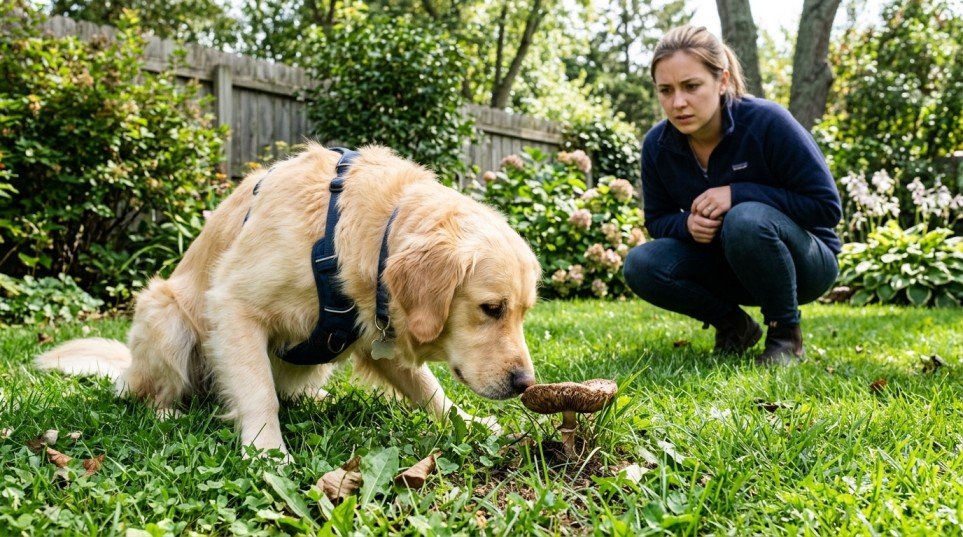
Can Dog Eat Mushrooms? Safety Risks, Toxic Varieties & Vet Guide 2026
Quick Answer: Dogs can safely eat small amounts of commercially grown mushrooms such as white button mushrooms, portobello mushrooms, and cremini mushrooms when they are cooked and served without seasonings. However, dogs should never eat wild mushrooms because many toxic species look nearly identical to safe ones.
You are preparing dinner and a piece of mushroom falls onto the floor. Before you can react, your dog quickly grabs it and swallows it. Naturally, your next question is immediate: can dogs eat mushrooms?
The answer is more complicated than many dog owners expect.
Some mushrooms sold in grocery stores are generally safe for dogs when cooked and served plain. However, wild mushrooms are an entirely different story. In fact, certain wild mushroom species can cause severe poisoning, organ failure, neurological symptoms, and even death in dogs.
Because many toxic mushrooms closely resemble harmless varieties, veterinarians often recommend treating any unknown mushroom ingestion as a potential emergency until proven otherwise.
This guide covers everything dog owners actually search for: whether mushrooms are safe for dogs, the difference between store-bought and wild mushrooms, symptoms of mushroom poisoning, emergency steps to take, safe serving guidelines, and when you should contact a veterinarian immediately.
Can Dogs Eat Mushrooms? The Short Answer
Yes, dogs can eat certain mushrooms. However, only plain, store-bought mushrooms are generally considered safe.
More importantly, mushroom safety depends entirely on the type of mushroom involved. While a slice of cooked supermarket mushroom may cause no issues, an unknown mushroom growing in a backyard could potentially be life-threatening.
Therefore, identifying the mushroom source is always the first step when determining risk.
Why Are Some Mushrooms Dangerous for Dogs?
1. Toxic Mushroom Species Exist
The biggest concern is that thousands of mushroom species exist worldwide.
While many mushrooms are harmless, others contain toxins that affect:
- The liver
- The kidneys
- The nervous system
- The digestive tract
- The cardiovascular system
Consequently, even a small amount of certain toxic mushrooms can cause serious illness in dogs.
Furthermore, some mushroom toxins act very quickly, while others may take several hours before symptoms appear.
2. Safe and Toxic Mushrooms Often Look Similar
Another major problem is identification.
Many poisonous mushrooms closely resemble edible mushrooms. As a result, even experienced hikers, gardeners, and foragers sometimes struggle to distinguish safe varieties from dangerous ones.
Because of this similarity, veterinarians generally recommend treating unknown mushroom ingestion seriously.
In other words, if you cannot confidently identify the mushroom, assume it could be toxic until proven otherwise.
3. Dogs Naturally Explore With Their Mouths
Unlike humans, dogs investigate their environment through sniffing, licking, and chewing.
As a result, dogs frequently encounter mushrooms in:
- Backyards
- Parks
- Hiking trails
- Forested areas
- Gardens
- Campsites
Because mushrooms often appear after rainfall, poisoning incidents tend to increase during wet seasons.
Which Mushrooms Are Safe for Dogs?
Generally speaking, commercially grown mushrooms sold in grocery stores are considered safe.
Examples include:
- White button mushrooms
- Portobello mushrooms
- Cremini mushrooms
- Shiitake mushrooms
- Oyster mushrooms
These mushrooms are cultivated under controlled conditions and intended for human consumption.
However, they should still be served properly.
Safe mushroom preparation includes:
- Cooking thoroughly
- Serving plain
- Avoiding seasonings
- Cutting into manageable pieces
Even safe mushrooms should only be offered in moderation.
Which Mushrooms Are Dangerous for Dogs?
Wild mushrooms are the primary concern.
Potentially dangerous species include:
- Death Cap mushrooms
- Destroying Angel mushrooms
- False Morels
- Panther Cap mushrooms
- Fly Agaric mushrooms
These mushrooms can contain toxins capable of causing:
- Liver failure
- Kidney failure
- Hallucinations
- Tremors
- Seizures
- Death
Unfortunately, many toxic mushrooms look harmless to the untrained eye.
Therefore, never assume a wild mushroom is safe simply because it resembles an edible variety.
What Happens If a Dog Eats a Wild Mushroom?
The outcome depends entirely on the species involved.
Some mushrooms may cause only mild digestive upset.
Others may result in severe poisoning.
Potential symptoms include:
- Vomiting
- Diarrhea
- Excessive drooling
- Weakness
- Tremors
- Seizures
- Difficulty walking
- Confusion
- Collapse
In severe cases, liver or kidney damage may occur before obvious symptoms develop.
Therefore, early veterinary intervention is critical.
Symptoms of Mushroom Poisoning in Dogs
Symptoms vary based on the specific toxin involved.
Mild Gastrointestinal Symptoms
Some mushrooms primarily affect the digestive system.
Common symptoms include:
- Vomiting
- Diarrhea
- Loss of appetite
- Stomach pain
- Excessive drooling
Although these symptoms may seem mild initially, they should never be ignored after mushroom ingestion.
Moderate Neurological Symptoms
Certain mushroom toxins affect the nervous system.
Symptoms may include:
- Disorientation
- Unsteady walking
- Muscle twitching
- Restlessness
- Changed behavior
- Dilated pupils
As symptoms progress, the situation can become significantly more serious.
Severe Emergency Symptoms
Certain toxic mushrooms can trigger life-threatening complications.
Emergency signs include:
- Seizures
- Collapse
- Loss of consciousness
- Severe tremors
- Difficulty breathing
- Coma
These situations require immediate emergency veterinary care.
What Should You Do If Your Dog Eats a Mushroom?
This is the most important section for dog owners.
Step 1: Remove Remaining Mushrooms
First, prevent additional ingestion.
Immediately move your dog away from the area and remove any remaining mushrooms.
This helps limit further exposure.
Step 2: Take Photos
If possible, take clear photographs of:
- The mushroom
- The cap
- The stem
- The surrounding environment
These photos may help veterinarians or toxicologists identify the species.
Step 3: Contact a Veterinarian Immediately
Next, call your veterinarian or an animal poison control service.
Provide details including:
- Your dog’s weight
- Estimated amount consumed
- Time of ingestion
- Mushroom photographs
The sooner professionals assess the situation, the better.
Step 4: Do Not Wait for Symptoms
Many dangerous mushroom toxins cause internal damage before symptoms appear.
Consequently, waiting for signs of illness can delay treatment and worsen outcomes.
Even if your dog appears normal, immediate consultation is still recommended.
Can Dogs Eat Cooked Mushrooms?
Yes, commercially grown cooked mushrooms are generally safe.
However, preparation matters.
Safe preparation includes:
- Plain cooking
- No garlic
- No onions
- No excessive butter
- No spicy seasonings
While the mushroom itself may be safe, common cooking ingredients often are not.
For example, garlic and onions are toxic to dogs and should always be avoided.
Can Dogs Eat Raw Mushrooms?
Dogs can technically eat some raw store-bought mushrooms.
However, cooked mushrooms are generally preferred.
Cooking may:
- Improve digestibility
- Reduce stomach irritation
- Improve texture
- Enhance nutrient availability
Therefore, cooked mushrooms are usually the safer choice.
Nutritional Benefits of Safe Mushrooms for Dogs
When served properly, certain mushrooms provide beneficial nutrients.
Vitamins
Mushrooms contain:
- B vitamins
- Riboflavin
- Niacin
- Pantothenic acid
These nutrients support energy metabolism and overall health.
Minerals
Mushrooms provide:
- Potassium
- Selenium
- Copper
These minerals contribute to normal body function.
Antioxidants
Additionally, mushrooms contain antioxidants that help support cellular health.
However, these benefits do not make mushrooms essential for dogs.
Dogs can obtain complete nutrition from balanced commercial diets.
How Much Mushroom Can a Dog Eat?
Even safe mushrooms should be considered treats rather than dietary staples.
General serving guidelines include:
| Dog Size | Suggested Amount |
|---|---|
| Small Dogs | 1-2 small pieces |
| Medium Dogs | 2-4 pieces |
| Large Dogs | Several small pieces |
Treats should remain a small portion of daily calorie intake.
Consequently, moderation is always important.
When to Call a Vet Immediately
Seek immediate veterinary care if:
- The mushroom was wild
- The mushroom cannot be identified
- Your dog is showing symptoms
- A large amount was consumed
- Your dog is very young
- Your dog is aged
- Your dog has underlying health issues
When mushrooms are involved, caution is always the safest approach.
Frequently Asked Questions About Dogs and Mushrooms
Can a dog eat white button mushrooms?
Yes. White button mushrooms sold in grocery stores are generally considered safe for dogs when cooked and served plain. However, they should only be given in moderation and should not replace a balanced canine diet.
Can my dog eat portobello mushrooms?
Yes. Portobello mushrooms are typically safe when purchased from a grocery store and prepared without harmful ingredients. Nevertheless, moderation remains important because excessive amounts may cause digestive upset.
Can dogs eat wild mushrooms?
No. Wild mushrooms should always be considered potentially dangerous. Because many toxic species resemble edible mushrooms, veterinarians recommend treating all unknown wild mushroom ingestion as an emergency.
How quickly do mushroom poisoning symptoms appear in dogs?
Symptoms may appear within 15 minutes, several hours, or even longer depending on the mushroom species. Some toxins cause rapid neurological symptoms, while others may damage organs before obvious signs appear.
Can mushroom poisoning kill a dog?
Yes. Certain mushroom species can cause severe liver failure, kidney failure, seizures, coma, and death. Therefore, immediate veterinary evaluation is essential whenever a dog consumes an unidentified wild mushroom.
Are cooked mushrooms safer than raw mushrooms?
Generally, yes. Cooked mushrooms are easier to digest and less likely to cause stomach upset. However, they should always be served plain and free from garlic, onions, or heavy seasonings.
What if my dog only ate a small piece of a wild mushroom?
Even a small amount may be dangerous depending on the species involved. Therefore, veterinary consultation is recommended regardless of the amount consumed.
Should I induce vomiting if my dog eats a mushroom?
Not unless specifically instructed by a veterinarian. In some situations, inducing vomiting may be helpful. However, in others, it may create additional risks. Always seek professional guidance first.
Can Dogs Eat Portobello Mushrooms?
Yes, dogs can eat plain, cooked portobello mushrooms in moderation. Avoid serving them with butter, garlic, onions, or other seasonings that can be harmful to dogs.
How to Prevent Mushroom Poisoning in Dogs
- Inspect your yard regularly.
- Remove mushrooms immediately.
- Supervise dogs during walks.
- Keep dogs on designated trails.
- Avoid allowing dogs to forage freely.
- Check gardens after rainfall.
- Learn to recognize common toxic mushrooms in your area.
By taking these preventive steps, you can significantly reduce the risk of accidental ingestion.
Final Word: Can Dogs Eat Mushrooms?
The answer depends entirely on the mushroom.
Store-bought mushrooms such as white button, cremini, and portobello mushrooms are generally safe for dogs when cooked and served plain. However, wild mushrooms are a completely different matter.
Because toxic mushrooms can closely resemble harmless varieties, every unknown mushroom should be treated as potentially dangerous. Furthermore, some mushroom toxins can cause severe illness before symptoms become obvious.
Therefore, if your dog eats a wild or unidentified mushroom, contact your veterinarian immediately rather than waiting for signs of poisoning. Fast action can make a significant difference in treatment outcomes and may ultimately save your dog’s life.
Reviewed & Recommended by Dr. Ubaidur Rahman, DVM
Veterinary Review: Dr. Ubaidur Rahman, DVM, reviewed this guide for the safety of mushrooms for dogs, including the risks associated with wild and unidentified mushrooms.
Dr. Ubaidur Rahman’s Recommendation: Plain, store-bought mushrooms such as white button mushrooms are generally considered safe for dogs when cooked and served in small amounts without butter, garlic, onions, or heavy seasoning. However, dogs should never be allowed to eat wild or unidentified mushrooms, as some varieties can be highly toxic and may cause serious poisoning.
Sources and References
- ASPCA Animal Poison Control Center: Mushroom Toxicity
- Pet Poison Helpline: Mushroom Poisoning in Dogs
- Merck Veterinary Manual: Mushroom Toxicosis
- American Kennel Club (AKC): Can Dogs Eat Mushrooms?
- VCA Animal Hospitals: Mushroom Toxicity in Dogs
- World Small Animal Veterinary Association (WSAVA): Toxicology Resources
- American Veterinary Medical Association (AVMA): Pet Poison Prevention
Discover More:-
- Dogs Vegetables: Safe & Toxic Veggies, Complete Vet-Backed Guide 2026
- Dog Spewing Yellow Vomit: Causes, Home Remedies & When to Worry 2026

Michael Carter, DVM is a veterinarian and pet health writer with a strong interest in canine nutrition, preventive care, and animal wellness. He is dedicated to providing pet owners with accurate, evidence-based information that helps them make informed decisions about their dogs’ health. As an author and content reviewer, Michael combines veterinary knowledge with practical insights to ensure every article is trustworthy, informative, and easy to understand.