Can Dog Eat Garlic? Here’s Why Even Small Amounts Can Be Dangerous 2026
Quick Answer: Garlic contains compounds that can damage a dog’s red blood cells. Consequently, consuming enough garlic may lead to a condition known as hemolytic anemia. While a very small amount may not cause immediate harm, there is no truly safe amount of garlic recommended for dogs.
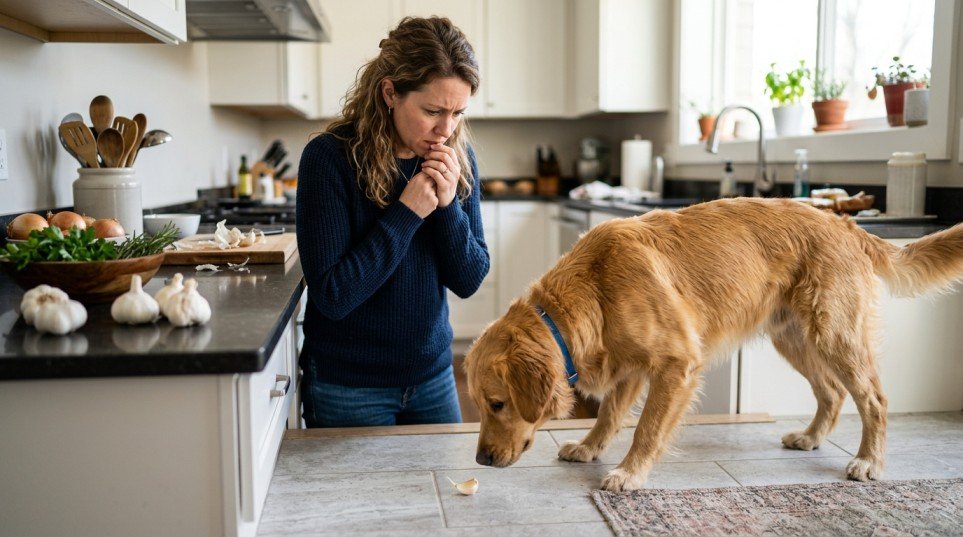
You are cooking dinner, and before you know it, your dog has grabbed a piece of garlic from the floor. Naturally, your first thought is: can dogs eat garlic, or is this an emergency?
The short answer is no. Dogs should not eat garlic. In fact, garlic is considered toxic to dogs and belongs to the Allium family, which also includes onions, chives, leeks, and shallots. While a tiny amount may not always cause immediate symptoms, garlic has the potential to damage a dog’s red blood cells and lead to serious health complications.
However, the situation is not always as simple as “garlic equals emergency.” The risk depends on several important factors, including your dog’s size, the amount consumed, the form of garlic, and how quickly veterinary advice is obtained.
This guide covers everything dog owners actually search for: why garlic is toxic to dogs, how much garlic is dangerous, symptoms to watch for, what to do if your dog eats garlic, when to call a vet, treatment options, and frequently asked questions.
Can Dogs Eat Garlic? The Short Answer
No, dogs should not eat garlic.
Furthermore, garlic is significantly more toxic than many pet owners realize. Although some dogs may appear normal after eating a small piece, symptoms can develop later. Therefore, it is always best to treat garlic ingestion seriously and contact your veterinarian for guidance.
Most importantly, do not assume your dog is safe simply because symptoms are not immediately visible. Garlic toxicity often develops gradually over several days.
Why Is Garlic Dangerous for Dogs?
1. Garlic Contains Toxic Sulfur Compounds
The primary reason garlic is dangerous is because it contains sulfur-containing compounds called thiosulfates.
Humans can process these compounds without difficulty. However, dogs metabolize them differently. As a result, garlic can damage red blood cells and make them more vulnerable to destruction.
When enough red blood cells are damaged, oxygen delivery throughout the body becomes compromised. Consequently, affected dogs may become weak, lethargic, and seriously ill.
2. Garlic Can Cause Hemolytic Anemia
One of the most significant risks associated with garlic consumption is hemolytic anemia.
This condition occurs when red blood cells are destroyed faster than the body can replace them.
As anemia develops, dogs may experience:
- Weakness
- Fatigue
- Pale gums
- Rapid breathing
- Increased heart rate
- Reduced exercise tolerance
In severe cases, hospitalization may become necessary.
3. Garlic Is More Toxic Than Many Owners Think
Many people assume garlic is harmless because it appears in various human foods and supplements.
However, garlic is actually considered more toxic to dogs than onions on a weight-for-weight basis.
Because of this, even relatively small amounts can create problems, particularly for small breeds.
Therefore, garlic should never be intentionally offered as a treat.
What Makes Garlic Toxicity Different From Food Poisoning?
This distinction is important.
Garlic toxicity is not simply stomach upset caused by eating the wrong food.
Instead, garlic affects the blood itself.
While some dogs may experience vomiting or diarrhea shortly after ingestion, the more serious issue involves damage to red blood cells.
Consequently, symptoms may not appear immediately. In fact, some dogs appear perfectly normal for several days before signs of anemia develop.
This delayed response is one reason veterinarians take garlic ingestion seriously.
Types of Garlic That Are Dangerous for Dogs
Many owners believe certain forms of garlic are safer than others. Unfortunately, that is not true.
The following forms can all be toxic:
| Garlic Form | Risk Level |
|---|---|
| Raw garlic | High |
| Cooked garlic | High |
| Garlic powder | Very High |
| Garlic salt | Very High |
| Dehydrated garlic | High |
| Garlic supplements | High |
| Garlic seasoning blends | Very High |
Garlic Powder Is Especially Dangerous
Garlic powder deserves special attention.
Because it is highly concentrated, a small amount may contain significantly more toxic compounds than fresh garlic cloves.
Furthermore, garlic powder is commonly found in:
- Chips
- Crackers
- Seasonings
- Soups
- Fast food
- Restaurant leftovers
As a result, many accidental poisonings occur from foods that owners never suspected contained garlic.
How Much Garlic Is Toxic to Dogs?
The answer depends on several factors:
- Body weight
- Overall health
- Age
- Amount consumed
- Form of garlic
Generally speaking, smaller dogs face higher risks because they receive a larger toxic dose relative to body weight.
Here is a general reference guide:
| Dog Size | Potential Risk |
|---|---|
| Under 10 lbs | Even small amounts may be concerning |
| 10–25 lbs | Moderate risk from several cloves |
| 26–50 lbs | Risk increases with larger amounts |
| 51–80 lbs | Larger quantities required but still dangerous |
| Over 80 lbs | More tolerance but not immune |
Important: There is no guaranteed safe amount of garlic for dogs.
Therefore, veterinary consultation is recommended regardless of the amount consumed.
What Happens If a Dog Eats Garlic?
The outcome depends largely on the dose consumed.
In mild cases, a dog may experience:
- Stomach upset
- Drooling
- Nausea
- Temporary diarrhea
However, larger exposures may lead to:
- Red blood cell damage
- Hemolytic anemia
- Weakness
- Collapse
- Serious medical complications
Because symptoms often appear gradually, monitoring is critical.
Furthermore, some dogs develop symptoms several days after ingestion.
Symptoms of Garlic Toxicity in Dogs
Symptoms may appear within hours or may take several days to develop.
Early Symptoms
These signs often involve gastrointestinal irritation.
- Vomiting
- Diarrhea
- Excessive drooling
- Reduced appetite
- Abdominal discomfort
- Nausea
Moderate Symptoms
As toxicity progresses, additional signs may appear.
- Lethargy
- Weakness
- Reduced energy
- Increased heart rate
- Rapid breathing
- Decreased interest in exercise
Severe Symptoms
Severe toxicity represents a veterinary emergency.
- Pale gums
- Collapse
- Difficulty breathing
- Extreme weakness
- Dark-colored urine
- Loss of consciousness
If any of these symptoms appear, immediate veterinary care is necessary.
What to Do If Your Dog Eats Garlic
This is the question most dog owners are searching for.
Step 1: Stay Calm
First, do not panic.
Although garlic toxicity can be serious, quick action significantly improves outcomes.
Gather as much information as possible regarding:
- Amount eaten
- Type of garlic
- Time of ingestion
- Dog’s weight
Step 2: Contact a Veterinarian
Next, call your veterinarian immediately.
Alternatively, you may contact:
- ASPCA Animal Poison Control Center
- Pet Poison Helpline
The more information you provide, the more accurate the guidance will be.
Step 3: Follow Professional Advice
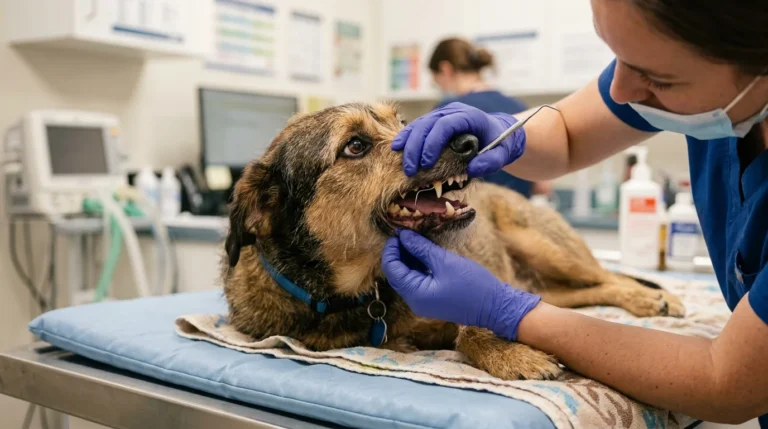
Depending on the situation, your veterinarian may recommend:
- Home monitoring
- Immediate examination
- Induced vomiting
- Blood testing
- Hospital treatment
Therefore, always follow veterinary instructions rather than relying solely on internet advice.
Step 4: Monitor Closely
Even if your dog initially appears normal, continue monitoring for several days.
Because garlic toxicity can develop gradually, symptoms may emerge later.
What NOT to Do If Your Dog Eats Garlic
Many owners make well-intentioned mistakes.
Avoid the following:
- Do not induce vomiting without veterinary guidance.
- Do not give milk.
- Do not give activated charcoal unless instructed.
- Do not assume cooked garlic is safe.
- Do not wait for symptoms before seeking advice.
Most importantly, do not rely on home remedies to reverse toxicity.
When to Call a Vet vs. When to Monitor at Home
Call a Vet Immediately If:
- A puppy consumed garlic
- A small dog ate garlic
- Garlic powder was consumed
- Symptoms are present
- Multiple cloves were eaten
- The amount is unknown
- The dog has existing medical conditions
Home Monitoring May Be Recommended If:
- The amount consumed was extremely small
- A veterinarian specifically advises monitoring
- No symptoms are present
- A follow-up plan exists
However, even low-risk situations should involve professional consultation first.
What a Vet Will Actually Do for Garlic Toxicity
Veterinary treatment varies depending on the situation.
Possible interventions include:
Inducing Vomiting
If ingestion occurred recently, a veterinarian may induce vomiting.
This helps remove garlic before additional absorption occurs.
Activated Charcoal
In some situations, activated charcoal may be administered.
This can reduce toxin absorption within the digestive tract.
Blood Testing
Bloodwork is often used to evaluate:
- Red blood cell levels
- Anemia
- Organ function
Consequently, veterinarians can identify problems before severe symptoms develop.
IV Fluids
Fluid therapy supports circulation and overall recovery.
Additionally, fluids help maintain hydration during illness.
Hospital Monitoring
Severe cases may require:
- Oxygen support
- Blood transfusions
- Intensive monitoring
- Extended hospitalization
Fortunately, most dogs recover well when treatment begins early.
Can Garlic Ever Be Safe for Dogs?
Some older articles and alternative-health sources suggest garlic may offer benefits.
However, modern veterinary organizations generally do not recommend feeding garlic to dogs.
Although debates occasionally continue regarding tiny doses, the potential risks outweigh any proposed benefits.
Therefore, most veterinarians recommend avoiding garlic entirely.
Frequently Asked Questions About Dogs and Garlic
Can a single clove of garlic hurt a dog?
It depends on the dog’s size and overall health. A single clove may represent a significant exposure for a small dog while causing fewer issues in a large breed. Nevertheless, veterinary guidance is still recommended because toxicity can develop gradually.
Is cooked garlic less toxic than raw garlic?
No. Cooking does not eliminate the compounds responsible for garlic toxicity. Therefore, cooked garlic should be considered just as dangerous as raw garlic.
Can dogs eat foods that contain garlic?
Generally, no. Many foods containing garlic also include additional ingredients that may be harmful. Furthermore, garlic itself remains toxic regardless of whether it is mixed into another food.
How long does garlic poisoning take to appear?
Some symptoms may appear within hours. However, red blood cell damage often develops over several days. Therefore, continued monitoring is important even when a dog initially appears normal.
Is garlic powder worse than fresh garlic?
Yes. Garlic powder is more concentrated. Consequently, smaller amounts may contain higher levels of toxic compounds compared with fresh garlic.
Can puppies eat garlic?
No. Puppies should never eat garlic. Because of their small size and developing systems, they may face greater risks from toxicity.
Can garlic kill a dog?
In severe untreated cases, garlic toxicity can become life-threatening. Fortunately, prompt veterinary care significantly improves outcomes.
What should I do if my dog ate garlic bread?
First, contact your veterinarian. Although the garlic content may vary, garlic bread often contains butter, oils, and seasonings that may create additional concerns.
how much garlic can a dog eat?
Dogs should not eat garlic, as it contains compounds (thiosulfates) that are toxic to them and can damage their red blood cells, leading to anemia. While the toxic threshold is roughly 15-30 grams per kilogram of body weight, even small amounts can be dangerous.
How Much Garlic Is Toxic to Dogs?
Even small amounts of garlic can be harmful to dogs, especially if consumed regularly or in large quantities. The risk depends on your dog’s size, the amount eaten, and the form of garlic.
Will a Small Amount of Garlic Hurt My Dog?
A tiny amount of garlic may not cause serious problems in every dog, but it can still irritate the stomach. It’s safest to avoid feeding garlic and contact your veterinarian if you’re concerned.
Symptoms of Garlic Poisoning in Dogs
Common signs of garlic poisoning include vomiting, diarrhea, weakness, pale gums, loss of appetite, rapid breathing, and lethargy. Severe cases can damage red blood cells and require immediate veterinary care.
Is Garlic Poisonous to Dogs?
Yes, garlic is poisonous to dogs because it contains compounds that can damage red blood cells. Eating enough garlic may lead to anemia and other serious health complications.
What Does Garlic Do to Dogs?
Garlic can upset a dog’s stomach and, in larger amounts, damage red blood cells, reducing their ability to carry oxygen. This can lead to weakness, fatigue, and anemia if left untreated.
How to Prevent Garlic Poisoning in Dogs
- Store garlic in secure cabinets.
- Keep seasonings out of reach.
- Avoid sharing table scraps.
- Check ingredient labels carefully.
- Educate family members about garlic toxicity.
- Be especially cautious during meal preparation.
- Dispose of food waste securely.
Because prevention is far easier than treatment, simple precautions can significantly reduce risk.
Final Word: Garlic Is Not Safe for Dogs
The most important thing dog owners should remember is that garlic is toxic to dogs and should never be intentionally fed.
Although a tiny amount may not always result in severe illness, there is no truly safe amount that veterinarians recommend. Furthermore, garlic toxicity can develop slowly, which means symptoms may not appear immediately after ingestion.
If your dog eats garlic, the best course of action is to contact your veterinarian as soon as possible. Quick guidance can help determine the level of risk and ensure appropriate monitoring or treatment.
Ultimately, when it comes to garlic and dogs, prevention remains the safest strategy. Keeping garlic out of your dog’s reach is far easier than dealing with a potential toxicity emergency.
Sources and References
- ASPCA Animal Poison Control Center: Garlic and Onion Toxicity
- Merck Veterinary Manual: Allium Toxicosis in Dogs
- Pet Poison Helpline: Garlic Poisoning in Dogs
- American Kennel Club (AKC): Foods Dogs Should Never Eat
- VCA Animal Hospitals: Garlic Toxicity in Pets
- FDA: Pet Poison Prevention Resources
- World Small Animal Veterinary Association (WSAVA): Companion Animal Health Guidelines
Discover More:-
- Can Dogs Eat Hot Dogs? A Complete Vet-Backed Guide 2026
- Can Dogs Eat Blueberries? Vet-Approved Guide 2026 ,Safe Amounts, Benefits & Risks

Michael Carter, DVM is a veterinarian and pet health writer with a strong interest in canine nutrition, preventive care, and animal wellness. He is dedicated to providing pet owners with accurate, evidence-based information that helps them make informed decisions about their dogs’ health. As an author and content reviewer, Michael combines veterinary knowledge with practical insights to ensure every article is trustworthy, informative, and easy to understand.