Can Dogs Eat Beans? Common Mistakes Dog Owners Make
Quick Answer: The safest beans for dogs are plain, fully cooked beans without added salt, garlic, onions, spices, or sauces. Canned baked beans, refried beans, and heavily seasoned bean dishes should be avoided.
Beans are a staple food in many households. They’re packed with protein, fiber, vitamins, and minerals, making them a healthy choice for humans. But if your dog is staring at your plate while you’re eating black beans, kidney beans, or baked beans, you may wonder whether it’s safe to share.
The short answer is yes—many beans are safe for dogs when prepared properly. However, not all beans are dog-friendly, and the way they’re cooked matters just as much as the type of bean itself.
This guide covers everything dog owners actually search for: which beans dogs can eat, which beans are dangerous, potential health benefits, serving recommendations, symptoms of digestive upset, and when to call a veterinarian.
Can Dogs Eat Beans? The Short Answer
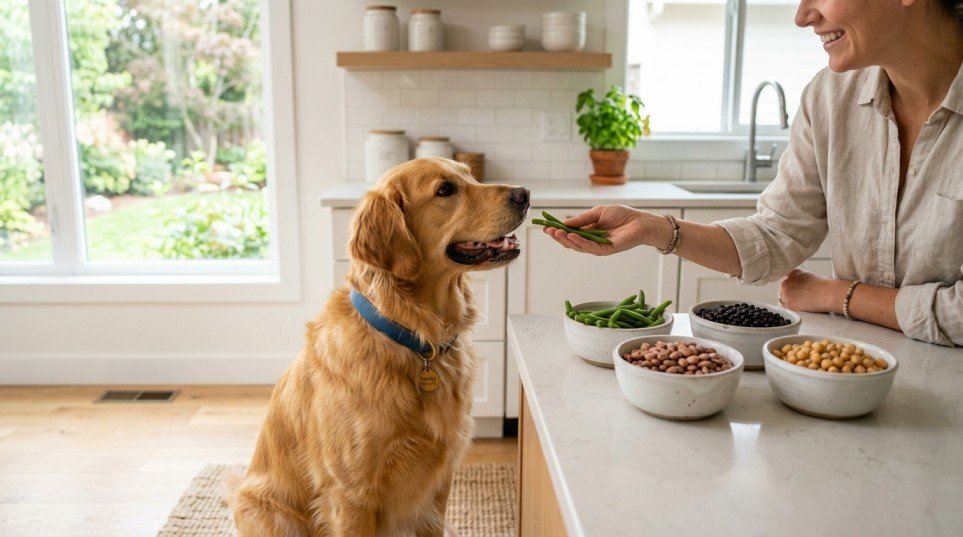
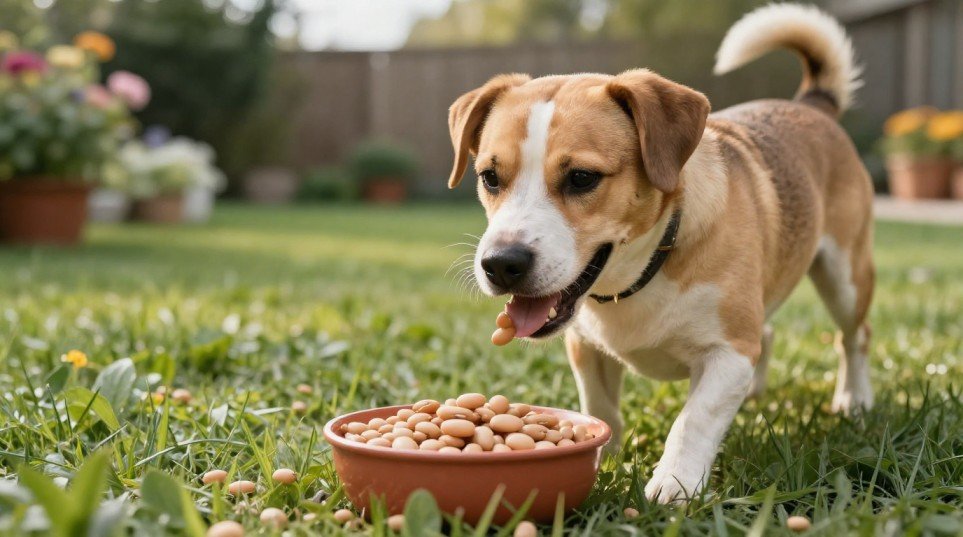
Yes, dogs can eat many types of cooked beans in moderation. Plain cooked black beans, kidney beans, pinto beans, green beans, navy beans, and chickpeas are generally safe for healthy dogs.
Beans can provide beneficial fiber, plant-based protein, and nutrients, but they should never replace a complete and balanced dog food diet.
The most important thing to remember is that preparation matters. A plain cooked bean may be perfectly safe, while the same bean covered in seasonings can become dangerous.
Why Do Dog Owners Feed Beans to Dogs?
1. Beans Are Rich in Fiber
Fiber supports healthy digestion and may help some dogs maintain regular bowel movements.
Benefits of dietary fiber include:
- Improved digestive health
- Better stool quality
- Increased feelings of fullness
- Support for healthy weight management
Because beans contain significant fiber, they are often included in some commercial dog foods.
2. Beans Contain Plant-Based Protein
Beans contain protein that can help support muscle maintenance and overall health.
While dogs primarily benefit from animal-based proteins, plant proteins can still contribute to a balanced diet when used appropriately.
3. Beans Provide Vitamins and Minerals
Many beans contain nutrients such as:
- Iron
- Magnesium
- Potassium
- Folate
- B vitamins
These nutrients support various bodily functions and overall health.
4. They Are Low in Fat
Most plain beans are naturally low in fat, making them appealing to owners looking for healthy treat alternatives.
For heavy dogs, beans may sometimes be used as a low-calorie snack when recommended by a veterinarian.
What Types of Beans Can Dogs Eat?
Not all beans are created equal when it comes to canine nutrition.
Here’s a quick reference guide.
| Type of Bean | Safe for Dogs? | Notes |
|---|---|---|
| Green beans | Yes | One of the safest options |
| Black beans | Yes | Serve cooked and plain |
| Pinto beans | Yes | Cook thoroughly |
| Kidney beans | Yes | Must be fully cooked |
| Navy beans | Yes | Safe in moderation |
| Chickpeas | Yes | Plain and cooked only |
| Lima beans | Yes | Cook before serving |
| Soybeans | Yes | Moderation recommended |
| Baked beans | No | High salt and sugar |
| Refried beans | No | Often contain harmful seasonings |
| Raw kidney beans | No | Can be toxic |
Key takeaway: Plain, cooked beans are generally safe. Processed bean dishes often are not.
Can Dogs Eat Green Beans?
Green Beans Are One of the Best Choices
Green beans are among the most commonly recommended vegetables for dogs.
Benefits include:
- Low calories
- High fiber
- Vitamins A, C, and K
- Hydration support
They can be served:
- Fresh
- Steamed
- Cooked
- Frozen
Avoid green beans prepared with butter, oils, garlic, or seasonings.
Many veterinarians recommend green beans as a healthy snack for dogs needing weight management support.
Can Dogs Eat Black Beans?
Yes, dogs can eat plain cooked black beans.
Black beans provide:
- Fiber
- Protein
- Iron
- Magnesium
Serve only fully cooked beans without added ingredients.
Too many black beans may cause:
- Gas
- Bloating
- Digestive upset
Moderation is important.
Can Dogs Eat Kidney Beans?
Yes—but only when fully cooked.
Why Raw Kidney Beans Are Dangerous
Raw kidney beans contain a natural compound called phytohemagglutinin.
This compound can cause digestive distress and may be harmful when consumed in significant amounts.
Proper cooking dramatically reduces this risk.
Never allow dogs to eat:
- Raw kidney beans
- Undercooked kidney beans
- Dried beans that haven’t been prepared correctly
Cooked kidney beans are generally safe in small portions.
Can Dogs Eat Chickpeas?
Yes.
Chickpeas, also called garbanzo beans, are commonly used in some dog food recipes.
Potential benefits include:
- Protein
- Fiber
- Vitamins
- Minerals
Plain cooked chickpeas are preferred.
Avoid chickpeas prepared with:
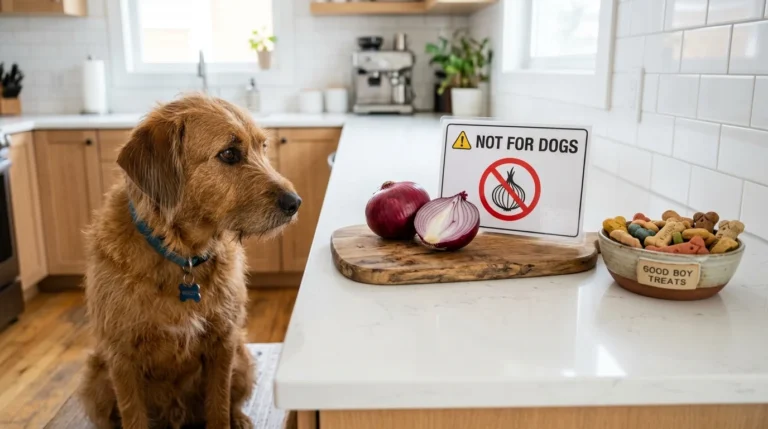
- Garlic
- Onion
- Heavy spices
- Excess salt
These ingredients can be harmful to dogs.
Can Dogs Eat Baked Beans?
No.
Baked beans are one of the worst bean options for dogs.
Most baked bean recipes contain:
- Sugar
- Salt
- Garlic
- Onion
- Artificial flavorings
These ingredients can lead to digestive upset and may be toxic in some cases.
Even though the beans themselves are not dangerous, the preparation makes baked beans unsuitable for dogs.
Can Dogs Eat Refried Beans?
No.
Refried beans frequently contain ingredients that dogs should avoid, including:
- Onion powder
- Garlic powder
- Excess fat
- Salt
- Spices
These additions increase the risk of digestive problems and potential toxicity.
Stick with plain cooked beans instead.
Health Benefits of Beans for Dogs
When fed appropriately, beans may offer several benefits.
Digestive Support
The fiber content may help support:
- Regular bowel movements
- Healthy gut function
- Digestive balance
Weight Management
Fiber-rich foods can help some dogs feel fuller between meals.
This may reduce begging and excessive snacking.
Nutritional Variety
Beans provide additional nutrients that complement a balanced canine diet.
Healthy Treat Alternative
Compared to many commercial treats, plain beans can be a lower-calorie option.
Risks of Feeding Beans to Dogs
Although beans can be healthy, they are not risk-free.
1. Gas and Bloating
This is the most common side effect.
Dogs that eat too many beans may experience:
- Flatulence
- Stomach discomfort
- Bloating
Introducing beans gradually may reduce these issues.
2. Digestive Upset
Some dogs are sensitive to high-fiber foods.
Possible symptoms include:
- Diarrhea
- Vomiting
- Loose stools
- Abdominal discomfort
3. Added Ingredients
The biggest danger often comes from what is added to the beans.
Avoid:
- Garlic
- Onion
- Salt
- Butter
- Oils
- Sauces
- Seasonings
These ingredients may be harmful or toxic to dogs.
4. Incomplete Nutrition
Beans should never replace a complete dog food diet.
Dogs require specific nutrients that beans alone cannot provide.
Treat beans as a supplement or occasional snack.
How Many Beans Can Dogs Eat?
The appropriate amount depends on:
- Size
- Age
- Activity level
- Overall health
General guidelines:
Small Dogs (Under 20 lbs)
- 1 to 2 teaspoons
Medium Dogs (20–50 lbs)
- 1 to 2 tablespoons
Large Dogs (Over 50 lbs)
- 2 to 4 tablespoons
Beans should make up only a small portion of daily calorie intake.
Too much can lead to digestive problems.
Symptoms That Beans May Not Agree With Your Dog
Watch for:
- Excessive gas
- Vomiting
- Diarrhea
- Reduced appetite
- Lethargy
- Abdominal discomfort
Mild symptoms often resolve after the food leaves the digestive system.
Persistent symptoms should be evaluated by a veterinarian.
When to Call a Vet
Contact your veterinarian if:
- Your dog ate beans containing garlic or onion
- Severe vomiting develops
- Diarrhea becomes persistent
- Your dog appears bloated
- Signs of pain occur
- Your dog consumed a large amount of seasoned bean products
Dogs with pre-existing digestive conditions may require extra caution.
What If My Dog Ate Raw Beans?
The answer depends on the type and amount.
Raw kidney beans are the primary concern.
Monitor for:
- Vomiting
- Diarrhea
- Stomach pain
- Weakness
If your dog consumed a significant amount of raw or undercooked beans, contact your veterinarian for guidance.
Frequently Asked Questions About Dogs and Beans
Are beans good for dogs?
Many beans can be a healthy addition to a dog’s diet when served cooked, plain, and in moderation.
Can puppies eat beans?
Yes, but portions should be small. Puppies have sensitive digestive systems and may experience digestive upset if fed too many beans.
Can dogs eat canned beans?
Sometimes. If using canned beans, choose varieties with no added salt, seasonings, garlic, or onions. Rinsing thoroughly is recommended.
Can dogs eat bean soup?
Generally no. Most soups contain ingredients such as onions, garlic, salt, and seasonings that are not suitable for dogs.
Can dogs eat rice and beans?
Plain cooked rice and plain cooked beans are generally safe together in small amounts. However, they should not replace a balanced dog food diet.
Can beans cause diarrhea in dogs?
Yes. Excessive amounts or sudden introduction may cause digestive upset, including diarrhea and gas.
Are green beans better than other beans for dogs?
Many veterinarians consider green beans one of the safest and healthiest bean options due to their low calorie content and nutritional profile.
Can dogs eat beans every day?
Small amounts may be safe for some dogs, but daily feeding should be discussed with a veterinarian, especially if beans are replacing part of the regular diet.
Can dogs eat beans?
Yes, dogs can eat plain, cooked beans in moderation. Beans provide fiber, protein, and essential nutrients that can support a healthy diet.
Can dogs have beans?
Yes, dogs can have beans as long as they are fully cooked and served without harmful seasonings, garlic, or onions.
Are beans bad for dogs?
No, most cooked beans are not bad for dogs. However, feeding too many beans may cause gas, bloating, or digestive discomfort.
Can dogs eat black beans?
Yes, dogs can eat cooked black beans in small amounts. They are rich in protein, fiber, vitamins, and antioxidants.
Can dogs eat pinto beans?
Yes, cooked pinto beans are generally safe for dogs. They can be a nutritious addition to your dog’s diet when served plain.
Can dogs eat kidney beans?
Yes, dogs can eat cooked kidney beans. However, raw kidney beans should never be fed because they contain toxins that can be harmful.
Can dogs have pinto beans?
Yes, dogs can have plain, cooked pinto beans in moderation. Avoid adding salt, spices, or other seasonings.
Can dogs have baked beans?
No, baked beans are not recommended for dogs. They often contain sugar, salt, onions, garlic, and other ingredients that may be harmful.
Are kidney beans good for dogs?
Yes, cooked kidney beans can be good for dogs when fed in moderation. They provide protein, fiber, iron, and other beneficial nutrients.
How to Safely Feed Beans to Dogs
- Cook beans thoroughly.
- Serve plain without seasonings.
- Introduce slowly.
- Start with small portions.
- Monitor for digestive upset.
- Avoid processed bean dishes.
- Keep raw beans out of reach.
- Use beans as treats, not meal replacements.
Simple preparation is usually the safest approach.
Final Word: Can Dogs Eat Beans?
Yes, dogs can eat many types of beans when they are fully cooked, plain, and fed in moderation. Green beans, black beans, pinto beans, chickpeas, and properly cooked kidney beans are generally safe options for most healthy dogs.
The biggest risks don’t usually come from the beans themselves. They come from added ingredients such as garlic, onions, salt, sugar, and heavy seasonings commonly found in baked beans, refried beans, and restaurant dishes.
When introduced gradually and served appropriately, beans can be a nutritious occasional snack that provides fiber, vitamins, minerals, and plant-based protein. However, they should always complement—not replace—a complete and balanced canine diet.
If your dog experiences vomiting, diarrhea, bloating, or other unusual symptoms after eating beans, contact your veterinarian for guidance.
Reviewed & Recommended by Dr. Ubaidur Rahman, DVM
Veterinary Review: Dr. Ubaidur Rahman, DVM, reviewed this guide for food safety and the recommendations on feeding beans to dogs.
Dr. Ubaidur Rahman’s Recommendation: Plain, fully cooked beans can generally be given to healthy dogs in small amounts. Beans provide fiber and some protein, but they should be an occasional addition rather than a replacement for a complete, balanced dog food. Avoid canned beans with added salt, seasonings, onion, or garlic, as these ingredients can be harmful to dogs.
Sources and References
- American Kennel Club (AKC): Vegetables and Legumes for Dogs
- Merck Veterinary Manual: Canine Nutrition
- PetMD: Can Dogs Eat Beans?
- VCA Animal Hospitals: Human Foods Safe for Dogs
- American Veterinary Medical Association (AVMA): Pet Nutrition Guidelines
- WSAVA Global Nutrition Committee Recommendations
- Preventive Vet: Safe Human Foods for Dogs
Discover More:-
- Can Dogs Eat Broccoli? A Complete Vet Backed Guide 2026
- Can Dogs Eat Banana? A Complete Vet-Backed Guide 2026

Dr. Ubaid Ur Rehman, DVM is a qualified veterinarian with expertise in pet health, nutrition, and preventive care. He is passionate about helping pet owners make informed decisions through accurate, research-based, and practical advice. As a veterinary professional, he reviews and contributes content to ensure reliable information for dog and pet owners.